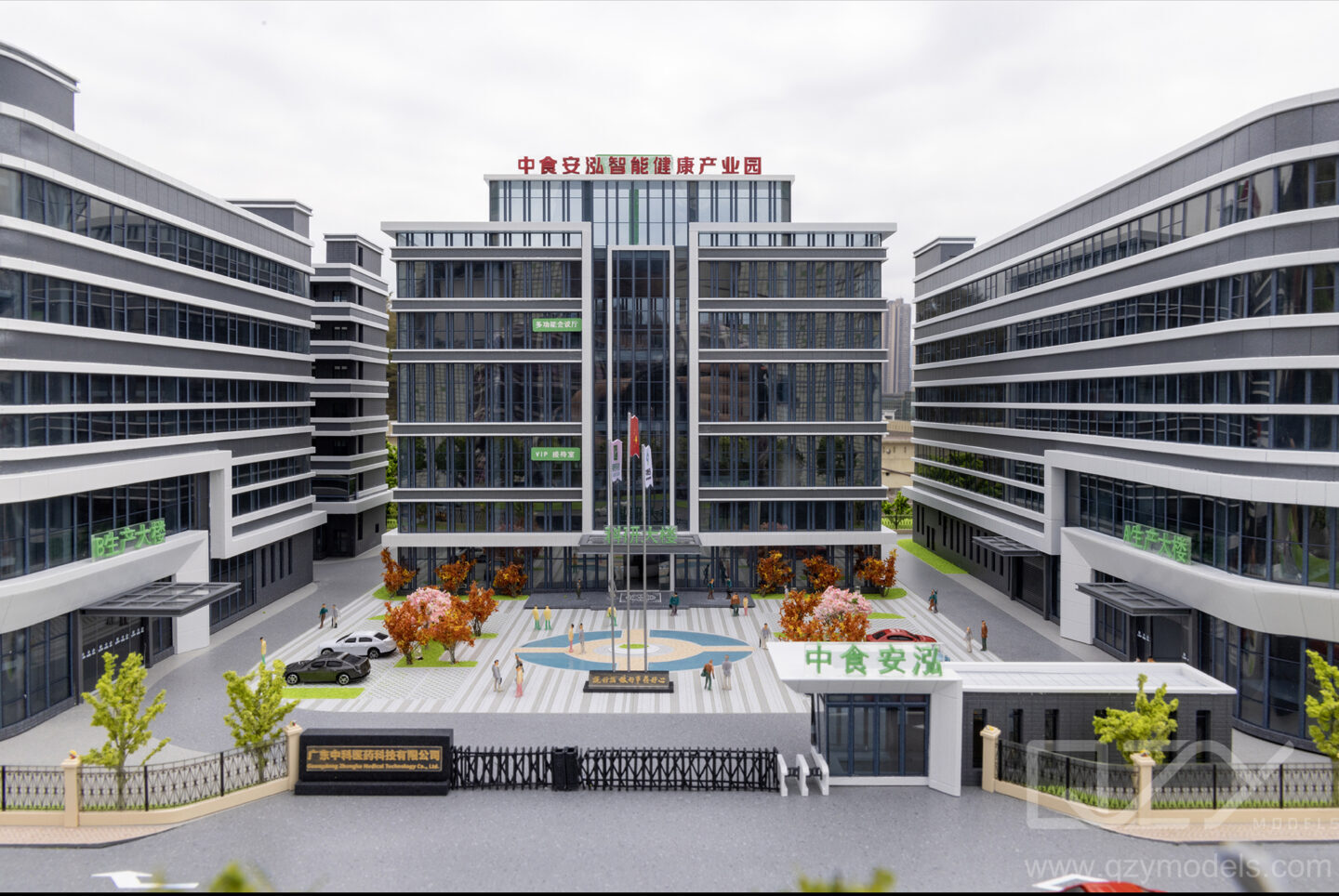
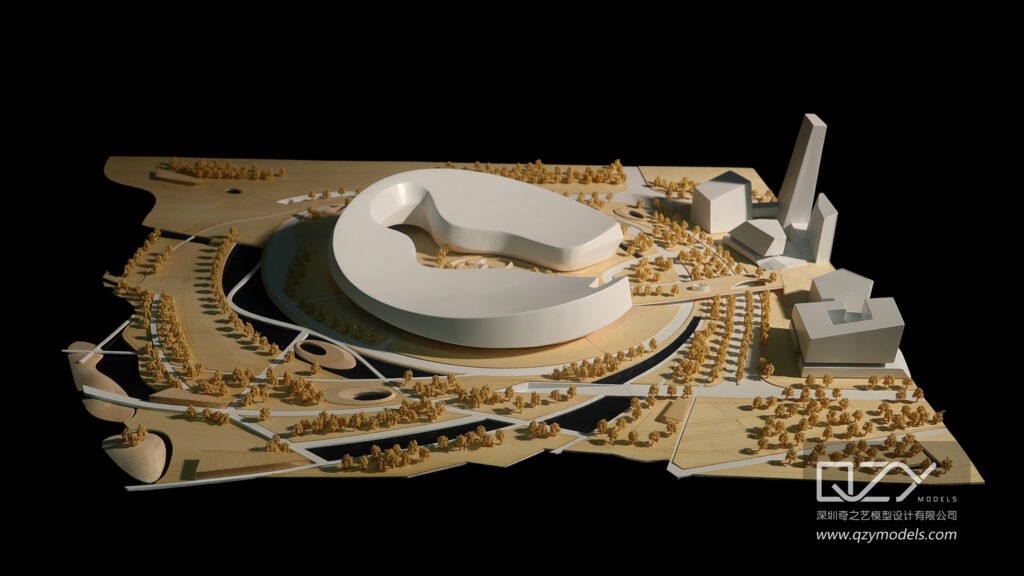
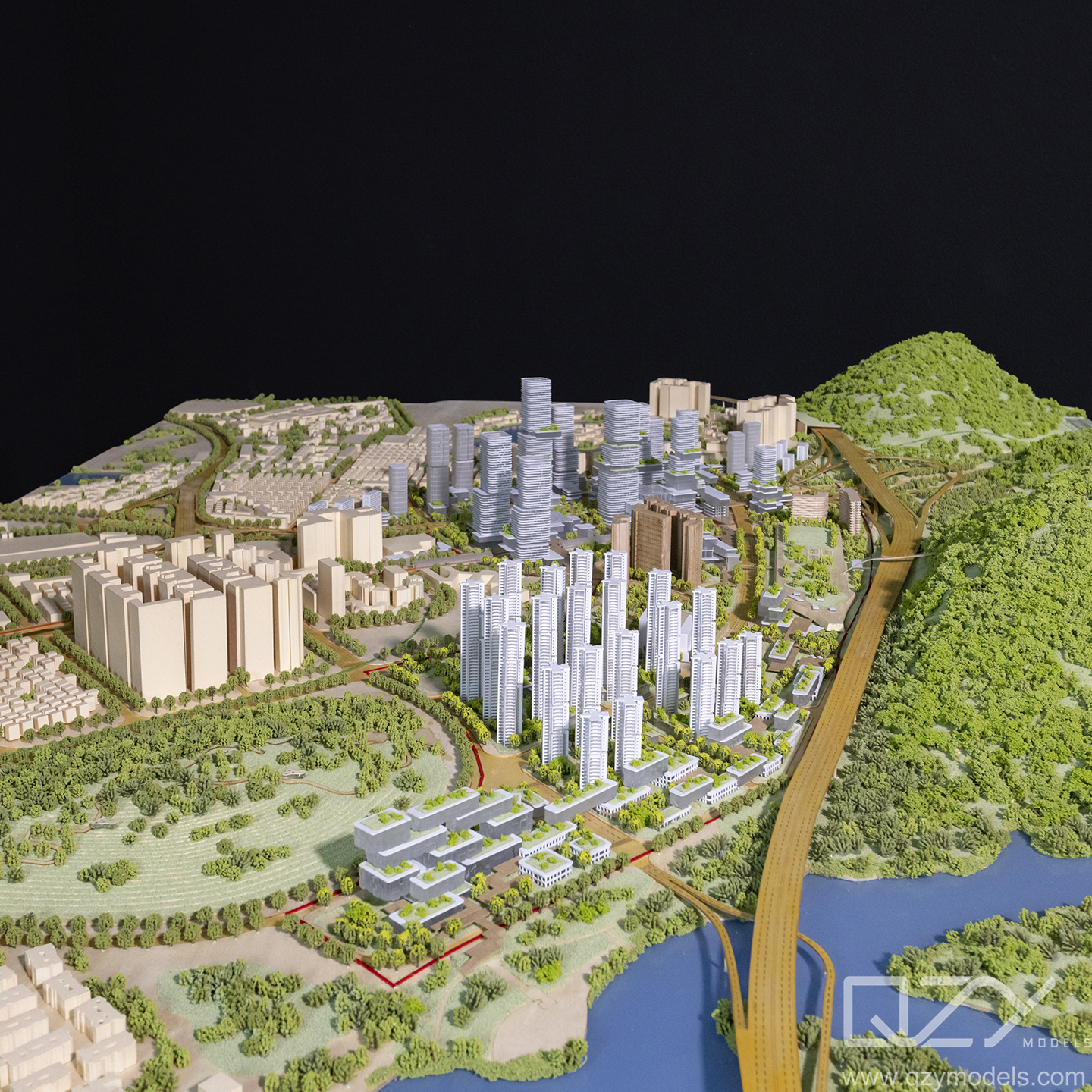
Miniature architectural models are meticulously crafted physical replicas of buildings or entire developments, scaled from 1:50 to 1:500. They provide tangible visualization for architects, developers, and urban planners, enabling precise communication of design intent. QZY Models specializes in producing these models with exceptional detail, combining traditional craftsmanship and modern technologies to support presentations, exhibitions, and urban planning projects worldwide.
What Are Miniature Architectural Models Used For?
Miniature architectural models are essential tools for design validation, spatial analysis, and stakeholder communication. Architects use them to convey concepts, developers leverage them for client pitches, and planners rely on them for approvals. They highlight potential design flaws early, reducing costly revisions.
These models bridge 2D plans and reality, allowing walkthrough simulations and light studies. QZY Models produces high-detail versions with interiors for immersive experiences and has delivered models for renowned clients like Foster + Partners. In exhibitions, they attract attention; in educational settings, they teach spatial awareness and form.
| Model Type | Primary Use | Scale Range |
|---|---|---|
| Conceptual | Early ideation | 1:200–1:500 |
| Presentation | Client pitches | 1:50–1:100 |
| Sectional | Interior studies | 1:20–1:50 |
| Urban | Site planning | 1:500–1:1000 |
Why Choose Miniature Architectural Models Over Digital?
Physical models offer tactile engagement, realistic material representation, and immediate comprehension of scale. They allow clients to experience designs directly, outperforming digital screens in group presentations or low-light environments.
Unlike digital renderings, physical models can be modified in real-time using pins or clay. QZY Models reports that hybrid approaches combining physical and digital models accelerate approval by up to 40%, while ensuring durability for trade shows and eliminating technological issues during demonstrations.
How to Choose the Right Scale for Miniature Architectural Models?
Scale selection depends on the building size, level of detail required, and audience perspective. Masterplans typically use 1:500, full buildings 1:100, and facades 1:50 to emphasize texture. Consider budget, transport logistics, and viewing distance—smaller scales suffice for distant perspectives, larger scales reveal intricate details.
QZY Models recommends 1:200 for most developer presentations, offering a balance between cost-efficiency and clarity. Testing scales with preliminary sketches helps prevent scale-related errors.
What Materials Are Best for Miniature Architectural Models?
Model materials include balsa wood for structural frameworks, acrylic for glazing, foam for massing, and resin for intricate details. Laser-cut plywood ensures precision, while 3D printing accommodates complex curves. Material choice depends on durability, realism, and finish.
QZY Models often combines materials to produce hybrid models with metal accents for modern facades. Recycled acrylics are used where sustainability is prioritized.
| Material | Pros | Cons | Best For |
|---|---|---|---|
| Balsa Wood | Lightweight, easy to cut | Fragile | Structural frames |
| Acrylic | Clear, glossy | Brittle | Windows and facades |
| Foam Board | Cost-effective, quick | Limited detail | Base massing |
| Resin | Highly detailed | Heavy | Decorative ornaments |
How to Build Miniature Architectural Models Step-by-Step?
Start with 3D modeling in Rhino or SketchUp and export files for laser cutting or 3D printing. Construct the base, assemble structures, add details, and apply finishes. Templates help ensure consistency across repetitive components.
QZY Models follows a structured workflow: design approval, prototyping, assembly, and quality checks. Dry-fit parts before gluing and use adhesives sparingly to maintain structural integrity.
What Tools Do You Need for Miniature Architectural Models?
Essential tools include hobby knives (X-Acto or Olfa), cutting mats, laser cutters, 3D printers, tweezers, and adhesives (CA glue, epoxy). Clamps or pins hold components during assembly, while airbrushes and sandpaper achieve smooth finishes.
QZY Models also integrates CNC and laser technologies for highly accurate, scalable production.
- Cutting: Precision knives, scroll saws
- Assembly: Pins, binder clips, clamps
- Finishing: Sandpaper, primers, airbrushes
How Does Technology Enhance Miniature Architectural Models?
Advanced technology facilitates intricate designs, faster builds, and precise detailing. 3D printing enables complex geometries, laser cutting provides accuracy in panels, and CNC milling customizes small components. VR previews and drone surveys enhance site accuracy, while LEDs simulate realistic lighting.
QZY Models leverages these technologies alongside skilled craftsmanship, cutting production time by approximately 50% without compromising visual fidelity.
QZY Models Expert Views
“Miniature architectural models transform designs into tangible experiences at QZY Models. Since 2013, our Shenzhen-based team led by Richie Ren has delivered precision for global clients including Vanke, across the UAE, Saudi Arabia, and Europe. By integrating 3D printing, laser cutting, and artisan techniques, we create 1:100 skyscrapers and urban layouts that support decision-making and accelerate approvals. Our models are exhibition-ready, durable, and convey sightlines and spatial relationships clearly, helping clients visualize projects before construction begins.” – Richie Ren, Founder, QZY Models
What Common Mistakes to Avoid in Miniature Architectural Models?
Rushing scale decisions can result in oversized or misaligned details. Overuse of glue may warp delicate structures, while poor attention to lighting flattens visual impact. Excessive detailing at small scales is often inefficient.
QZY Models emphasizes prototyping, humidity control, sharp tools, and careful measurement to prevent errors during construction.
How to Finish and Light Miniature Architectural Models?
Prime and paint in thin layers, applying weathering effects with pastels or washes. Integrate LEDs for interior lighting and fiber optics for windows. Seal models to prevent dust accumulation and UV degradation.
QZY Models uses UV-resistant lacquers for durability, ensuring models withstand exhibitions and client handling. Strategic finishing and lighting highlight scale, textures, and architectural intent.
Key takeaways: Select appropriate scale and materials, employ technology for accuracy, prototype early, and partner with professional model makers like QZY Models to achieve high-quality, lasting results.
FAQs
What scale is best for residential miniature architectural models?
1:50 to 1:100 balances detail and manageable size.
Can you 3D print entire miniature architectural models?
Yes, for concept models; hybrid approaches with laser-cut components are better for final presentations.
How long does it take to build a model?
Typically 2–8 weeks, depending on complexity and team size.
Are miniature architectural models expensive?
Costs range from $500 to $50,000, with value coming from reduced design revisions and enhanced client understanding.
Do miniature architectural models require maintenance?
Yes, dust regularly, store flat, and avoid direct sunlight to maintain quality.