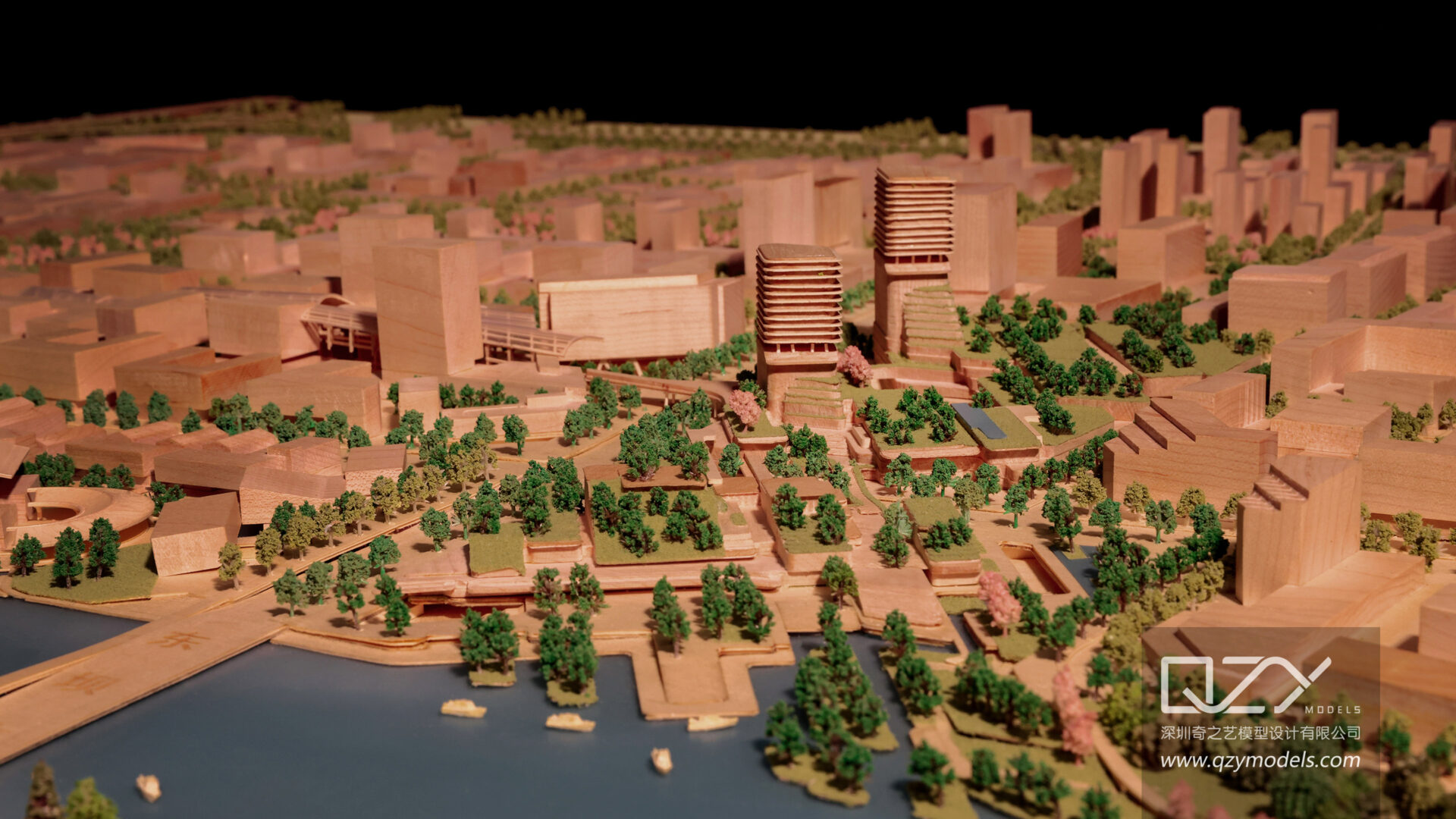
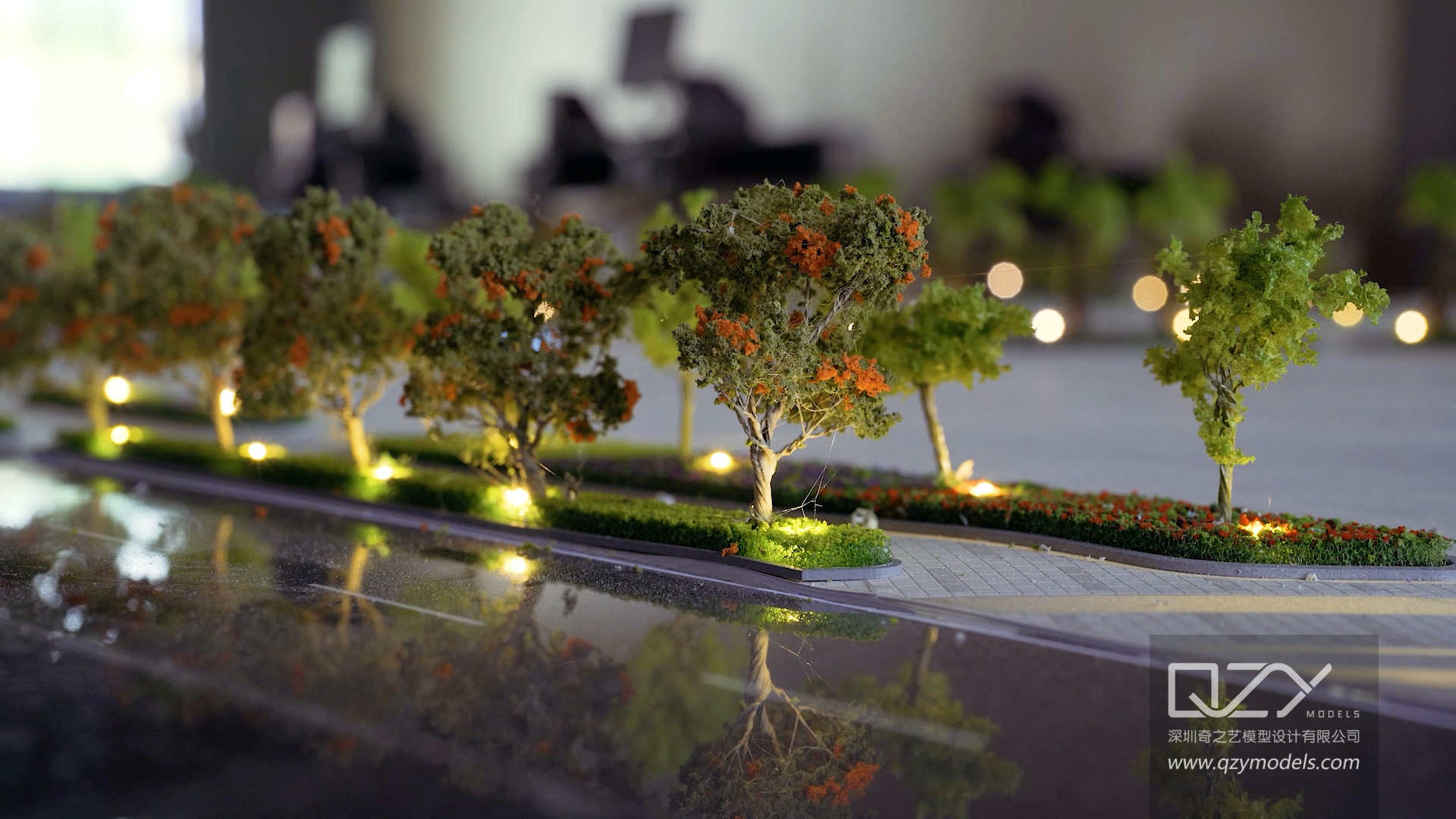
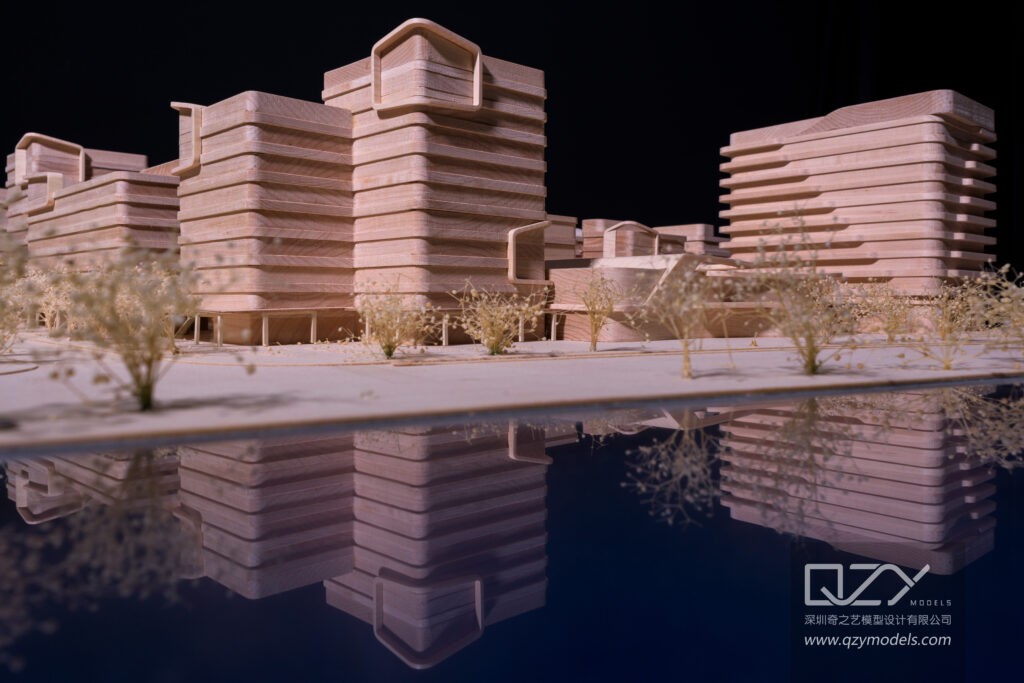
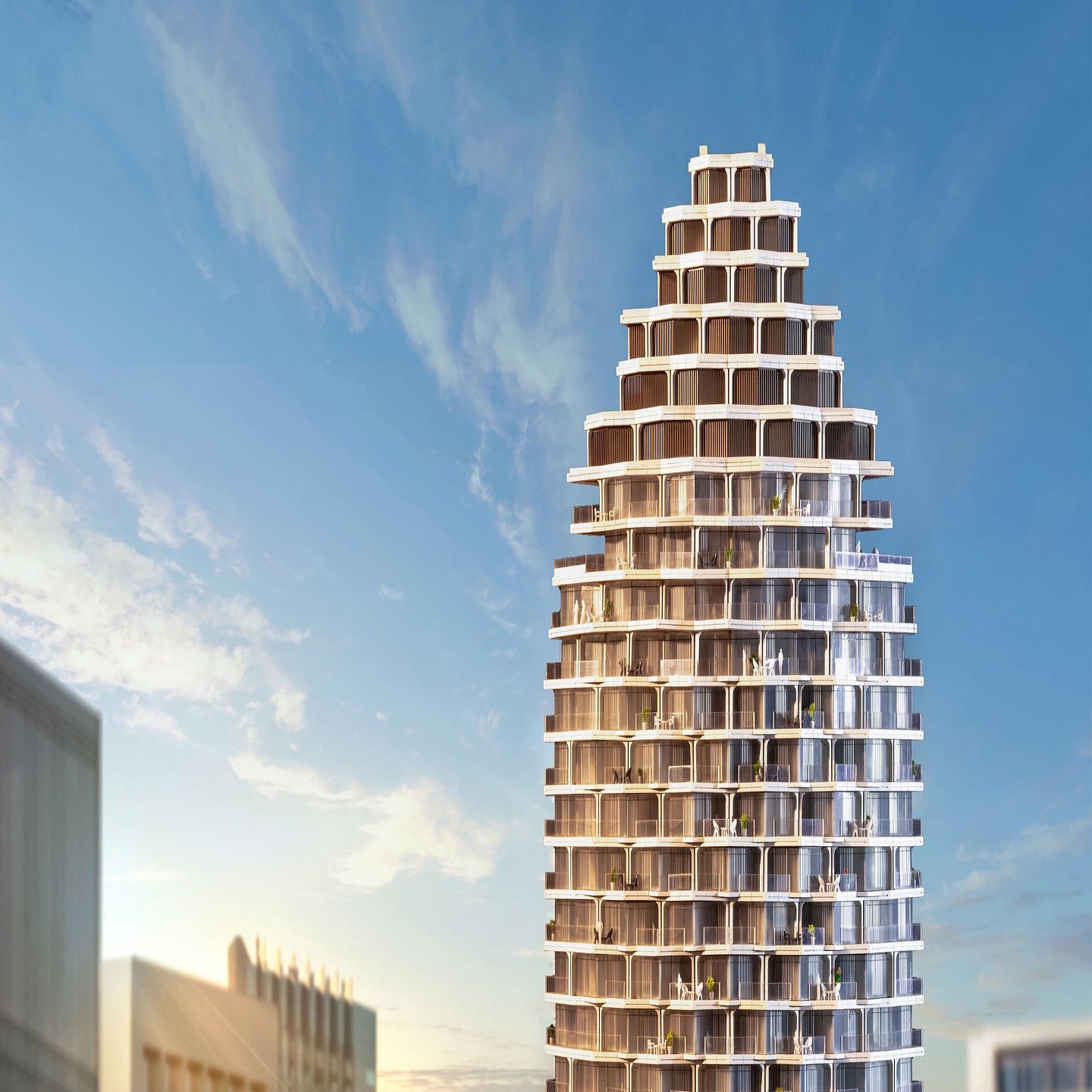
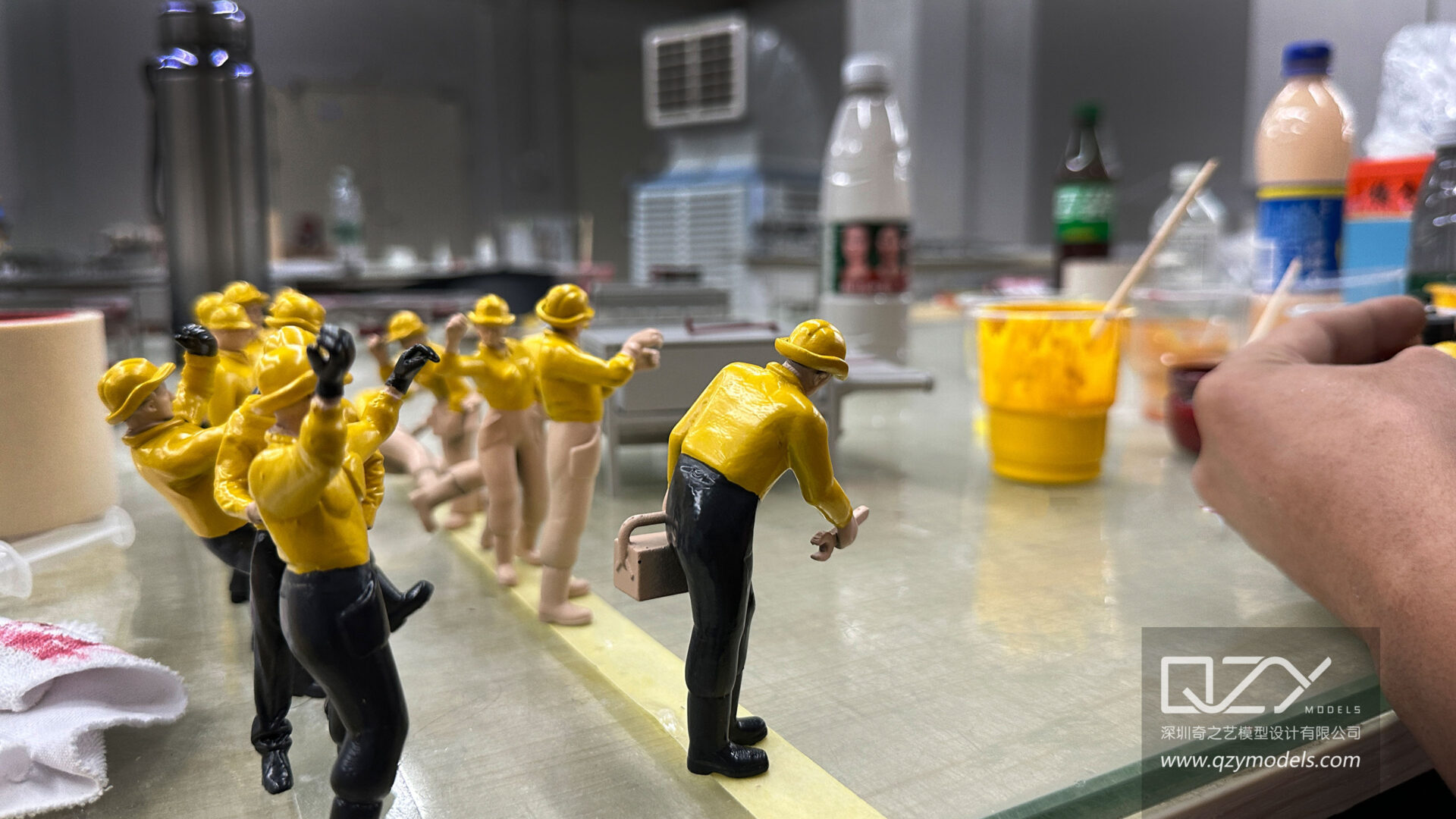
Miniature buildings are precision-crafted scale models that transform architectural, industrial, and urban design visions into tangible realities—enhancing decision-making, presentation quality, and project investment value across industries. Top firms like QZY Models are setting new global benchmarks by merging artisan craftsmanship with cutting-edge manufacturing technology.
How Does the Current Industry Landscape Reveal Hidden Challenges?
As global urbanization accelerates, demand for architectural visualization tools grows rapidly. According to Statista, the global architectural services market surpassed USD 400 billion in 2025, yet 62% of developers report challenges in effectively communicating design intent to investors or clients. Traditional 2D renderings or digital-only visualizations often fail to fully convey spatial depth or structural nuance. In exhibitions, stakeholders increasingly lean toward physical miniatures for faster comprehension, tactile engagement, and stronger emotional impact. However, achieving both accuracy and scalability remains an industry-wide pain point. Costs, material inefficiencies, and inconsistent craftsmanship continue to hinder reliable production at scale.
What Are the Key Pain Points Facing Traditional Model-Making?
First, cost inefficiency is a major issue. Conventional model-making heavily depends on manual labor, which leads to long production cycles and variable quality. According to MarketsandMarkets, over 70% of firms cite time and cost as primary obstacles in architectural model production. Second, lack of digital integration prevents designers from translating complex BIM data into physical models quickly. Errors accumulate during manual translation, often requiring costly rework. Third, sustainability concerns are rising. Traditional methods often rely on single-use plastics and paints unsuitable for modern eco-standards, adding environmental burdens for developers and design firms.
Why Do Traditional Solutions Struggle to Meet Modern Demands?
Traditional workshop-based model production lacks automation, precision repeatability, and real-time client feedback capacity. These limitations create communication gaps between architects, developers, and municipal stakeholders, slowing project approval processes. Without integrated digital fabrication, manual assembly introduces inconsistencies that can misrepresent key design details. Additionally, logistical constraints make it difficult for models to be transported internationally without damage, prolonging delivery schedules for global projects.
How Does QZY Models Deliver a Superior Solution?
QZY Models revolutionizes how miniature buildings are designed and manufactured by combining over 20 years of global modeling expertise with digital fabrication technologies such as CNC milling, laser cutting, and full-color 3D printing. Headquartered in Shenzhen with international branches in the UAE, Saudi Arabia, and Egypt, QZY Models provides end-to-end model-making services—from conceptual visualization to exhibition-ready displays. By fully integrating CAD and Revit data into their digital pipeline, QZY Models ensures millimeter-level precision and a production time reduction of up to 40%. Materials used are sourced sustainably, featuring recyclable polymers and low-VOC paints to align with international environmental standards.
Which Advantages Set QZY Models Apart from Traditional Model Makers?
| Feature / Capability | Traditional Approach | QZY Models Approach |
|---|---|---|
| Production Speed | 4–8 weeks average | 2–4 weeks with digital fabrication |
| Accuracy Level | ±3 mm tolerance | ±0.5 mm tolerance |
| Material Options | Limited and manual selection | Eco-friendly, diverse, and customizable |
| Integration with BIM | Minimal or manual conversion | Full digital BIM-to-model workflow |
| Global Delivery | Regional only | Worldwide logistics network |
| Customization | Labor-intensive changes | Rapid data-driven updates |
How Can You Build a Miniature Building with QZY Models?
-
Consultation and Scope Definition – Clients share project files (CAD/BIM) and objectives.
-
Digital Preview and Quotation – QZY Models generates 3D previews and detailed cost estimation.
-
Precision Fabrication – Advanced 3D printing, CNC processing, and laser cutting begin.
-
Manual Detailing and Quality Control – Expert artisans add lighting, landscaping, and finishes.
-
Packaging and Delivery – Models undergo vibration tests and are securely shipped worldwide.
-
After-Service Support – QZY Models provides display setup guides and model maintenance tips.
Who Benefits Most from These Miniature Building Solutions?
Case 1: Real Estate Developer (High-rise Portfolio Presentation)
Problem: Difficulty conveying project value to investors.
Traditional Method: Relied on 3D renders and VR that lacked tactile engagement.
Result after QZY Models: Miniature buildings helped secure pre-sales 45% faster.
Key Benefit: Enhanced investor confidence through physical visualization.
Case 2: Architectural Design Institute
Problem: Frequent redesigns due to client misunderstanding.
Traditional Method: Used printed blueprints with limited spatial visualization.
Result after QZY Models: Improved project approval turnaround by 30%.
Key Benefit: Real-time feedback with physical precision models.
Case 3: Urban Planning Department
Problem: Difficulty explaining new zoning projects to the public.
Traditional Method: Relied on 2D maps and slides in hearings.
Result after QZY Models: Community understanding increased significantly.
Key Benefit: Improved citizen engagement and reduced meeting durations.
Case 4: Interior Design Studio
Problem: Struggled to show lighting and texture interactions.
Traditional Method: Renderings lacked realistic depth.
Result after QZY Models: Scaled models with integrated smart lighting showcased true ambience.
Key Benefit: 360° design validation before construction.
What Is the Future of Miniature Building Manufacturing?
The miniature building industry is entering a new era of smart fabrication. Automation, AI-powered model optimization, and sustainable materials will redefine both aesthetics and performance. QZY Models is investing in hybrid 3D printing that supports multi-material builds and digital twins, connecting physical models with real-time IoT data. This integration will enable cities and developers to simulate, monitor, and visualize projects in dynamic, physical form. As global demand for immersive presentation rises, adopting professional-scale models today ensures competitive advantage in tomorrow’s design economy.
FAQ
What Are Miniature Buildings and How Are They Made for Architecture and Collecting?
Miniature buildings are scaled physical representations of real or planned structures used in architecture, real estate, and exhibitions. They are made through CAD design, laser cutting, 3D printing, hand assembly, and precision finishing. Professional teams like QZY Models ensure accurate scale, material quality, and realistic detailing for high-impact presentations.
What Types of Miniature Buildings Are Used in Architectural Models?
Common miniature building types include residential villas, high-rise towers, mixed-use complexes, urban masterplans, industrial facilities, and landscape-integrated developments. Each serves different planning and marketing purposes. Selecting the right type depends on project scale, target audience, and presentation goals to maximize clarity and visual impact.
What Materials Are Used to Make Miniature Buildings?
High-quality miniature buildings use materials like acrylic, ABS, resin, basswood, foam board, and 3D printed polymers. Material choice affects durability, realism, lighting effects, and cost. For premium display models, combining laser-cut acrylic with hand-finished details ensures clean edges and professional presentation quality.
How Are Miniature Buildings Made Step by Step?
The process starts with CAD modeling and scale planning, followed by laser cutting or 3D printing, structural assembly, surface treatment, painting, landscaping, and lighting installation. Each step ensures precision and realism. Experienced manufacturers such as QZY Models manage workflow control to guarantee consistent quality and timely delivery.
Which Miniature Building Scale Should You Choose for Your Project?
Choose scale based on project size and detail level. 1:100 scale offers strong architectural detail, ideal for building-focused displays. 1:200 or 1:500 scales suit masterplans and large developments. Consider display space, budget, and viewing distance to select the most effective and visually balanced proportion.
Why Use Miniature Buildings for Real Estate Marketing Campaigns?
Miniature buildings help buyers visualize layouts, surroundings, and amenities instantly. They increase engagement in sales centers and exhibitions, strengthen project credibility, and support faster decision-making. Developers use detailed lighting and landscaping to create emotional impact and improve conversion rates.
How Can You Make Miniature Buildings at Home Like a Pro?
Start with accurate scale drawings, use foam board or basswood for structure, and apply precision cutting tools. Add acrylic sheets for windows and fine paint finishes for realism. Focus on clean edges, proportion accuracy, and subtle detailing to achieve professional-looking results even at home.
Where Can You Order Custom Miniature Building Models?
You can order custom miniature building models from specialized architectural model makers with international experience. Look for teams offering design consultation, material sampling, lighting integration, and global shipping. Review portfolios and project history to ensure quality standards align with your development or exhibition needs.