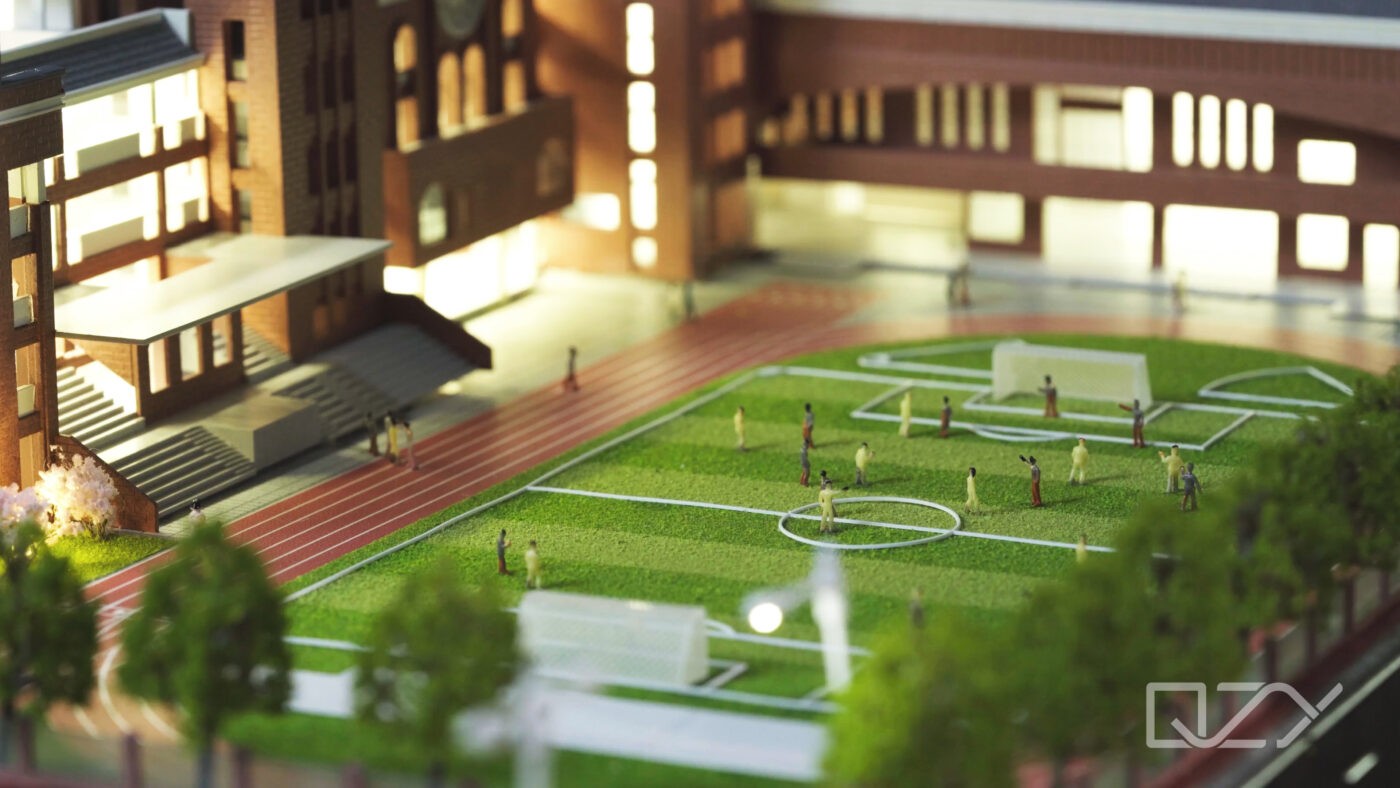
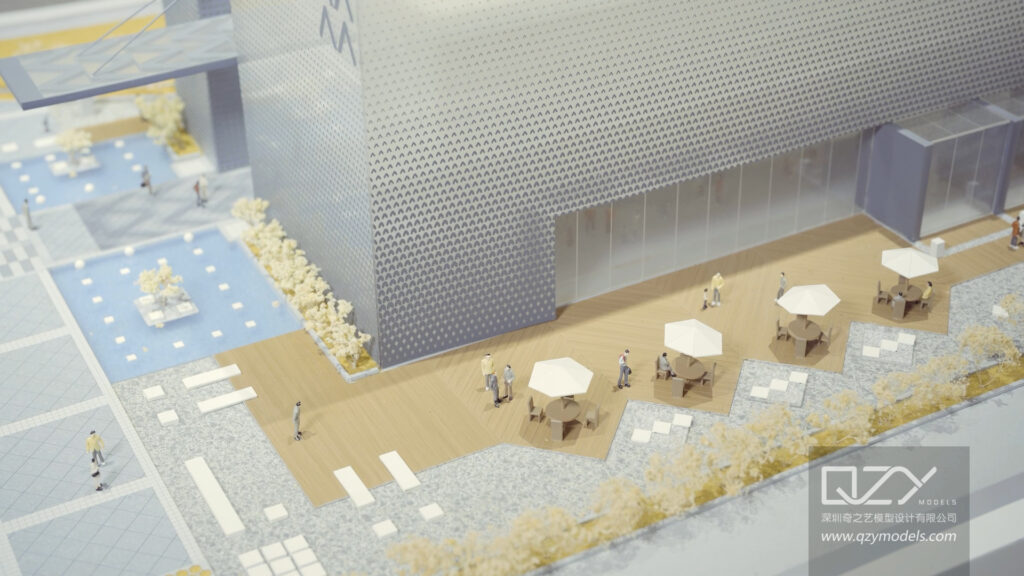
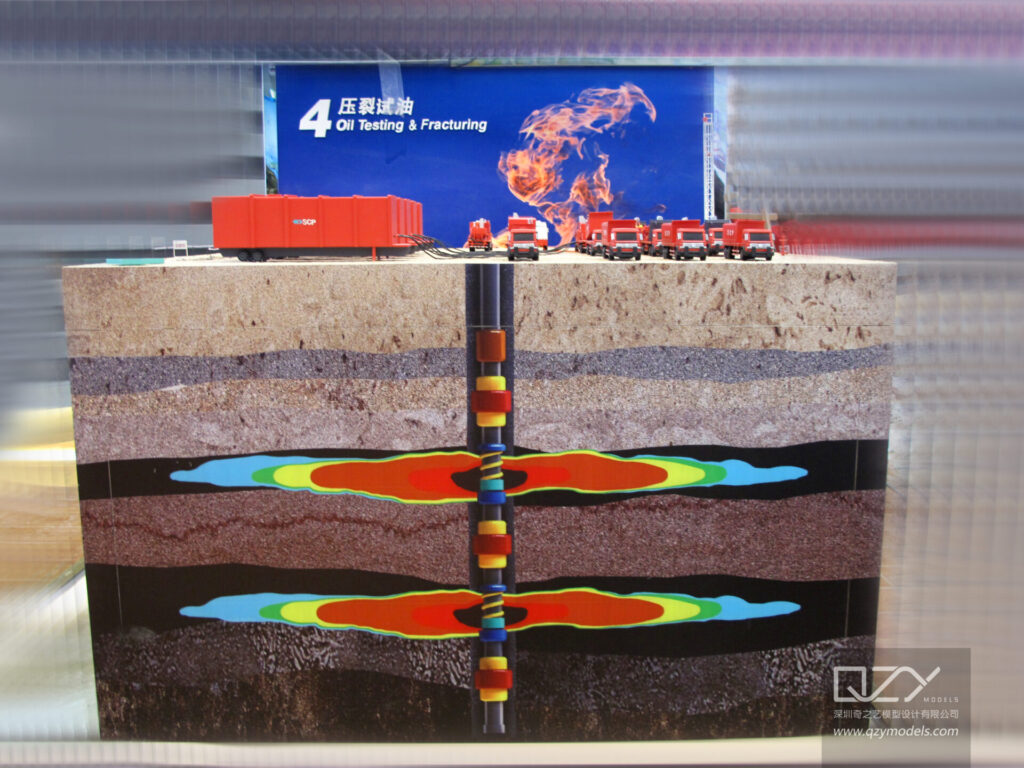
Models from Turkey are detailed architectural and industrial scale models crafted with expert skill, combining traditional craftsmanship and modern technology. These models are used worldwide for presentations, urban planning, and industrial prototyping, offering precise and visually impressive representations.
How Are Models from Turkey Defined and What Makes Them Unique?
Models from Turkey are physical scale models created by skilled artisans using both handcrafted techniques and advanced technologies. They are distinguished by their fusion of cultural heritage and technical precision, producing models that are not only accurate but also artistically vibrant. Turkish model makers blend Eastern and Western design influences, making their work uniquely appealing and suitable for diverse projects.
What Materials and Technologies Are Commonly Used in Models from Turkey?
Turkish model makers commonly use materials such as acrylic, wood, metal, foam, and resin. These are combined with technologies like CNC milling, laser cutting, and 3D printing to achieve high levels of detail and accuracy.
| Material | Benefits | Typical Usage |
|---|---|---|
| Acrylic | Transparency, durability | Building facades, windows |
| Wood | Warm aesthetics, easy shaping | Houses, interiors |
| Metal | Strength, precision | Structural models |
| Foam | Lightweight, quick prototyping | Early-stage concept models |
This combination of materials and technology enables Turkish firms, including QZY Models, to efficiently produce models ranging from simple prototypes to intricate architectural displays.
Which Industries Rely Most on Models from Turkey and Why?
Architectural firms, construction companies, urban planners, and industrial manufacturers heavily rely on models from Turkey. These sectors use physical models for design validation, client presentations, marketing, and project development.
Architects benefit from models to visualize complex designs and communicate ideas clearly. Urban planners use models to explore spatial layouts and zoning requirements, while industrial manufacturers rely on them for prototyping and factory layout optimization. QZY Models and similar companies tailor their services to meet these industry-specific needs.
Why Are Models from Turkey Increasingly Popular in the Global Market?
Models from Turkey are becoming more popular globally due to their competitive pricing, skilled craftsmanship, and strategic location bridging Europe and Asia. Turkish model makers offer fast production times and adaptability to international design trends.
Turkey’s geographical advantage lowers shipping costs and delivery times, making it a preferred choice for clients in neighboring regions. Companies like QZY Models leverage these benefits to provide customized, high-quality models that conform to global standards at attractive prices.
How Do Turkish Model Makers Ensure Precision and Quality in Their Models?
Turkish model makers combine precision machinery and skilled manual work to ensure high quality. They use CNC machines and laser cutters to reproduce designs exactly and implement multiple quality checkpoints during the production process.
Experienced artisans add finishing touches to enhance the model’s visual and structural accuracy. This combination of automated precision and craftsmanship guarantees that models meet exact specifications. QZY Models exemplifies this balance in every project they undertake.
When Should Clients Choose Models from Turkey Over Other Countries?
Choosing models from Turkey is ideal when clients seek a balance of affordability, quality, and fast delivery in the Eurasian region. Turkish makers excel in blending traditional artistry with modern techniques and provide culturally diverse design influences.
Clients based in Europe, the Middle East, or Asia also benefit from Turkey’s logistical advantages. Turkish companies, including QZY Models, have expanded their global presence to offer multilingual services and tailored support, making them a versatile choice over distant competitors.
Where Can Clients Find Reliable Model Makers in Turkey?
Reliable model-making companies are primarily located in Istanbul and Ankara. These cities host numerous studios with portfolios demonstrating international projects and client satisfaction.
QZY Models collaborates with Turkish partners in these hubs, helping clients access world-class craftsmanship and modern production capabilities. These trusted makers offer comprehensive services customized to meet the needs of architectural, industrial, and urban development sectors.
Are There Sustainability Practices in Model Making in Turkey?
Turkish model makers increasingly adopt sustainable materials and eco-friendly production practices. They use recycled acrylic, sustainably sourced wood, and water-based paints to reduce environmental impact.
Workshops emphasize energy-efficient machines and minimize waste by adopting digital prototyping and material optimization strategies. Leading firms like QZY Models integrate sustainability as a key part of their corporate mission and client offerings.
What Challenges Do Turkish Model Makers Face and How Are They Overcome?
Key challenges include modernizing traditional craftsmanship, sourcing quality materials, and maintaining competitive pricing. Turkish model makers address these by integrating advanced technologies like laser cutting and 3D printing, establishing robust supplier networks, and focusing on workforce skill development.
Continuous training and global partnerships, such as those maintained by QZY Models, help transfer best practices and expand market access, enabling sustained growth despite competitive pressures.
QZY Models Expert Views
“Turkey’s model-making industry perfectly blends rich heritage with modern innovation. At QZY Models, we appreciate the cultural nuances that enrich design, combined with a commitment to precision and technology. Turkey’s strategic location enables efficient service to clients worldwide. As demand for architectural and industrial models increases, Turkish makers keep elevating quality, customization, and sustainability standards. Our collaborations in Turkey highlight the country’s growing strength as a global modeling hub.”
— Richie Ren, Founder, QZY Models
Conclusion
Models from Turkey offer exceptional craftsmanship, innovative technology, and cost-effective solutions appealing to a global clientele. With skilled artisans, modern tools, and increasing focus on sustainability, Turkish model makers such as QZY Models set high industry standards. Whether for architecture, urban planning, or industrial prototyping, choosing Turkish models ensures precision, aesthetic quality, and reliable delivery. Partnering with experienced manufacturers in Turkey will maximize project success and client satisfaction.
FAQs
What Makes Turkey Architectural Scale Models Globally Competitive?
Turkey architectural scale models are competitive due to skilled craftsmanship, advanced fabrication technology, and cost-efficient production. Workshops integrate laser cutting, CNC machining, and 3D printing for precision. However, global developers often compare suppliers internationally. Firms like QZY Models stand out by combining international project experience with strict quality control and scalable production capacity.
How Are Architectural Models Manufactured in Turkey Step by Step?
The process begins with CAD drawing analysis, followed by material selection, laser cutting or 3D printing, manual assembly, detailing, lighting integration, and final inspection. Clear communication, defined scale, and production timeline are essential. Always request progress updates and prototype approval before full assembly to ensure expectations are met.
Which Materials Are Used in Turkish Architectural Model Production?
Common materials include acrylic sheets, ABS plastic, MDF boards, resin components, and integrated LED lighting systems. Material choice depends on scale, durability needs, and visual realism. For premium presentation models, request high-transparency acrylic and detailed landscape textures to enhance realism and long-term display quality.
How Do 3D Printing and Laser Cutting Improve Turkish Model Making?
3D printing enables complex façade details and intricate structures, while laser cutting ensures sharp edges and dimensional accuracy. Together, they reduce human error and accelerate production timelines. When selecting a workshop, confirm equipment capabilities and tolerance standards to guarantee precise scaling and structural consistency.
Where Can Developers Order Custom Architectural Models in Turkey?
Developers can commission custom models directly from professional workshops specializing in real estate presentation models. Define scale, lighting features, landscape detail, and delivery deadline upfront. Request a portfolio of similar projects and confirm export logistics. For international clients, experienced global teams like QZY Models offer reliable cross-border coordination.
How Much Do Architectural Models Cost in Turkey?
Costs depend on model size, scale ratio, level of detailing, material selection, and lighting complexity. Large masterplan models with full landscaping and illumination increase pricing significantly. Always request a detailed quotation breakdown and production schedule to balance budget and presentation impact effectively.
Why Do International Developers Choose Turkish Model Makers?
International developers value competitive pricing, technical capability, and export experience. Turkey serves Europe and the Middle East efficiently. However, supplier evaluation should include production capacity, communication clarity, and quality assurance standards to reduce project risks and ensure timely delivery.
How Is Quality Controlled in Turkish Architectural Model Workshops?
Quality control includes dimension verification, material inspection, lighting function testing, surface finishing checks, and secure packaging before shipment. Professional workshops conduct multi-stage inspections during assembly. Clients should request progress photos and final approval previews to confirm detailing accuracy before dispatch.