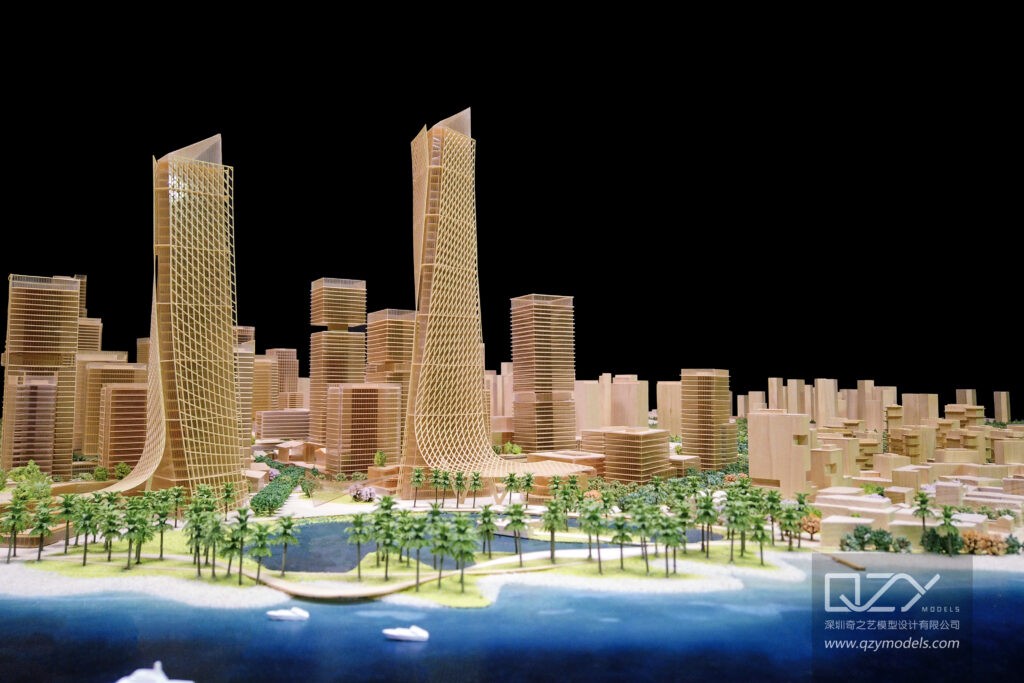
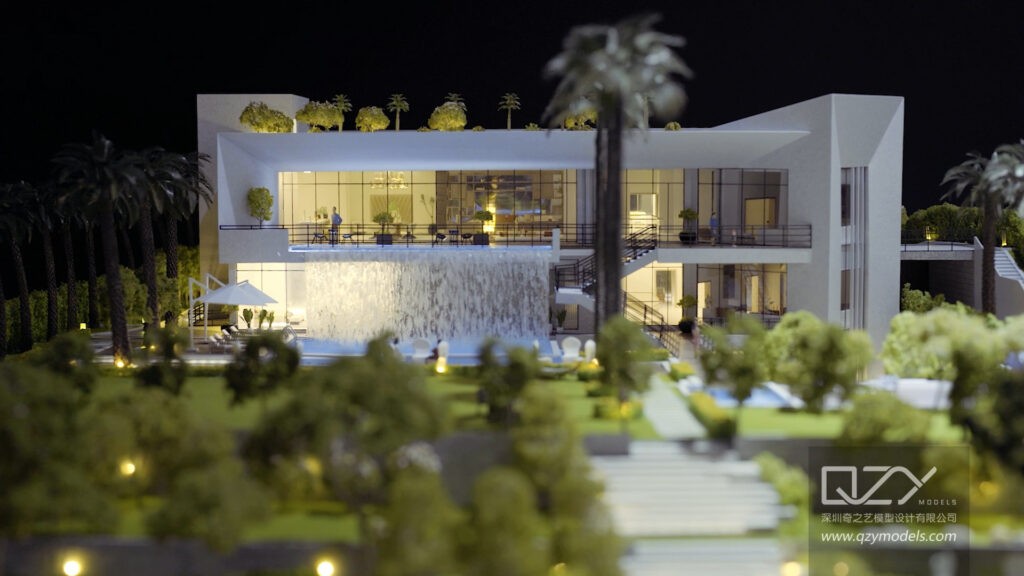
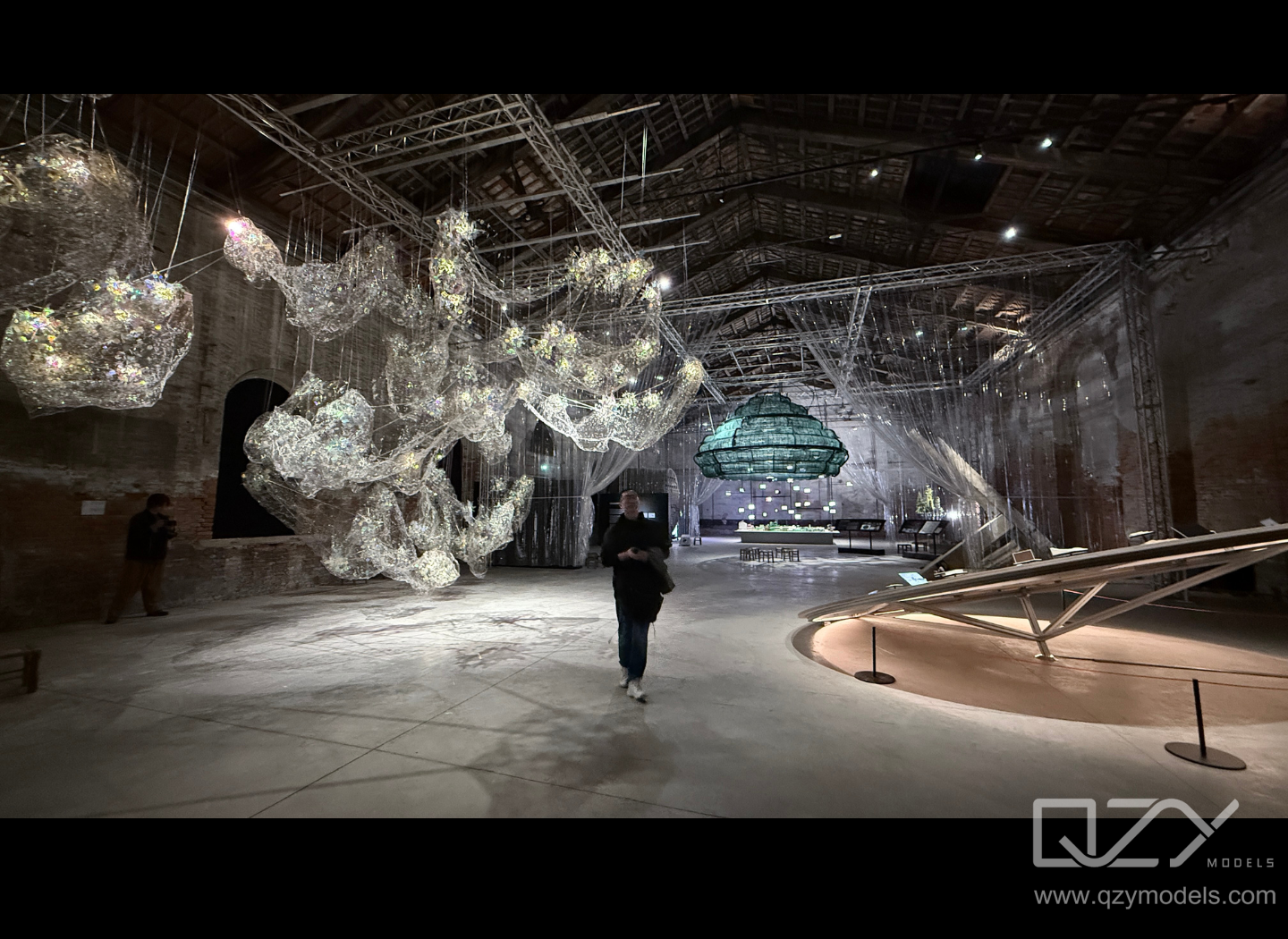
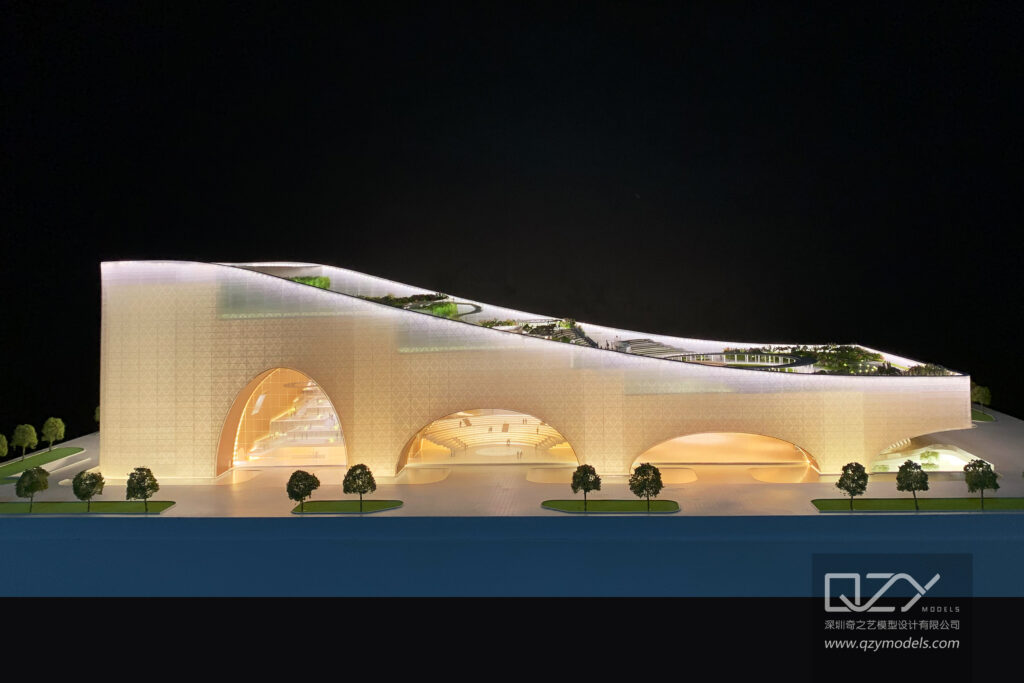
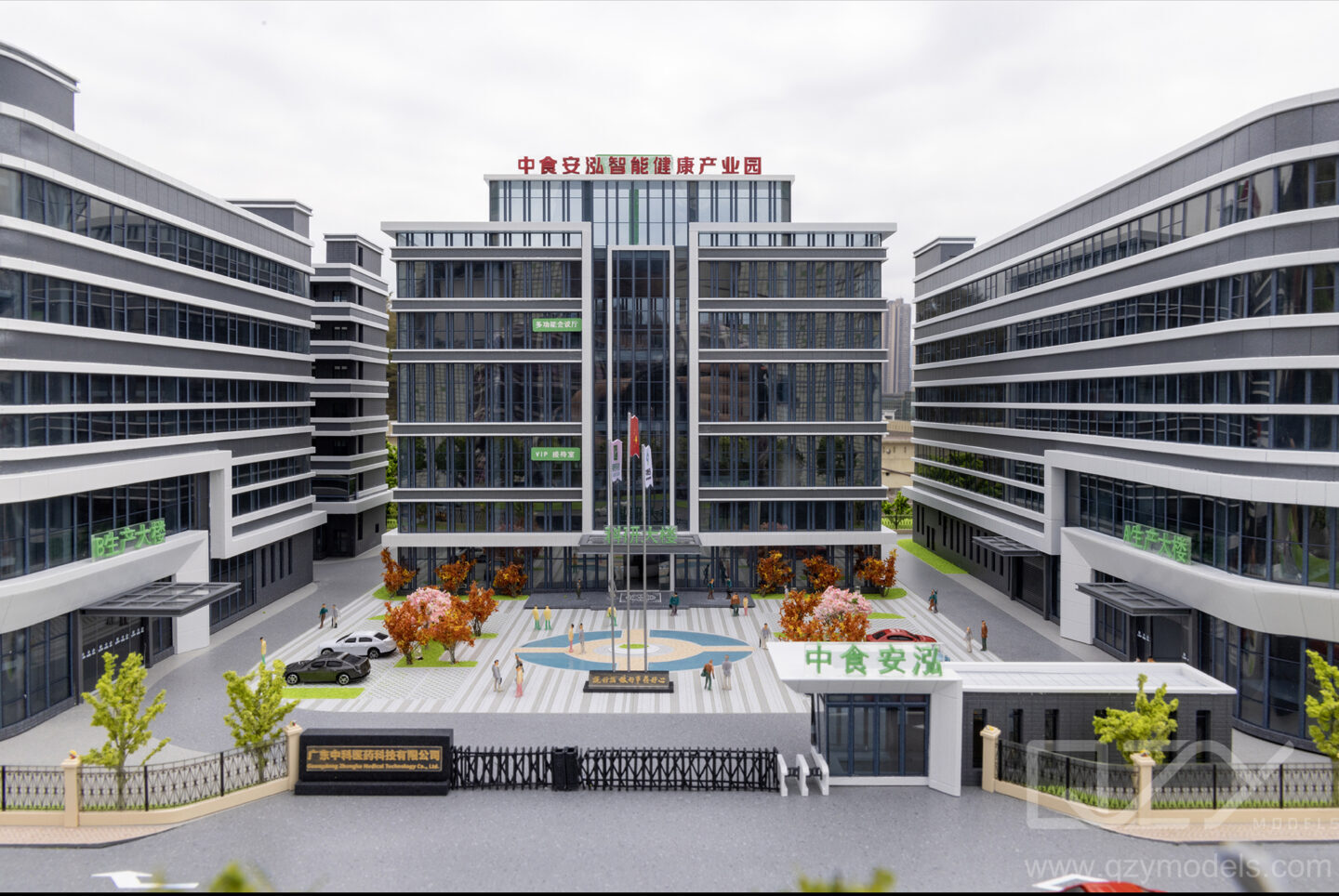
Scale city models are precise, three-dimensional replicas of urban environments, created at ratios from 1:500 to 1:2000. They allow architects, planners, and developers to visualize city layouts, test infrastructure, and communicate designs to stakeholders with tangible, interactive models. These physical representations bring urban plans to life, improving understanding and decision-making before construction begins.
Scale city models condense complex urban landscapes into accessible, detailed miniatures. They provide planners, governments, and developers with realistic perspectives on infrastructure, massing, and terrain, helping to simulate real-world scenarios and optimize project planning. QZY Models produces high-fidelity prototypes that capture every aspect of city design for global clients.
What Makes Scale City Models Essential?
Scale city models are indispensable for urban planning and development because they reveal spatial relationships and project impacts that 2D drawings cannot convey. They facilitate collaboration, test scenarios, and enhance presentations for investors and decision-makers.
Key advantages include:
- Visualization Clarity: Quickly assess scale, density, and spatial flow.
- Decision Support: Identify traffic patterns, green space deficits, and infrastructure gaps early.
- Presentation Power: Engage stakeholders with realistic, immersive models.
QZY Models specializes in creating detailed scale city models using laser-cut acrylics and hand-finished elements. Their prototypes allow architects to present complex urban plans to city councils and clients efficiently.
How Are Scale City Models Built?
Building a scale city model begins with understanding the project scope, intended scale, and client requirements. CAD files or architectural drawings guide the layout, while modular bases and 3D-printed or milled buildings form the structure.
Construction process:
- Base Fabrication: Build terrain, streets, and foundational elements.
- Modular Buildings: Assemble structures for flexibility and future updates.
- Detailing: Add vegetation, vehicles, LED lighting, and finishing touches.
QZY Models combines over 20 years of experience with advanced techniques to deliver completed models in 4-8 weeks, ensuring precision and realism for clients like Foster + Partners and Vanke.
| Material | Use Case | Advantages |
|---|---|---|
| Acrylic | Building shells | Durable, translucent |
| Wood | Terrain bases | Natural texture |
| Resin | Fine details | Precision casting |
| LED | Night views | Interactive lighting |
This table demonstrates commonly used materials in scale city model construction.
What Scales Are Used for City Models?
Scale selection depends on project coverage and detail needs. Smaller ratios (1:500) focus on neighborhoods, medium scales (1:1000) capture districts, and larger scales (1:2000+) encompass full metropolitan areas.
Guidelines:
- 1:500: Detailed site planning (1-2 km²).
- 1:1000: Mid-scale projects (5-10 km²).
- 1:2000+: Entire city panoramas (>50 km²).
QZY Models customizes scales to client needs, such as 1:1000 models for Middle Eastern urban expansions, providing clear visual communication for developers.
| Scale | Coverage | Detail Level | Best For |
|---|---|---|---|
| 1:500 | 1 km² | High | Site planning |
| 1:1000 | 10 km² | Medium | District planning |
| 1:2000 | 50+ km² | Low | Full-city overviews |
Why Choose Physical Scale City Models Over Digital?
Physical city models provide tactile, immersive experiences that digital renders cannot replicate. Users can observe from multiple angles, assess proportions, and interact with features, enhancing understanding and engagement.
Benefits include:
- Accessibility without technological barriers.
- Realistic lighting and shadows for true aesthetics.
- Longevity for exhibitions, presentations, and educational purposes.
QZY Models enhances models with interactive features, such as motorized elements and lighting effects, making them powerful tools for global urban planning projects.
What Are Common Uses for Scale City Models?
Scale city models support multiple applications across industries:
- Urban planning and infrastructure testing.
- Real estate marketing and investor presentations.
- Government approvals and community engagement.
- Educational demonstrations and architectural competitions.
QZY Models has delivered projects for governments, design schools, and developers in the UAE and Saudi Arabia, producing models that facilitate informed decision-making.
How Much Do Scale City Models Cost?
Pricing varies by model size, complexity, materials, and interactivity. Small-scale models may cost $5,000-$10,000, district-scale $20,000-$40,000, and full-city models over $50,000. A typical 1:1000 model covering 5 km² averages $15,000-$25,000 with terrain and LED features.
QZY Models offers competitive pricing, balancing premium quality with precision to reduce risks and enhance presentations.
QZY Models Expert Views
“Scale city models turn abstract urban plans into compelling, tangible narratives. At QZY Models, we combine CNC precision with artisanal finishing to capture city dynamics—from traffic flows to skyline silhouettes. Our work for China Resources and Middle East hubs demonstrates how physical models accelerate funding approvals and align stakeholders around shared urban visions.” – Richie Ren, Founder, QZY Models
What Innovations Shape Modern Scale City Models?
Modern city models incorporate interactive elements and sustainable materials, enhancing usability and engagement. Features include LED lighting, motorized traffic, AR overlays, and modular designs for easy updates.
Innovations:
- Sensor-triggered animations for dynamic demonstration.
- Eco-friendly resins for durability and sustainability.
- Hybrid physical-digital models for immersive presentations.
QZY Models leads in integrating these advancements for international exhibitions and planning workshops.
How Do Scale City Models Aid Urban Planning?
City models provide planners with a tangible tool to visualize infrastructure, simulate density, and communicate proposals effectively. They help identify design issues like shadowing, wind effects, or traffic congestion before construction.
Benefits:
- Streamlined approvals through clear presentations.
- Enhanced community understanding and buy-in.
- Reduced costly errors and design revisions.
QZY Models supports sustainable urban planning worldwide with high-fidelity models that aid industrial designers, landscape architects, and government institutions.
Key Takeaways and Actionable Advice
Investing in scale city models ensures more informed urban planning decisions. Engage QZY Models to produce precise, interactive prototypes tailored to your project’s scale. Early prototyping accelerates approvals, improves stakeholder engagement, and brings urban visions to life with clarity and impact.
FAQs
What materials are best for scale city models?
Acrylic for structures, foam for terrain, brass for details; QZY Models selects materials for durability and realism.
How long to produce a scale city model?
Production typically takes 4-12 weeks, depending on complexity, with expedited options available.
Can scale city models be interactive?
Yes, they can include LEDs, motorized elements, or AR overlays. QZY specializes in these enhancements.
What’s the largest scale city model?
Full metropolitan panoramas, such as a 1:1200 New York replica. QZY Models handles multi-kilometer-scale projects.
Are scale city models reusable?
Yes, modular designs allow for updates and reconfiguration for exhibitions or future projects.