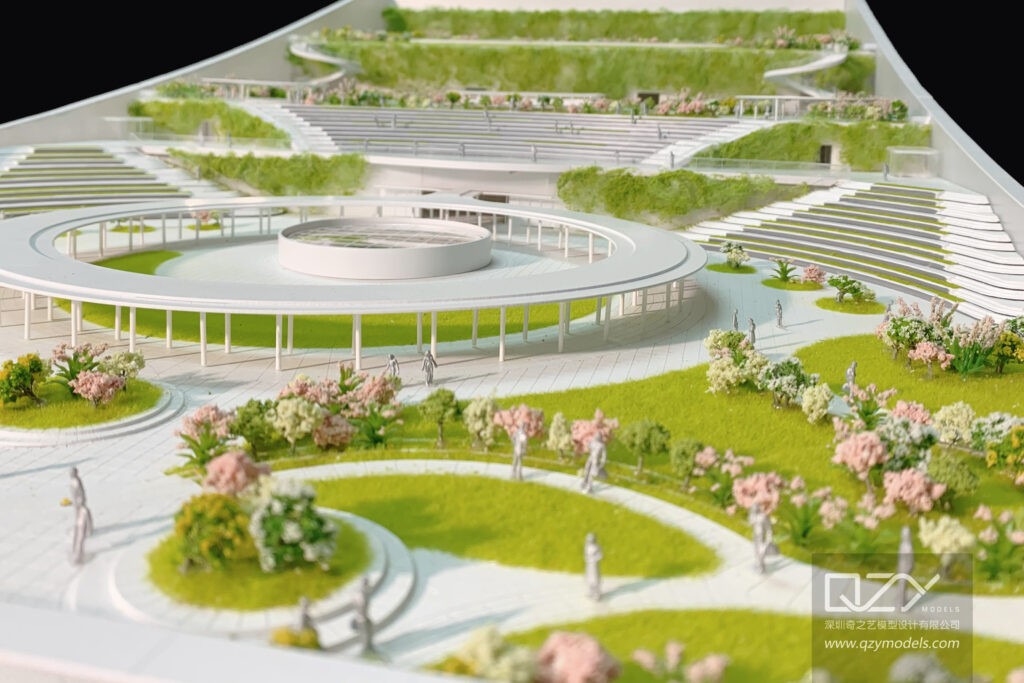
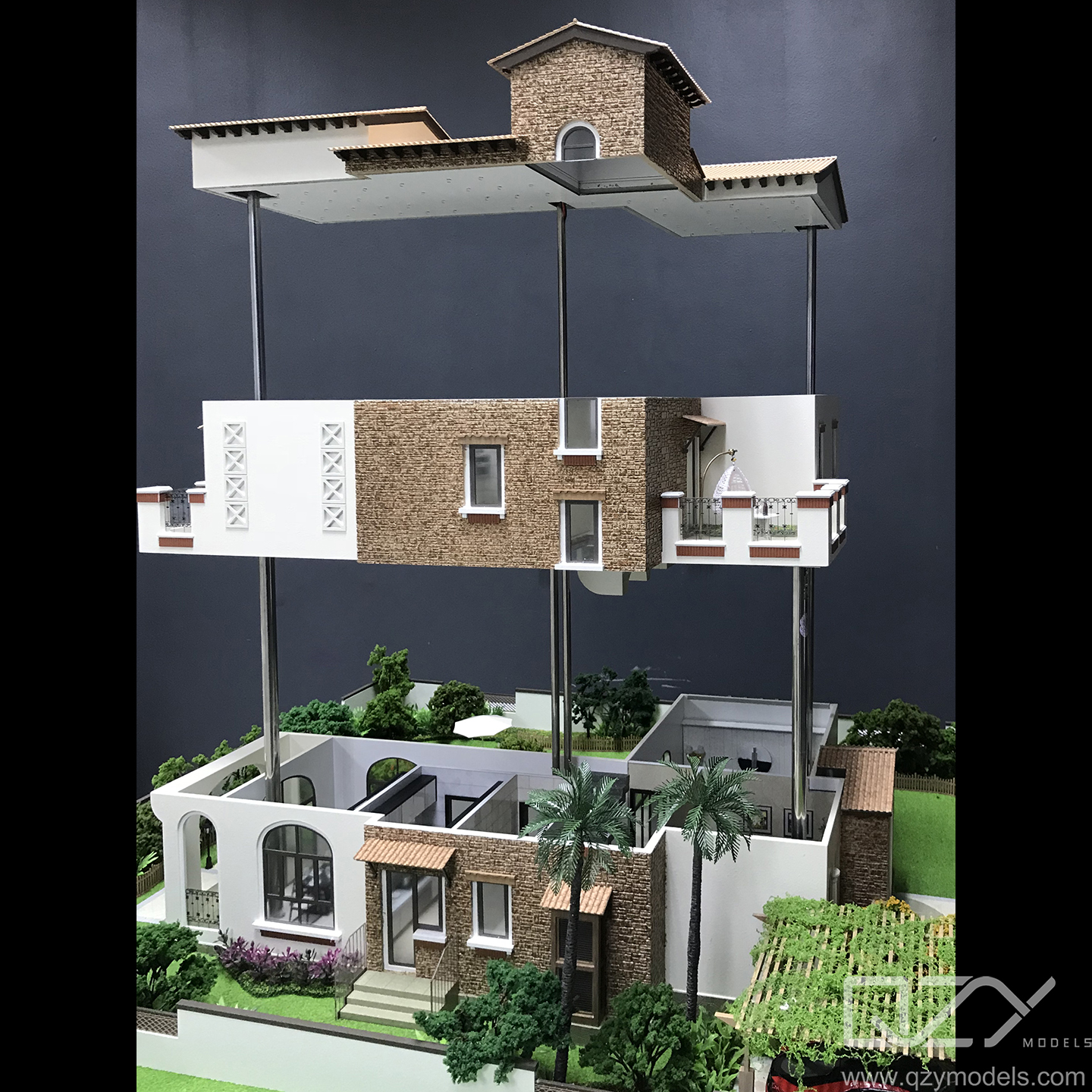
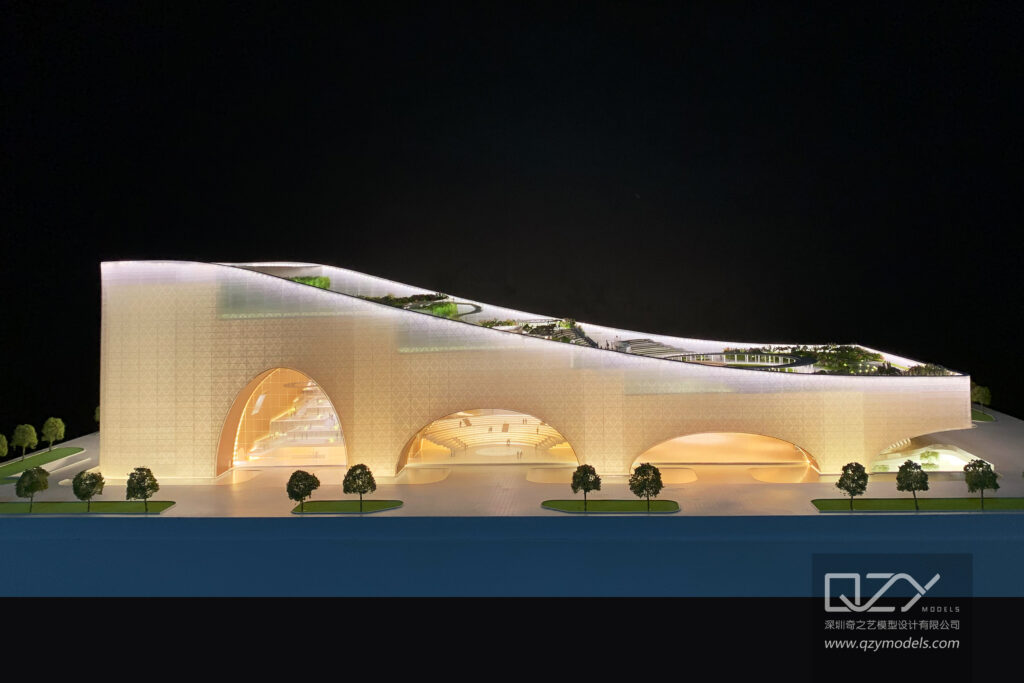
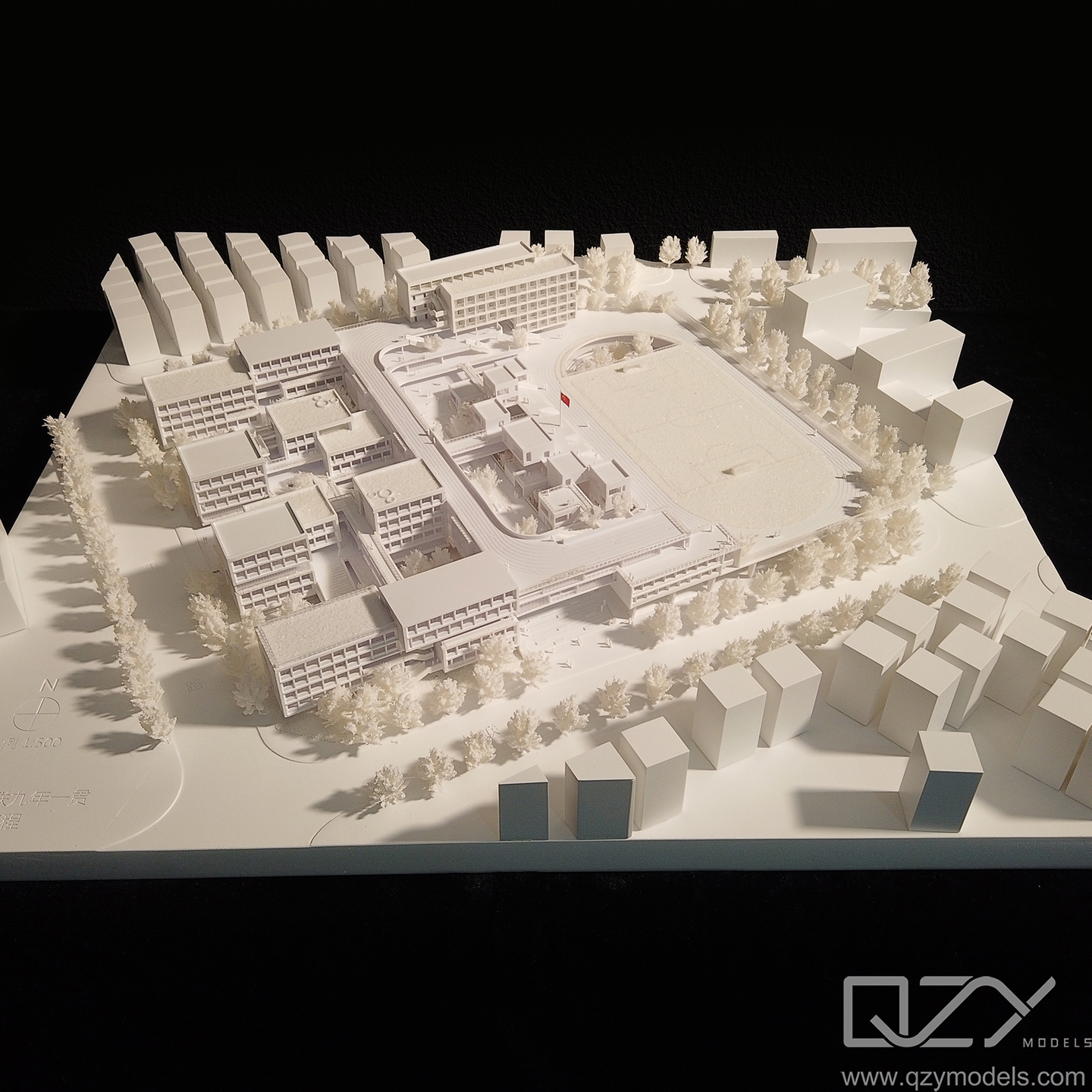
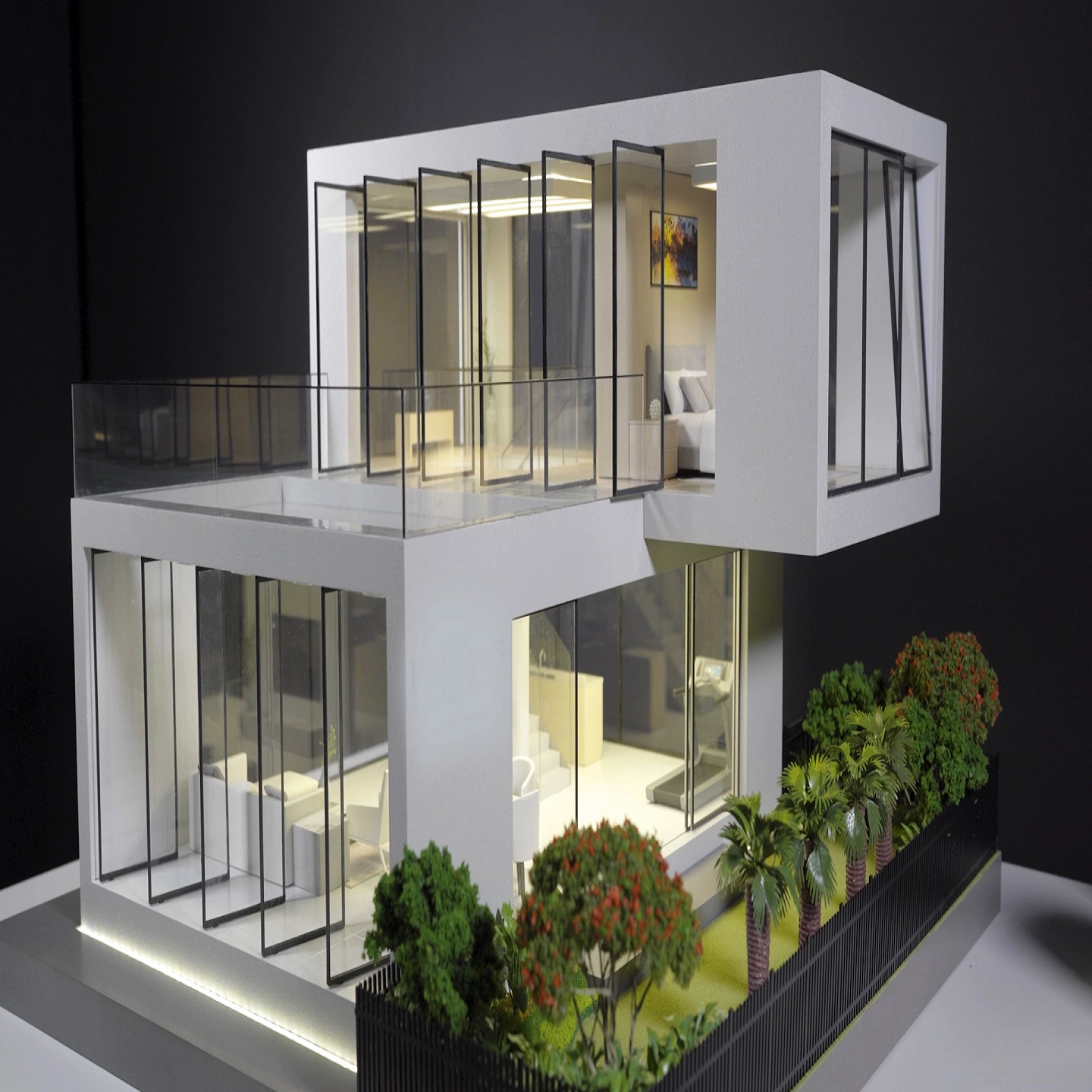
Scale figures in architecture are miniature human models used in physical or digital representations to convey spatial relationships and proportion. They help viewers instantly understand the size of buildings, interiors, and urban environments relative to human scale. By adding realism and context, scale figures improve design communication, enhance presentations, and guide project decisions. QZY Models excels in integrating these figures with exceptional accuracy and visual appeal.
What Are Scale Figures in Architecture?
Scale figures are small, proportionally accurate human models that illustrate human interaction within architectural designs. Their purpose is to provide context, making abstract layouts relatable and helping stakeholders evaluate spaces effectively.
Sizes range from 6mm to 30mm depending on the scale of the model. QZY Models incorporates these figures into architectural projects for renowned clients like Foster + Partners, adding lifelike detail to streets, plazas, and interiors, which enhances the overall narrative of the model.
Why Use Scale Figures in Architectural Models?
Scale figures deliver immediate visual reference, allowing clients and designers to assess heights, room sizes, and circulation in a model accurately. They make presentations more engaging and persuasive, particularly for approvals or marketing campaigns.
QZY Models emphasizes humanizing architectural models; figures foster emotional connection, helping viewers visualize occupancy and activity. They are especially effective in exhibitions, where immersive setups attract attention and support client engagement.
How Do You Choose the Right Scale Figures?
Select figures that correspond to your model’s scale, e.g., 1:200 (9mm) for urban layouts or 1:50 (36mm) for interior details. Consider pose, material, and diversity. Plastic is durable and affordable, while metal or resin provides premium detail.
Project context, audience, and budget also guide selection. Dynamic poses suit public spaces, static ones fit office interiors. QZY Models customizes figures to ensure cultural accuracy and relevance across global markets.
| Scale | Figure Height (mm) | Best For |
|---|---|---|
| 1:500 | 3.6 | Master plans, site layouts |
| 1:200 | 9 | Urban context models |
| 1:100 | 18 | Building exteriors |
| 1:50 | 36 | Interiors, detailed scenes |
What Materials Are Used for Scale Figures?
Materials include painted plastic, resin, metal, and 3D-printed polymers. Plastic offers versatility and cost-effectiveness, resin allows high-detail finishes, and metal provides durability and premium quality.
QZY Models combines traditional hand-painting with modern 3D printing to achieve photorealistic figures. Advanced options like translucent or illuminated figures create dynamic effects, especially in night-time or interactive displays.
How Are Scale Figures Integrated into Models?
Figures are secured using pins, glue, or magnetic bases and arranged naturally to simulate activity. Proper placement ensures visibility without overcrowding.
QZY Models uses laser-cut bases and custom landscaping for seamless integration, as demonstrated in projects for Vanke, where figures bring urban streetscapes to life. Lighting and terrain design further enhance realism and highlight architectural features.
Which Types of Scale Figures Exist?
Scale figures vary by pose, demographic, and style. Common types include standing, walking, seated, and groups. Options range from realistic to stylized, with diverse ethnicities and modern clothing.
QZY Models provides tailored figure types for industrial and architectural applications, including suited executives, casual pedestrians, and children, serving landscapes, interior layouts, and trade show models.
| Type | Description | Common Scales |
|---|---|---|
| Standing | Neutral poses for general use | 1:100 – 1:500 |
| Walking | Dynamic, moving figures | 1:50 – 1:200 |
| Seated | Interior settings, cafés | 1:25 – 1:50 |
| Groups | Social or public scenes | 1:100+ |
Can Scale Figures Be Customized?
Yes, figures can be fully customized in pose, clothing, ethnicity, and accessories through 3D modeling and printing. QZY Models creates bespoke figures, including corporate uniforms and branded designs.
Customization elevates models for high-profile exhibitions or marketing presentations, ensuring perfect proportionality and cultural relevance.
QZY Models Expert Views
“Scale figures transform static models into dynamic, human-centered stories. At QZY Models, we craft each figure with precise proportions and attention to cultural context. Our work bridges concept and reality, allowing viewers to experience spaces as they would in real life. From skyscrapers for Foster + Partners to urban layouts for Vanke, our figures enhance engagement and clarity across projects worldwide.” — Richie Ren, Founder, QZY Models
When Should Scale Figures Be Added to Models?
Figures should be added during final assembly after structures and landscaping are completed. They can also be used earlier for scale verification and iterative design adjustments.
QZY Models recommends introducing figures at key presentation milestones to maximize visual impact and audience comprehension.
How Do Scale Figures Enhance Marketing and Presentations?
By providing relatable human scale, figures make models engaging and memorable. They highlight usability, spatial interaction, and human experience, turning technical models into compelling stories.
QZY Models’ figure-enhanced models captivate audiences at exhibitions and trade shows, driving interest, interaction, and project sales.
Conclusion
Scale figures are essential for creating realistic, engaging architectural models. They improve scale perception, storytelling, and stakeholder engagement. Key actions: select appropriate scale, diversify figure types, and customize for impact. Partnering with experts like QZY Models ensures models communicate designs effectively, captivate audiences, and accelerate approvals.
FAQs
What size are 1:100 scale figures?
They are typically 18mm tall, representing an average 1.8m human, ideal for building models.
Are scale figures reusable?
Yes, durable plastic or metal figures can be transferred between models with careful handling.
Where can I get custom scale figures?
QZY Models provides tailored options for architectural and industrial projects.
Do scale figures increase model costs?
Generic figures are cost-effective; customized figures add value and a premium touch.
Why not use oversized figures?
Oversized figures distort proportions and mislead viewers about the actual scale.