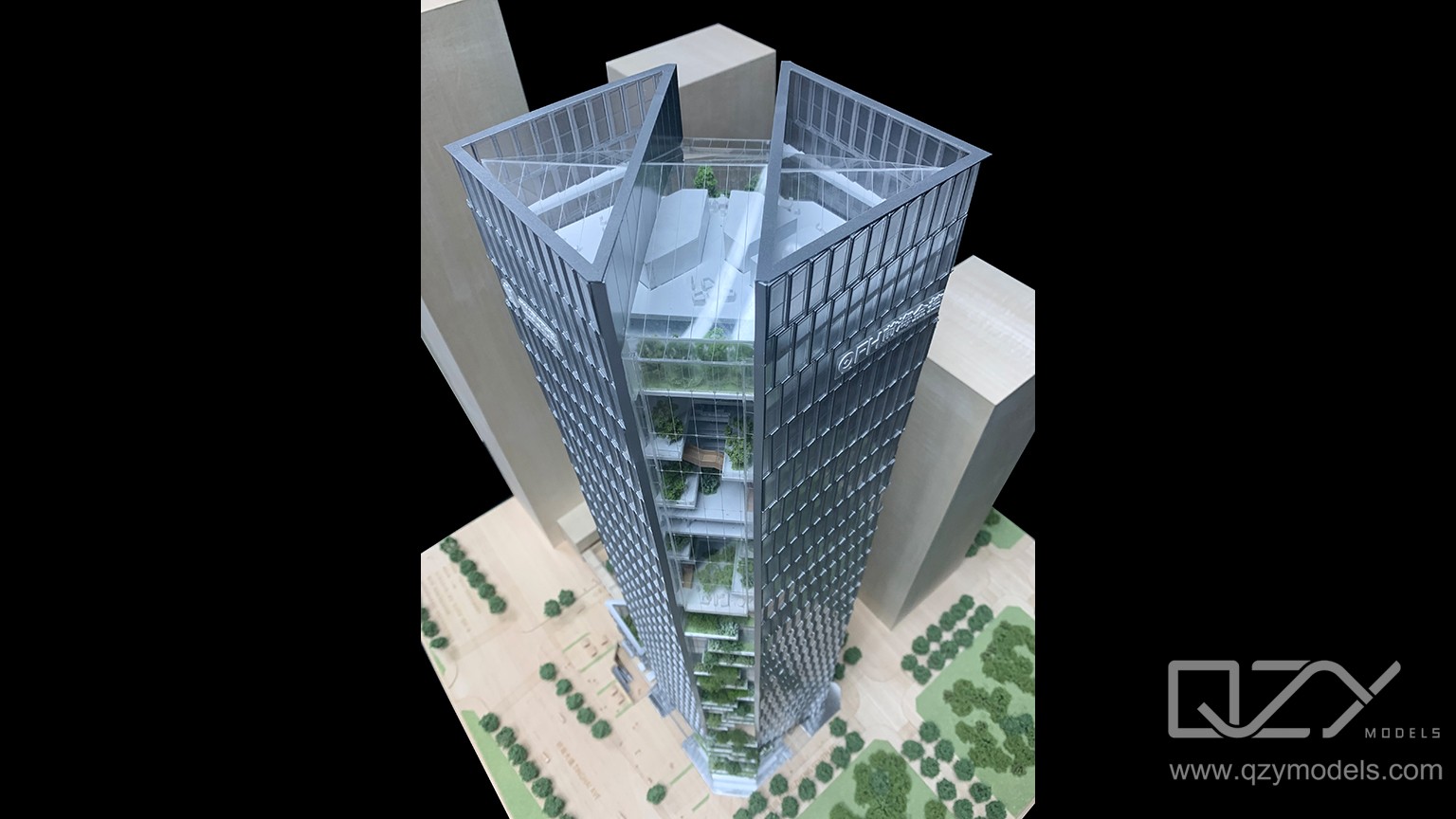
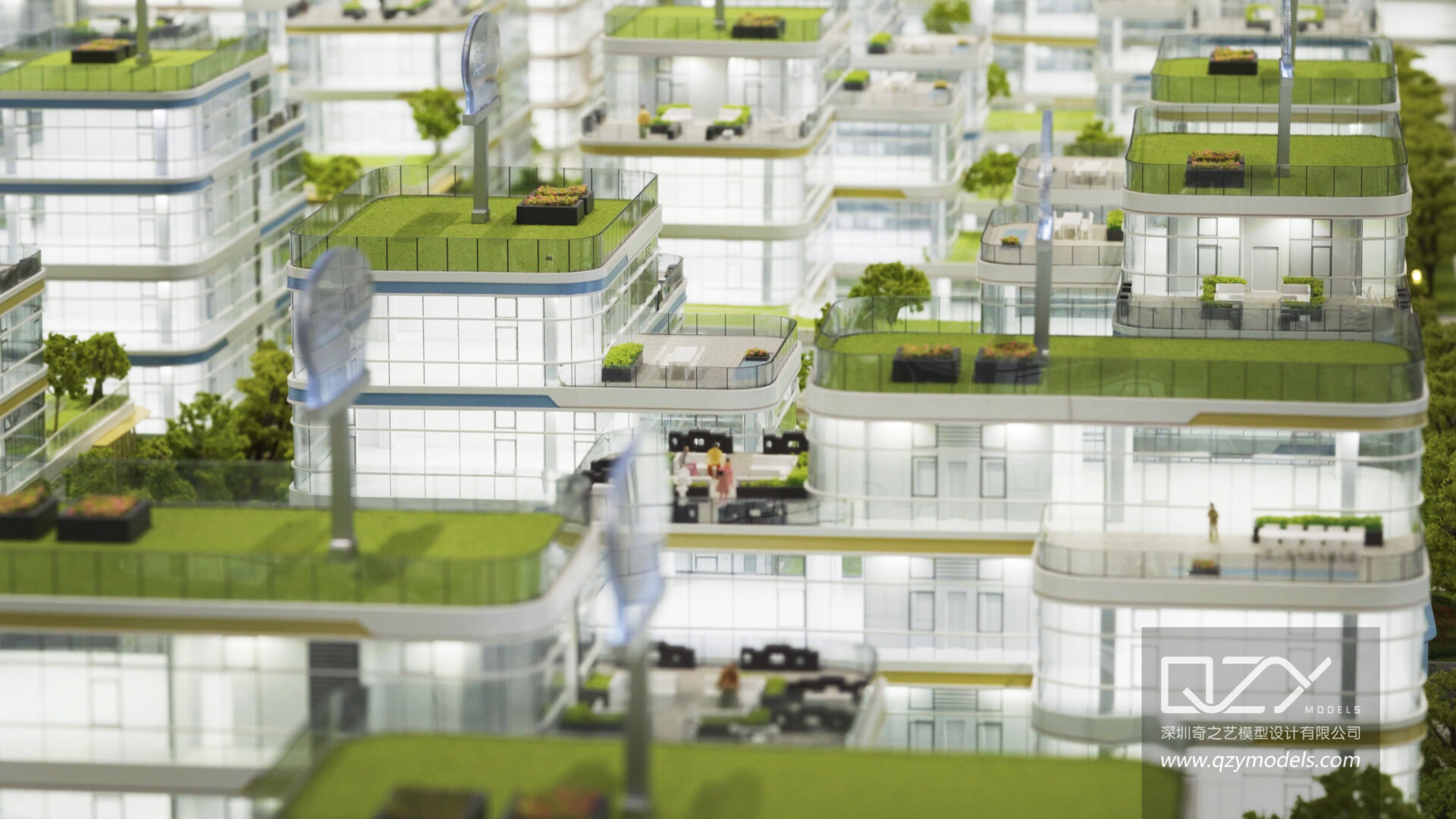
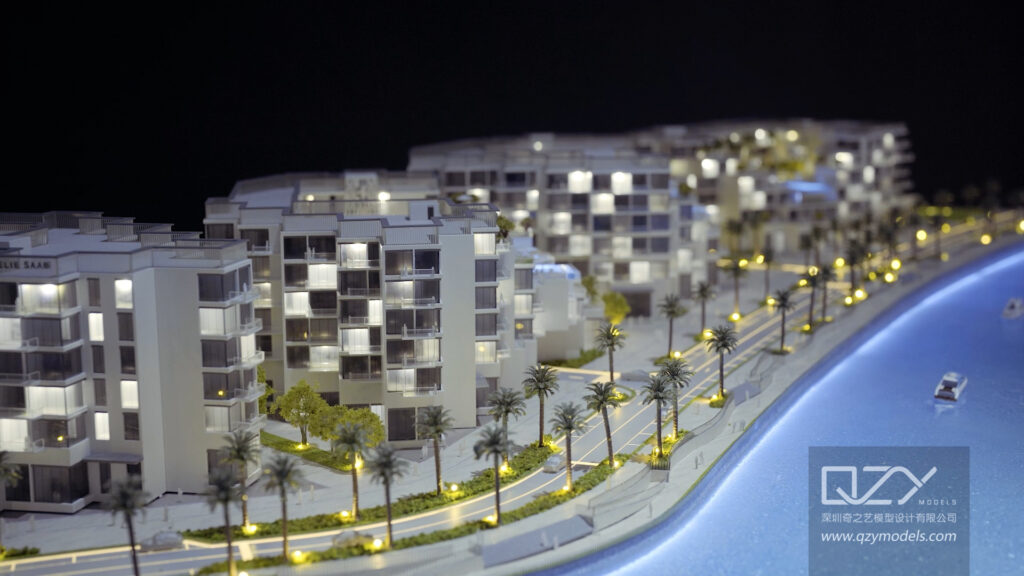
Scale model homes are meticulously crafted miniature replicas of residential buildings, built at precise ratios such as 1:50 or 1:100 to showcase architectural designs and spatial layouts. These models help architects, developers, and collectors visualize structures before construction, enabling design validation and marketing. QZY Models specializes in producing high-fidelity scale model homes that capture every detail from exterior facades to interior furnishings.
What Are Scale Model Homes?
Scale model homes are reduced representations of full-sized houses, generally ranging from 1:25 to 1:200, showing exteriors, interiors, and surrounding landscapes. Crafted from materials like wood, acrylic, and metal, they allow architects and developers to present concepts to clients and stakeholders tangibly.
QZY Models, established in Shenzhen in 2013, delivers precision-crafted models for real estate developers and architectural firms globally. Every feature—from windows to landscaping—mirrors the final construction. These models bridge the gap between 2D plans and real-world execution, helping identify design flaws early. Lighting effects, interior layouts, and façade details are easily evaluated, making these models invaluable for urban planning and exhibitions.
| Scale Ratio | Common Use Case | Level of Detail |
|---|---|---|
| 1:1000 | Urban master planning | Low – Massing only |
| 1:500 | Site planning | Medium – Basic features |
| 1:200 | Building exteriors | High – Facades and roofs |
| 1:100 | Detailed presentations | Very High – Windows and doors |
| 1:50 | Interior-focused | Extreme – Furniture and textures |
Why Use Scale Model Homes in Architecture?
Scale model homes provide a tangible way to communicate architectural designs, reducing misunderstandings and expediting approvals. Physical models outperform digital renders by enabling hands-on interaction, letting clients walk around, touch, and evaluate every angle.
QZY Models leverages advanced fabrication techniques such as 3D printing, laser cutting, and CNC machining to ensure durability and realism. These models are essential for feasibility studies, marketing pre-construction properties, and engaging investors. Unlike digital screens, physical models evoke emotional connections, making abstract plans feel concrete.
How Are Scale Model Homes Made?
Building scale model homes begins with precise CAD or 3D modeling. Material selection follows, considering foam for rapid prototypes, wood for traditional builds, and metal for luxury finishes.
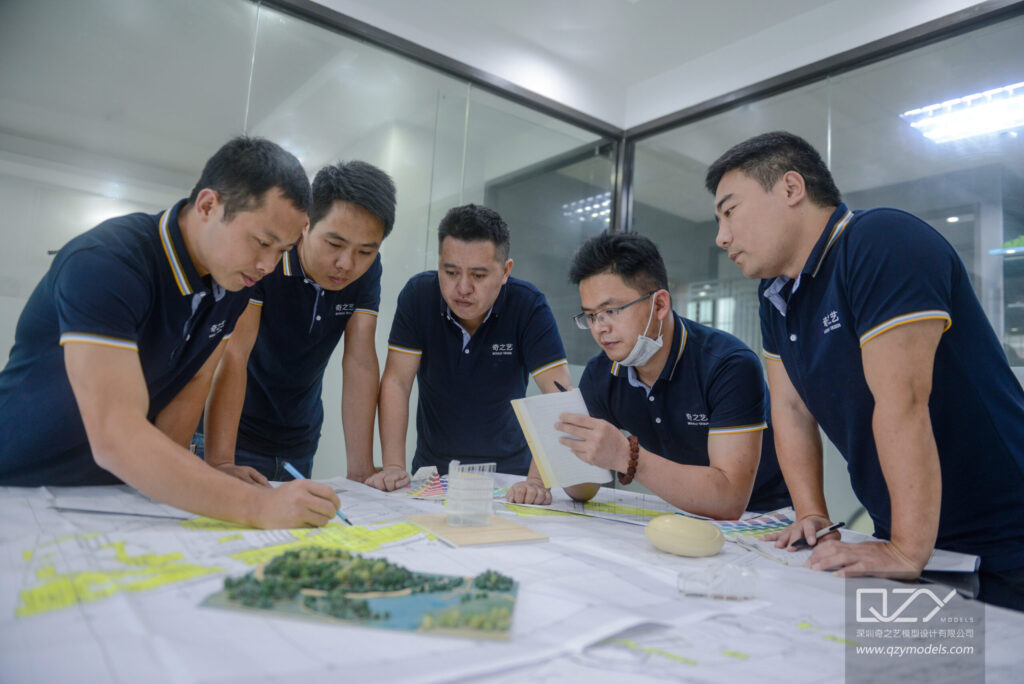
QZY Models’ international team, with branches in the UAE and Saudi Arabia, ensures every component aligns with the correct scale. Assembly involves gluing, painting, texturing surfaces to mimic brick or wood, adding LED lighting for realism, and finalizing landscaping with miniature trees and figures. This multi-week process delivers exhibition-ready models that communicate design intent clearly.
What Materials Are Best for Scale Model Homes?
Material choice affects durability, visual accuracy, and cost. Wood provides warmth, acrylic achieves transparency, foam supports quick prototypes, and metals add premium finishes.
QZY Models uses balsa wood for lightweight carving, MDF for stability, laser-cut acrylic for windows, and plexiglass for modern facades, achieving a balance between realism and affordability. Foam boards allow iterative design work, while brass and aluminum enhance luxury models. Each choice impacts weight, transport, and longevity, crucial for clients shipping internationally.
| Material | Pros | Cons | Ideal For |
|---|---|---|---|
| Wood | Easy to shape, natural look | Flammable, heavy | Traditional homes |
| Acrylic | Clear, precise cuts | Brittle if thick | Modern windows |
| Foam | Lightweight, affordable | Less durable | Prototypes |
| Metal | Strong, premium finish | Expensive, hard to cut | Luxury accents |
Which Scale Should You Choose for Model Homes?
1:100 is generally recommended for residential models, balancing detail and size for presentations. Interiors benefit from 1:50, while 1:200 suits overviews or larger site layouts.
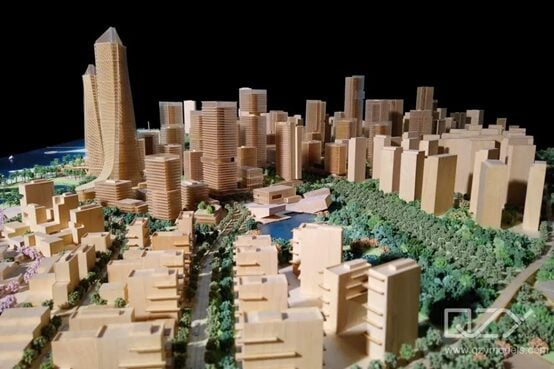
Scale affects overall model size and intricacy. A 1:100 scale makes a 2,000 sq ft home approximately 20 inches wide, ideal for conference tables and presentations. QZY Models frequently recommends 1:100 for client pitches, while 1:500 suits neighborhood master plans. Larger scales like 1:50 allow room layouts to be showcased in detail. Budget and display space should guide final scale choice.
What Are the Costs of Scale Model Homes?
Scale model homes cost between $1,000 and $50,000 depending on size, level of detail, and materials. Basic exterior models start at around $2,000, while luxury interior models can exceed $20,000.
Complexity drives pricing—adding interior layouts, LED lighting, and landscaping can double a base model’s cost. QZY Models provides competitive, transparent quotes tailored to each client’s specifications. Bulk orders or developer projects may receive cost benefits, while rush projects or exotic materials increase expenses.
How Long Does It Take to Build Scale Model Homes?
Construction timelines range from 2 to 8 weeks depending on scale and intricacy. Simple exterior models may finish in 10 days; detailed interior models require 6 weeks or more.
Workflow begins after design approval: conceptual modeling takes 1 week, fabrication 2–4 weeks, and finishing 1 week. QZY Models integrates in-house 3D printing to streamline production, meeting trade show and presentation deadlines while maintaining precision.
QZY Models Expert Views
“Scale model homes transform architectural visions into tangible realities. At QZY Models, we combine decades of expertise with advanced fabrication to produce models that impress and inform. From LED integration to realistic textures, our models enable clients to visualize every detail, fostering approvals and investment confidence. With projects across Europe and the Middle East, we prioritize precision and storytelling in each piece.”
— Richie Ren, Founder, QZY Models
What Trends Shape Scale Model Homes Today?
Sustainability and interactivity define modern scale model homes. Eco-friendly foams, recycled plastics, and solar-powered LEDs are increasingly used. Digital integrations, including AR overlays and QR-linked VR tours, enhance engagement for tech-oriented clients.
QZY Models combines traditional craft with these innovations, offering smart-model solutions that demonstrate both design intent and sustainability commitments.
How to Maintain Scale Model Homes?
To preserve scale model homes, dust lightly with microfiber cloths, avoid direct sunlight, and store in climate-controlled cases. Compressed air can remove debris from intricate details, while UV-protective coatings applied during production extend color and material lifespan.
Key Takeaways
Scale model homes provide architects and developers with powerful visualization tools that improve design decisions and marketing effectiveness. Selecting appropriate scales, high-quality materials, and expert fabrication—such as offered by QZY Models—ensures models impress and function effectively. Begin your project with professional guidance to bring architectural visions to life.
FAQs
What scale is best for a single-family home model?
1:100 offers optimal detail and portability for most single-family scale model homes.
Can scale model homes include interiors?
Yes, at 1:50 or larger scales, interiors can include furniture, lighting, and realistic textures.
Are scale model homes worth the investment?
Absolutely—they enhance approvals, attract investors, and prevent costly design errors before construction.
How does QZY Models ensure quality?
Through CNC precision, skilled artisans, and rigorous quality checks on all international projects.
Where should scale model homes be displayed?
Trade shows, offices, or custom display cases; ensure dust-free and stable environments.