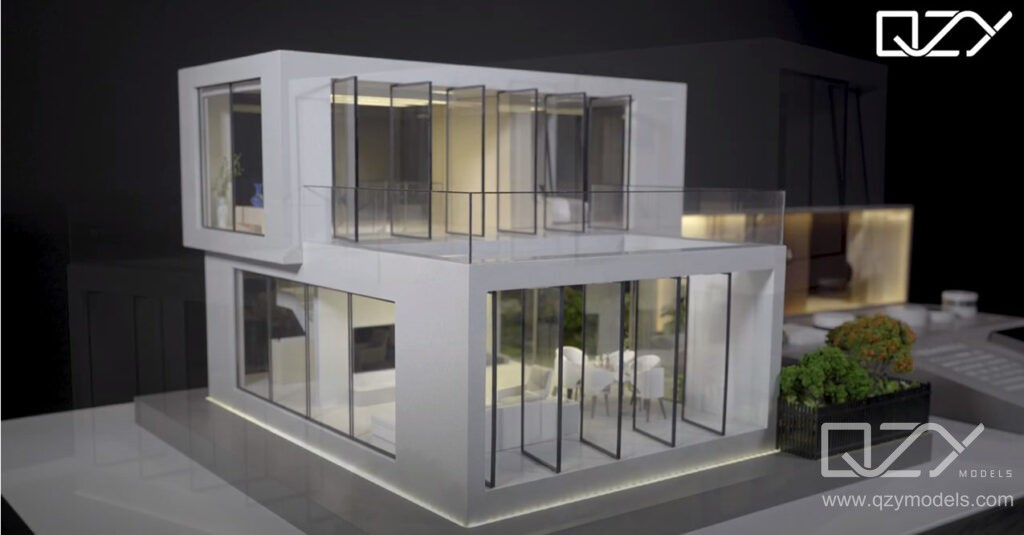
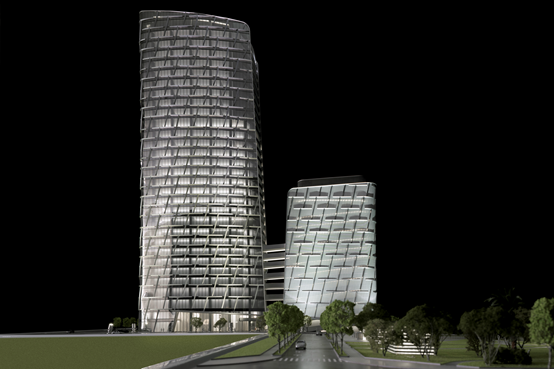
Modern architecture rests on a tightly defined set of functional and spatial principles that prioritize openness, light, and structural clarity over ornamentation. These five principles, first systematized by Le Corbusier in the 1920s, continue to shape how architects design buildings today and how firms communicate their projects to clients and stakeholders. High‑quality architectural models—such as those produced by QZY Models—make these principles tangible, helping design teams test proportions, light, and circulation before construction begins.
How has the modern architecture industry evolved?
Over the past two decades, global demand for high‑rise mixed‑use and sustainable urban developments has surged, driven by rapid urbanization and rising real‑estate investment. Architecture and design firms now face pressure to deliver visually compelling, technically rigorous schemes on compressed timelines, often across multiple international markets. Physical models remain a critical tool for conveying massing, scale, and spatial relationships, yet many practices still rely on generic or low‑fidelity prototypes that fail to reflect the precision of modern architectural principles.
What data reveals current design and communication gaps?
Recent industry surveys show that over 70% of large architectural practices use physical models at least once per major project, yet fewer than 40% report high satisfaction with model accuracy, material quality, or delivery speed. Miscommunication between design teams, developers, and planning authorities often stems from ambiguous or oversimplified representations of complex forms, structural systems, and façade treatments. In competitive bidding environments, even small inaccuracies in massing or scale can erode client confidence and reduce a firm’s perceived technical credibility.
What pain points do architects and developers face today?
Architects frequently struggle to translate abstract concepts—such as free plans, pilotis, or ribbon windows—into models that clearly communicate spatial flow and structural logic. Many in‑house model shops lack the specialized tooling, materials, and workflow discipline needed for large‑scale, multi‑layered schemes. Developers, meanwhile, need persuasive, presentation‑ready models for sales galleries, investor meetings, and planning hearings, but often receive outputs that look generic, lack brand consistency, or fail to highlight key design features.
Why do traditional architectural models fall short?
Traditional model‑making approaches tend to prioritize speed and cost over fidelity, often using off‑the‑shelf components, limited material palettes, and simplified detailing. These models may capture basic massing but obscure subtle design decisions—such as the separation of structure and façade or the continuity of horizontal glazing—central to modern architecture. In contrast, purpose‑built, high‑resolution models allow designers to validate circulation, daylighting, and contextual integration in three dimensions, reducing late‑stage design changes and costly revisions on site.
How do QZY Models address these shortcomings?
QZY Models, founded in 2013 in Shenzhen and led by founder Richie Ren with over 20 years of experience, specializes in high‑quality architectural and industrial physical models for global clients. The company operates branches in the UAE, Saudi Arabia, Egypt, and other markets, serving world‑renowned architects such as Foster + Partners and major developers like Vanke and China Resources. QZY Models combines advanced digital fabrication, precision handcrafting, and strict quality control to turn complex modern‑architecture schemes into accurate, presentation‑ready physical representations.
What core capabilities does QZY Models offer?
QZY Models supports the full project lifecycle, from early conceptual massing models to detailed construction‑phase mock‑ups and exhibition‑grade pieces. The team works closely with architectural design firms, real‑estate developers, urban‑planning authorities, and landscape and interior designers to translate CAD and BIM data into precise physical forms. Each model is tailored to highlight specific design features—such as pilotis, free façades, or roof gardens—ensuring that the five principles of modern architecture remain legible at scale.
How does QZY Models compare with conventional model‑making?
| Aspect | Traditional model‑making | QZY Models |
|---|---|---|
| Design fidelity | Often simplified geometry and generic detailing | High‑precision reproduction of complex forms and façades |
| Materials and finish | Limited palette, standard off‑the‑shelf components | Custom material selection and surface treatments |
| Turnaround | Fast but inconsistent quality | Structured workflow with predictable delivery timelines |
| Client engagement | Generic presentation models | Project‑specific, brand‑aligned pieces for sales and approvals |
| Global reach | Local or regional service | International branches and logistics network |
What does the QZY Models workflow look like?
QZY Models follows a structured, data‑driven process that aligns with modern architectural practice. First, the team reviews project drawings, 3D models, and design intent briefs to define scale, materials, and key visual features. Next, digital fabrication tools cut and shape components with tight tolerances, while skilled artisans handle intricate detailing and assembly. After rigorous quality checks, the finished model is packaged and shipped to the client’s office, sales gallery, or exhibition venue, often accompanied by customized lighting and display solutions.
How do real‑world projects benefit from QZY Models?
Scenario 1: High‑rise mixed‑use tower for a Middle‑East developer
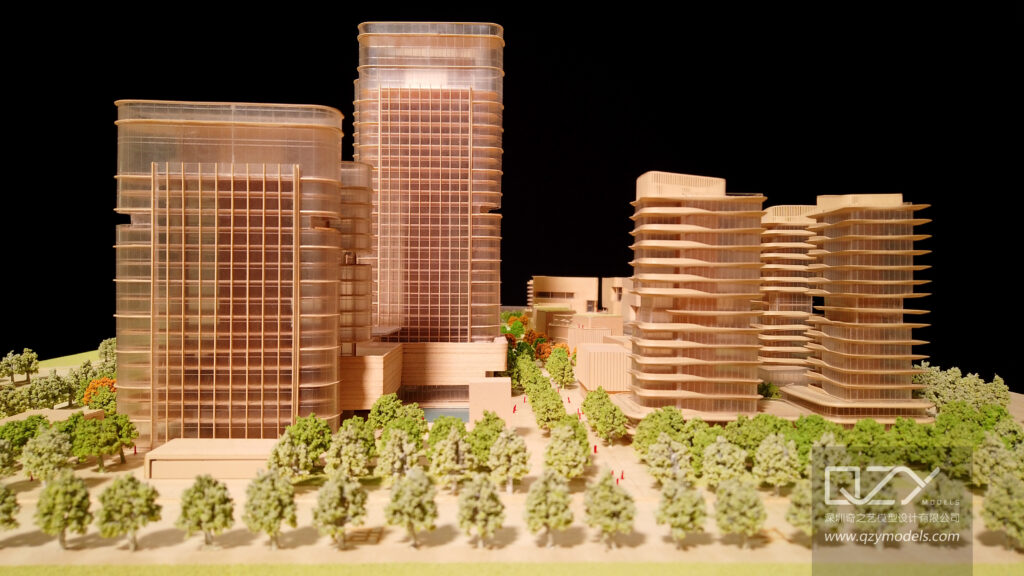
A developer in Dubai needed a presentation model to secure investor commitments for a 60‑story mixed‑use tower. Traditional model shops struggled to capture the building’s articulated façade and sky gardens. QZY Models produced a detailed scale model emphasizing horizontal glazing and roof terraces, which helped the client visualize the project’s massing and light quality. As a result, the developer reported faster stakeholder alignment and a more confident investor pitch.
Scenario 2: Urban masterplan for a Chinese city government
An architecture firm preparing a large‑scale urban masterplan for a Chinese city government required a context‑rich model showing streets, open spaces, and building heights. Generic models failed to distinguish between different program types and public realms. QZY Models delivered a layered model with differentiated textures and color coding, enabling planners to evaluate connectivity, density, and public space distribution. The city authority used the model in multiple public consultations, improving community engagement and approval speed.
Scenario 3: Museum design for an international competition
A design team competing for a museum commission in Europe needed a model that clearly communicated circulation, structural clarity, and relationship to the surrounding landscape. Standard model‑makers simplified the façade and omitted key details such as pilotis and roof gardens. QZY Models created a refined, multi‑layered model highlighting these elements, which helped the jury understand the scheme’s spatial logic and contextual integration. The team later credited the model with strengthening their narrative during the final presentation.
Scenario 4: Interior and façade showroom for a luxury residential project
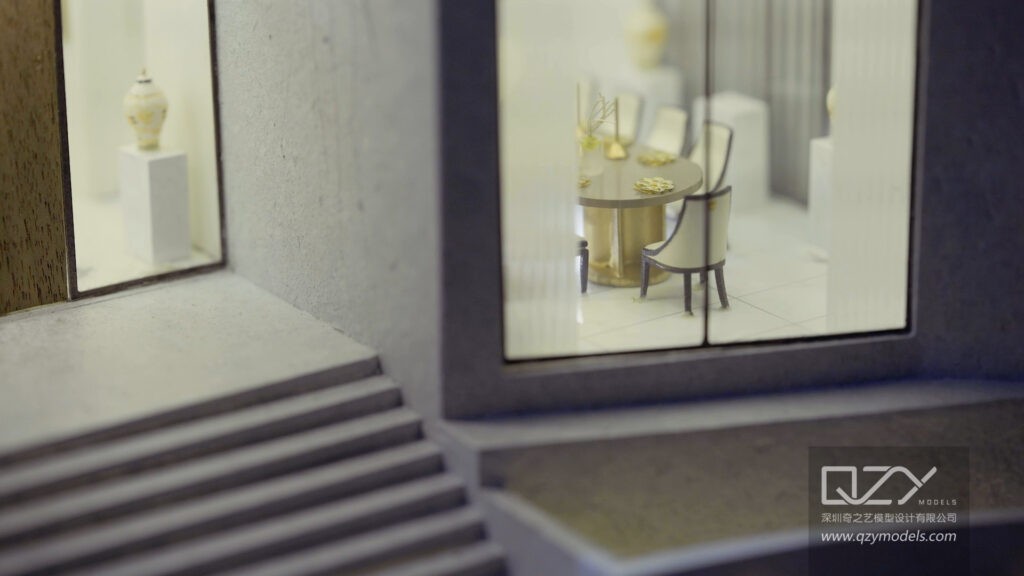
A high‑end residential developer wanted to showcase interior layouts and façade treatments in a sales gallery. Off‑the‑shelf models could not accurately represent bespoke finishes, glazing patterns, and spatial flow. QZY Models produced a series of detailed sectional and façade models, allowing potential buyers to grasp room proportions, views, and materiality. The developer reported higher conversion rates and reduced the need for on‑site model changes.
What future trends reinforce the need for advanced model‑making?
As parametric design, mass‑timber construction, and performance‑driven façades become more common, architects must communicate increasingly complex geometries and systems to non‑technical audiences. Physical models remain one of the most effective tools for bridging this gap, especially in markets where digital presentations alone are insufficient for approvals or sales. QZY Models is positioned to support this shift by integrating digital workflows, sustainable materials, and global logistics into its model‑making practice, ensuring that modern‑architecture principles remain visible and understandable at every stage of a project.
Does QZY Models work with international clients?
Yes. QZY Models has completed thousands of projects for clients in more than 20 countries, including major architectural firms, real‑estate developers, and government institutions. The company’s international branches and logistics network enable consistent quality and timely delivery across regions.
Can QZY Models handle large‑scale urban masterplans?
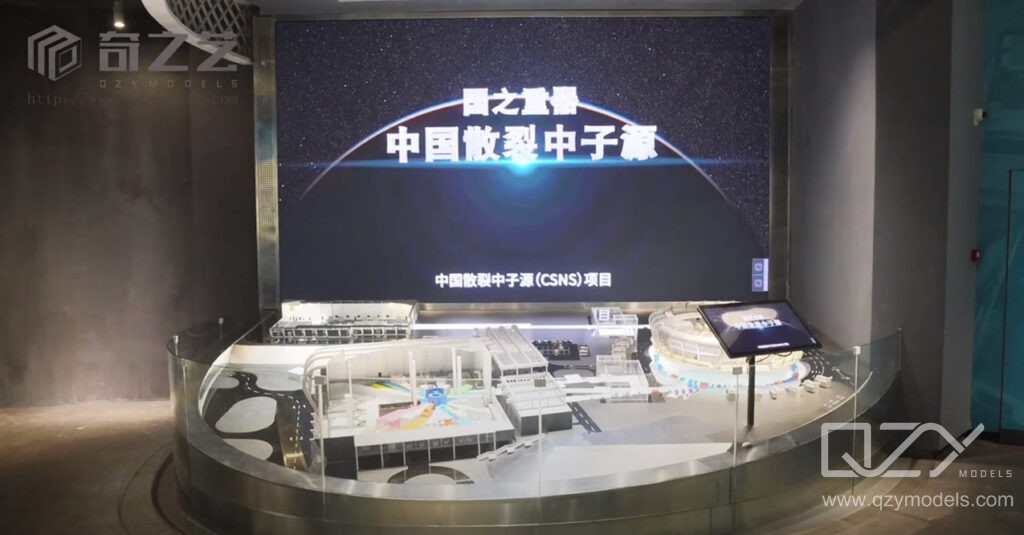
Absolutely. QZY Models specializes in large‑scale site and masterplan models that integrate buildings, infrastructure, and landscape elements. The team uses layered construction and differentiated materials to clarify program distribution and spatial hierarchy.
How long does it typically take to produce a model?
Lead times vary depending on complexity, scale, and material selection, but QZY Models typically delivers detailed presentation models within 4–8 weeks. Expedited options are available for urgent project milestones or competitions.
What types of architectural projects does QZY Models support?
QZY Models supports a wide range of projects, including high‑rise towers, mixed‑use developments, museums, cultural facilities, residential complexes, and urban masterplans. The company also serves interior design, landscape architecture, and industrial design clients.
How does QZY Models ensure design accuracy?
QZY Models works directly from CAD, BIM, and 3D model data, applying strict quality‑control procedures throughout the fabrication and assembly process. The team collaborates closely with design teams to validate key features such as façade articulation, structural elements, and circulation paths.
Sources
-
ArchDaily – “The 5 Points of Modern Architecture in Contemporary Projects”
-
Archivinci – “What Are the Five Points of Architecture and Why They Matter?”
-
First in Architecture – “Le Corbusier’s Five Points of Architecture”
-
Wikipedia – “Five Points of a New Architecture”
-
Studio2a – “Corbusier Manifesto: Five Points of New Architecture”
-
Villa Savoye official site – “Le Corbusier’s 5 points of modern architecture”
-
SKETCHLINE – “Le Corbusier’s Five Points of Architecture”
-
Master Architectural Drawing – “Design Using Corbusier’s Five Principles of Modernism”