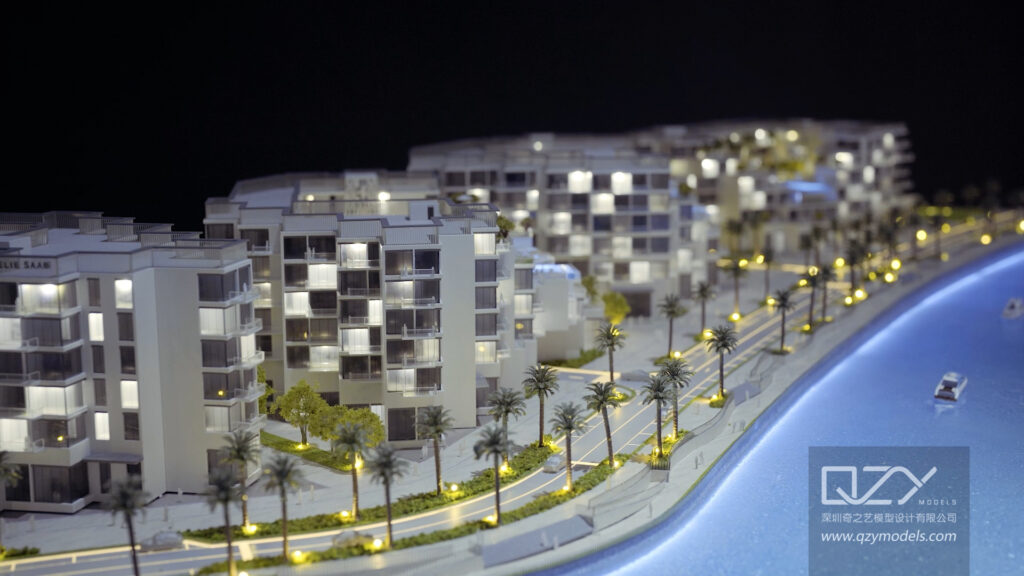
Architectural models in Miami provide a tangible, detailed visualization of designs, essential for developers, architects, and investors. These models enhance communication, marketing, and project accuracy, bridging the gap between concept and reality effectively.
What are architectural scale models?
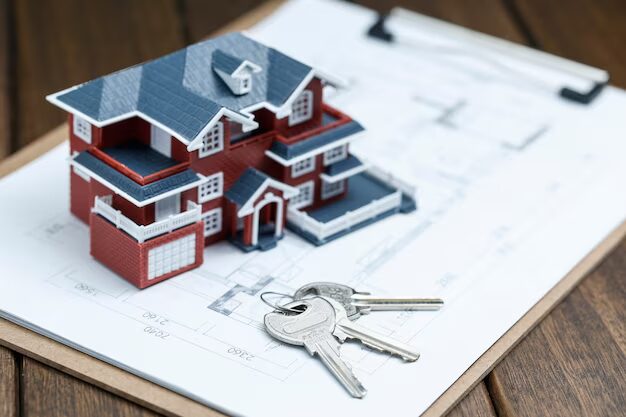
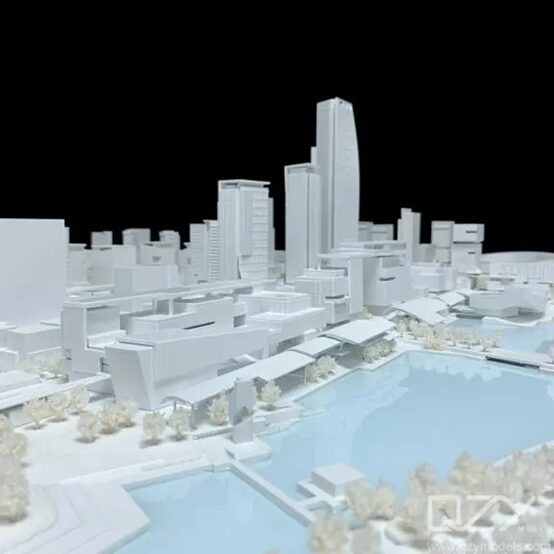
Architectural scale models are miniature, precise physical representations of buildings or urban areas. They help visualize design concepts in three dimensions, showing proportions, spatial relationships, and aesthetics clearly. These models support decision-making by architects, developers, and stakeholders during planning and presentations.
Architectural scale models translate blueprints into tangible forms, often crafted to scale with detailed textures and landscaping. They serve as crucial tools in project development, providing an immersive experience of the final construction concept for better communication and marketing.
How are architectural models made?
Architectural models are made using a combination of traditional craftsmanship and modern technologies like 3D CAD modeling, laser cutting, and stereo lithography. The process begins with detailed design data, followed by precise cutting, assembly, painting, and finishing to create realistic miniatures.
Typically, expert model makers combine hand-fabrication with automated techniques to achieve high accuracy and detail. This ensures models deliver a clear visual impact regarding form, materials, and lighting, tailored to client specifications and project requirements.
Why are architectural models important for developers and architects?
Architectural models are vital because they provide an interactive, visual tool for communicating design intent, securing investor confidence, and facilitating client approvals. They help identify design issues early and improve marketing efforts with compelling, realistic presentations.
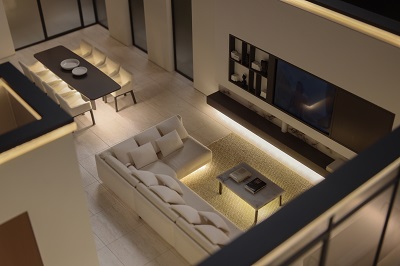
For developers and architects, models reduce risks by allowing stakeholders to ‘walk through’ and understand projects before construction. This hands-on experience influences design decisions and promotes transparency, ultimately ensuring smoother project delivery.
Which materials and technologies are used in architectural modeling?
Materials commonly used include acrylics, plastics, wood, styrene, laminates, and high-density resin, chosen for their versatility and ease of manipulation. Technologies integrated involve 3D printing, laser cutting, CNC milling, and digital rendering to enhance precision and realistic finishes.
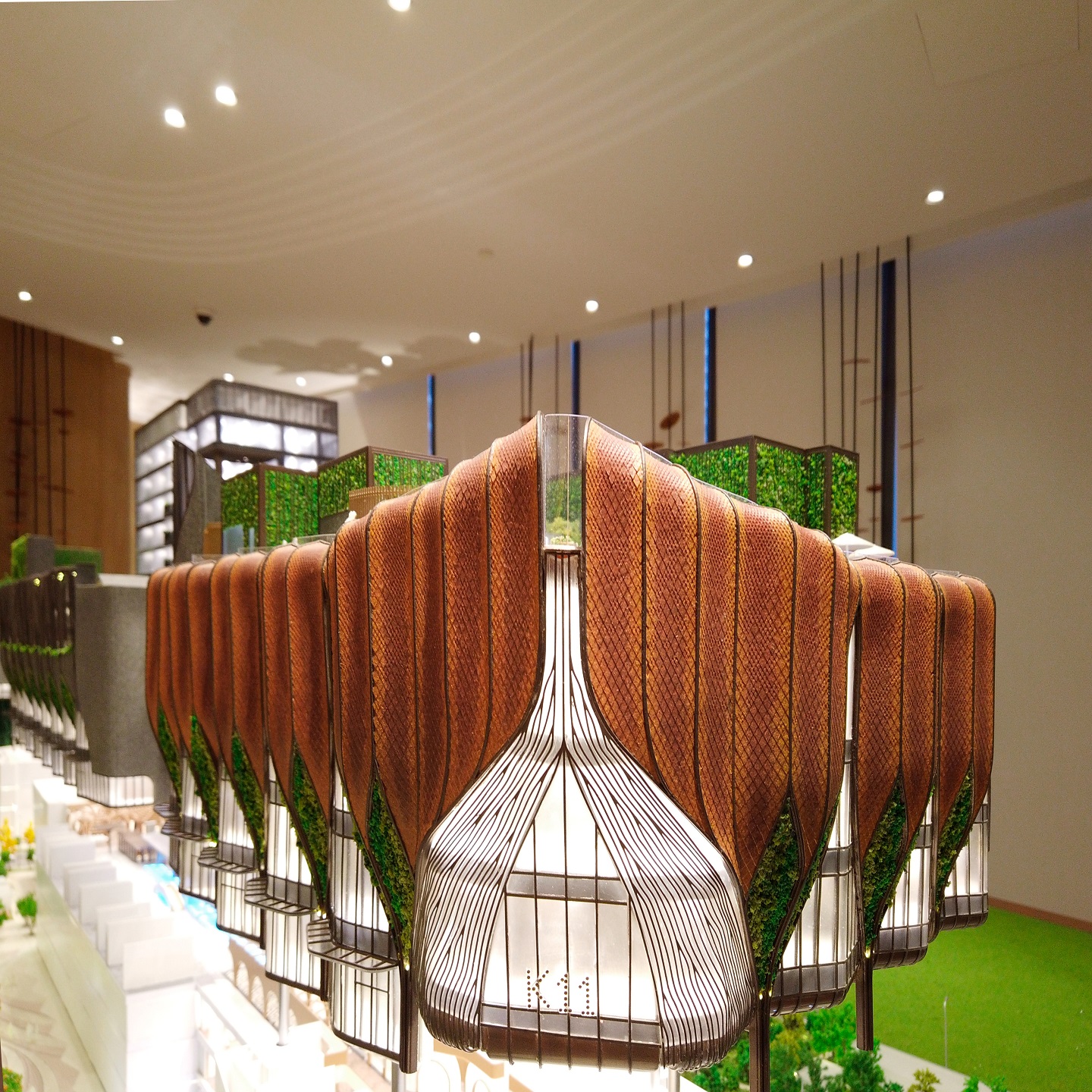
Innovations such as LED lighting, water effects, and interactive components bring models to life, showcasing spatial and environmental factors clearly. Advanced software and hardware tools streamline production efficiency, meeting tight deadlines with outstanding quality.
| Material Type | Properties | Common Uses |
|---|---|---|
| Acrylic | Transparent, durable | Windows, water features |
| Wood | Easy to cut, natural texture | Structural elements, landscaping |
| Resin | Fine detail, smooth finish | Miniature features, furniture |
| Plastic | Flexible, lightweight | Walls, cars, interior details |
Where can architectural models be used for visualization and marketing?
Architectural models serve as powerful tools in sales galleries, development presentations, public consultations, and architectural competitions. They help visualize complex projects in detail, making them indispensable for client pitches and urban planning reviews.
Models also enhance exhibitions, showrooms, and trade fairs, providing immersive, realistic experiences that attract investors and buyers. Their visual and tactile nature makes them superior to digital-only presentations in engaging diverse audiences.
How can Chinese manufacturers support architectural model projects for Miami clients?
Chinese manufacturers bring cost-effective, skilled craftsmanship combined with advanced production technologies to Miami clients. They offer OEM and ODM services, ensuring models meet exact specifications with high-quality finishes and timely delivery.
With extensive experience in international standards and customization, Chinese factories provide scalable solutions from prototypes to large projects. Their ability to innovate and adapt makes them reliable partners for architectural model projects in Miami and beyond.
What is the role of OEM and wholesale in architectural model supply chains?
OEM (Original Equipment Manufacturer) and wholesale enable businesses to source architectural models at competitive prices while maintaining quality standards. OEM factories customize models according to client designs, streamlining bulk orders and large-scale production.
Wholesale suppliers in China connect international developers and architects with cost-efficient manufacturing, reducing lead times and enhancing supply chain reliability. This structure supports the growing demand for architectural visualization tools globally.
Why choose a specialized factory like QZY Models for architectural modeling needs?
QZY Models offers expertise backed by 20+ years of experience in architectural and industrial model production. Based in Shenzhen, China, QZY combines innovative techniques, rigorous quality control, and personalized service to deliver superior models.
Their global footprint and work with renowned architects and developers ensure deep industry understanding and high client satisfaction. Choosing QZY Models guarantees precision, innovation, and reliability unmatched by competitors.
QZY Models Expert Views
“At QZY Models, precision and artistry come together to transform architectural visions into tangible realities. Our advanced techniques, combined with meticulous craftsmanship, create models that not only represent designs but elevate marketing strategies and project clarity. We understand the critical role these models play in decision-making and investor engagement, ensuring each piece conveys professionalism and innovation. Partnering with QZY means trusting a team committed to excellence, delivering beyond expectations for clients worldwide.” — Richie Ren, Founder of QZY Models
Conclusion
Architectural models in Miami play a crucial role in bridging design concepts and real-world projects. They enhance communication, marketing, and stakeholder engagement effectively. Leveraging Chinese manufacturers like QZY Models ensures quality, customization, and cost savings. For developers and architects, investing in professional architectural modeling is key to project success and investor confidence.
FAQs
What scale is commonly used for architectural models in Miami?
Common scales range from 1:50 for building interiors to 1:500 for urban planning, ensuring optimal detail and usability.
How long does it take to produce an architectural model?
Production time varies from 2 to 6 weeks depending on size, complexity, and customization requirements.
Can architectural models include lighting and interactive features?
Yes, many models incorporate LED lighting, moving parts, and interactive elements for enhanced realism.
Are Chinese architectural model factories reliable for international projects?
Absolutely. Leading factories like QZY Models uphold strict quality standards and provide excellent customization for global clients.
What benefits does a physical model have over a digital 3D model?
Physical models offer tactile, real-world presence that improves spatial understanding and investor engagement.