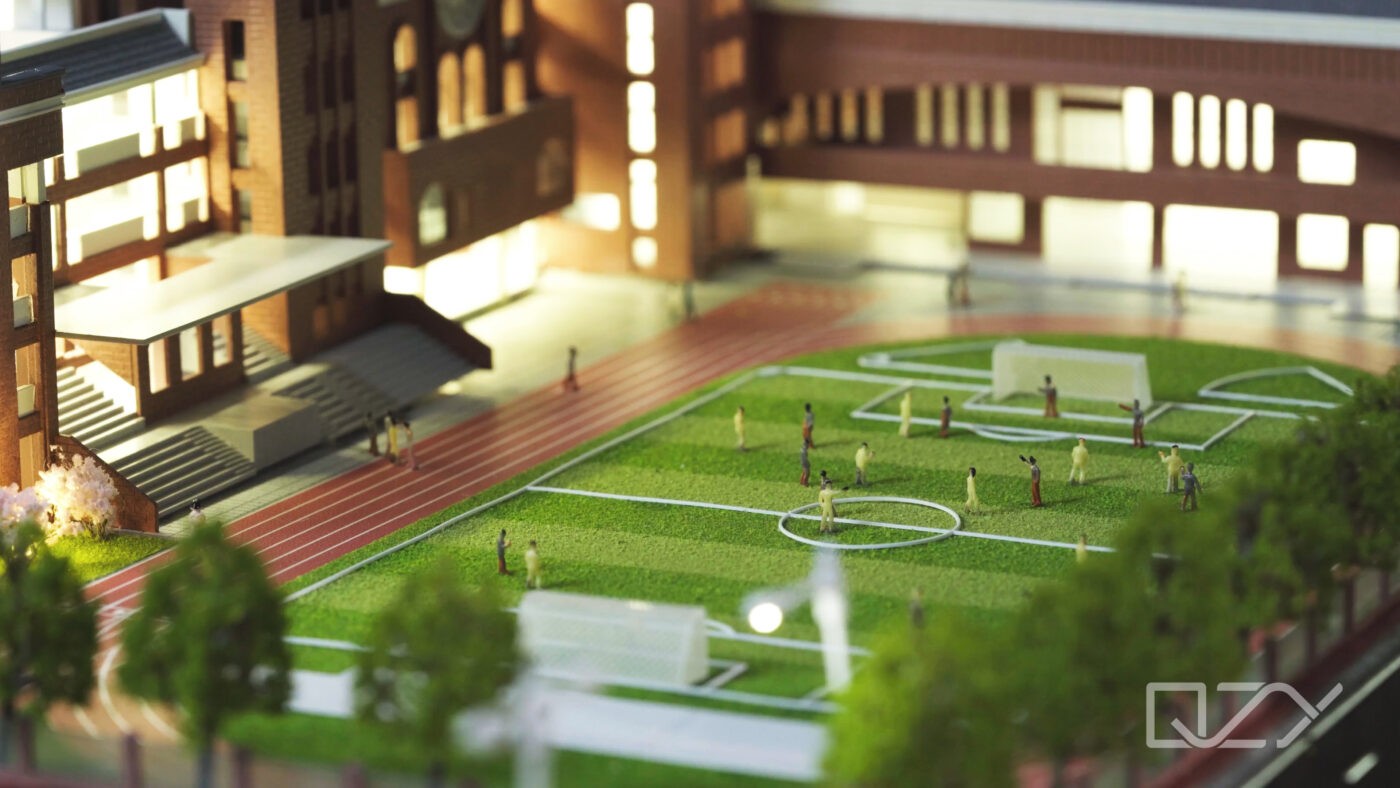
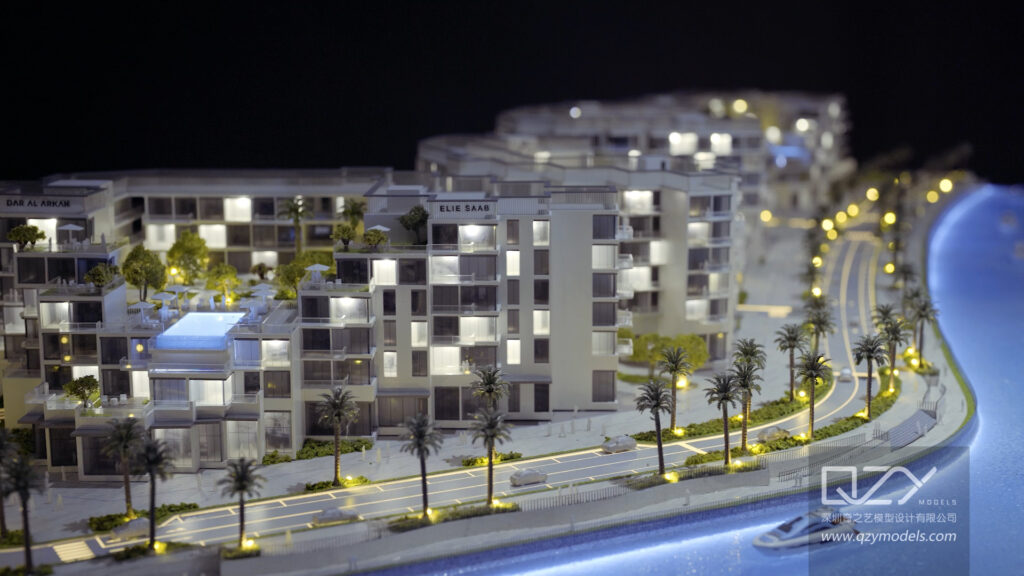
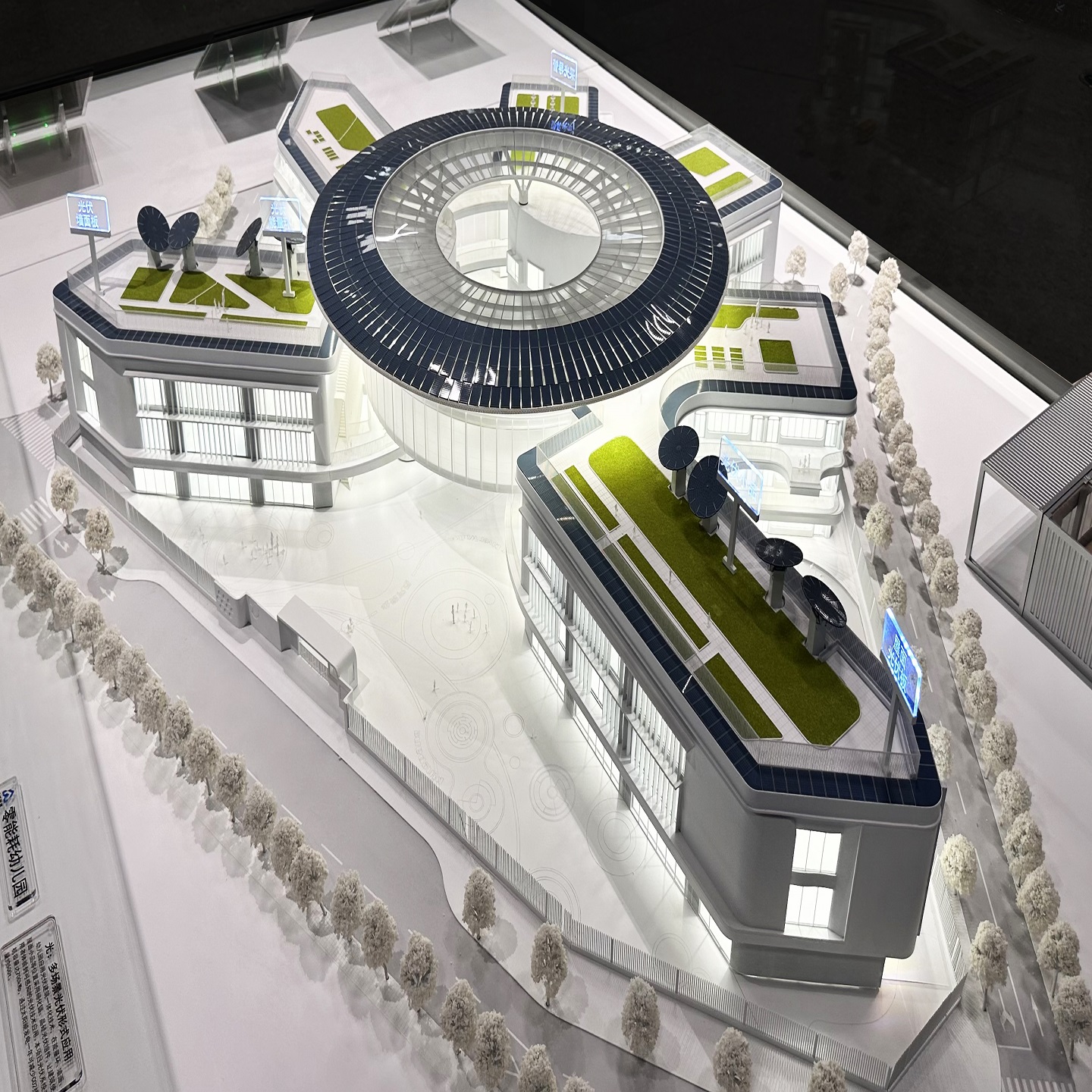
Balsa wood house models are popular physical architectural models that combine lightweight material with ease of customization, making them highly valued by manufacturers, wholesalers, and OEM factories, especially in China. These models provide a cost-effective, visually appealing way to communicate designs and concepts for architectural and industrial projects globally.
How Are Balsa Wood House Models Manufactured at Chinese Factories?
Balsa wood house models are manufactured through a process that involves precise cutting, assembly, and finishing of lightweight balsa wood sheets. Chinese OEM factories use CNC machines and laser cutters for accuracy and efficiency, allowing customization according to clients’ architectural plans. The lightweight nature of balsa wood makes transport and handling easier, while reliable quality control ensures durable and realistic models.
Chinese manufacturers typically source sustainable balsa wood and combine it with adhesives and finishing materials to enhance durability. Bulk production for wholesalers benefits from automated cutting processes, reducing costs and turnaround time, making QZY Models a trusted supplier for high-quality balsa wood house models.
What Advantages Do Balsa Wood House Models Offer to B2B Suppliers and Wholesale Buyers?
Balsa wood house models offer B2B suppliers and wholesale buyers several advantages:
-
Lightweight and easy to transport internationally.
-
Fast customization with laser cutting and engraving.
-
Cost-effective raw material minimizes production cost.
-
Excellent surface texture for realistic architectural detailing.
-
Environmentally friendly as balsa wood is renewable.
These benefits support suppliers in meeting diverse client demands quickly and affordably. QZY Models specializes in such customized OEM services tailored for architects and developers worldwide, emphasizing precision and timely delivery.
Why Should Architects and Developers Choose Balsa Wood House Models?
Architects and developers prefer balsa wood house models because they provide a tangible, three-dimensional representation of designs at various scales. Balsa wood’s soft texture allows intricate detail work, which improves client presentations and marketing efforts. Additionally, these models demonstrate project feasibility and spatial understanding better than digital renderings.
The models are ideal for conceptual studies, design validation, and client engagement. QZY Models collaborates closely with architects to translate design ideas into physical prototypes, enhancing communication and decision-making during project development.
Which Customization Options Are Available for Balsa Wood House Models From OEM Factories?
OEM factories, including QZY Models, offer a wide range of customization options for balsa wood house models:
-
Scale adjustments from 1:50 to 1:500.
-
Detailed engraving of windows, doors, and roof tiles.
-
Integration with other materials like acrylic or metal.
-
Custom painting and finishing techniques.
-
Branding with logos or client-specific markings.
These customizations ensure the models serve specific project needs, whether for marketing, planning approval, or exhibition display. China-based factories’ expertise in OEM production supports scalable and repeatable manufacturing for wholesale clients.
Where Does Balsa Wood Sourcing Impact the Quality and Sustainability of Models?
The quality and sustainability of balsa wood house models are directly linked to the sourcing of balsa wood. China-based manufacturers prioritize sustainably harvested balsa wood to align with environmental standards while maintaining high-quality material for model making. Sourcing impacts density, grain consistency, and finish quality.
Reliable suppliers like QZY Models work with certified forestry partners to ensure eco-friendly procurement processes. This approach supports global clients’ commitments to sustainable architecture and corporate social responsibility.
How Does QZY Models Ensure Consistent Quality and Innovation in Balsa Wood House Models?
QZY Models uses advanced production technology, ISO-certified quality management, and skilled craftsmanship to ensure consistent quality for all balsa wood house models. Integration of CNC laser cutting, 3D printing for supplementary parts, and rigorous inspection protocols deliver flawless products.
The company invests in innovation by adopting MES systems for streamlined workflows and offering round-the-clock customer support, improving responsiveness for OEM clients worldwide.
Can Balsa Wood House Models Meet the Needs of International Markets?
Yes, balsa wood house models from Chinese suppliers like QZY Models are designed to meet international standards in architectural modeling. Their lightweight and durable properties simplify global shipping, while customization meets diverse project requirements across regions.
QZY Models’ global branches in the UAE, Saudi Arabia, Egypt, and other countries facilitate local client engagement and faster delivery, making them a preferred supplier for multinational architectural firms and developers.
What Makes QZY Models a Leading Supplier and OEM Factory for Balsa Wood House Models?
QZY Models leads the market with over 20 years of expertise, combining artisanal quality with advanced manufacturing technology. Their commitment to precision, innovation, and customer service positions them as a top choice for architectural and industrial model production.
They handle large-scale wholesale orders and provide tailored OEM solutions, maintaining competitive pricing and timely delivery while supporting clients worldwide from their bases in Shenzhen and multiple international branches.
QZY Models Expert Views
“At QZY Models, our philosophy revolves around impeccable quality and seamless customization. Leveraging cutting-edge CNC and laser technologies, we transform simple balsa wood into compelling architectural narratives for our partners worldwide. Our dedication to sustainability and innovation ensures every model not only meets but exceeds client expectations. As a China-based OEM factory, we strive to be at the forefront of the model manufacturing industry, supporting the global architecture and development community with reliable, bespoke solutions.” — Richie Ren, Founder of QZY Models
Table: Comparison of Balsa Wood House Model Features by Supplier Type
| Feature | OEM Factories (e.g., QZY) | General Supplier | Wholesale Provider |
|---|---|---|---|
| Customization Options | Extensive & precise | Limited | Moderate |
| Production Scale | Large-scale optimized | Small to medium | Very large |
| Delivery Time | Fast with MES system | Variable | Moderate |
| Quality Control | ISO-certified, rigorous | Basic | Dependent on factory |
| Price | Competitive bulk pricing | Higher | Lowest per unit |
Conclusion
Balsa wood house models are essential tools for architects, developers, and suppliers seeking accurate, customizable, and cost-efficient physical models. Chinese OEM factories like QZY Models excel in producing high-quality models with precision, fast turnaround, and scalable options. Their commitment to sustainability, technological innovation, and global service presence positions them as leading suppliers for wholesale and B2B clients worldwide. Investing in balsa wood house models enhances project visualization and client engagement across architectural industries.
FAQs
Q1: How quickly can balsa wood house models be produced?
Production time varies by complexity but typically ranges from 1 to 3 weeks in OEM factories like QZY Models.
Q2: Are there environmentally friendly balsa wood options?
Yes, many Chinese manufacturers source sustainably harvested balsa wood certified by eco-labels.
Q3: Can balsa wood models include lighting or electronic features?
Yes, OEM factories can integrate lighting and other components into models upon request.
Q4: Do suppliers in China ship internationally?
Most leading suppliers, including QZY Models, offer worldwide shipping with optimized logistics.
Q5: What scales are commonly available for balsa wood house models?
Common scales range from 1:50 to 1:500, tailored to the client’s specific project requirements.