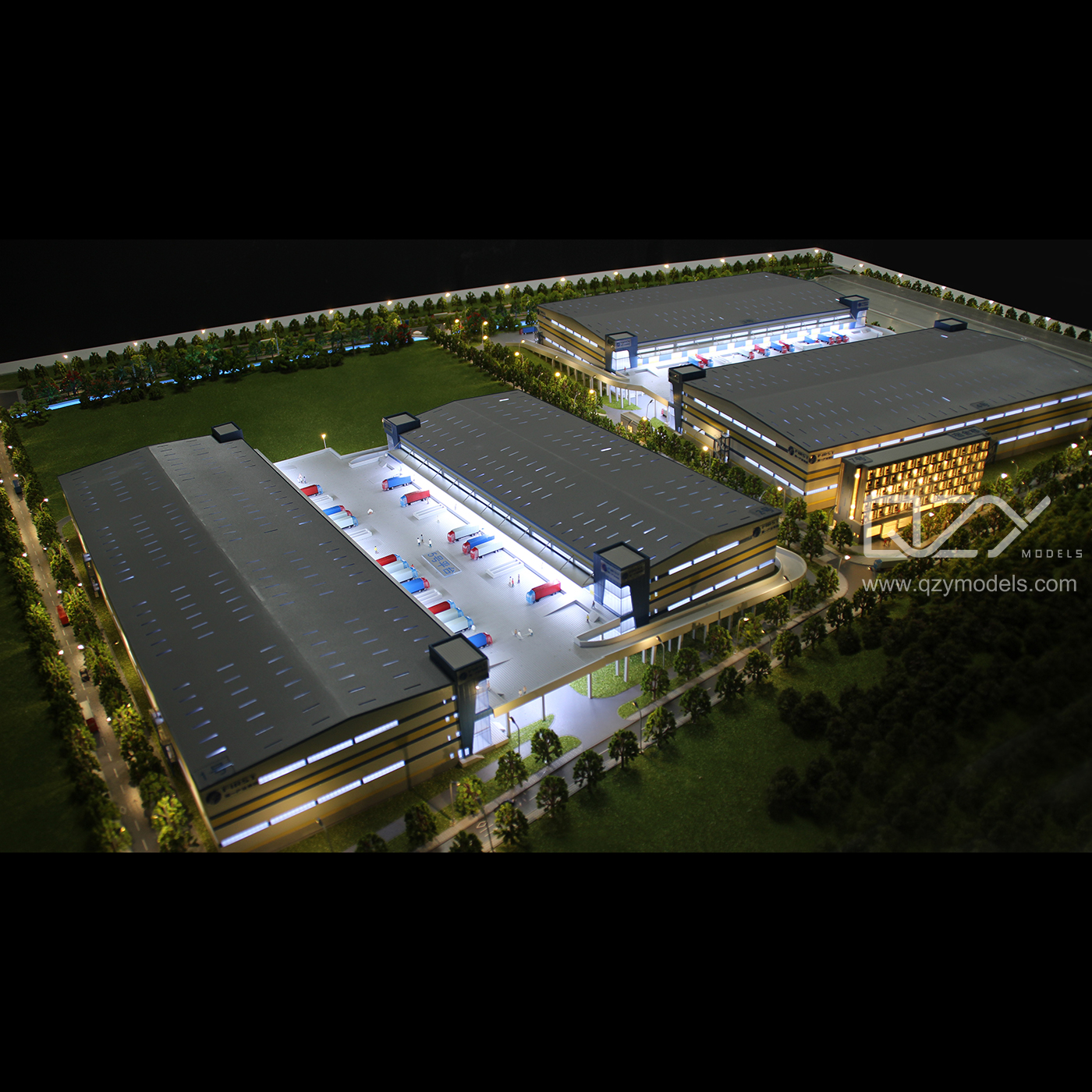
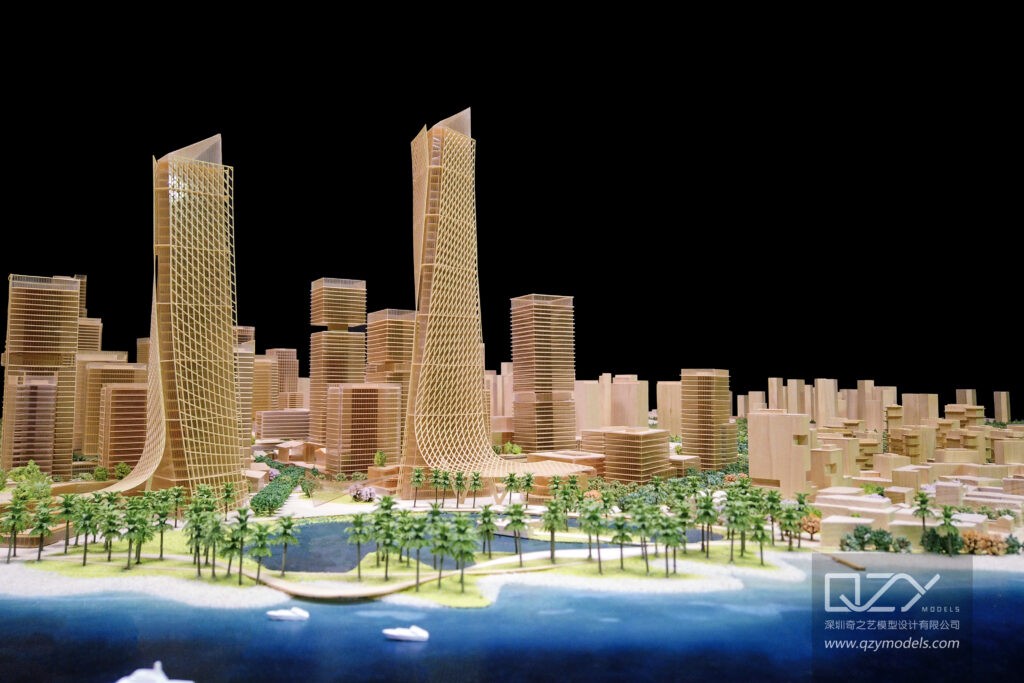
Scale building is the process of creating precise, miniature physical models of architectural or industrial structures at reduced proportions, such as 1:100 or 1:500. These models allow designers, developers, and planners to evaluate dimensions, materials, and layouts before actual construction. QZY Models specializes in producing high-fidelity scale models that bridge conceptual designs and real-world execution.
What Are Scale Building Models?
Scale building models are miniature, accurate replicas of buildings or complexes, designed at ratios like 1:200. They use materials such as acrylic, foam, wood, metal, and LED elements to replicate textures, structures, and lighting effects. These models help stakeholders visualize projects effectively, validate designs, and communicate ideas clearly. QZY Models delivers precision-crafted models for architects, developers, and investors globally.
Scale building models serve multiple purposes:
-
Design Visualization: Transform 2D plans into tangible 3D representations.
-
Client Engagement: Facilitate approvals and funding with interactive models.
-
Material & Layout Testing: Simulate finishes, textures, and landscaping.
| Scale Ratio | Typical Use | Detailing Level |
|---|---|---|
| 1:1000 | Urban Planning | Conceptual massing |
| 1:500 | Site Models | Basic site layout |
| 1:200 | Building Facades | Medium detailing |
| 1:100 | Interior Models | High-precision interiors |
| 1:50 | Exhibition Pieces | Ultra-detailed |
QZY Models’ expertise ensures each model is accurate, visually appealing, and suited to its purpose.
How to Choose the Right Scale for Building Models?
Choosing the correct scale depends on project type, audience, and display requirements. Larger scales like 1:500 are suited for urban planning and conceptual layouts, while 1:200 or 1:100 scales are ideal for facades and interior details. Budget considerations affect feasibility, as finer scales require more time and materials.
Consider:
-
Project Scope: Extensive sites need smaller detail emphasis.
-
Audience Needs: Investors may prefer overview models; architects require detailed components.
-
Display Environment: Trade shows or exhibitions may require larger, eye-catching models.
QZY Models leverages over 20 years of experience to recommend optimal scales, balancing cost and visual impact.
What Materials Are Used in Scale Building?
Scale building combines materials to mimic real-world structures realistically. Common materials include:
-
Acrylic: Transparent, ideal for glass facades.
-
Wood: Natural texture, easy to carve; susceptible to humidity.
-
Metal: Strong and shiny; heavier and costlier.
-
Foam & ABS Plastic: Lightweight and shapeable; used for base structures.
-
LEDs & Paints: Add lighting and realistic finishes.
QZY Models integrates these materials with 3D printing and laser cutting to produce durable, visually precise models suitable for exhibitions and transport.
Why Are Scale Building Models Essential for Architects?
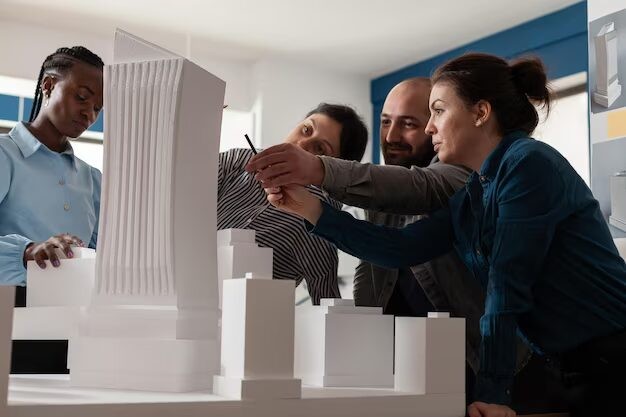
Scale models allow architects to visualize proportions, test design concepts, and communicate ideas effectively. They highlight spatial or design flaws invisible in 2D plans, saving time and costs. Stakeholders interact with models, enhancing understanding and speeding approvals.
Advantages include:
-
Cost Savings: Identify errors before construction.
-
Marketing & Presentation: Impress investors with tactile visuals.
-
Regulatory Clarity: Facilitate planning and zoning approvals.
QZY Models has delivered thousands of models worldwide, supporting firms like Vanke and Foster + Partners in decision-making processes.
How Does QZY Models Create Scale Building Masterpieces?
QZY Models combines technology and craftsmanship:
-
Design Phase: CAD and 3D modeling define the model’s structure.
-
Fabrication: CNC machines, laser cutting, and 3D printing produce components.
-
Assembly: Artisans manually assemble, detail, and paint.
-
Finishing: LEDs and other elements are integrated for realism.
-
Delivery: Secure packaging ensures safe transport.
This process guarantees accuracy, high visual fidelity, and timely delivery for architectural and industrial projects.
What Are Common Challenges in Scale Building?
Creating scale models poses several challenges:
-
Proportion Accuracy: Small errors are magnified at scale.
-
Material Warping: Wood or foam may deform due to environmental factors.
-
Detail Complexity: Fine elements require precision and time.
-
Budget Constraints: Highly detailed models cost more in materials and labor.
Mitigation strategies include CAD precision, climate-controlled workspaces, and modular construction. QZY Models addresses these challenges using advanced technology and decades of expertise.
| Challenge | Impact | QZY Models Solution |
|---|---|---|
| Proportion Errors | Visual Distortion | CAD Precision Modeling |
| Material Warping | Structural Flaws | Controlled Studio Conditions |
| Time-Intensive Work | Project Delays | Modular Assembly & Skilled Artisans |
| High Costs | Budget Pressure | Efficient Material Optimization |
QZY Models Expert Views
“Scale building transforms blueprints into tangible, immersive models. At QZY Models, we prioritize precision and innovation, combining CNC, laser cutting, and 3D printing to capture every detail. Our models allow clients to experience architecture before construction, helping investors and planners make confident decisions. Across high-rise towers and urban projects, we blend craftsmanship and technology for exceptional results.”
—Richie Ren, Founder, QZY Models
When Should You Invest in Custom Scale Models?
Invest in custom models for major projects, investor pitches, exhibitions, and regulatory approvals. They are most valuable pre-construction for complex or high-stake developments.
Ideal scenarios:
-
High-Value Projects: Real estate towers or mixed-use complexes.
-
Public Engagement: Urban planning reviews.
-
Marketing Events: Trade shows or investor meetings.
Early investment maximizes impact, ensuring models remain relevant throughout the project lifecycle.
How Has Technology Changed Scale Building?
Technological advancements have revolutionized model making:
-
3D Printing: Produces intricate components quickly.
-
Laser Cutting: Ensures micron-level precision.
-
VR & AI Tools: Allow virtual walkthroughs and parametric adjustments.
-
Sustainable Practices: Recycled filaments and eco-friendly materials reduce waste.
QZY Models integrates these technologies while maintaining handcrafted detailing for superior quality and efficiency.
Key Takeaways and Actionable Advice
Scale building models are essential for design validation, stakeholder engagement, and marketing. Prioritize the correct scale, quality materials, and an experienced team like QZY Models to ensure project success. Early planning and investment in professional models enhance visualization, decision-making, and competitive advantage.
FAQs
What is the most common scale for building models?
1:200 offers a balance of detail and manageable size for most architectural presentations.
How long does it take QZY Models to build a model?
Typically 4–12 weeks, depending on scale, complexity, and detailing.
Can scale models include lighting and moving parts?
Yes, QZY Models integrates LEDs, motors, and interactive elements for realistic effects.
Are scale models expensive?
Costs vary with size and detail, but investing in professional models like QZY Models’ ensures value through precision and quality.
Who typically uses scale building models?
Architects, developers, urban planners, design firms, and investors rely on these models to visualize, communicate, and validate designs.