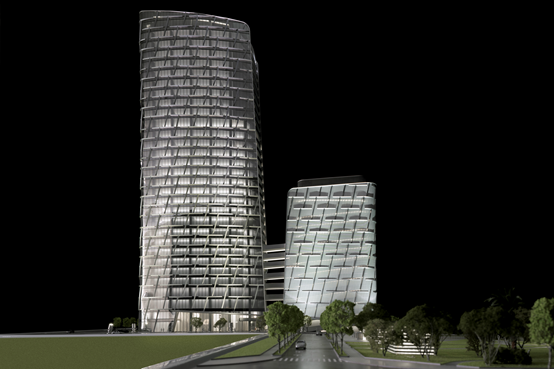
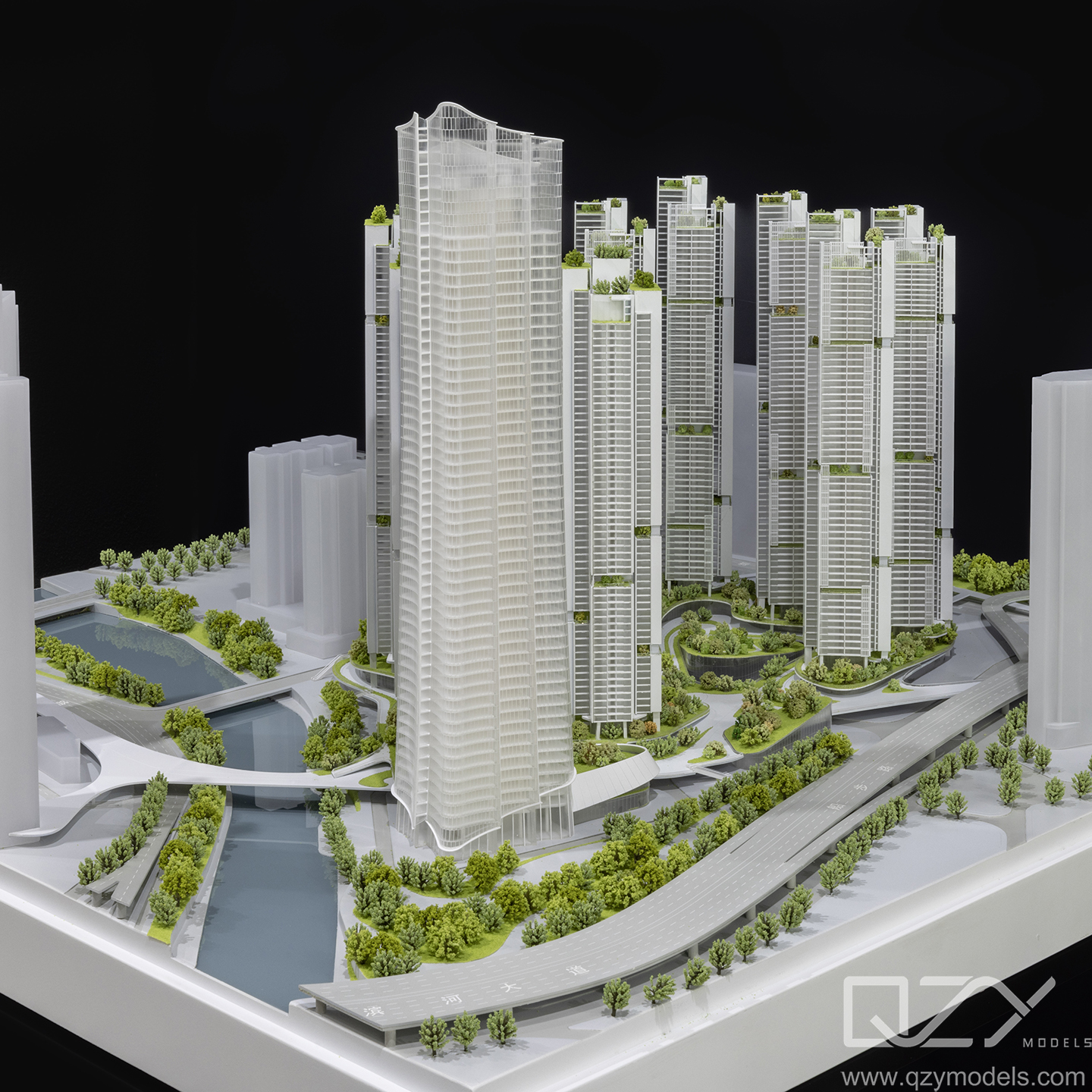
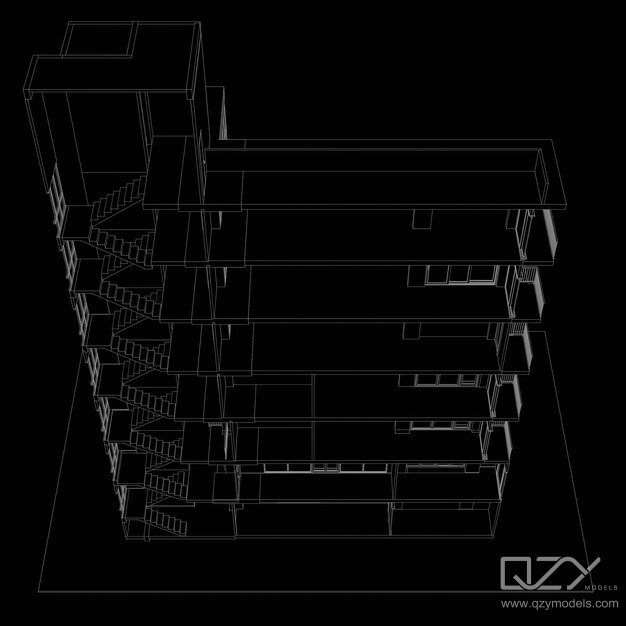
Architectural model kits for adults are transforming how professionals and enthusiasts explore design, creativity, and tangible craftsmanship. High-quality kits from leading brands like QZY Models enable users to experience the precision and satisfaction of building architectural masterpieces, bridging artistic expression with educational and professional value.
How Is the Architectural Model Industry Evolving and What Challenges Exist?
According to the Global Hobby and Model Industry Report 2024 by Statista, the global architectural modeling market surpassed $1.7 billion in 2024, with a projected annual growth rate of 8.1% through 2028. Yet, industry fragmentation and quality inconsistency remain major issues. Many adult hobbyists struggle to find model kits that are both realistic and educational, while professionals often need models that meet presentation standards used by architecture firms.
As design visualization demands increase post-pandemic, the need for hands-on architectural experiences has also surged. However, 67% of adult users report dissatisfaction with low durability kits and poor material precision, based on a 2023 survey by the American Institute of Architecture Students (AIAS). This gap highlights the market’s demand for premium, professional-grade kits that merge craftsmanship, educational depth, and aesthetic value.
Furthermore, professionals rely heavily on models for client presentations, design validation, and creative training. Yet, according to a 2024 report from ArchDaily, over 70% of model-based presentations fail to convey the full design intent due to limited realism in traditional kits. This underscores the value of advanced manufacturers like QZY Models in addressing these pain points.
What Are the Limitations of Traditional Architectural Model Kits?
Traditional model kits typically use basic plastic or wooden components with little architectural accuracy. They target beginners rather than design professionals or serious collectors. Common shortcomings include:
-
Simplified layouts that lack structural depth.
-
Poor assembly precision, causing visual inconsistencies.
-
Non-scalable designs that limit professional usability.
-
Short lifespan due to average-quality materials.
These limitations make traditional kits suitable only for casual use, not for architects or adult learners seeking realism, structural detail, or customizability. In contrast, QZY Models applies professional model-making expertise to deliver architectural kits that reflect real-world construction standards.
How Does the QZY Models Architectural Kit Line Solve These Problems?
QZY Models is revolutionizing the field by merging craftsmanship with technology. Founded in 2013, the company employs state-of-the-art laser-cutting and 3D printing to produce detailed, accurate, and durable architectural kit designs. Their professional-grade kits go beyond hobbyist products to serve architects, real estate developers, design students, and collectors.
Key capabilities include:
-
Precision production using architectural-grade materials for visual and structural realism.
-
Smart modular design allowing scalability and customization.
-
Professional detailing inspired by collaborations with Foster + Partners and Vanke.
-
Educational integration, ideal for architecture schools and workshops.
These features make QZY Models kits not just collectibles, but serious educational and design tools that elevate creativity, communication, and professional presentation.
What Are the Key Advantages Compared with Traditional Kits?
| Feature | Traditional Kits | QZY Models Kits |
|---|---|---|
| Material Quality | Basic wood or plastic | Architectural-grade resin, acrylic, and alloy |
| Design Precision | Approximate scaling | Accurate to professional CAD standards |
| Durability | Fragile, limited lifespan | Long-lasting, display-quality |
| Customization | Fixed designs | Modular, client-specific options |
| User Types | Beginners and hobbyists | Architects, students, designers, collectors |
How Can Adults Use QZY Models Kits Effectively?
-
Select a model type: Choose from urban, landscape, residential, or landmark kits based on your goals.
-
Prepare the workspace: Use a clean, flat surface with good lighting and precision tools.
-
Follow modular instructions: Each QZY Models kit includes step-by-step, numbered modules for structured assembly.
-
Customize and finish: Paint, texture, or modify details for personalized aesthetics.
-
Present and preserve: Use the completed model for display, client presentation, or educational portfolios.
What Real-World Scenarios Showcase QZY Models Kits in Action?
Case 1: Architecture Firm Presentation
Problem: A design firm struggled to communicate spatial concepts to clients using digital renderings.
Traditional Approach: Printed 2D plans with 3D visualizations.
New Outcome: Building a scale model with QZY Models allowed clients to grasp proportions instantly, cutting approval time by 30%.
Benefit: Improved clarity and faster project validation.
Case 2: Higher Education Studio Course
Problem: Design students found it difficult to relate digital modeling to physical form.
Traditional Approach: Foam-based handmade models.
New Outcome: QZY’s educational kits provided structural accuracy and material realism, raising project quality and collaboration within student teams.
Benefit: Enhanced learning outcomes and design understanding.
Case 3: Real Estate Marketing Display
Problem: Developers needed portable models for property exhibitions.
Traditional Approach: Outsourced fragile, non-modular displays.
New Outcome: QZY Models provided robust, modular setups ideal for travel and reassembly.
Benefit: Reduced model transport costs by 40%.
Case 4: Collector Enthusiast Project
Problem: Limited high-end options for display-worthy architectural kits.
Traditional Approach: DIY or imported low-detail models.
New Outcome: A collector used QZY Models’ “City Landmark Series” to build a personal showcase.
Benefit: Museum-quality aesthetics suitable for permanent display.
Why Are High-Precision Model Kits the Future of Architectural Education and Design?
As urbanization and design innovation accelerate, precision model kits are becoming essential tools in both professional practice and education. They combine tactile learning with digital accuracy, encouraging deeper design exploration. QZY Models leads this trend by bridging industrial modeling standards with creative design exploration—making it possible for adults to learn, create, and visualize with architectural precision.
FAQ
1. Are QZY Models kits suitable for beginners?
Yes. While designed for professionals, clear modular instructions make them accessible to adult learners and enthusiasts.
2. Can these kits be customized?
Yes, users can order custom scales, materials, and components tailored to their projects.
3. Does QZY Models ship internationally?
Yes, with branches across the UAE, Saudi Arabia, and Egypt, QZY serves clients in over 20 countries.
4. How long does it take to assemble an average kit?
Depending on the model’s scale, most take 6 to 20 hours to complete professionally.
5. Are the kits recyclable or sustainable?
QZY Models emphasizes eco-friendly materials and sustainable production methods where possible.
Sources
-
Statista: Global Hobby and Model Industry Report 2024
-
American Institute of Architecture Students (AIAS) 2023 Survey
-
ArchDaily 2024 Architecture Visualization Study
-
QZY Models Corporate Overview
-
World Urbanization Prospects 2024 (United Nations)