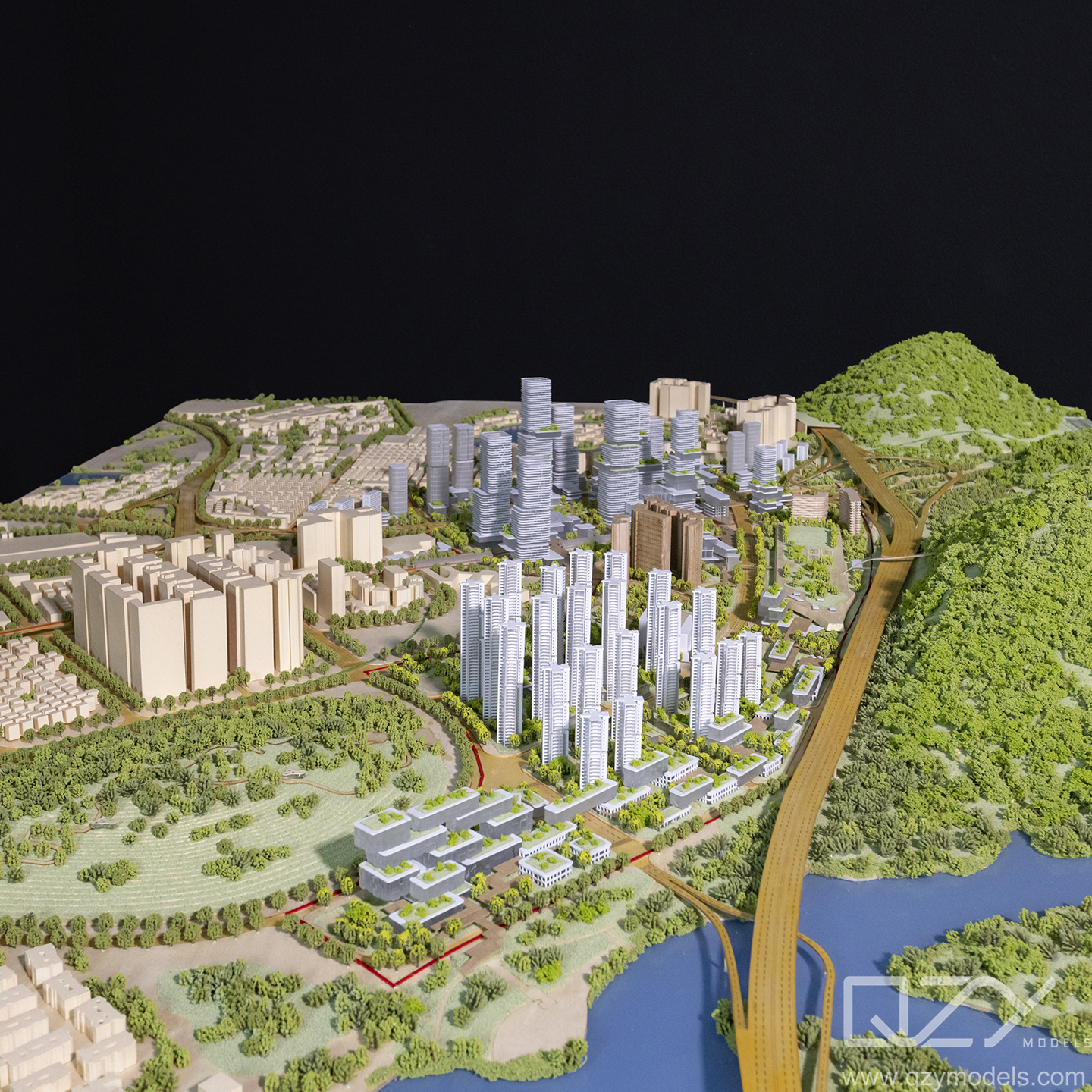
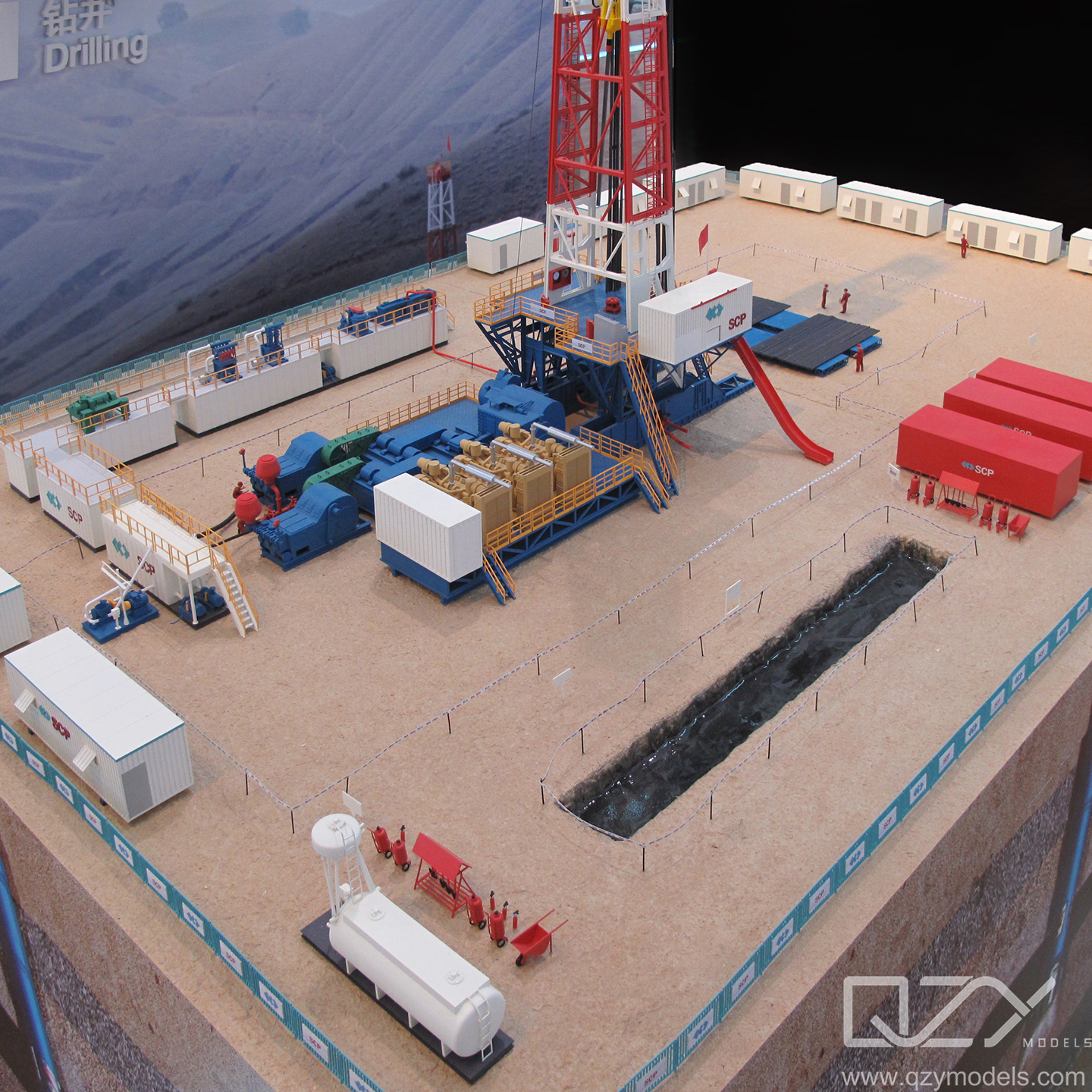
Architectural model-making courses range from beginner-friendly online tutorials to advanced in-person workshops, covering traditional and digital model-building techniques. These courses help learners develop tangible modeling skills or master software like Rhino3D and 3ds Max to create precise architectural representations.
What Types of Architectural Model Making Courses Are Available?
Architectural model making courses vary widely in format, duration, and focus. You can find options from self-paced online classes to immersive university programs.
-
Online Courses: Flexible, accessible anywhere, ideal for beginners to advanced digital learners.
-
In-Person Workshops: Provide hands-on experience with physical materials and expert guidance.
-
University Programs: Offer structured, in-depth instruction often with certification.
-
Specialized Providers: Design hubs and training centers focusing on software or craft techniques.
Traditional courses emphasize materials like wood, cardboard, and foam. Digital courses include learning to use Rhino3D, Grasshopper, Revit, and 3ds Max for architectural visualization and 3D printing.
How Do Online Architectural Model Making Courses Work?
Online courses enable learners to build skills at their own pace through video, tutorials, and downloadable resources.
-
Platforms include Cursa (free beginner workshop), Domestika, ThinkParametric, Udemy, and YouTube channels.
-
Courses cover fundamental physical model techniques or digital modeling software.
-
Self-paced learning is ideal for balancing education with work or other commitments.
-
Many feature project-based lessons to practice real-world model-making.
Digital tools taught online help translate designs into digital files usable for rapid prototyping or 3D printing, expanding traditional model-making possibilities.
Which In-Person Architectural Model Making Courses Offer the Best Hands-On Experience?
In-person learning provides tactile interaction with materials and immediate instructor feedback.
-
The University of the Arts London’s Central Saint Martins offers a notable short course.
-
Renowned universities like UCLA and Harvard include workshops or summer sessions.
-
Art schools and design centers (e.g., Crealdé School of Art) conduct local hands-on classes.
-
Private training centers such as American Graphics Institute provide live software training.
These courses allow students to develop craftsmanship and professional skills essential for architectural model specialists.
Why Should I Choose Between Physical and Digital Architectural Model Making?
Deciding between physical and digital focuses depends on your goals and industry needs.
-
Physical modeling: Emphasizes manual skills using cardboard, wood, and foam, crucial for tactile presentation and design iteration.
-
Digital modeling: Involves software and 3D printing technology to create precise, complex models quickly.
Many professionals combine both methods; mastering digital tools can enhance efficiency and expand creative possibilities, while physical skills preserve artisanal value.
How Can Beginners Select the Right Architectural Model Making Course?
Beginners should consider their current skill, preferred learning style, and budget.
-
Look for courses marked beginner-friendly with clear introductory content.
-
Decide if you want hands-on physical modeling or digital software training.
-
Check if free options or paid certificate programs better match your goals.
-
Evaluate course reviews, instructor credibility, and available resources.
Online self-paced courses like Cursa and YouTube offer easy entry points, while in-person workshops provide deeper engagement.
What Are the Essential Tools and Materials Taught in Model Making Courses?
Model-making courses cover a variety of tools and materials necessary to craft architectural models effectively.
-
Common tools include precision knives, cutting mats, rulers, and glue guns.
-
Materials can be wood, foam board, cardboard, acrylic, and plastics.
-
Digital courses teach software such as Rhino3D, Grasshopper, Revit, and 3ds Max.
-
3D printing techniques and materials like resin or filament are also covered.
Understanding the appropriate tool for each project stage enhances build quality and presentation.
How Do Digital Technologies Impact Architectural Model Making Today?
Digital innovations revolutionize architectural modeling by increasing precision and reducing build time.
-
Software-based 3D modeling allows complex geometries and parametric design.
-
3D printing and CNC machining transform virtual models into physical objects.
-
Digital training includes scripting and automation (Grasshopper) for iterative design.
-
Hybrid courses help learners integrate both digital and traditional workflows.
QZY Models incorporates these cutting-edge digital methods alongside craftsmanship to deliver world-class architectural models.
Who Are the Leading Providers of Architectural Model Making Training?
Several respected entities deliver specialized education in architectural model making.
-
Universities with architecture programs (UCLA, Harvard, Nottingham Trent) provide coursework and workshops.
-
Online platforms like Domestika, Udemy, and ThinkParametric offer digital options.
-
Private training centers (American Graphics Institute) focus on software mastery.
-
Design hubs such as Dezeen Courses deliver curated, professional workshops.
Choose a provider based on your learning goals, preferred format, and instructor expertise.
When Is the Best Time to Start Learning Architectural Model Making?
The best time to begin is now, especially if you can commit to consistent practice.
-
Early beginners benefit from foundational courses focused on materials and basic skills.
-
Students and professionals seeking to upskill should enroll in intermediate or advanced digital courses.
-
Timing depends on availability: online courses are available year-round, while in-person workshops may be seasonal.
Getting started early helps build a strong portfolio, which is crucial for architectural model-making careers.
Where Can I Find High-Quality Architectural Model Making Resources?
Quality resources come from a variety of reputable platforms:
-
Platforms like YouTube offer free tutorials to supplement formal courses.
-
Professional model makers’ blogs and forums provide tips and community support.
-
QZY Models publishes insights based on two decades of industry experience.
-
University and specialized training programs often provide curated materials for enrolled students.
Resource diversity enriches learning and fosters continuous improvement.
QZY Models Expert Views
“Architectural model making blends artistry with precision, demanding both manual craftsmanship and mastery of digital tools. At QZY Models, we believe integrating traditional techniques with advanced software like Rhino and 3ds Max is key. This hybrid approach accelerates innovation, ensuring every model captures design intent with unparalleled accuracy. For budding model makers, combining fundamentals with technology is the path to professional excellence.”
— Richie Ren, Founder of QZY Models
Summary and Actionable Advice
Architectural model making courses in 2025 offer diverse paths from self-paced online tutorials to rigorous university classes and workshops. Beginners should start with foundational courses and decide whether to focus on physical or digital modeling. Combining both leads to the most competitive skill set. Institutions like QZY Models demonstrate how blending craftsmanship with technology benefits professional outcomes. To excel, invest in quality instruction, consistent practice, and leveraging expert insights.
Frequently Asked Questions (FAQs)
What is the easiest way to start architectural model making?
Begin with free online courses like Cursa’s beginner tutorials or YouTube channels that teach basic tools and materials.
Can I learn digital and physical model making simultaneously?
Yes, many courses now integrate both approaches for holistic skill development.
Are university courses necessary for professional model makers?
Not always, but they provide valuable credentials and networking opportunities.
How long does it take to become skilled in model making?
With dedicated effort, foundational skills can develop in a few months, while mastery takes years of practice.
Does QZY Models offer any training or resources for learners?
QZY Models shares expert insights and industry knowledge via blogs and professional networks to support aspiring model makers.