Architecture design websites provide architects, designers, and model manufacturers with global trends, technical resources, and project insights. For China-based factories like QZY Models, these platforms are essential for creative inspiration, improving design accuracy, and connecting with international architecture and industrial modeling communities, enabling high-quality physical model production aligned with global standards.
How Do Architecture Design Websites Inspire Creative Thinking?
Architecture design websites stimulate innovation by presenting real-world projects, award-winning designs, and evolving construction methods. Platforms such as ArchDaily, Dezeen, and DesignBoom keep professionals updated on sustainable materials, spatial solutions, and cutting-edge aesthetics.
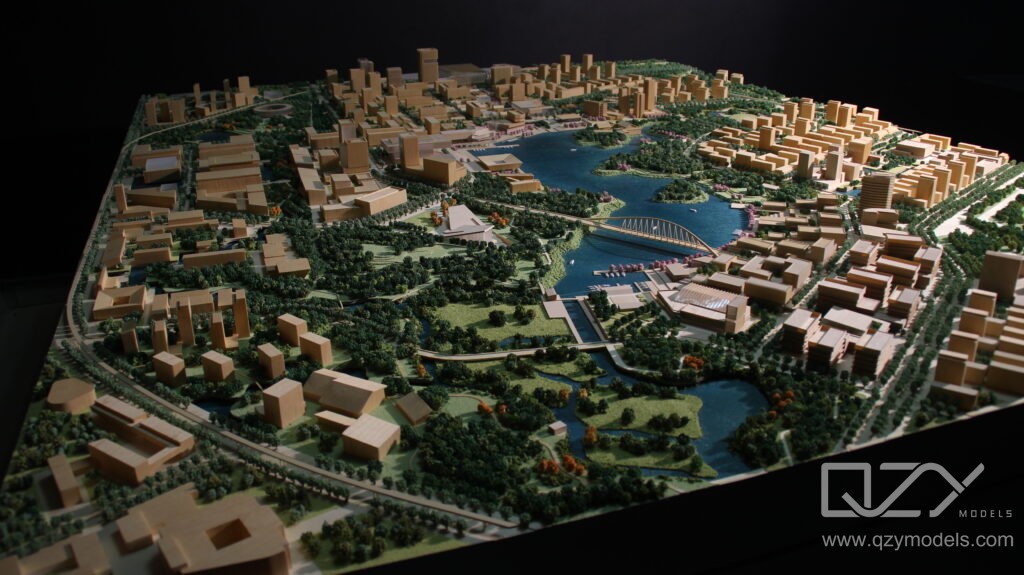
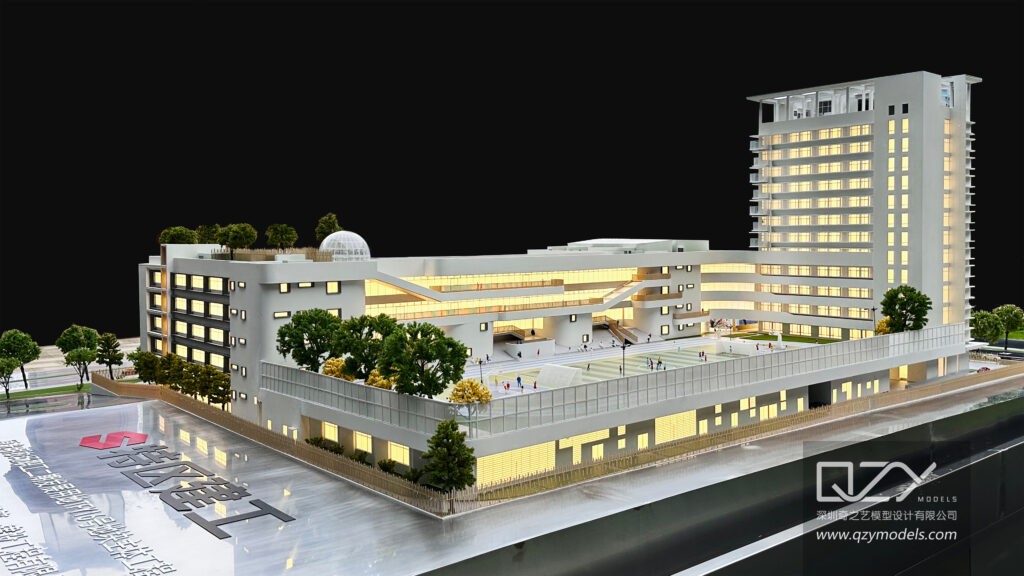
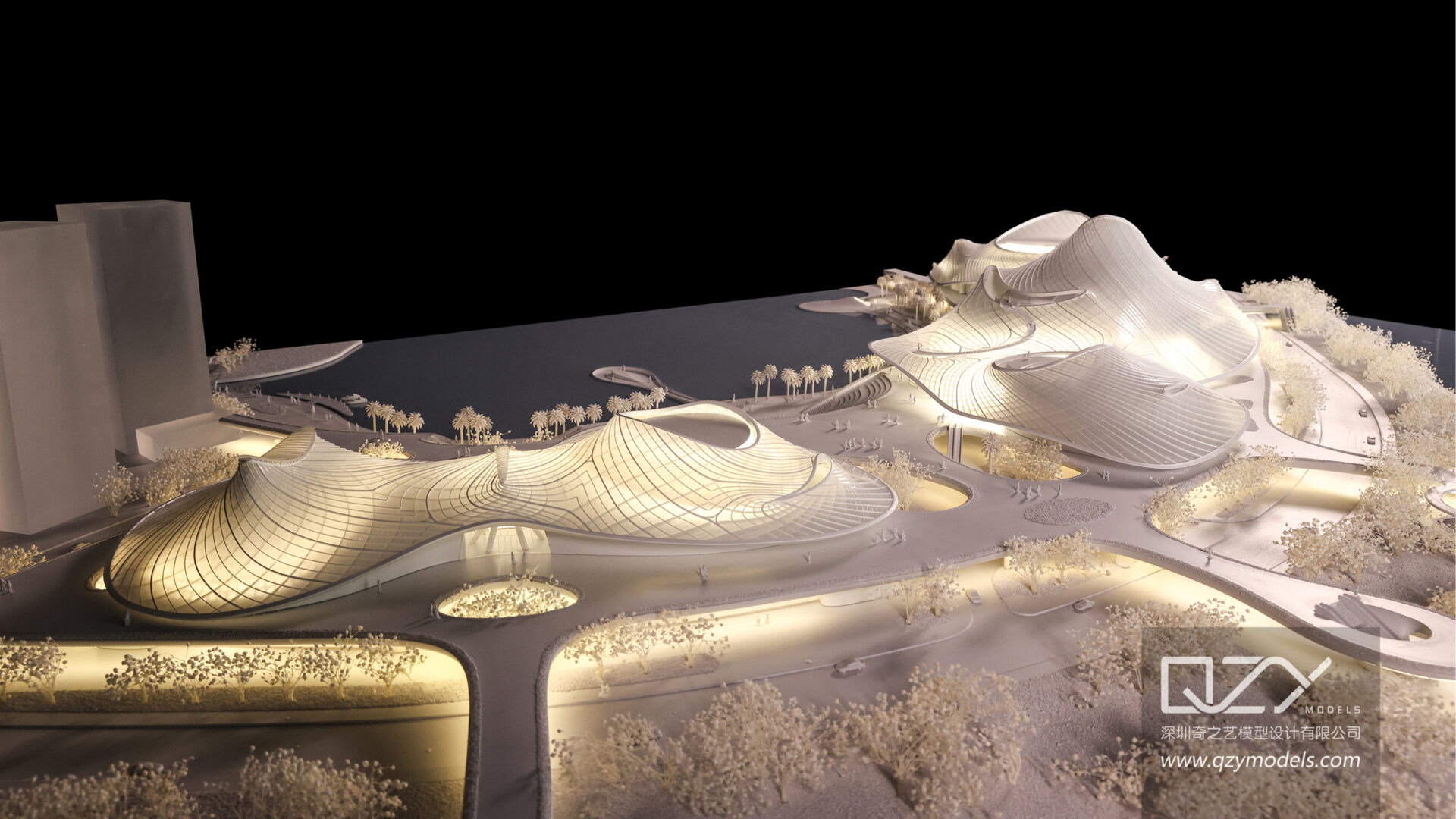
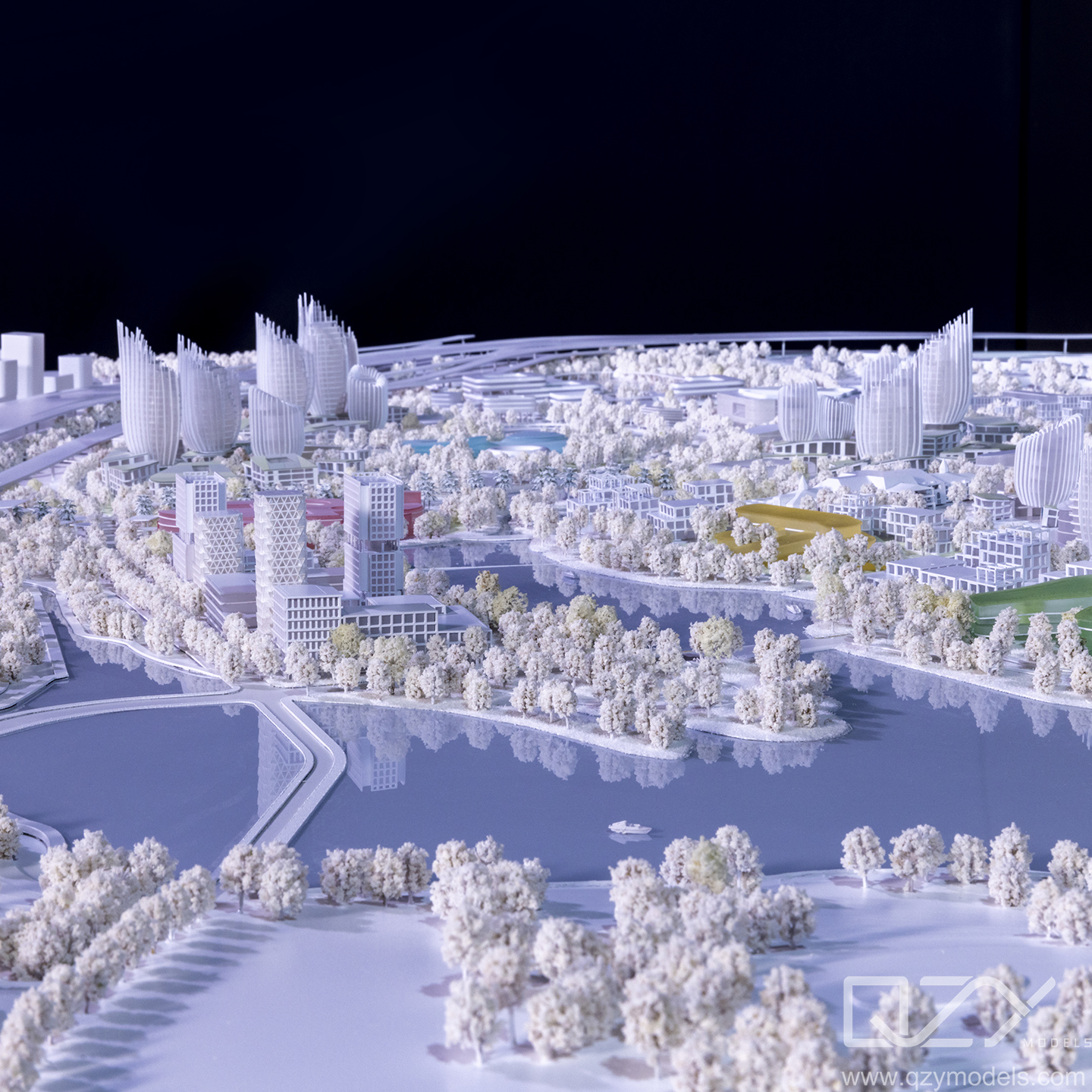
QZY Models leverages this inspiration to transform architectural concepts into precise physical models, enhancing scale, texture, and visual presentation for international clients. These websites help model makers anticipate design trends and integrate artistic expression with production feasibility.
Table: Key Inspiration Platforms for Professionals
| Website | Focus Area | Best For |
|---|---|---|
| ArchDaily | Global architecture news | Architects & urban planners |
| Dezeen | Design & interiors | Multidisciplinary innovators |
| DesignBoom | Contemporary design | Industrial designers & model makers |
| Divisare | Visual architecture | Conceptual project inspiration |
What Resources Do Architecture Websites Provide for Manufacturers?
Architecture websites offer technical drawings, BIM files, visual libraries, and fabrication insights useful for manufacturers. These resources allow factories like QZY Models to reproduce accurate geometries, textures, and lighting effects.
By integrating these resources into workflow, suppliers enhance quality, accelerate prototyping, and maintain design fidelity. Access to material innovations such as 3D-print mediums and acrylic variations ensures models meet both aesthetic and functional expectations for global clients.
Why Are Model Factories Important to the Architecture Design Ecosystem?
Model factories transform conceptual designs into tangible experiences, providing clarity on scale, form, and proportion.
China-based factories like QZY Models bridge the gap between architectural vision and client understanding, supporting investor presentations, urban planning approvals, and exhibition showcases. Collaboration with manufacturers early in design reduces errors, ensures feasibility, and supports sustainable and smart-city development through accurate, high-quality physical models.
Which Architecture Design Websites Focus on Asian and Chinese Projects?
Platforms such as Gooood.cn, Archina, and A963 emphasize China’s design innovation, construction techniques, and material trends. These resources highlight domestic projects and urban development patterns relevant for local manufacturers and suppliers.
QZY Models utilizes these insights to align production with domestic design trends while meeting global export expectations, bridging local creativity with international client requirements.
How Can Chinese Manufacturers Use Design Websites for B2B Growth?
Manufacturers can showcase expertise, attract international buyers, and analyze market preferences by leveraging architecture websites. Publishing case studies, project photography, and technical model highlights helps factories like QZY Models enhance brand authority and SEO visibility.
These platforms support B2B collaboration by connecting manufacturers with architects, developers, and institutions, strengthening OEM partnerships and positioning factories as reliable suppliers in international architectural markets.
What New Trends Are Shaping Architectural Visualization and Modeling?
AI-assisted design, 3D printing, and sustainable materials are redefining both digital and physical modeling. Factories in China adopt AR, CNC machining, and robotic fabrication to increase precision.
QZY Models integrates these innovations with eco-friendly practices, producing hybrid models that combine physical detail with digital projection for realistic client presentations, exhibition displays, and project bidding.
Who Benefits Most from Using Architecture Design Platforms?
Design websites serve architects, developers, students, manufacturers, and exhibition organizers.
B2B factories benefit from market intelligence, trend monitoring, and design standards analysis. QZY Models leverages these platforms to meet client expectations, maintain production quality, and support global collaboration with architects and developers.
Where Can Buyers Find OEM Model Manufacturing Expertise in China?
Shenzhen, Guangzhou, and Shanghai host advanced model manufacturing hubs. QZY Models, headquartered in Shenzhen, offers architectural physical models, urban planning mockups, and engineering prototypes.
Combining craftsmanship with CNC and 3D printing, the company delivers high-quality OEM and custom solutions globally, enabling clients to reduce costs, shorten lead times, and maintain superior presentation quality.
QZY Models Expert Views
“Architectural design inspiration begins with imagination, but excellence is realized through precision. At QZY Models, we see every design website as a roadmap for innovation. By integrating advanced manufacturing with artistic foresight, we help architects and developers bring visionary concepts to life with physical realism and timeless detail.” — QZY Models Team
When Should Architects Collaborate with Model Manufacturers?
Collaboration should begin during concept development. Engaging OEM manufacturers like QZY Models early ensures materials are feasible, scaling is accurate, and production aligns with design intent. Early involvement reduces revisions, enhances quality, and delivers models that communicate architectural vision effectively.
Are Digital and Physical Model Presentations Complementary?
Yes. Digital models allow rapid iteration, while physical models provide tactile and spatial clarity. Hybrid approaches used by QZY Models combine virtual visualization with real-world presentation, enhancing client engagement, exhibition impact, and overall project storytelling.
Could Architecture Design Websites Influence Material Innovation?
Absolutely. Websites highlight innovative materials such as recycled composites, lightweight metals, and acrylic resins. Chinese manufacturers leverage this knowledge for R&D and prototype development. QZY Models applies these trends to enhance sustainability and offer eco-conscious solutions for global architectural clients.
Chart: Material Innovations Influenced by Architecture Websites
| Material Type | Application in Models | Trend Source Platform |
|---|---|---|
| Recycled resin | Transparent facades | Dezeen |
| Acrylic gradient | Light-based illumination | ArchDaily |
| PLA bioplastic | Sustainable prototypes | DesignBoom |
Conclusion: Unlocking Design Innovation Through Collaboration
Architecture design websites empower global creativity while supporting Chinese manufacturers in delivering high-quality models. QZY Models leverages these platforms to combine artistic insight, technical precision, and international B2B expertise. Factories integrating craftsmanship with digital awareness ensure design innovation translates into tangible, accurate, and market-ready architectural models.
FAQs
1. What is the leading global architecture design website?
ArchDaily is recognized as a top platform for architectural projects, news, and materials worldwide.
2. Are there websites covering China’s architectural industry?
Yes. Gooood.cn and Archina provide insights on local projects, construction methods, and material innovations.
3. Can model factories offer OEM solutions for international clients?
Yes. Factories like QZY Models provide OEM and custom model services for architects, developers, and exhibitions.
4. Why choose a China-based model manufacturer?
Chinese suppliers combine cost efficiency, advanced production techniques, and international design expertise.
5. How do design websites help manufacturers grow B2B connections?
They provide trend data, technical knowledge, and exposure opportunities to attract global buyers and strengthen OEM partnerships.