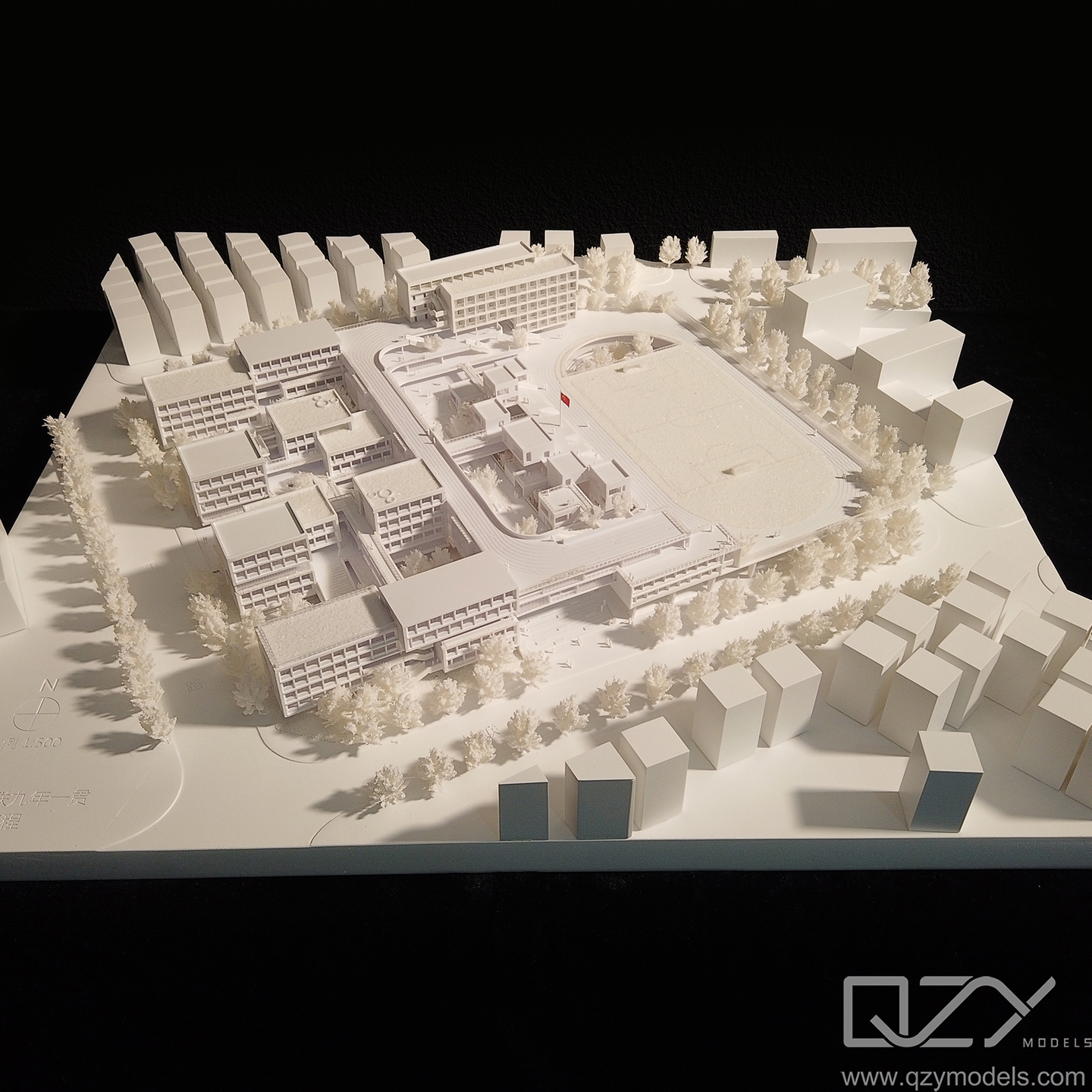
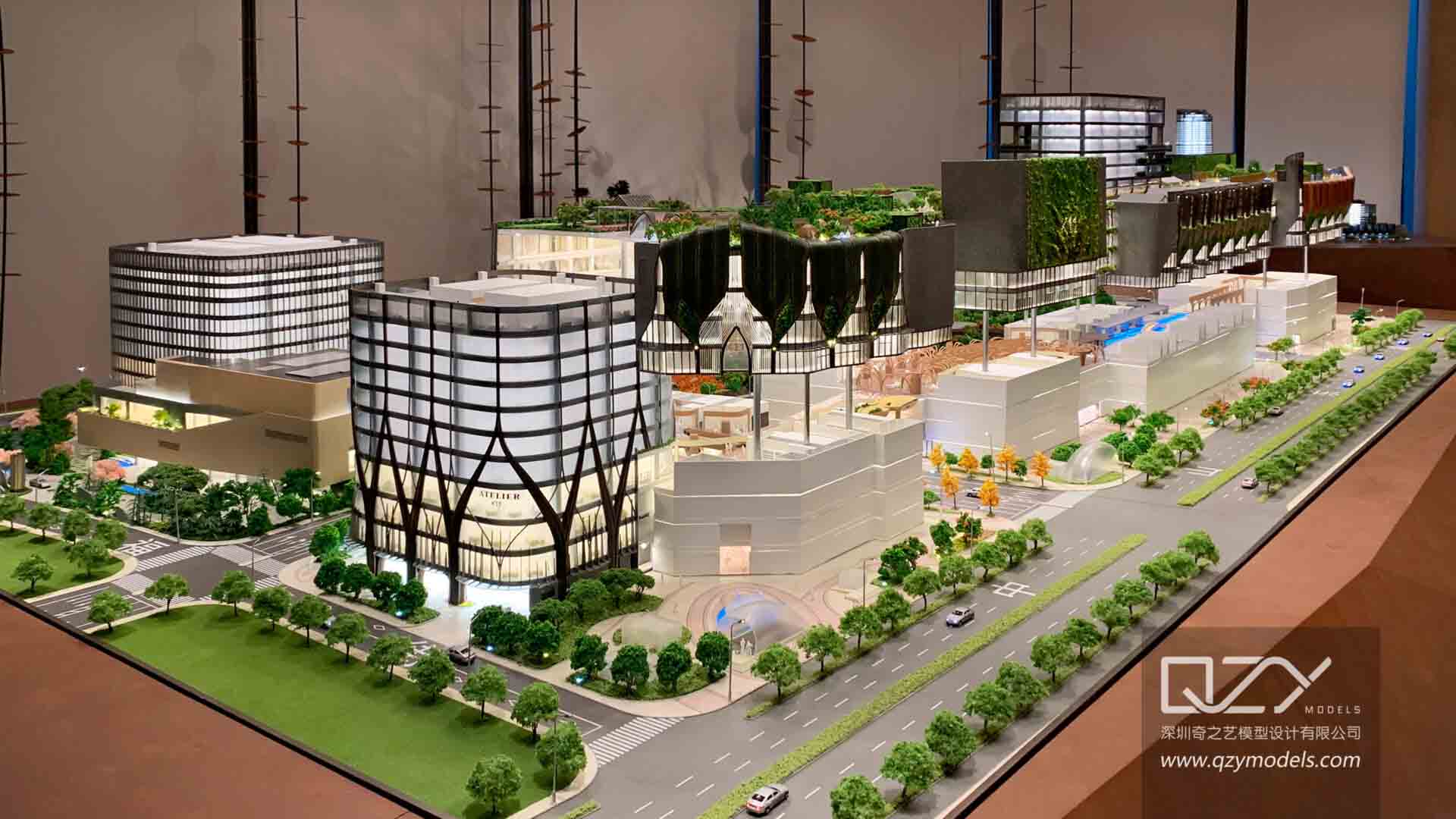
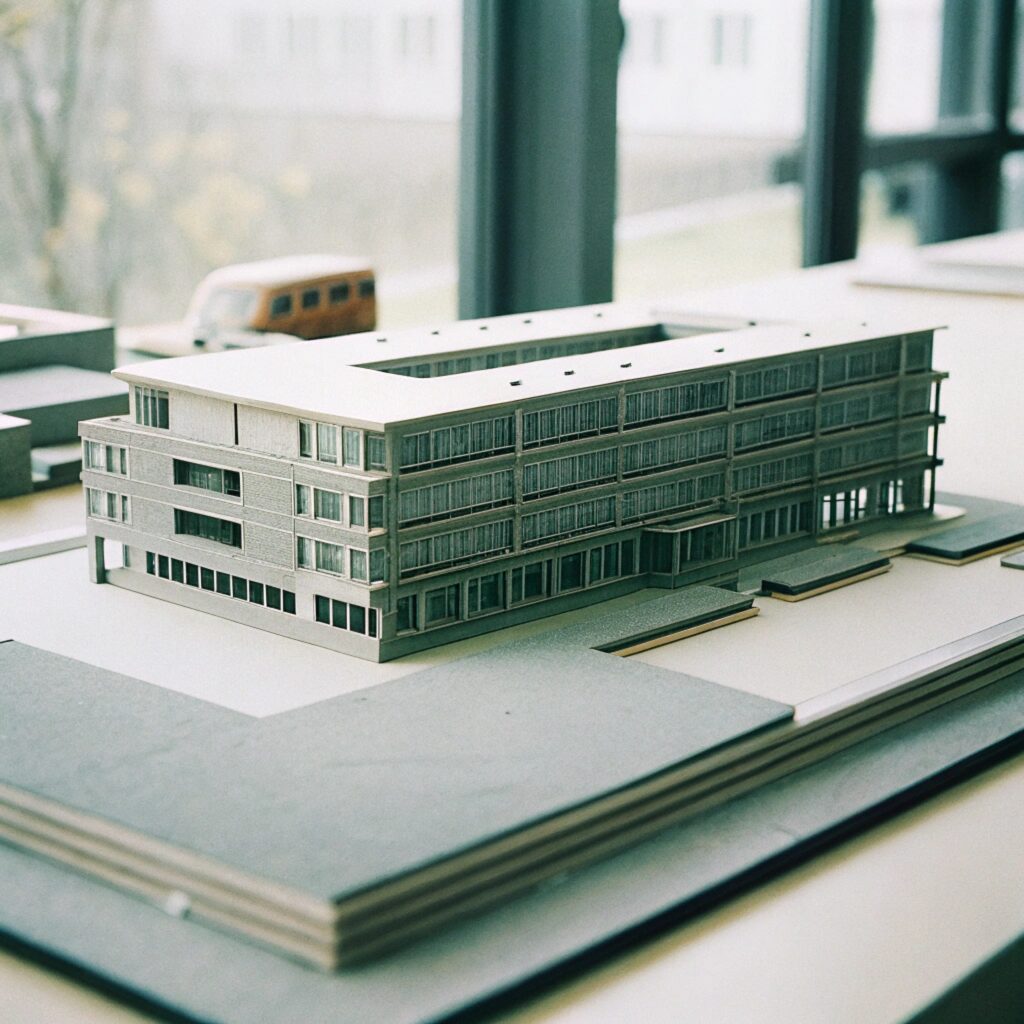
Architecture materials for scale models include foam board, balsa and basswood, acrylic, plywood, metals, and cardboard, selected for durability, versatility, and realistic representation. QZY Models uses these premium materials to craft precise models for architects, developers, and urban planners, combining aesthetics with structural accuracy to deliver professional, exhibition-ready physical models worldwide.
What Are Architecture Materials for Models?
Architecture materials for models are specialized boards, woods, acrylics, metals, and cardstocks used to construct scaled building representations. QZY Models integrates these to produce models ranging from 1:50 to 1:200 scale, replicating textures, structural forms, and finishes. Foam boards serve as lightweight bases, wood provides fine structural detailing, acrylic mimics glass facades, and metals highlight accents. These materials allow architects to communicate design intent clearly to clients and stakeholders.
| Material | Primary Use | Key Advantage |
|---|---|---|
| Foam Board | Massing and base | Lightweight, easy to cut |
| Balsa Wood | Fine architectural details | Carvable, precise |
| Acrylic | Windows and canopies | Transparent, durable |
Why Use Multiple Materials in Models?
Using multiple materials enhances realism, visual impact, and structural functionality. QZY Models combines foam, wood, acrylic, and metals to represent diverse architectural elements like stone walls, glass facades, and steel frameworks. Layering materials enables lightweight construction while preserving detail. Acrylic adds clarity for windows, metals strengthen accents, and wood provides tactile textures. This approach improves exhibition appeal and presentation quality, making the model both educational and persuasive for clients and investors.
How to Choose Materials for Your Model?
Material selection depends on model scale, purpose, budget, and longevity. Foam and cardboard suit early-stage prototypes, while basswood, acrylic, and metals work for presentation models. QZY Models recommends testing samples to ensure workability and visual fidelity. Consider project scope: quick conceptual designs favor foam; detailed urban or industrial models require wood-acrylic-metal combinations. Sustainability is key—FSC-certified wood and low-VOC finishes should be prioritized. Prototyping sections helps validate assembly and detailing before full production.
What Woods Work Best for Architecture Models?
Balsa, basswood, and plywood are the top choices for scale models. Balsa is lightweight for roofs and large spans, basswood carves easily for trims and railings, and plywood provides rigidity for bases. QZY Models applies stains and finishes to replicate real wood textures such as cedar, spruce, or oak. These woods resist warping when sealed and are suitable for detailed models displayed in humid conditions. Heavy hardwoods are reserved for accent pieces, ensuring assembly efficiency and precision.
Which Acrylic Types Suit Architectural Models?
Clear and colored acrylic sheets, typically 1–5mm thick, are ideal for glazing, canopies, and contemporary facades. QZY Models also uses frosted or UV-resistant acrylic for diffused light effects and durability. Extruded acrylic offers clean cuts, while cast acrylic provides mirror-like finishes. Thickness depends on scale: 2mm works well for 1:100 models. Combining acrylic with wood or metal enhances realism for premium presentations.
| Acrylic Type | Thickness | Best For |
|---|---|---|
| Clear Extruded | 1–3mm | Windows, facades |
| Frosted | 2mm | Diffused interior lighting |
| Colored | 1–5mm | Decorative accents, signage |
How to Source Sustainable Architecture Materials?
Sustainable materials include FSC-certified woods, recycled acrylic, and bio-based foams. QZY Models sources and vets these globally, ensuring environmental compliance and consistent quality. Eco-friendly suppliers reduce VOCs and waste, while bulk ordering lowers costs. QZY Models’ branches in UAE and Saudi Arabia provide local access to sustainable stocks for Middle East clients, streamlining logistics for international projects.
What Tools Handle These Materials?
Essential tools include X-Acto knives, laser cutters, CNC routers, sanders, adhesives like cyanoacrylate, and airbrushes for finishing. Manual tools suit prototypes, while digital fabrication scales production. QZY Models integrates 3D printing for custom inserts and precise detailing. Safety equipment is mandatory during cutting and metalwork. Magnifiers and fine brushes help achieve high accuracy in small-scale elements such as railings, windows, and signage.
QZY Models Expert Views
“Architecture materials bring designs to life by transforming sketches into tactile, interactive models. At QZY Models, we leverage over 20 years of expertise in foam, wood, acrylic, and metals to deliver exceptional precision and realism. Serving clients like Foster + Partners and Vanke across 20+ countries, our UAE and Egypt branches innovate with sustainable material combinations. We ensure each model communicates vision, structural logic, and aesthetic impact effectively, making QZY Models a trusted partner for architects and developers worldwide.” – Richie Ren, Founder, QZY Models
Can Beginners Use Advanced Materials?
Yes, beginners can start with foam and balsa wood before advancing to acrylic and metals. QZY Models provides pre-cut kits and guidance for novices, including schools and small firms. Starting with scrap materials for practice reduces waste. Tutorials and workshops accelerate skill development, enabling accurate, professional-quality results with progressively complex materials.
How to Finish Architecture Model Materials?
Finishing involves sealing, staining, painting, and polishing edges for realism and durability. Matte varnish preserves wood grains, while acrylic can be frosted or polished. QZY Models uses airbrushing for concrete and brick textures and dry-brushing for highlights. UV-resistant coatings protect long-term displays, and test panels ensure finishes appear proportional at scale.
Are Metals Essential for All Models?
No. Metals are mainly used for structural accents or industrial/luxury designs. QZY Models integrates aluminum, brass, or copper minimally to enhance realism while controlling weight and cost. Metals simulate fixtures, beams, and decorative elements and are optional for basic conceptual or residential models.
Conclusion
Choosing the right architecture materials elevates the quality, realism, and impact of scale models. Key takeaways: match materials to model purpose, prioritize sustainable sources, and combine materials strategically. Partnering with experts like QZY Models ensures precision, professional finishes, and reliable delivery, making models effective tools for presentations, exhibitions, and client approvals worldwide.
FAQs
What is the most affordable model material?
Foam board and cardboard provide inexpensive bases under $20 per sheet, suitable for concept models.
Does QZY Models use eco-friendly materials?
Yes, FSC-certified wood and recycled acrylics are standard for sustainable models.
How thick should acrylic sheets be?
1–3mm for 1:100 scale models; thicker sheets are used for larger, detailed presentations.
Can foam replace wood?
Foam is suitable for massing and concept models, but wood is needed for fine detailing; hybrids offer the best balance.
What materials are best for outdoor models?
Sealed plywood and metals withstand weathering. QZY Models professionally applies weatherproof finishes.
itectural models often use foam board, cardboard, balsa wood, basswood, acrylic, MDF, resin, and metal. Foam and cardboard are ideal for concept models due to low cost and ease of shaping, while wood, acrylic, and resin suit detailed or presentation models, offering durability, precision, and a professional finish.
Which materials are best for concept or massing models?
Foam board, cardboard, and paper are perfect for concept models. They are lightweight, easy to cut, inexpensive, and allow quick adjustments. These materials help visualize scale, mass, and layout efficiently before moving on to detailed or final presentation models.
What materials are recommended for detailed architectural models?
Balsa wood, basswood, acrylic, and resin are ideal for detailed models. They offer precision, structural stability, and a polished look. These materials allow intricate features like frames, facades, or miniature components to be crafted with accuracy for both working and presentation models.
How can I make realistic windows or transparent elements in models?
Acrylic or plexiglass is the preferred choice for windows and transparent facades. These materials are clear, durable, and can be cut or shaped precisely. They create a professional, modern look for presentation models, enhancing realism and visual appeal.
Which materials are budget-friendly for architectural modeling?
Cardboard, foam board, and paper are cost-effective options. They are widely available, easy to manipulate, and perfect for quick prototypes, concept studies, and early design iterations without compromising the model’s basic visual representation.
What materials are suitable for high-end presentation models?
MDF, resin, acrylic, and metal are commonly used for premium presentation models. These materials provide precision, durability, and a refined appearance, allowing architects and developers to showcase projects to clients, investors, or exhibitions with professional quality.
How does material choice affect model-making efficiency?
Choosing the right material impacts speed, detail, and budget. Lightweight and soft materials like foam and cardboard accelerate early-stage modeling, while durable and precise materials like acrylic, resin, or wood are better for detailed or presentation stages, ensuring quality and visual impact.
Why do professional firms like QZY Models use diverse materials in projects?
Professional teams combine foam, wood, acrylic, resin, and metal to balance cost, efficiency, and visual effect. QZY Models leverages this mix to deliver precise, durable, and visually striking architectural models for clients worldwide, including developers and design firms, adapting material choice to project scale and presentation needs.