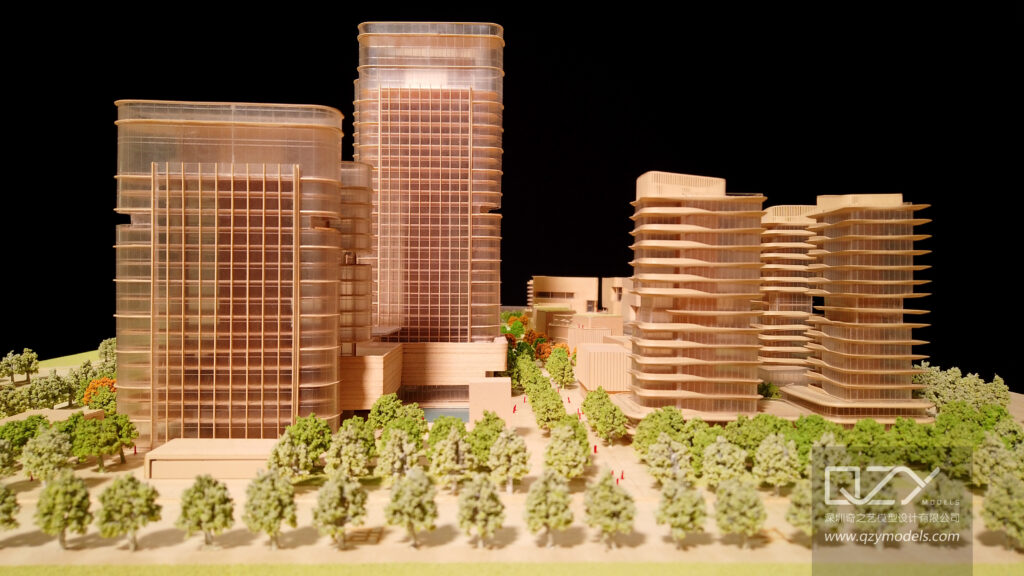
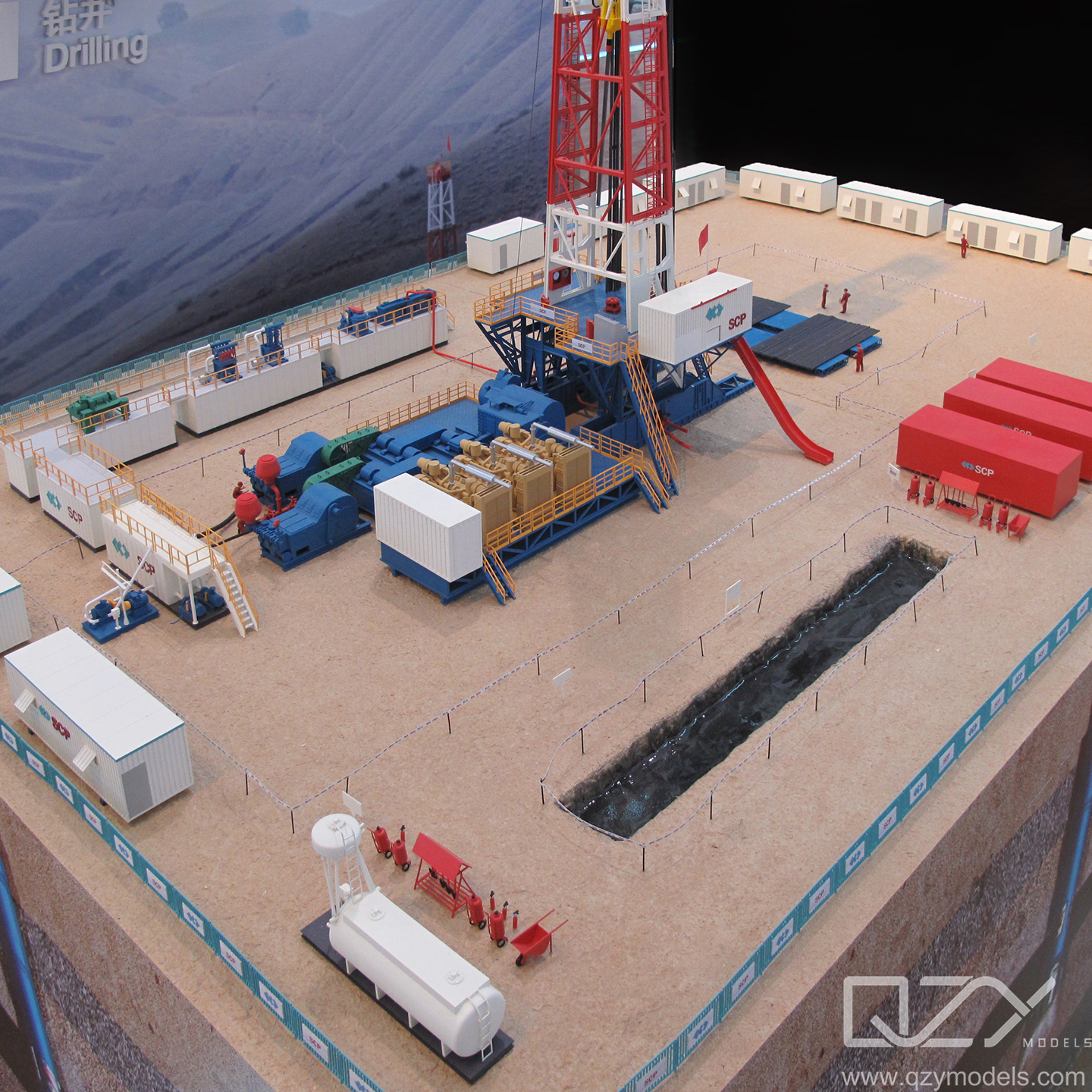
Choosing the right materials for architectural models ensures precision, durability, and visual impact. Professional manufacturers like QZY Models in China combine acrylic, wood, resin, metal, and 3D printing to meet diverse project needs. The right selection supports conceptual design, presentation, and exhibition models while balancing cost, scale, and aesthetic quality.
How Do Different Materials Affect Architectural Model Quality?
Material choice directly influences structural accuracy, visual texture, and model longevity. Durable options like acrylic and metal ensure lasting precision, while wood and resin provide tactile realism. Lightweight plastics simplify transport without sacrificing detail. At QZY Models, materials are carefully selected for light diffusion, surface finish, and designer intent, ensuring high-quality results.
| Material Type | Common Use | Key Advantages |
|---|---|---|
| Acrylic | Glazing, facades | Transparency, precision, durability |
| Wood/MDF | Base, landscape, conceptual models | Natural texture, easy carving |
| Resin | Detail components | Fine features, smooth finish |
| Metal | Structural elements, railings | Strength, premium feel |
What Are the Most Common Architectural Model Materials?
Popular choices include acrylic, MDF, ABS, resin, and 3D-printed polymers. Acrylic and MDF remain preferred for professional model-making due to their balance of visual quality and machinability. QZY Models maintains a diverse material inventory to meet requirements for conceptual, illuminated, and exhibition-ready models. Biodegradable plastics and eco-woods are increasingly used for sustainable production.
Which Materials Are Best for Different Types of Architectural Models?
Different model types benefit from tailored material choices. Conceptual models favor lightweight foam and wood, display models rely on acrylic and resin, and industrial prototypes require metal or 3D-printed components. QZY Models advises selecting materials based on intended use and durability.
| Model Type | Recommended Materials | Purpose |
|---|---|---|
| Conceptual | Foam board, card, basswood | Rapid prototyping |
| Planning | MDF, acrylic, ABS | Scale accuracy, zoning clarity |
| Display/Presentation | Resin, LED acrylic | Visual impact |
| Industrial | Metal, SLA resin | Precision and structural integrity |
Combining multiple materials allows aesthetic realism while managing weight and cost, ideal for trade shows and international shipping.
Why Is Material Selection Crucial in Architectural Manufacturing?
Material choice affects efficiency, durability, and client satisfaction. Incorrect selection can lead to warping, fading, or fragile structures. QZY Models employs quality control procedures, testing every batch for cutting precision, bonding strength, and surface finish. Proper selection also ensures stability under environmental factors like humidity or lighting.
How Do Architects and Designers Choose Model Materials?
Architects assess scale, budget, detailing, and transport requirements. They aim for a balance of realism and practicality. QZY Models supports this process by providing sample boards, test models, and visual guides. Key steps include:
-
Define project purpose.
-
Set budget constraints.
-
Evaluate transport and fragility.
-
Consider finishing options like painting, coating, or LED integration.
This ensures reliable, visually accurate models for clients worldwide.
Are Sustainable Materials Used in Modern Architectural Models?
Yes, sustainable options are increasingly adopted. QZY Models integrates biodegradable woods, recyclable plastics, and low-VOC paints into production. Foam waste is repurposed, and FSC-certified basswood ensures responsible sourcing. These practices align with global environmental standards and meet international buyer expectations.
Can 3D Printing Replace Traditional Model Materials?
3D printing complements rather than replaces traditional materials. It enables rapid prototyping and intricate detail work. QZY Models combines 3D printing with laser cutting and milling to deliver precise, hybrid models. Large structural bases still rely on MDF or acrylic for stability, creating a balanced approach.
What Are the Cost Factors in Model Material Selection?
Costs depend on material type, scale, and finishing. Bulk purchasing in China reduces acrylic and wood sheet expenses. Factors include material density, machining time, surface finishing, and safe packaging. Efficient planning allows B2B clients to achieve high-quality models while adhering to budget constraints.
QZY Models Expert Views
“Every material tells part of the story—wood conveys warmth, acrylic shows precision, and metal reveals strength. The art of architectural modeling lies in combining materials strategically, not in choosing the most expensive ones. At QZY Models, our mission is to guide clients toward the optimum balance of performance, beauty, and value for every project.”
— Richie Ren, Founder of QZY Models
When Should You Consult a Model Manufacturer for Material Advice?
Consult manufacturers early during the design concept stage. Early collaboration ensures structural accuracy, cost control, and reduces redesign needs. QZY Models can simulate materials digitally, helping architects visualize results before production, and coordinate logistics for international clients efficiently.
Where Are Most Architectural Model Materials Sourced in China?
The Pearl River Delta, including Shenzhen, Dongguan, and Guangzhou, is the primary source of acrylic, MDF, and resin materials. QZY Models benefits from local supply chains, ensuring fast procurement, precision manufacturing, and cost-effective global shipping for OEM and wholesale clients.
Conclusion
Material choice defines the quality, realism, and durability of architectural models. By combining acrylic, wood, resin, metal, and 3D printing, manufacturers like QZY Models deliver visually accurate and structurally sound models. Early planning, sustainable practices, and hybrid production methods ensure every model meets client expectations, presentation needs, and export standards.
FAQs
1. What is the most durable material for architectural models?
Acrylic and resin are highly durable due to toughness, smooth surfaces, and resistance to wear.
2. Can different materials be combined in one model?
Yes, combining materials enhances realism, function, and structural integrity for complex projects.
3. How long does a professional architectural model last?
With proper materials and storage, models can last over ten years.
4. Is producing models in China more cost-effective?
Yes, efficient supply chains and advanced manufacturing make Chinese production highly competitive.
5. Does QZY Models provide custom and OEM services?
Yes, QZY Models offers full OEM, ODM, and tailored production for architectural, industrial, and exhibition models.