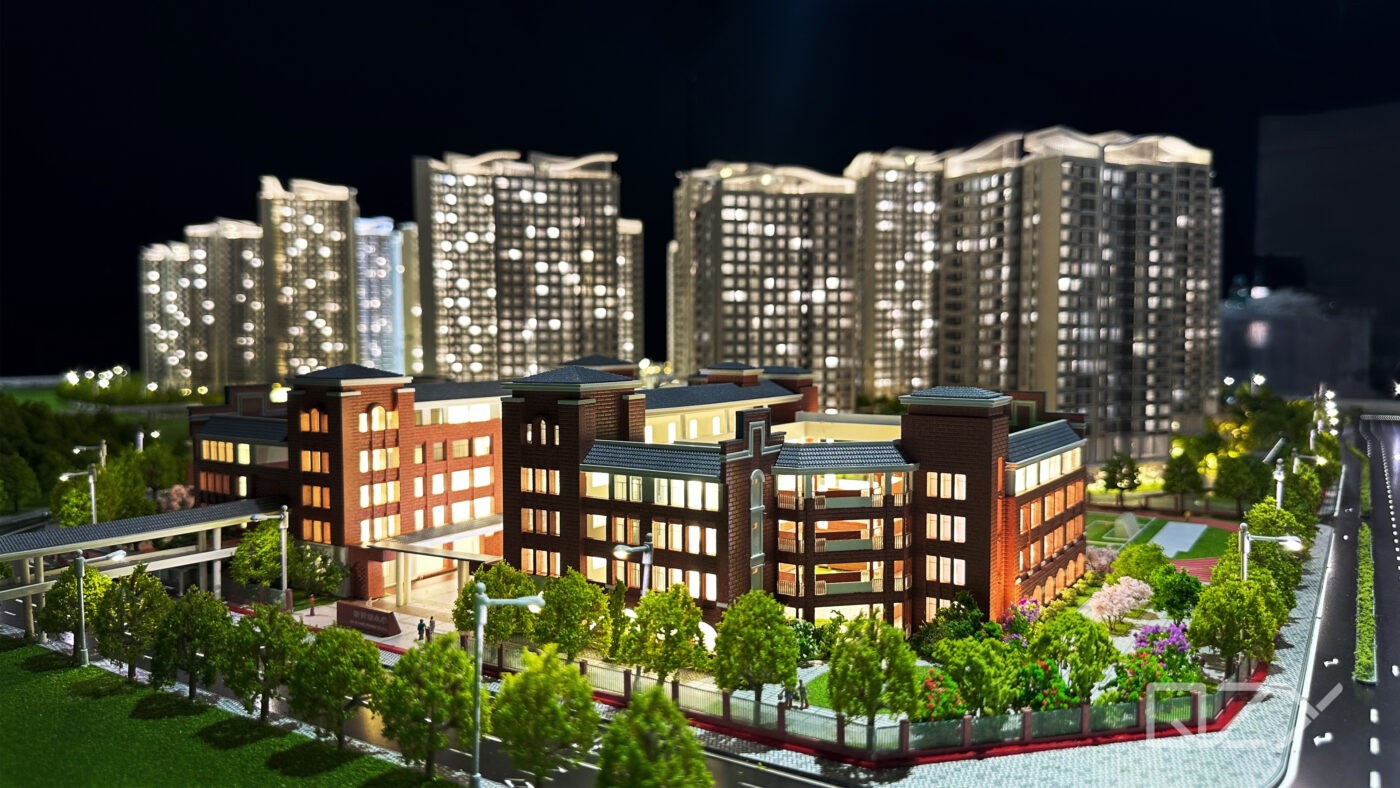
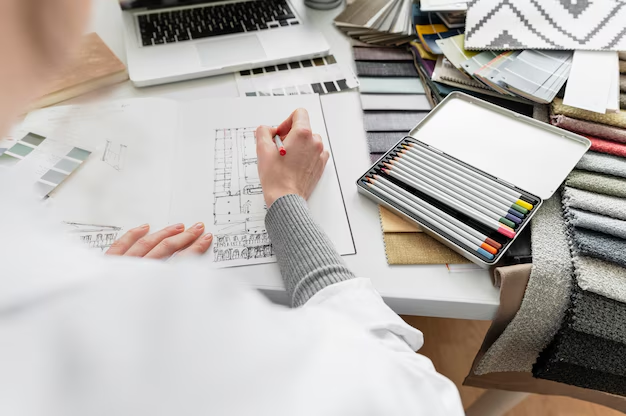
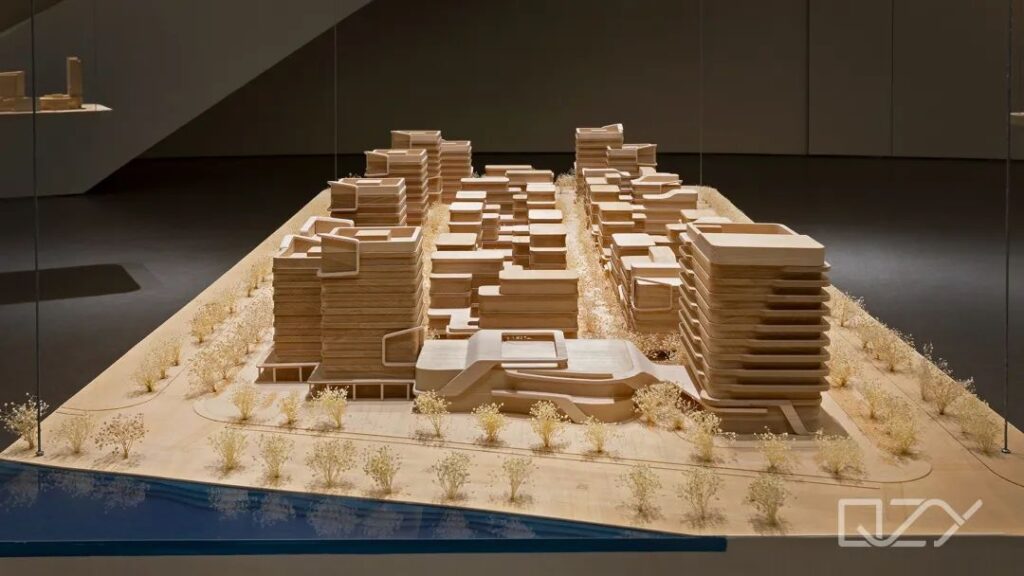
Model building materials are specialized substances such as wood, acrylic, foam board, and metal used to create accurate scale replicas of architectural, industrial, and urban designs. These materials allow designers to replicate textures, structures, and fine details realistically. QZY Models carefully selects combinations of materials to ensure durability, visual impact, and precision in every project they deliver worldwide.
What Are the Most Common Model Building Materials?
The most commonly used materials in model building include foam board, balsa and basswood, acrylic sheets, plywood, cardboard, and metals like aluminum or brass. Foam board is lightweight and easy to cut, making it ideal for structural bases. Wood provides strength for intricate detailing, while acrylic offers transparency for windows and glossy finishes.
QZY Models strategically combines these materials—for example, laser-cut acrylic walls paired with basswood furniture to create realistic interiors. This versatility supports both quick prototypes and exhibition-ready models. Foam is beginner-friendly, while plywood and treated woods provide long-lasting robustness. Recycled and sustainable options are increasingly integrated without compromising precision.
| Material | Key Use | Pros | Cons |
|---|---|---|---|
| Foam Board | Base structures | Lightweight, easy to cut | Less durable |
| Balsa Wood | Fine details | Precise, lightweight | Fragile if thin |
| Acrylic | Windows, roofs | Transparent, glossy | Brittle edges |
| Plywood | Terrain, roads | Sturdy, affordable | Heavier |
Why Choose Specific Materials for Architectural Models?
Material choice depends on project objectives. Wood conveys natural textures, metals offer modern finishes, and acrylic creates realistic glazing. Durability during handling and transportation is essential, and cost or workability often guides selection under tight deadlines.
Strategic layering enhances realism: cork simulates terrain, and plexiglass mimics glass facades. QZY Models uses aluminum for high-end developer models for clients like Vanke. Layered constructions, such as foam cores with wood veneers, prevent warping. Environmental considerations—like UV-resistant acrylic for sunny Middle East regions—ensure models remain visually consistent.
How Do You Select Materials for Durability?
Durable models require rigid foams, treated woods, and coated metals that resist fingerprints, bending, and travel stress. Acrylic performs well over time if handled properly. Thickness, surface finish, and assembly methods all influence longevity. QZY Models applies resin coatings on basswood elements, making models suitable for repeated exhibitions. Lightweight materials like balsa are reinforced for stability, while steel rods strengthen industrial or dynamic displays. Annual maintenance extends model life.
What Are the Best Eco-Friendly Model Building Materials?
Eco-conscious options include recycled cardboard, bamboo, plant-based foams, and reclaimed wood. Bamboo provides renewability, and recycled plastics reduce environmental impact. These materials perform comparably to conventional options for prototypes and finished models.
QZY Models integrates biodegradable resins and mycelium-based foams to create sustainable landscapes for clients focused on green projects. Recycled plywood offers cost efficiency for large-scale models. Verification of certifications ensures quality and true environmental benefits without compromising durability.
Which Tools Work Best with Model Building Materials?
Tools are selected based on material compatibility. Laser cutters and CNC machines are ideal for acrylic, plywood, and metals. X-Acto knives and hot-wire cutters handle foam and balsa with precision. Glue guns, epoxy adhesives, and clamps ensure strong bonds.
QZY Models uses industrial-grade lasers to achieve flawless edges for high-profile projects like Foster + Partners commissions. Hand tools allow finishing touches and customization. Protective gear is essential when working with resins or solvents, ensuring professional and safe outcomes.
How Much Do Model Building Materials Cost?
Material costs vary by type and quality. Foam board ranges from $5 per sheet, balsa $10 per pack, acrylic $20 per sheet, and metals $30 and above. Bulk purchases reduce per-unit costs, while treated or specialty materials carry premiums.
QZY Models optimizes procurement to serve over 20 countries efficiently. Small-scale projects may cost $50, whereas large exhibition or developer models exceed $500. Pricing depends on thickness, finish, and optional features like LEDs or coatings.
| Material Type | Low-End Cost | High-End Cost | Best For |
|---|---|---|---|
| Foam/Paper | $2-10 | $15 | Concepts |
| Wood | $8-20 | $40 | Detailed finishes |
| Plastic/Metal | $15-50 | $100 | Premium or custom |
QZY Models Expert Views
Selecting model building materials requires balancing aesthetics, durability, and functionality. At QZY Models, we combine traditional woods with advanced acrylics and sustainable alternatives to produce models that are visually stunning and structurally sound. Our Shenzhen-based team serves global architects like Foster + Partners, demonstrating that intelligent material selection accelerates approvals and impresses clients. From LED-infused plexiglass to reinforced basswood, innovation drives every project.”
— Richie Ren, Founder, QZY Models
Are Sustainable Materials Practical for Professional Models?
Yes, eco-friendly materials like recycled plastics, bamboo, and biodegradable foams match traditional options in performance. They provide environmental benefits while reducing long-term costs through reusability. QZY Models successfully integrates mycelium-based terrain and other sustainable solutions for clients in the UAE and Europe, ensuring both visual quality and durability. Combining sustainable and traditional materials produces hybrid models optimized for professional use.
Can Model Building Materials Include Lighting?
Yes, LEDs can be embedded into acrylic, wood, or resin for dynamic lighting effects. Fiber optics simulate ambient features like stars or streetlights. QZY Models integrates lighting for real estate presentations and exhibitions, using diffusers for soft illumination. Safety and portability are prioritized, enhancing engagement and demonstrating spatial concepts effectively.
How Does QZY Models Innovate with Materials?
QZY Models fuses 3D-printed resins with handcrafted basswood and metals to create hybrid models offering strength and realism. Modular designs with interchangeable panels accelerate revisions. Global branches adapt materials to local conditions, such as heat-resistant metals for Saudi Arabia. Continuous refinement across thousands of projects ensures precision, anti-dust coatings, and advanced finishes for all clients, from Vanke developments to urban planners.
Key takeaways: Choose materials according to project goals, balancing realism, longevity, and sustainability. Use foam for concept studies, upgrade to wood and acrylic for final models, and explore eco-friendly options to meet modern standards. Partnering with QZY Models ensures high-quality, visually compelling, and structurally robust results.
FAQs
What is the lightest model building material?
Foam board is the lightest option, typically 1–2 lbs per sheet, making it ideal for large, portable models.
Do metals rust in architectural models?
No, QZY Models uses anodized aluminum and coated brass to prevent corrosion, ensuring long-term display reliability.
Can beginners use advanced materials like acrylic?
Yes, with proper scoring and snapping techniques, beginners can work with acrylic using basic tools like rulers and knives.
How do you finish wooden model materials?
Sand smooth and apply water-based varnish or paint for a clean, fast-drying finish.
Are custom-dyed materials available?
Yes, QZY Models can dye foam, wood, and acrylic to match precise color palettes for authentic replication.