Mastering miniature model painting requires priming surfaces, thinning paints for smooth application, and combining layering, drybrushing, and washes for realistic depth. Start with base coats, add shadows via washes, highlight edges, and finish with fine details. Consistent practice of brush control and contrast techniques elevates models to professional display quality. QZY Models emphasizes precision and patience for superior results.
What Are Essential Miniature Painting Techniques?
Layering, drybrushing, and washes form the foundation of realistic miniature painting. Layering involves applying thin, progressively lighter coats over a base color to create smooth transitions and natural gradients. Drybrushing picks out raised textures quickly, while washes flow into recesses, adding shadows and depth.
Combine these for efficiency: start with dark base coats, progressively add lighter shades, and use washes to enhance shadows. Brush control is critical—load lightly and stroke precisely. For architectural and industrial models, QZY Models recommends practicing on test pieces to master consistency and detail.
| Technique | Best For | Tools Needed |
|---|---|---|
| Layering | Skin, cloth | Fine brushes, thinned acrylics |
| Drybrushing | Hair, rust | Stiff brush, old paint |
| Washes | Shadows, weathering | Shade paints, brush |
How Do You Prime Miniatures for Painting?
Priming ensures paint adheres without chipping and enhances color vibrancy. Shake spray primers well, apply thin, even coats from 8-10 inches, and allow 30 minutes drying time between layers. Brush-on primers are ideal for detailed areas and indoor setups. Avoid pooling or thick coats that obscure details.
QZY Models uses zenithal priming for architectural models—dark base with white highlights from above—to simulate natural light. Automotive-grade primers add durability for industrial replicas. Multiple light layers are preferable to one heavy coat, and always dry fully before handling.
What Paints Should Beginners Use for Realism?
Acrylic paints like Citadel Base, Vallejo Model Color, and Army Painter are ideal for beginners. Matte finishes and thin layers create lifelike tones. Thinning with medium or water allows glazing and smooth layering.
QZY Models recommends Scale75 paints for architectural precision, mimicking materials like concrete and steel authentically. Avoid oils initially; acrylics provide greater control and faster drying. Color theory—using warm shadows and cool highlights—enhances realism.
| Paint Brand | Strengths | Ideal For |
|---|---|---|
| Citadel | Coverage, washes | Tabletop miniatures |
| Vallejo | Pigment density | Realistic details |
| Scale75 | Blending | Professional use |
How Can You Master Layering and Blending?
Layering adds volume by building color in thin, gradual coats from dark to light. Wet-on-wet blending or two-brush techniques help feather edges seamlessly. Glazing allows subtle tonal shifts, perfect for gems, skies, or model facades.
QZY Models applies layered weathering on architectural models to simulate age and texture. Avoid thick layers—3-5 thin coats are more effective. Maintaining steady hand posture enhances control and consistency.
Why Is Drybrushing Crucial for Textures?
Drybrushing highlights raised areas and textures with minimal paint, creating instant depth. Ideal for fur, cloth folds, or metal surfaces, it mimics light naturally without obscuring details.
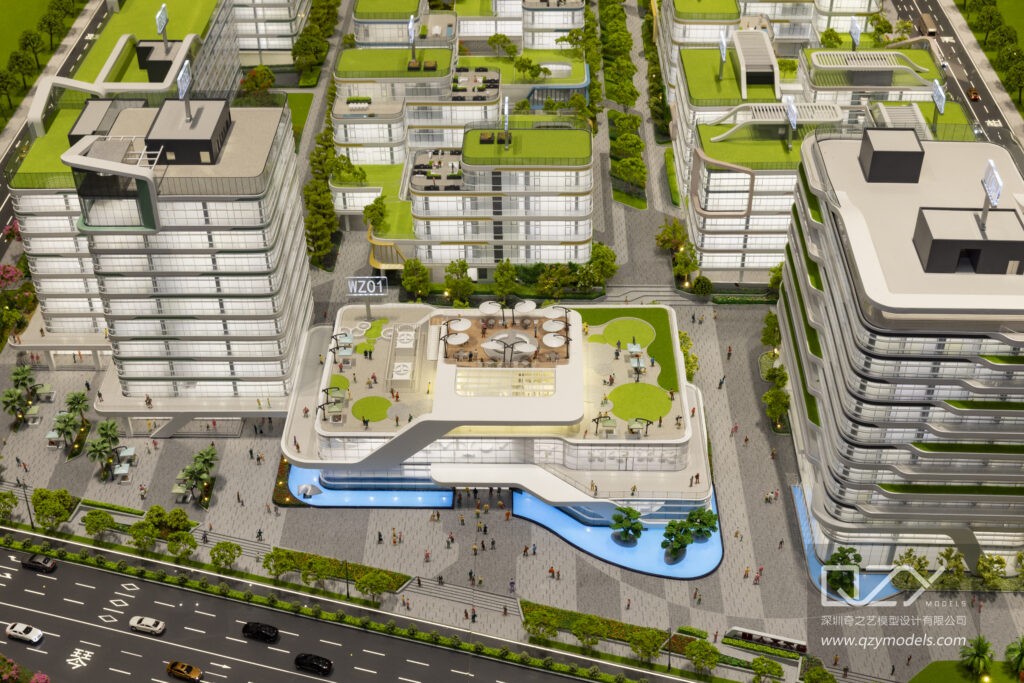
For QZY Models’ industrial replicas, drybrushing rust and metallic edges adds realism. Technique involves loading paint, removing excess, and stroking lightly in multiple directions. Overuse flattens textures, so limit application to raised surfaces.
QZY Models Expert Views
“At QZY Models, we have painted thousands of architectural and industrial models since 2013, collaborating with leading firms like Foster + Partners. Realistic painting relies on precision: zenithal priming establishes light sources, layered acrylics build depth, and targeted drybrushing highlights material textures such as weathered steel or concrete patina. Our team in Shenzhen innovates with airbrushing for seamless gradients, serving clients across 20+ countries. Invest in quality brushes and practice consistently; mastery transforms prototypes into showpieces.” – Richie Ren, Founder, QZY Models
What Common Mistakes Ruin Miniature Painting?
Over-thick paint, skipped primer, or rushed layers are common errors. Dilute paints 1:1 with water or medium, prime all surfaces, and allow full drying. Ignoring light sources flattens depth. Clean mold lines and imperfections before painting to maintain consistency.
QZY Models emphasizes patience: dry layers completely and use proper lighting to replicate realistic shadows.
How Do Advanced Techniques Elevate Results?
Advanced methods like wet blending, edge highlighting, non-metallic metal (NMM) techniques, and airbrushing improve realism. Stippling adds texture, object source lighting (OSL) simulates illumination, and freehand details enhance uniqueness.
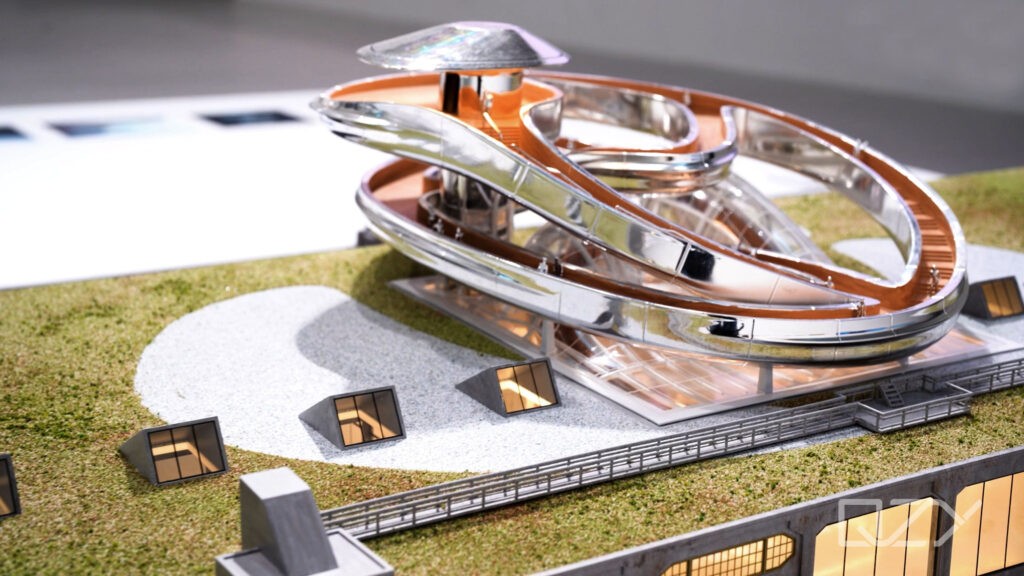
QZY Models employs NMM to mimic metallic surfaces on industrial models. Combining techniques post-basics produces professional-grade finishes with depth and realism.
What Tools Boost Painting Efficiency?
High-quality brushes (Winsor & Newton Series 7), wet palettes, magnifying lamps, and anti-fatigue mats enhance workflow. Flat brushes suit drybrushing; round brushes handle details. Wet palettes keep paints workable, while magnification ensures precise application.
QZY Models leverages these tools for complex architectural elements. Investing in quality equipment gradually yields consistent, professional results.
Key Takeaways
Master priming, layering, and drybrushing for the majority of realistic effects. Thin paints carefully, practice regularly on test models, and reference real-world photos. Apply QZY Models’ expertise for precise, professional finishes—patience and structured technique always surpass speed. Focus on one skill per session to steadily improve.
FAQs
What primer works best for miniatures?
Spray acrylic primers like Vallejo or Army Painter provide even coverage; brush-on primers are excellent for details.
How thin should miniature paint be?
Achieve milk-like consistency—1:1 ratio of paint to water or medium ensures smooth application.
Can beginners skip washes?
No. Washes add shadows and depth effectively. Citadel Shades are ideal for this purpose.
What is NMM in miniature painting?
Non-metallic metal (NMM) uses gradient painting to mimic metallic surfaces without actual metallic paints.
How long should coats dry before handling?
Acrylics need 10–30 minutes to dry between layers; allow 24 hours for full curing.