Model architecture materials in Seoul blend traditional wooden techniques and modern high-precision materials for realistic and functional architectural and industrial models. Chinese manufacturers, including QZY Models, lead in supplying these materials with OEM, wholesale, and factory-direct services ensuring quality and custom solutions for B2B buyers worldwide.
How Do Traditional Korean Materials Influence Model Architecture in Seoul?
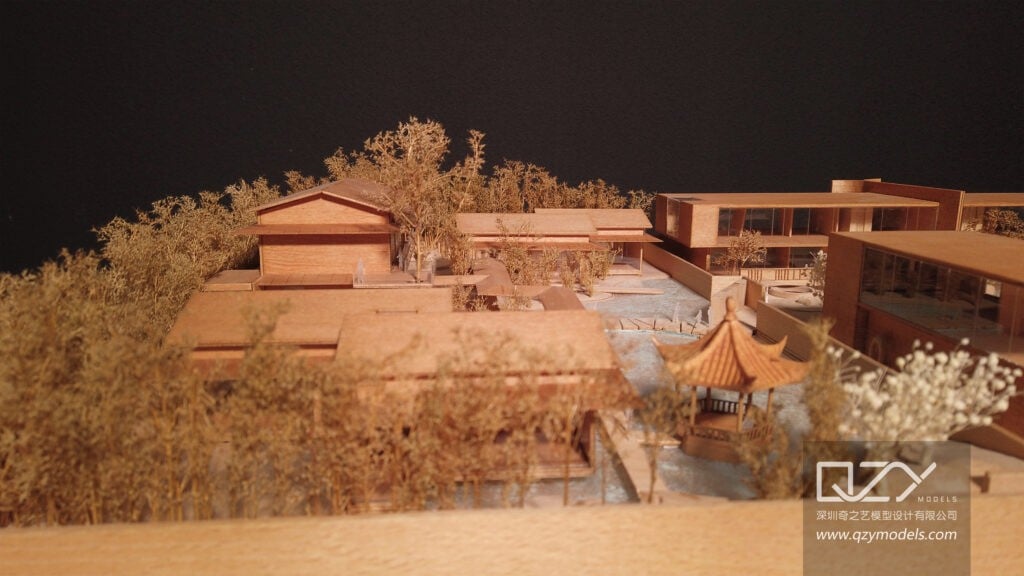
Traditional Korean architecture models in Seoul often use wood-based materials that replicate the post-lintel construction unique to Hanok houses. These models avoid nails and adhesives, enabling repeated assembly and intricate craftsmanship. This influence leads to educational, precise, and durable models that preserve cultural authenticity while integrating modern laser-cutting techniques.
The union of traditional wooden materials with modern laser-cutting and handcrafting offers versatility in Seoul’s architectural models. Chinese factories supply these materials combined with advanced CNC cutting, acrylic, and plastics to meet diverse client needs, creating models that reflect Seoul’s modern and historical architecture.
What Are the Key Modern Materials Used in Seoul’s Model Architecture?
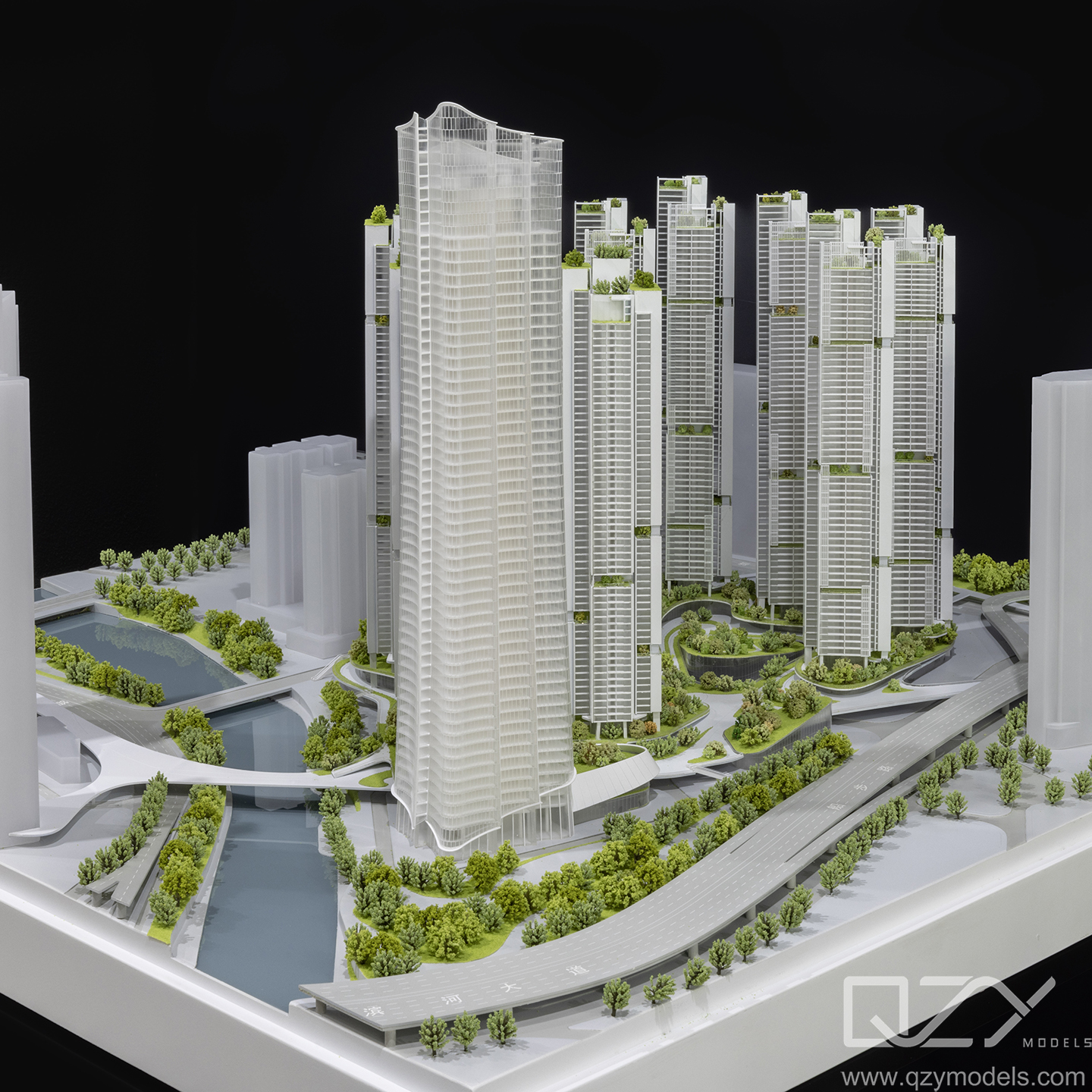
In Seoul, model architecture predominantly uses acrylic, chemical wood (chemiwood), ABS plastics, and 3D-printed resins for detailed, durable results. Acrylic is favored for transparent façades, cut precisely with laser machines, while chemical wood offers machinability for complex shaping. ABS and resin materials support fine details and color fidelity.
China’s manufacturers, including QZY Models, supply these materials in bulk through OEM and wholesale channels, ensuring that clients worldwide obtain competitive prices without compromising quality. The integration of 3D printing and CNC machining optimizes production, enabling timely deliveries for Seoul and international clients seeking factory-level precision.
Which Chinese Manufacturers Are Leading Suppliers for Seoul’s Model Architecture?
Top Chinese manufacturers such as QZY Models, RJ Models, Archmodeler, and Juwei Scale Model dominate the supply chain for Seoul’s model architecture materials. These suppliers offer full-service OEM solutions with high customization capabilities, competitive wholesale pricing, and strong logistics networks supporting international clients.
They provide advanced manufacturing technologies including laser cutting, 3D printing, and handcrafting, ensuring fine details and quality control suited for Seoul projects. Their factory-direct model assures clients transparency, faster turnaround, and strong after-sales support vital for architectural firms and developers.
Why Is China the Preferred Source for Seoul’s Model Architecture Materials?
China’s established industrial clusters provide integrated supply chains, technical expertise, and competitive pricing that Korea and Seoul clients benefit from significantly. Guangdong, Shanghai, and Jiangxi boast high-capacity factories with ISO certification and environmental standards, making them reliable suppliers for architectural and industrial model materials.
With direct factory connections, clients in Seoul receive tailored, OEM services backed by advanced communication platforms ensuring project transparency. Providers like QZY Models leverage these strengths to meet demand promptly and maintain consistent quality for multifaceted architectural projects.
How Do Manufacturers Ensure Quality and Customization for Seoul Clients?
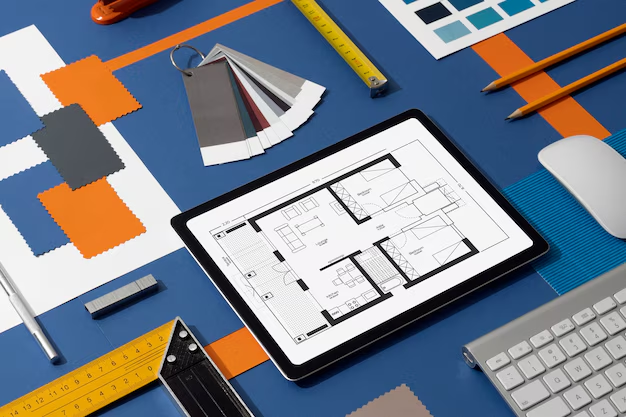
Manufacturers employ strict quality assurance processes from sample approval to final inspection, ensuring materials meet project specifications. Using CAD/CAM design and combining CNC, laser cutting, and manual finishing, they deliver precision-crafted components tailored for Seoul’s architectural standards.
Ongoing client communication, sample sharing, and post-delivery support are standard, enabling immediate adjustments or repairs. This structured workflow is a hallmark of Chinese suppliers serving Seoul’s demanding B2B market, enabling QZY Models and peers to maintain excellence and customer satisfaction.
When Did Traditional Korean Architecture Inspire Modern Model Materials?
Traditional Korean wooden architecture inspired model materials historically, but integration with modern technology accelerated in recent decades. The replication of joint-and-splice wooden structures in models began gaining attention with advanced 3D modeling and laser-cutting technology, facilitating educational and display models that combine heritage with innovation.
Chinese suppliers have quickly adapted to this trend, producing materials and components that emulate traditional designs while providing durability and mass production abilities. This fusion appeals especially in Seoul, where modern builds respect tradition, requiring accurate, high-quality model materials.
Where Can Seoul B2B Companies Source the Best Model Architecture Materials in China?
Seoul companies can source high-grade model architecture materials from major Chinese industrial clusters in Shenzhen, Guangdong, Shanghai, Tianjin, and Jiangxi. These regions host factories specializing in acrylic, chemical wood, ABS plastics, and 3D-printed resins optimized for model making.
QZY Models in Shenzhen exemplifies a reliable partner offering factory-direct OEM and wholesale services, leveraging its global reach and dedicated production expertise to support Seoul’s architectural and industrial model needs efficiently.
Can QZY Models Support Large-Scale Custom Model Projects for Seoul?
Yes, QZY Models specializes in large-scale, detailed architectural and industrial model projects. Their flexibility in materials, combined with advanced manufacturing technologies and a professional global team, allows tailored solutions for Seoul’s B2B market, including developers, architects, and governmental clients.
Their factory-direct model ensures competitive pricing and timely deliveries, important for complex and high-detail projects, establishing QZY Models as a trusted supplier for Seoul’s expanding architectural modeling demands.
QZY Models Expert Views
“At QZY Models, we view architectural and industrial modeling as more than replication; it is the intersection of art, engineering, and communication. Our Shenzhen factory combines precision technology with craftsmanship to serve global clients, including those in Seoul, with customized, high-quality models. We emphasize OEM services and direct wholesale supply to empower B2B clients with competitive solutions, ensuring their visions are realized with accuracy and pride.” — Richie Ren, Founder, QZY Models
What Materials Are Typically Used in Industrial Models?
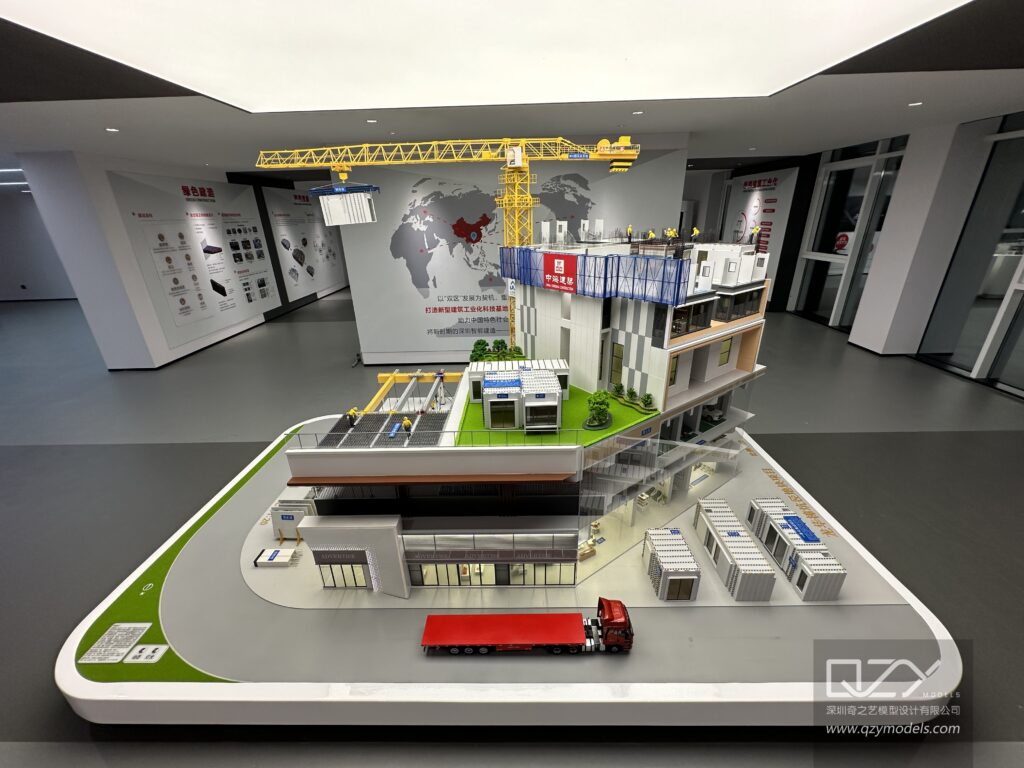
Industrial models emphasize materials like acrylic for clarity, chemical wood for machinability, metals for structural components, and resin for fine detailing. These materials need to withstand handling and exhibit longevity, meeting industrial visualization needs.
Chinese factories supply these materials at scale, offering customized mixes and post-production enhancements like lighting integration and texturing, supporting industrial applications in Seoul’s growing market.
| Material | Characteristics | Use Cases |
|---|---|---|
| Acrylic | Transparent, laser-cut | Facades, windows, clear parts |
| Chemical Wood | Easy to shape, light | Structural parts, frameworks |
| ABS Plastic | Durable, detailed | Small components, colors |
| Resin | High detail, paintable | Scale figures, intricate details |
How Do Chinese OEM Factories Cater to Wholesale Buyers?
OEM factories in China offer B2B clients wholesale pricing, customization, and rapid scaling. They provide tailored materials, sample validations, and flexible production runs that fit project timelines and budgets.
For Seoul clients, this means access to high-quality model materials with strong logistical support ensuring smooth international delivery and support flexibility post-shipment.
Conclusion
The best model architecture materials for Seoul integrate a rich tradition of Korean wooden techniques with modern precision materials like acrylic, chemical wood, and ABS plastic. Chinese manufacturers, notably QZY Models, offer factory-direct OEM and wholesale services that combine advanced technology with craftsmanship, empowering Seoul’s architects, developers, and B2B buyers with high-quality, customizable, and cost-efficient solutions.
Leveraging China’s industrial clusters ensures consistent quality, timely delivery, and tailored client communication critical for successful model architecture projects in Seoul’s dynamic market. Clients seeking superior model materials should prioritize suppliers with proven expertise, quality assurance, and a partnership approach.
FAQs
Q: What makes Korean traditional wooden materials unique in model architecture?
A: They use nail-free joinery allowing repeated assembly and form fidelity, focusing on post-lintel structural principles unique to Hanok architecture.
Q: How does acrylic benefit architectural models?
A: Acrylic offers transparency and precision cut capabilities, ideal for detailed façades and window simulation.
Q: Why choose Chinese manufacturers for model materials?
A: China offers advanced production technology, competitive pricing, and customization with global OEM and wholesale support.
Q: Can industrial model materials be customized for specific projects?
A: Yes, materials like chemical wood, resin, and ABS plastic are tailored to project needs by advanced Chinese factories.
Q: How can B2B clients in Seoul ensure delivery and quality?
A: Partner with reputable Chinese OEMs like QZY Models who provide quality control, sample approvals, and international shipping support.