Architectural models in Oslo play a vital role in visualizing complex designs, improving communication among stakeholders, and facilitating city planning. For architects and developers seeking quality, sourcing from professional Chinese manufacturers like QZY Models ensures precision, cost-efficiency, and customizable physical models that meet both artistic and technical demands.
How Are Architectural Models Used in Oslo’s Design Process?
Architectural models in Oslo serve as tangible tools to visualize building forms, urban layouts, and environmental impacts before construction begins. They enhance client presentations, assist city authorities in approvals, and enable detailed project planning tailored to Oslo’s unique Nordic environment. Models help communicate complex ideas simply and boost stakeholder engagement.
Oslo’s architecture emphasizes sustainability and natural integration, so models often reflect eco-sensitive features. By representing scale, texture, light, and spatial relationships, these models bring design intent into physical reality, fostering better decision-making throughout the project lifecycle.
What Types of Architectural Models Are Popular in Oslo?
The popular types include conceptual massing models, detailed scale models, urban planning models, context/site models, and competition models. Each serves a specific purpose:
-
Conceptual massing models illustrate basic volumes for early-stage design.
-
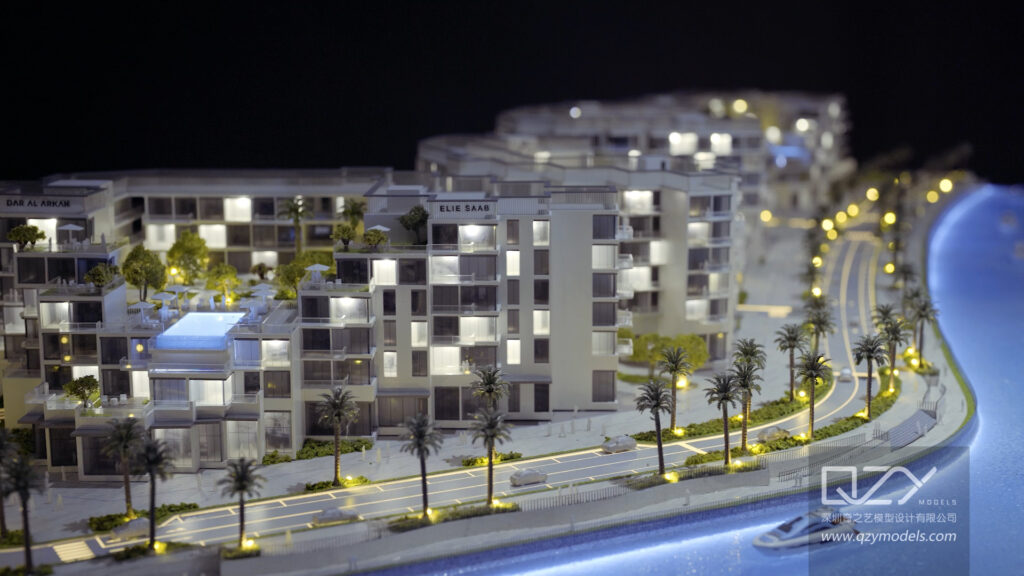
Detailed models emphasize façade finishes and landscaping for marketing.
-
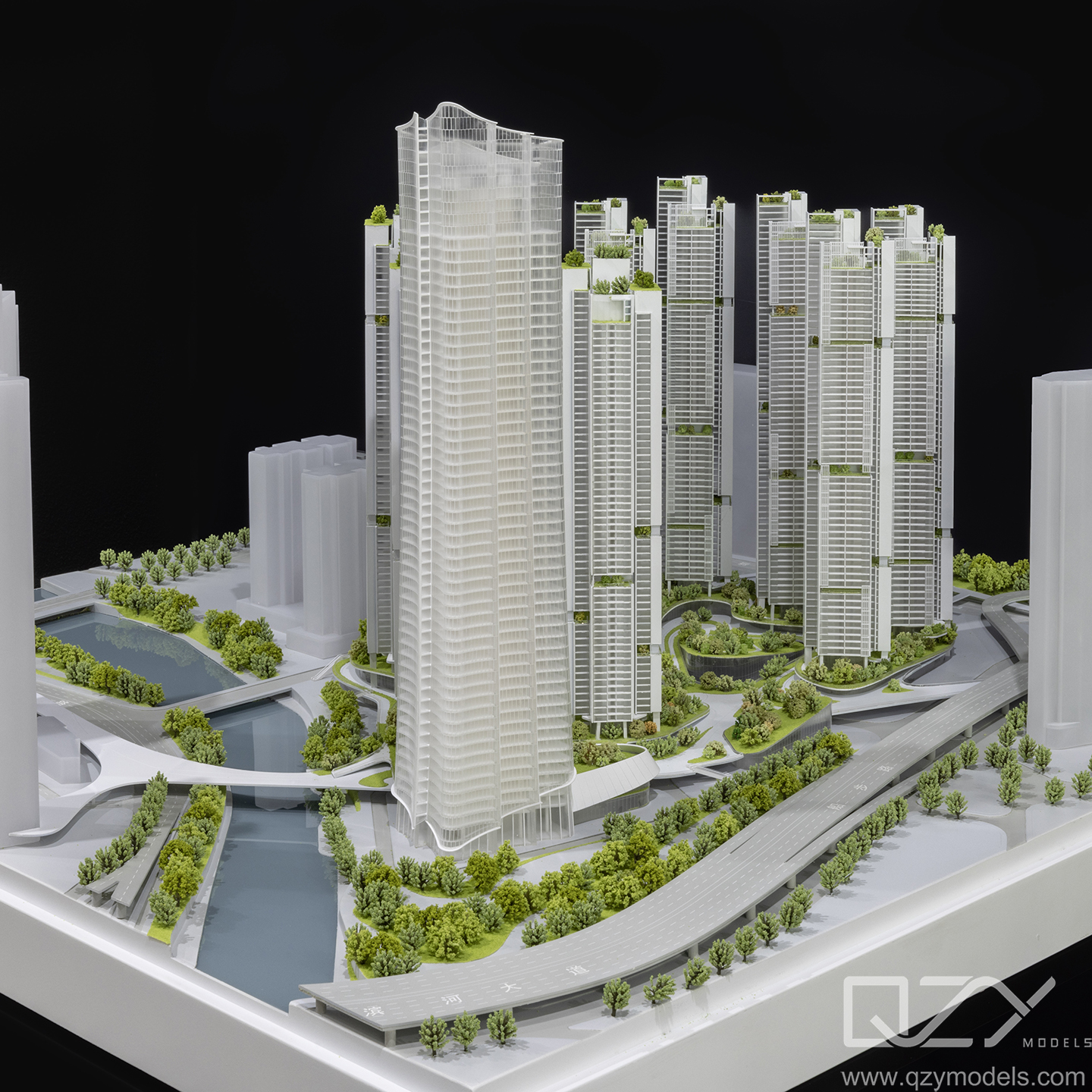
Urban planning models showcase city districts with infrastructure.
-
Context models portray surroundings to assess integration.
-
Competition models highlight unique, innovative designs.
These models support Oslo’s mix of residential, commercial, cultural, and industrial projects by providing accurate, visually engaging representations.
Which Advantages Do Chinese Manufacturers Offer for Architectural Models?
Chinese suppliers like QZY Models offer unbeatable advantages: high customization, precise craftsmanship, competitive wholesale pricing, and OEM services designed for B2B clients. They use advanced tech such as CNC machining and 3D printing combined with artisan techniques to deliver high-fidelity, scalable architectural models.
Working directly with factories in China offers reliability in volume orders and innovation in material use. For Oslo’s architects seeking cost-effective solutions without sacrificing quality, Chinese manufacturers are preferred partners that streamline production timelines and provide tailored service.
Why Should Oslo Architects Choose OEM Services from Chinese Model Factories?
OEM (Original Equipment Manufacturer) services allow Oslo architects to get fully customized, project-specific architectural models directly from China’s factories like QZY Models. This brings benefits such as:
-
Tailored materials, features, and scales.
-
Cost savings from factory-direct pricing.
-
Efficient handling of bulk orders.
-
Access to cutting-edge fabrication technology.
-
Consistent quality control and delivery timelines.
OEM collaboration supports sustainable, innovative projects in Oslo with precise representation for presentations, approvals, and marketing.
Where Can Oslo Architects Source High-Quality Architectural Models?
Oslo architects can source models from prominent Chinese manufacturers specializing in architectural scale models, such as QZY Models based in Shenzhen. These suppliers provide international shipping, professional communication, and customization to meet Oslo’s project needs, from concept models to intricate presentations.
Platforms hosting verified B2B factories, OEM capabilities, and wholesale pricing enable architects and developers to partner confidently with Chinese experts delivering innovative and precise physical models.
How Do Architectural Models Enhance Planning and Approvals in Oslo?
Models help planners and regulatory bodies understand complex designs and environmental impacts, leading to faster approvals. They visually communicate compliance with local building codes, regulations, and sustainability standards integral to Oslo’s urban development.
Physical models highlight spatial relationships, lighting, and ecological features, aiding stakeholders in assessing impacts and facilitating collaborative decision-making. This reduces costly design changes later in construction.
What Innovative Techniques Are Used in Architectural Model Making?
Model makers employ a blend of traditional craftsmanship and advanced technology. Laser cutting, 3D printing, CNC machining, and hand finishing ensure accuracy and aesthetic detail. Sustainable and durable materials are prioritized.
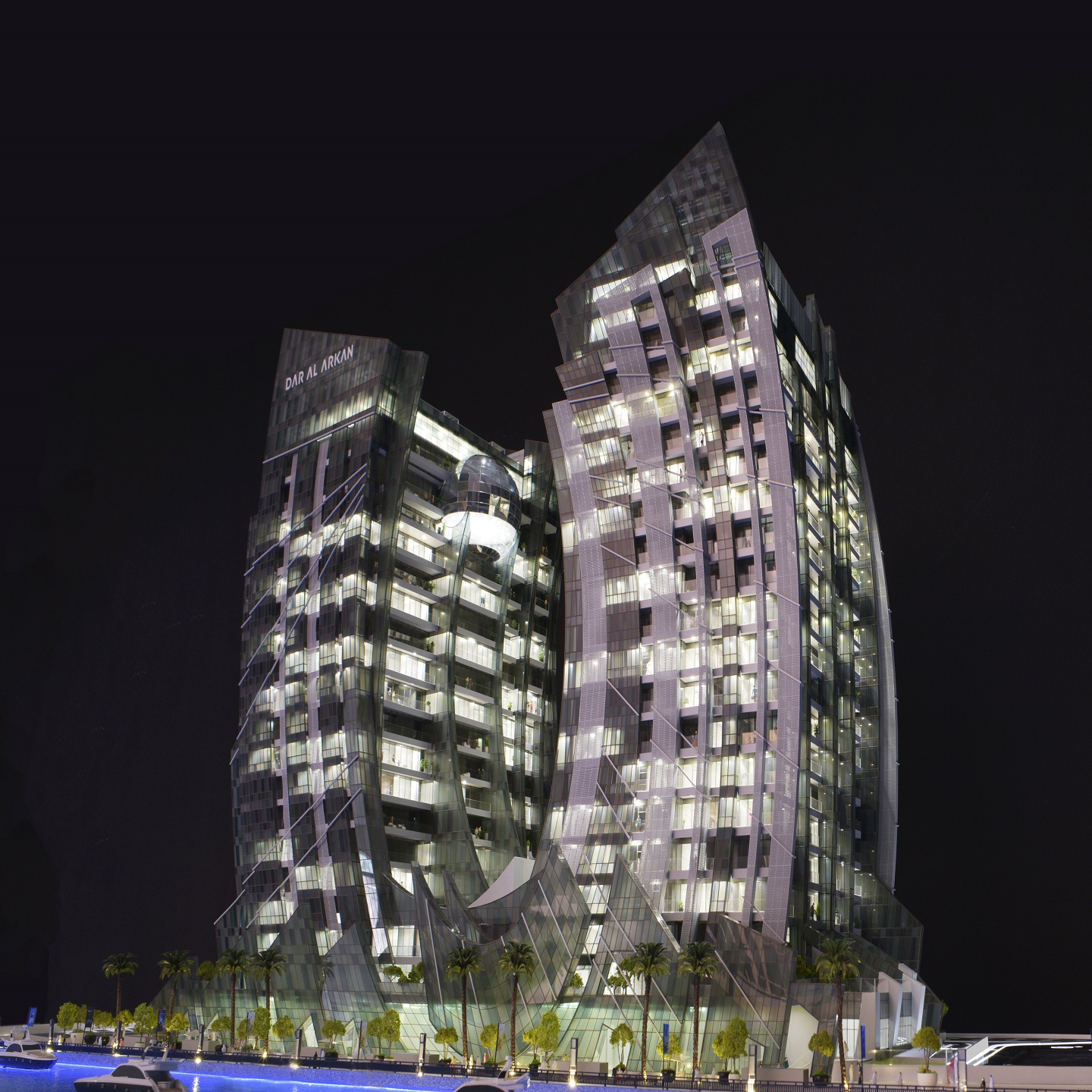
Lighting integration, moving parts, and multimedia elements create interactive, dynamic models that engage clients and public audiences, vital for exhibitions and competitions in Oslo’s design community.
How Does QZY Models Stand Out in the Architectural Model Industry?
QZY Models, founded in 2013 in Shenzhen, China, combines over 20 years of expertise with modern fabrication technology and artistic craftsmanship. They specialize in OEM and wholesale architectural models, serving global clients including Oslo architects.
The company emphasizes quality, precision, and professional service, working closely with world-famous architecture firms to craft detailed, innovative models that meet diverse needs.
What Should Clients Expect from a B2B Architectural Model Manufacturer in China?
Clients benefit from end-to-end service—from consultation, CAD and 3D design, to production and delivery. Transparent communication, quality assurance, and after-sales support are standard. Models are tailored to client specifications, project scales, and timelines, ensuring efficient collaboration.
Competitive pricing models and scalable production make Chinese manufacturers like QZY Models ideal for large architectural firms and developers in Oslo looking for factory-direct, customized models.
| Model Type | Description | Typical Use |
|---|---|---|
| Conceptual Massing | Simplified forms for basic design concepts | Early design and feasibility |
| Detailed Scale Models | High-detail replicas with materials | Marketing, sales, presentations |
| Urban Planning Models | Large-scale city layouts | Zoning, city planning approvals |
| Context Models | Models showing surroundings and environment | Environmental impact assessment |
| Competition Models | Innovative, detailed design presentations | Design competitions, exhibitions |
QZY Models Expert Views
“At QZY Models, architectural models transcend simple miniature replicas—they are the bridge linking visionary ideas to tangible understanding. Our Shenzhen factory integrates craftsmanship with cutting-edge technology to provide ultra-precise, customizable models that empower architects, developers, and planners globally. Serving clients from Oslo to beyond, we prioritize quality, innovation, and collaboration to enhance design communication and accelerate project success. Our OEM and wholesale services ensure tailored solutions with factory-direct competitiveness, making QZY Models a trusted partner in the architectural modeling industry.” — Richie Ren, Founder, QZY Models
How Can Architects in Oslo Benefit from Partnering with QZY Models?
Partnering with QZY Models offers architects in Oslo access to premium models crafted with precision at competitive wholesale prices. Their expertise in OEM manufacturing facilitates personalized designs, timely deliveries, and excellent customer support. This partnership streamlines model production for presentations, marketing, and regulatory approvals, giving Oslo firms a global competitive edge.
Conclusion
In summary, architectural models are essential in Oslo’s design and planning processes, facilitating visualization, communication, and approvals. Popular model types range from conceptual to highly detailed urban planning models, reflecting Oslo’s sustainable design ethos. Chinese manufacturers like QZY Models provide outstanding OEM services that combine artisanal precision with advanced fabrication technology, offering Oslo architects cost-effective, customizable, and reliable model solutions. Choosing a trusted factory-direct partner enhances project workflows and elevates design presentations, making QZY Models a standout choice for the international architectural modeling market.
Frequently Asked Questions
1. How long does it take to produce an architectural model in China?
Typically, production ranges from 2 to 6 weeks depending on model complexity, scale, and customization requested by the client.
2. Can QZY Models handle large-scale urban planning models?
Yes, QZY Models specializes in various scales, including detailed large urban models that incorporate infrastructure and environmental context.
3. What materials are commonly used in architectural model making?
Materials include balsa wood, acrylic, foam board, metal, and eco-friendly options, selected based on model purpose and client preferences.
4. Is it possible to integrate lighting and moving parts in models?
Yes, advanced technology allows integration of lighting, interactive elements, and moving components for dynamic presentations.
5. How does QZY Models ensure quality for international clients?
Through stringent quality controls, transparent communication, and professional packaging for safe global shipment, ensuring client satisfaction.