Architectural model makers online offer a wide range of solutions, from user-friendly 3D modeling tools and AI-based design services to professional agencies specializing in physical model creation. Depending on your needs—conceptual design, fast visualizations, or high-quality physical displays—these services help bring architectural ideas to life efficiently and clearly.
How Do Online 3D Modeling Tools Support Architectural Model Making?
Online 3D modeling tools enable users to design and visualize architectural models directly in a web browser without complicated software. They often feature extensive libraries of furniture and building components, allowing beginners and professionals alike to create detailed floor plans and realistic 3D images. Tools like Arcadium 3D, HomeByMe, Planner 5D, and SketchUp offer collaborative functionalities, making it easier to share ideas and receive feedback in real-time. This accessibility reduces setup time and hardware demands, making architectural model creation more approachable for a wider audience.
| Tool | Key Features | Ideal Users |
|---|---|---|
| Arcadium 3D | Real-time collaboration, furniture library | Beginners, Clients |
| HomeByMe | 2D & 3D design, photorealistic images | DIY Designers |
| Planner 5D | Large object library, simple UI | Students, Hobbyists |
| SketchUp | Intuitive interface, professional-grade | Architects, Pros |
These platforms allow easy prototyping and refinement before producing physical models.
What Are the Advantages of AI-Powered Design and Rendering Services?
AI-powered design services generate photorealistic renderings and floorplans quickly from sketches or text prompts, requiring little knowledge of 3D modeling. Platforms like MyArchitectAI, ARCHITEChTURES, Maket.ai, and ReRender AI accelerate early design stages by automatically incorporating climate data and zoning regulations, generating multiple design options in minimal time. This helps architects and developers rapidly explore creative layouts and visualizations without lengthy manual work.
| Service | Functionality | Unique Advantage |
|---|---|---|
| MyArchitectAI | Sketch-to-photo renderings | Browser-based, no CAD skills needed |
| ARCHITEChTURES | Residential planning, climate data | Smart layouts adapted to specific sites |
| Maket.ai | Text-prompt floorplans | Zoning-aware design |
| ReRender AI | Photorealistic AI renderings | High-quality visualization |
These AI tools streamline the visualization process and reduce development time for architectural models.
Which Professional Model-Making Agencies Provide Best Quality Physical Models Online?
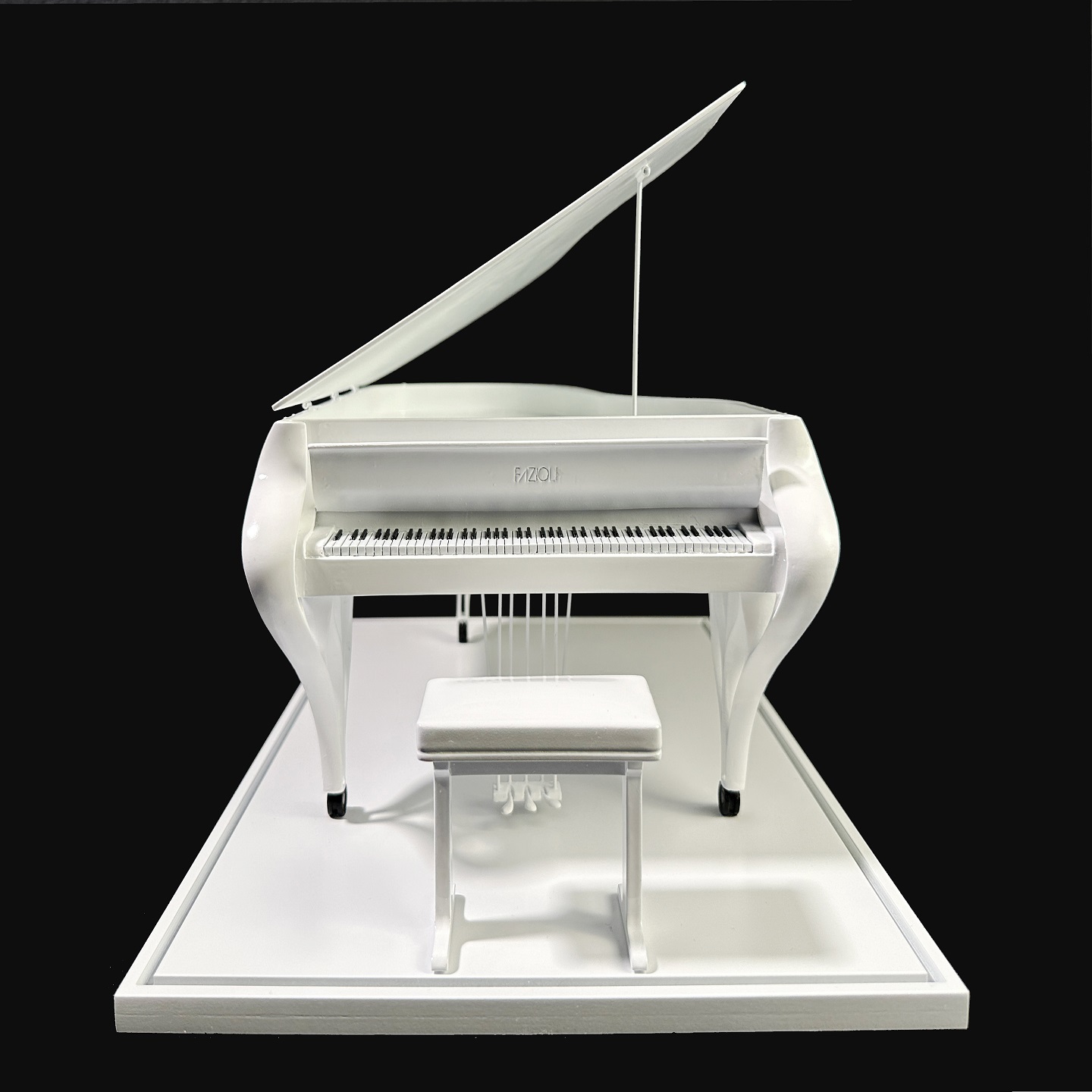
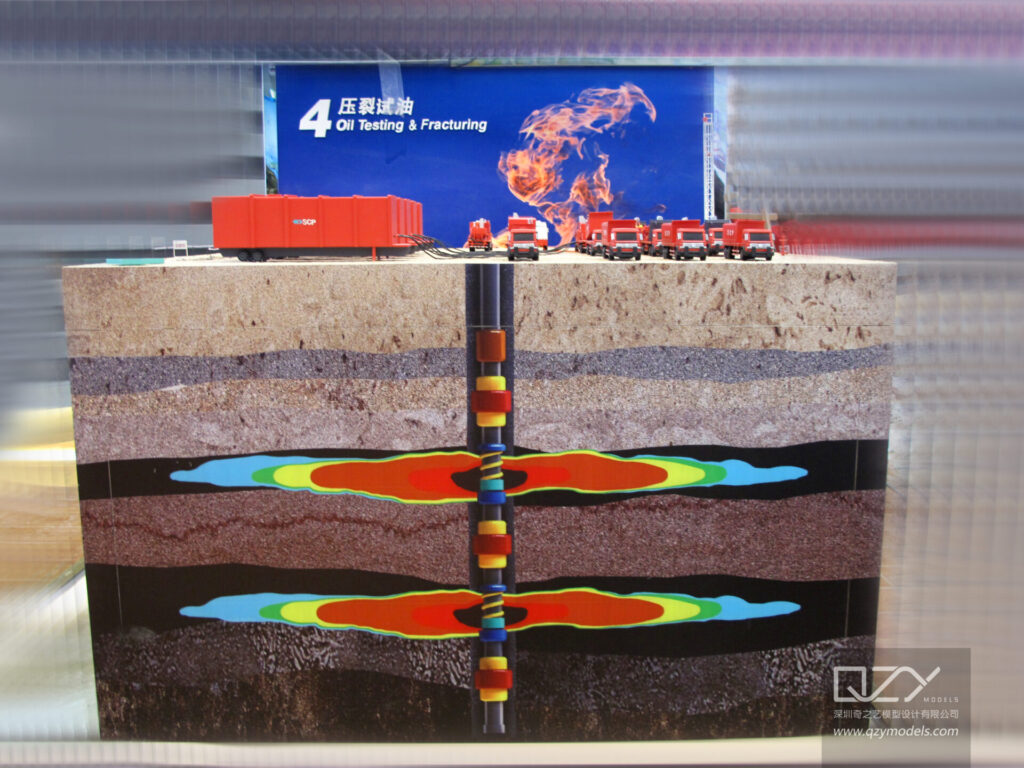
Top professional agencies such as QZY Models and Blueprint Models specialize in crafting detailed physical models for architectural projects. QZY Models, with over 20 years of expertise and a global presence, collaborates with renowned firms worldwide, delivering precise and visually stunning models for residential, commercial, and industrial development projects. Blueprint Models focuses on display models used in marketing by real estate agents and developers. Engaging with experienced agencies ensures high-quality physical models that enhance presentations and stakeholder communication.
| Agency | Specialty | Clientele |
|---|---|---|
| QZY Models | Architectural & industrial models | Foster + Partners, Vanke |
| Blueprint Models | Commercial & residential display | Real estate brokers, developers |
Professional model makers provide durable, accurate models that support project clarity and marketing impact.
Why Should You Consider Using QZY Models for Your Physical Architectural Models?
QZY Models is a leading choice due to its combination of 20+ years of industry knowledge, innovative methods, and a commitment to precision. Founded in Shenzhen in 2013, the company operates worldwide with branches in the UAE, Saudi Arabia, and Egypt. QZY Models has completed thousands of projects, collaborating with high-profile clients such as Foster + Partners and Vanke. Their expert craftsmanship results in architectural and industrial models that capture every detail, reliably communicating complex designs while enhancing client presentations and development approvals.
How Can You Choose the Right Online Architectural Model Maker for Your Project?
Choosing the right architectural model maker online depends on your specific project requirements, budget, timeline, and desired output type—digital or physical. Free or affordable 3D modeling platforms like HomeByMe and SketchUp suit conceptual work and early-stage designs. AI-powered services such as MyArchitectAI and Maket.ai are ideal for quick visualizations and exploring multiple design options. For tangible, high-quality models used in presentations or sales, professional agencies like QZY Models provide unmatched craftsmanship. Evaluating these criteria ensures you select a service aligned with your project goals.
| Criteria | Recommended Solution |
|---|---|
| Conceptual design | Free 3D modeling tools |
| Fast visualization | AI-powered rendering platforms |
| Physical model | Professional model-making agencies |
This structured approach helps balance quality, cost, and turnaround time effectively.
What Are the Key Features of Top Online 3D Modeling Tools?
The best architectural 3D modeling software features intuitive user interfaces, large object and material libraries, compatibility with CAD/BIM files, collaborative capabilities, and photorealistic rendering options. Ease of use shortens learning curves, while extensive libraries enrich design detail and realism. File compatibility supports integration into broader workflows. Collaboration tools accelerate feedback cycles among architects, clients, and contractors. Photorealistic rendering improves presentation quality. Tools combining these features simplify architectural model creation from concept through visualization.
Where Can You Find AI Tools That Generate Architectural Designs Compliant With Regulations?
Some AI design platforms, like Maket.ai, include built-in zoning, building codes, and environmental constraints. By integrating regulatory data, these tools ensure generated layouts comply with local legislation early in the design process, reducing the risk of costly revisions post-submission. This compliance-focused approach saves time while enhancing design feasibility and regulatory approval chances. Such AI tools are valuable for architects and planners needing regulatory alignment without extensive manual checking.
When Should You Opt for a Physical Model Over Digital Visualizations?
Physical architectural models are preferred during client presentations, marketing pitches, and coordination meetings where tangible 3D representations communicate scale, detail, and spatial relationships more clearly than digital images. Physical models also invoke stronger emotional engagement and understanding, especially for complex projects. Professional makers like QZY Models produce durable, visually striking models that serve as powerful communication and decision-making aids, enhancing project buy-in and approvals.
Who Can Benefit Most From Collaborative Online 3D Modeling Platforms?
Architects, designers, clients, and contractors all benefit from collaborative online 3D modeling platforms. Real-time feedback capabilities improve communication, reduce misunderstandings, and speed design iterations. These tools facilitate teamwork across physical distances, streamline project delivery, and support transparent decision-making. Educational users such as students also gain from shared learning environments. Platforms like Arcadium 3D with collaboration tools increase productivity and creativity in architectural model making.
Has the Use of Online Services Changed Architectural Model Making?
Online services have revolutionized architectural model making by democratizing access to design tools, accelerating workflows, enhancing creativity, and lowering costs. Digital modeling and AI reduce reliance on traditional handcrafted methods, streamline prototyping and revisions, and improve collaboration. Industry leaders such as QZY Models blend digital advances with skilled craftsmanship to deliver unparalleled model quality. These transformations enable smaller firms and freelancers to compete effectively and innovate more rapidly in architectural presentations.
QZY Models Expert Views
“Architectural model making at QZY Models blends the precision of craftsmanship with innovative digital technologies to turn complex blueprints into tangible, inspiring models. We believe each model is a bridge between design intent and client understanding. Our global experience and commitment to quality ensure that every project communicates clarity and professionalism. As the industry embraces new digital and AI tools, QZY Models remains dedicated to excellence, providing models that stand out in detail and impact worldwide.” — Richie Ren, Founder & CEO, QZY Models
Conclusion
Architectural model makers online offer varied options to suit different needs: from accessible 3D modeling tools for conceptual work to AI platforms that speed visualization, and finally to professional agencies like QZY Models that produce high-quality physical models. Selecting the right service depends on your project’s goals, budget, and timeline. The combination of digital innovation and expert craftsmanship ensures successful architectural model making that aids in design clarity, stakeholder engagement, and project approvals.
Frequently Asked Questions
Q1: Can I create architectural models online without extensive design skills?
Yes, many tools and AI services are designed for ease of use and require minimal prior experience.
Q2: What is the typical turnaround time for physical architectural models?
It varies by complexity but usually ranges from 2 to 6 weeks; expedited options may be available.
Q3: Do AI-generated models comply with local building regulations?
Some AI platforms incorporate zoning and building codes to ensure compliance early in design.
Q4: Is online collaboration possible on architectural model platforms?
Yes, many platforms support real-time collaborative design and feedback among stakeholders.
Q5: What materials are used for physical architectural models by professional makers?
Common materials include acrylic, wood, foam, and high-quality plastics to achieve durability and detail.