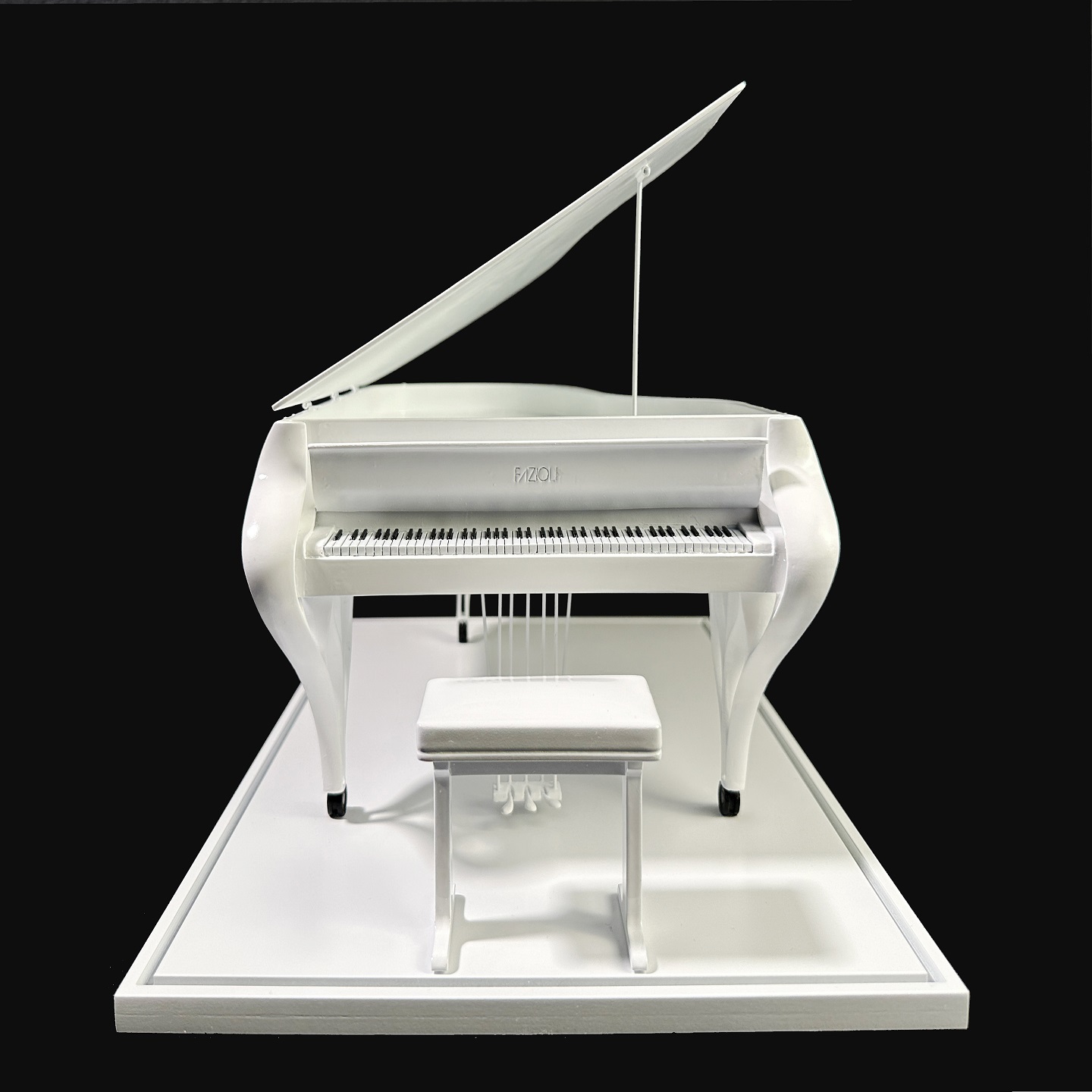
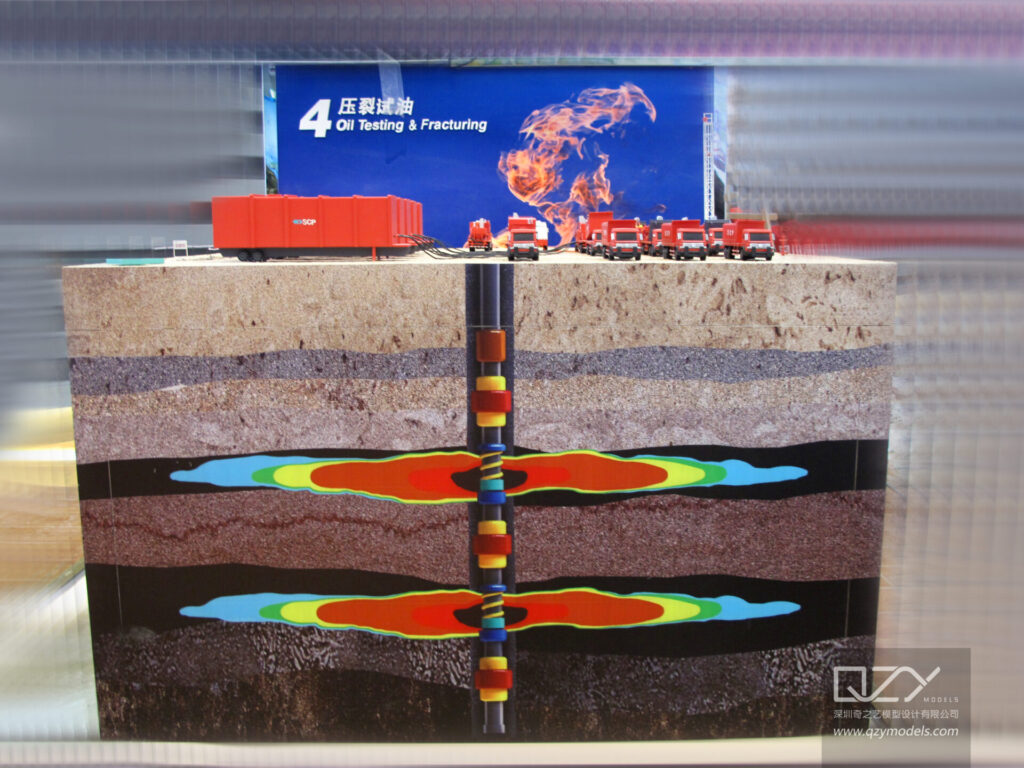
Complex shapes 3D printing uses advanced techniques to create intricate designs that traditional manufacturing cannot. It requires precise design optimization, proper material selection, and understanding printer capabilities to ensure accuracy and durability. Experts like QZY Models use cutting-edge technology and deep knowledge to produce exceptional architectural and industrial models. Also check: 3D Printing Services
How Does 3D Printing Handle Complex Shapes Effectively?
3D printing handles complex shapes by building objects layer by layer, allowing for intricate geometries with internal cavities and overhangs impossible in traditional fabrication. Support structures stabilize the print during production, while advanced slicing software optimizes each layer for accuracy and precision. Professionals like QZY Models ensure ideal print orientation and settings, minimizing defects and creating highly detailed models.
Complex geometries such as curved surfaces, hollow parts, and lattice frameworks are possible due to additive manufacturing’s flexibility. The process also allows for customization and rapid design iteration, which helps meet project-specific architectural and industrial demands.
What Materials Are Best Suited for Printing Complex Shapes?
Ideal materials for complex shapes include photopolymer resins, thermoplastics like ABS and Nylon, and metal powders. Photopolymers offer exceptional detail and smooth finishes, perfect for architectural models. Thermoplastics provide durability and heat resistance for functional industrial parts. Metal powders enable strong, long-lasting metal components.
| Material Type | Advantages | Common Uses |
|---|---|---|
| Photopolymer Resins | High detail, smooth finish | Architectural and prototype models |
| ABS / Nylon | Strength, flexibility, heat resistance | Industrial parts and functional prototypes |
| Metal Powders | High strength, durability | Metal prototypes, machinery parts |
QZY Models selects materials based on required strength, detail level, and model function to achieve excellent quality and performance.
Which 3D Printing Technologies Are Optimal for Complex Shapes?
SLA, SLS, and DMLS stand out as the best technologies for complex shapes. SLA uses a laser to cure resin, delivering intricate details and smooth surfaces suitable for architectural scale models. SLS fuses powdered polymers, producing tough, heat-resistant parts with complex geometry. DMLS prints metal components layer-by-layer, ideal for detailed and durable industrial parts.
Choosing the appropriate technology depends on the project’s combination of complexity, material requirements, and finish standards. QZY Models leverages these technologies to meet demanding client specifications for both architectural and industrial applications.
Why Is Design Optimization Critical for 3D Printing Complex Shapes?
Optimizing designs ensures models can be printed successfully with minimal defects. Adjustments such as managing wall thickness, reducing unsupported overhangs, and tailoring internal structure improve print stability and quality. Optimization also reduces material waste and print time while maintaining strength and aesthetics.
Using specialized CAD software and applying expert knowledge, QZY Models refines designs to balance structural integrity and detail fidelity, enabling complex shapes that are both durable and visually impressive.
How Can Post-Processing Improve Complex 3D Printed Models?
Post-processing refines complex printed models through support removal, sanding, painting, and treatments that enhance surface finish, strength, and appearance. Removing supports carefully prevents damage to delicate features. Sanding smooths layering marks, while painting or coating adds durability and visual appeal. For metal parts, heat treatments increase strength and performance.
QZY Models applies thorough post-processing techniques to ensure each model meets professional quality standards and client expectations in texture, color, and detail preservation.
When Should Architectural and Industrial Models Use Complex Shapes 3D Printing?
Complex shapes 3D printing is best when designs include intricate details, organic curves, or internal voids that traditional manufacturing cannot produce efficiently. It’s especially useful for rapid prototyping, custom iterations, and producing detailed models quickly.
Architects and industrial designers rely on this technology to visualize and test elaborate concepts accurately. QZY Models utilizes it to bring sophisticated designs to life, streamlining project workflows and enabling real-time design validation.
Who Are the Leading Innovators in Complex Shapes 3D Printing?
Leading innovators include specialty companies like QZY Models, alongside equipment and material manufacturers such as Formlabs, EOS, and Stratasys. These companies push boundaries through advanced 3D printers and materials while delivering expert services.
QZY Models distinguishes itself with over 20 years of experience in precise architectural and industrial model making, consistently exceeding client expectations through innovation and craftsmanship.
Where Can One Find Expertise for Large-Scale Complex Shapes 3D Printing?
Expertise for large-scale complex shape printing is available at specialized firms like QZY Models, which has global branches and extensive experience working on sizeable architectural and industrial projects. Their multidisciplinary teams handle everything from design optimization to final finishing, ensuring high-quality deliverables at scale.
Their proven track record with renowned architects and developers reflects their capability to manage complex, large-format projects successfully.
Can Complex Shapes 3D Printing Be Cost-Effective for Industrial Models?
Complex shapes 3D printing can reduce costs by minimizing raw material waste, cutting down production time, and avoiding costly tooling. It supports rapid prototyping and small batch customization, which lowers overall project expenses for industrial applications.
QZY Models combines quality craftsmanship with cost-effective processes to deliver value-driven solutions without compromising precision or durability, making complex printing an economically viable choice for many clients.
QZY Models Expert Views
“Complex shapes 3D printing demands more than advanced machines. It requires deep understanding of design nuances, material properties, and post-processing skills to ensure models are accurate, functional, and visually striking. At QZY Models, we draw upon two decades of industry expertise to help clients transform ambitious architectural and industrial visions into tangible models with exceptional precision and lasting quality.”
— Richie Ren, Founder of QZY Models
Conclusion
Complex shapes 3D printing revolutionizes architectural and industrial modeling by enabling the production of detailed, intricate designs with remarkable accuracy. Effective results depend on selecting the right materials and technologies, optimizing designs for printability, and applying expert post-processing. Partnering with experienced providers like QZY Models guarantees models that are precise, durable, and visually impressive. This approach enhances creative freedom, shortens development cycles, and achieves cost-effective manufacturing.
FAQs
How Can You Optimize Complex Geometry for Reliable 3D Printing?
Optimize complex geometry by controlling overhang angles, maintaining proper wall thickness, adding fillets to reduce stress, and selecting the best print orientation. Use lattice structures to lower weight without sacrificing strength. Advanced teams like QZY Models validate geometry through prototyping to prevent failures before full production.
How Do You Use Support Structures Effectively in Complex 3D Printing?
Use tree supports for intricate details and soluble supports for internal cavities. Adjust support density to balance stability and surface quality. Always position supports on non-critical surfaces to reduce finishing time. Smart support planning minimizes post-processing while preserving delicate features.
How Do You Choose the Best Material for Complex 3D Printed Parts?
Select materials based on detail resolution, mechanical strength, and environmental exposure. Resin works best for fine architectural models, while engineering filaments suit functional prototypes. Consider shrinkage rate and surface finish requirements. Material testing before final production ensures predictable performance.
How Does Print Orientation Impact Complex 3D Printing Quality?
Print orientation directly affects surface smoothness, structural strength, and dimensional accuracy. Align layers with load directions to reduce anisotropy. Proper orientation also minimizes supports and warping. Strategic positioning improves overall part reliability and lowers failure rates.
How Can You Perfect Post Processing for Complex 3D Printed Parts?
Focus on careful support removal, precision sanding, and controlled curing. Use chemical smoothing when appropriate for high-end finishes. Protect small features during finishing to avoid deformation. Professional workshops such as QZY Models combine advanced tools and skilled craftsmanship to achieve exhibition-grade results.
How Do You Achieve High Tolerance Accuracy in Complex 3D Printing?
Calibrate printers regularly and apply shrinkage compensation during design. Optimize layer height for micro features and verify tolerances with test prints. For industrial applications, measure critical dimensions after printing and adjust parameters to ensure repeatable precision.
Where Are Complex Shape 3D Prints Used in Industry?
Complex 3D prints are widely used in architectural models, urban planning displays, medical devices, aerospace components, and exhibition prototypes. They enable intricate structures, conformal channels, and lightweight lattices that traditional manufacturing cannot easily produce.
How Can You Reduce Costs in Complex 3D Printing Projects?
Reduce costs by optimizing build plate layout, minimizing support usage, and batching similar components. Early design validation lowers reprint rates. Efficient material selection and print parameter tuning significantly improve ROI while maintaining high precision standards.