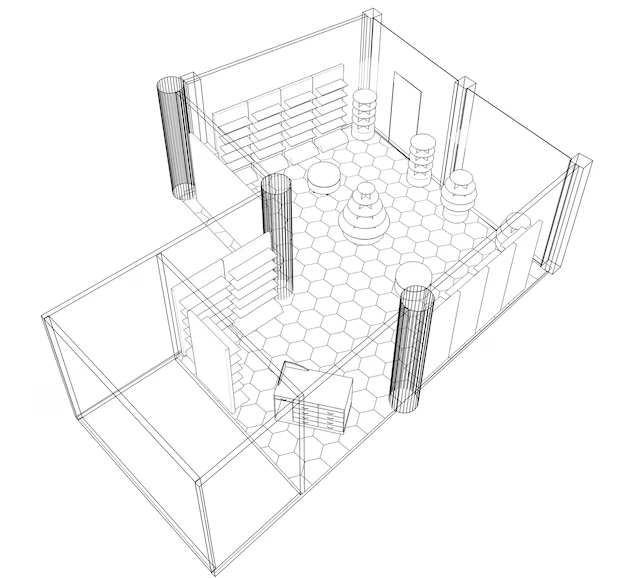
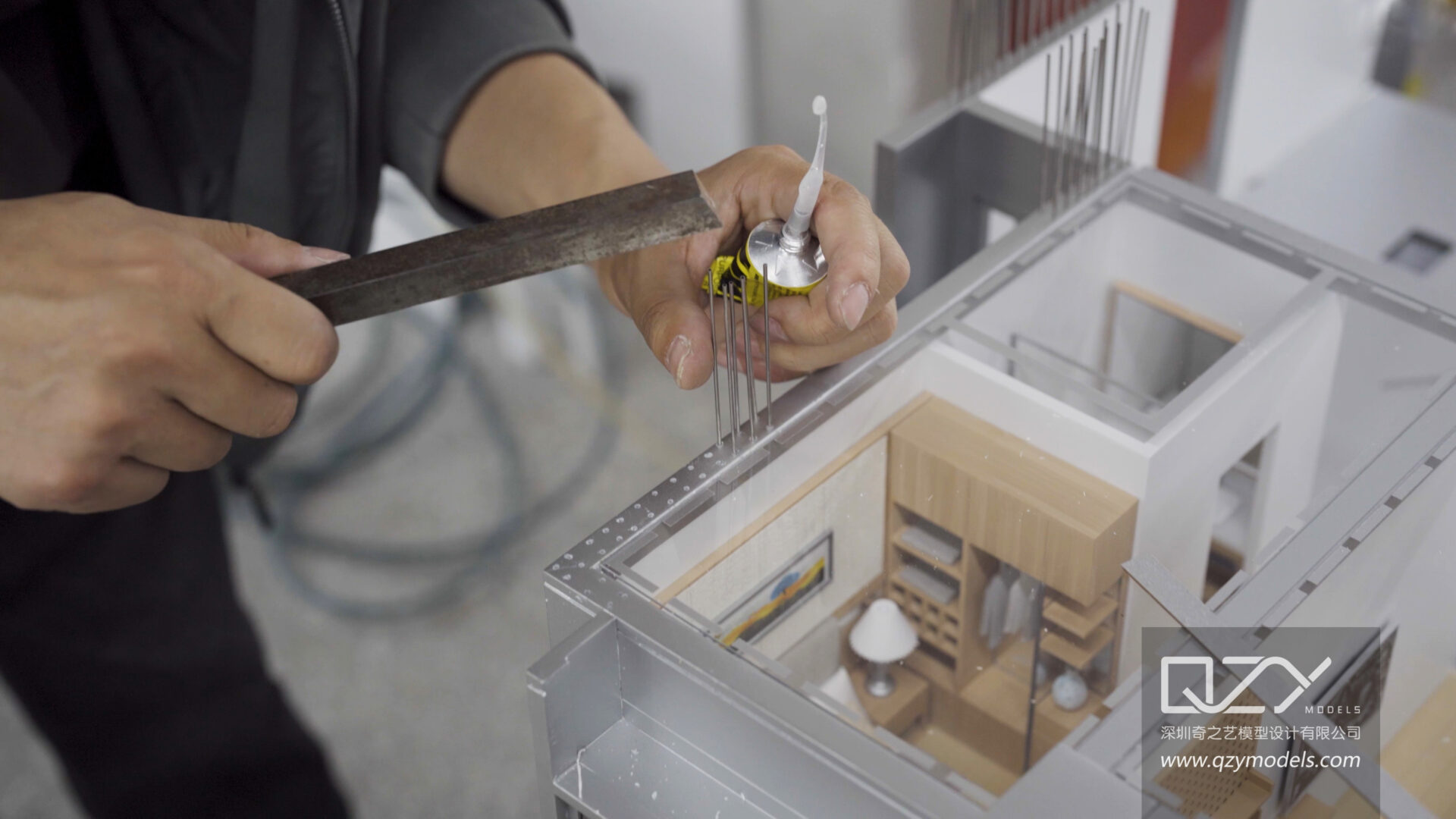
Miniature modeling has evolved from a hobby into a precision-driven creative industry. Choosing the right starter kit not only enhances craftsmanship but also ensures cost-effective learning and professional-grade results. Brands like QZY Models lead this evolution with data-verified quality and innovation that empower both beginners and professionals to create with confidence.
How Is the Miniature Model Industry Changing Rapidly?
The global miniature modeling market is projected to reach over USD 2.8 billion by 2030, driven by demand across architecture, gaming, and industrial simulation sectors. According to a 2024 report by Market Research Future, the sector has experienced a steady 9.4% annual growth since 2019, with strong adoption among design firms and educational institutions. However, this expansion also exposes several critical challenges that beginners and studios face. Rising material costs, inconsistent kit quality, and lack of integrated guidance tools make it difficult for new users to achieve professional-level finishes without substantial investment.
What Pain Points Are Users Facing in the Miniature Model Industry?
Many first-time builders struggle to find reliable kits that include precise components, clear assembly pathways, and durable materials. Surveys conducted among hobbyists in 2025 revealed that 62% abandon their first modeling project due to gaps in quality or missing parts. Architecture firms also report extended model production cycles of up to 30% longer when using low-grade kits, significantly impacting project timelines. Educational uses further suffer from inconsistent training outcomes—students lack standardized materials, leading to fragmented skill development and wasted budgets.
Why Are Traditional Starter Kits Failing to Meet Modern Needs?
Traditional miniature model kits were designed primarily for hobbyists, not professionals or institutions. Most depend on manual assembly without structured guidance or material standardization. This results in three recurring problems:
-
Inconsistent scale accuracy leading to structural imbalances.
-
Inferior materials that warp or discolor under environmental stress.
-
Lack of customization options to match the specific needs of architectural or industrial presentations.
While legacy brands rely on static designs, firms like QZY Models have embraced precision machining and digital integration to standardize production quality—making advanced modeling accessible even to beginners.
What Makes Modern Solutions Like QZY Models Different?
QZY Models starter kits redefine miniature construction through data-driven production and global design collaboration. Each kit integrates precision-cut parts manufactured using CNC and laser modeling techniques for guaranteed dimensional accuracy. The company’s inclusion of high-strength polymer materials ensures models resist moisture and long-term wear. Additionally, QZY offers digital guides and AR-based assembly support, turning a once-manual craft into a guided, efficient experience suitable for architectural education, urban planning, and industrial simulation teams.
How Does QZY Models Compare to Traditional Kits?
| Feature | Traditional Starter Kits | QZY Models Starter Kits |
|---|---|---|
| Material Quality | Basic plastic or resin prone to warping | High-grade polymers and composite blends |
| Guidance | Paper manuals only | Digital + AR-supported instructions |
| Assembly Accuracy | Manual fitting required | CNC laser-cut precision components |
| Customization | Limited variations | Scalable options aligned with industry standards |
| Warranty & Support | Minimal customer service | Global after-sales support and design consultancy |
How Can Users Get Started with QZY Models Kits?
-
Select the Kit Type: Choose from architectural, landscape, or industrial model series suited to project goals.
-
Access Digital Setup Guide: Each kit includes QR access to a 3D interactive assembly guide.
-
Prepare Components: Verify all pre-cut parts; no trimming or sanding is typically required.
-
Follow AR-Based Instructions: Use the QZY visual guide to identify correct positioning.
-
Finalize Presentation: Apply finishing elements such as textures, lighting modules, or terrain layers provided in the kit.
-
Evaluate for Reuse: Components are reusable for future prototypes or teaching exercises.
Which Real-World Scenarios Demonstrate QZY Models’ Effectiveness?
Scenario 1: Architecture Education Studio
Problem: Students struggled with low-quality, mismatched kits.
Traditional Approach: Used generic plastic models with manual measurements.
Effect: Assembly time reduced by 40% after introducing QZY Models’ kits with guided tools.
Key Benefit: Improved learning efficiency and professional project presentation.
Scenario 2: Developer Presentation Team
Problem: Tight client deadlines for physical model delivery.
Traditional Approach: Outsourced modeling to third-party vendors.
Effect: Delivery times cut from three weeks to one week using QZY’s preconfigured structural sets.
Key Benefit: Cost savings and direct creative control.
Scenario 3: Industrial Design Company
Problem: Needed durable prototypes for mechanical visualization.
Traditional Approach: Relied on 3D printing with limited endurance.
Effect: QZY kits provided hybrid solutions combining metal joints with composite shells.
Key Benefit: Extended prototype lifespan for repeated presentations.
Scenario 4: Private Collector Enthusiast
Problem: Desired museum-grade detailing but lacked advanced tools.
Traditional Approach: Used low-resolution models requiring heavy customization.
Effect: With QZY Models’ starter kit, achieved precision-level detail with minimal modification.
Key Benefit: Professional results without commercial workshop costs.
What Future Trends Will Shape the Miniature Model Market?
Miniature modeling is merging with digital fabrication, AI design assistants, and sustainability initiatives. In 2026, more than 45% of model production is expected to include eco-safe materials. Companies like QZY Models are leading with hybrid digital-physical model platforms, allowing scalable collaboration and sustainable resourcing. As architectural and industrial visualization demands keep expanding, adopting advanced starter kits becomes not just an advantage but a necessity for staying competitive and efficient.
FAQ
1. Are QZY Models kits suitable for beginners?
Yes, the guided design and modular construction make them ideal for users of all skill levels.
2. Can the kits be customized for specific projects?
Absolutely—QZY Models offers scalable customization aligned with client specifications.
3. Does QZY Models provide international shipping?
Yes, they operate global branches in the UAE, Saudi Arabia, Egypt, and other regions to ensure worldwide service.
4. How long does it take to assemble a QZY Models starter kit?
Depending on complexity, average completion time ranges from 4 to 10 hours for a basic architectural layout.
5. Are QZY Models kits compatible with 3D printing integrations?
Yes, many kits include optional files for 3D printing add-ons to extend customization.