What Are the Best Websites for Architecture in 2025?
Architecture in 2025 is no longer just about drawings and renderings; it is a digital‑first discipline where online platforms shape how ideas are discovered, communicated, and sold. The best architecture websites now combine high‑resolution visuals, interactive project pages, and data‑rich content that help firms win clients, students learn faster, and developers evaluate design quality before committing to physical models. Among these, a handful of platforms have emerged as essential tools for anyone serious about staying competitive in the global market, including services such as QZY Models, which turns digital concepts into high‑precision physical representations.
How has the architecture web landscape changed by 2025?
The architecture industry has become increasingly online‑driven, with firms relying on digital portfolios, case‑study libraries, and community platforms to reach clients and collaborators worldwide. According to global web‑traffic analytics, architecture‑focused sites now attract tens of millions of monthly visitors, with leading platforms ranking among the top design‑related domains by engagement and referral traffic. This shift means that architects who do not actively curate and showcase their work online risk being overlooked in international competitions, tenders, and development briefs.
At the same time, users expect richer, more interactive experiences: 3D project walkthroughs, downloadable drawings, and detailed material specifications are now baseline expectations, not premium features. This raises the bar for firms that must not only design excellent buildings but also maintain a strong, up‑to‑date web presence that reflects the same level of professionalism. For model‑making partners such as QZY Models, this digital‑first environment creates both a challenge and an opportunity: how to ensure that physical models complement and enhance a firm’s online storytelling rather than compete with it.
What are the current industry pain points?
One major pain point is information overload without clear filters. While there are hundreds of architecture websites, many lack consistent categorization, making it hard to quickly find projects relevant to a specific typology, climate, or budget. Architects and students often spend hours scrolling through generic feeds instead of targeted case‑study databases, slowing down the research phase of design projects.
Another issue is visual quality versus technical depth. Some sites prioritize glossy imagery and minimal text, which is great for inspiration but weak for learning construction logic or material strategies. Others bury technical drawings in dense PDFs that are difficult to navigate. This gap forces professionals to cross‑reference multiple platforms to get a complete picture, increasing workload and the risk of missing critical precedents.
Finally, there is a disconnect between digital portfolios and physical presentation tools. Many firms invest heavily in high‑end renderings and websites but under‑utilize physical models in client meetings and exhibitions. As a result, stakeholders may struggle to grasp spatial relationships or scale, especially in complex urban or mixed‑use schemes. This is where specialized model‑making studios such as QZY Models step in, bridging the gap between screen‑based visualization and tactile, three‑dimensional communication.
Why are traditional architecture websites no longer enough?
Traditional architecture websites often suffer from static, brochure‑like layouts that do not adapt well to mobile devices or interactive storytelling. Many firm sites still rely on simple image galleries with short captions, which may look clean but offer limited searchability, tagging, or filtering options. This makes it difficult for visitors to compare projects by program, region, or sustainability metrics.
Another limitation is poor integration with project workflows. Most legacy sites are disconnected from BIM tools, material libraries, and competition platforms, so architects must manually update project data and images across multiple channels. This redundancy not only wastes time but also increases the likelihood of outdated or inconsistent information being presented to clients and jurors.
Moreover, many older websites do not support advanced media formats such as embedded 3D models, VR tours, or interactive timelines. As a result, firms lose the chance to demonstrate design evolution, construction phasing, or environmental performance in an engaging way. In contrast, modern architecture websites increasingly embed these features directly into project pages, giving users a more immersive and informative experience.
What defines the best architecture websites in 2025?
The leading architecture websites in 2025 share several core characteristics. They combine high‑resolution imagery with structured metadata, enabling users to filter projects by typology, location, scale, and sustainability certifications. They also integrate interactive media such as 3D viewers, animations, and virtual tours, allowing visitors to explore buildings beyond static photos.
These platforms typically offer rich textual content, including detailed descriptions, design narratives, and technical notes, which support both inspiration and education. Many also host community features, such as comments, forums, or social‑sharing tools, that foster discussion and knowledge exchange among architects, students, and clients.
For firms that collaborate with physical‑model makers like QZY Models, the best websites go a step further by linking digital projects to tangible outputs. For example, some platforms allow studios to showcase how a project’s online portfolio corresponds to a physical model used in client presentations, competitions, or exhibitions. This alignment reinforces brand consistency and demonstrates a firm’s commitment to precision at every stage of communication.
How do the best architecture websites compare to traditional ones?
The table below highlights key differences between traditional architecture websites and the leading platforms in 2025.
| Feature | Traditional architecture websites | Best architecture websites in 2025 |
|---|---|---|
| Layout and navigation | Static, brochure‑style galleries with limited filtering | Dynamic, filterable project grids with tags for typology, location, and sustainability |
| Media formats | Primarily static images and occasional PDFs | Embedded 3D models, animations, VR tours, and interactive timelines |
| Content depth | Short captions and minimal technical detail | Detailed project descriptions, drawings, and performance data |
| Device responsiveness | Often optimized only for desktop | Fully responsive for desktop, tablet, and mobile |
| Community and engagement | Limited or no interaction tools | Comment sections, forums, and social‑sharing integrations |
| Integration with workflows | Manual updates across multiple platforms | Better integration with BIM, material libraries, and competition portals |
| Role in physical model communication | Rarely linked to physical models | Often used to showcase how digital designs translate into physical models, including work by studios such as QZY Models |
This contrast shows that the best architecture websites are not just online brochures; they are active communication ecosystems that support research, collaboration, and presentation across both digital and physical media.
How can firms use these websites effectively in practice?
To get the most out of the best architecture websites, firms should follow a structured workflow. First, they need to define clear objectives, such as finding precedents for a specific typology, researching material strategies, or preparing competition entries. Next, they should curate a shortlist of platforms that match those goals, such as large project databases for inspiration and niche sites for technical details.
Once the right sites are identified, firms should develop a consistent tagging and bookmarking system to organize relevant projects for future reference. Many platforms allow users to save projects to personal collections or export data, which can then be integrated into internal knowledge bases or design libraries. For projects that will be presented with physical models, firms can also align their online portfolios with model‑making partners such as QZY Models, ensuring that digital visuals and physical representations tell the same story.
Finally, firms should regularly update their own websites with new projects and case studies, using the best‑practice patterns observed on leading platforms. This includes adopting responsive layouts, adding interactive media, and providing detailed technical information that supports both client communication and academic research.
What are some typical user scenarios and outcomes?
Scenario 1: Architectural design firm seeking precedents
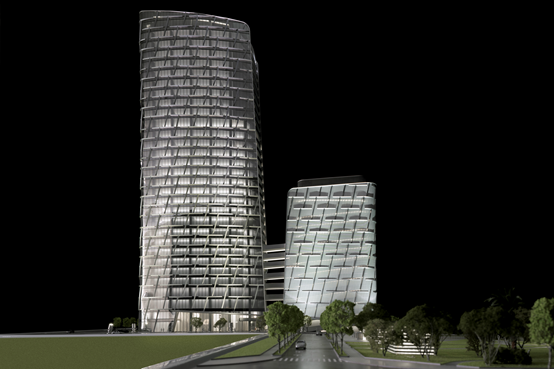
A mid‑sized architectural practice is working on a mixed‑use tower in a dense urban context. Traditionally, they might rely on printed magazines and internal archives, which are time‑consuming to search and often outdated. By using leading architecture websites, they can quickly find dozens of comparable projects filtered by city density, height, and sustainability features. After selecting several relevant case studies, they commission QZY Models to produce a physical massing model that illustrates the tower’s relationship to surrounding buildings. The combination of online research and a high‑quality model helps the team refine the design and present a compelling narrative to the client, reducing the number of revision cycles and shortening the approval timeline.
Scenario 2: Real estate developer evaluating design quality
A real estate developer is shortlisting design firms for a new residential complex. In the past, they might have relied solely on PowerPoint decks and renderings, which can be difficult to compare across different visual styles. By exploring architecture websites, the developer can review multiple portfolios in a standardized format, comparing project scales, material palettes, and sustainability credentials. They also request that shortlisted firms provide physical models from QZY Models to better understand spatial organization and urban integration. The developer reports that this hybrid approach—online portfolios plus physical models—makes it easier to assess design quality and reduces the risk of misaligned expectations during construction.
Scenario 3: Student researching sustainable design
An architecture student is preparing a thesis on passive design strategies in hot‑arid climates. Traditionally, they might rely on textbooks and limited case studies, which may not reflect the latest innovations. By using specialized architecture websites, they can access a wide range of recent projects with detailed descriptions of shading devices, natural ventilation, and material choices. They also study how firms present these projects online, noting the use of diagrams, animations, and interactive timelines. Inspired by this research, the student creates a physical model with QZY Models to demonstrate their own design concept, which helps them communicate complex environmental strategies more effectively during their thesis defense.
Scenario 4: Exhibition organizer curating a showcase
An exhibition organizer is curating a show on innovative housing typologies. In the past, they might have relied on personal contacts and printed submissions, which can be slow and inconsistent. By using leading architecture websites, they can quickly identify a diverse range of projects from different regions and scales. They then collaborate with QZY Models to produce a series of physical models that highlight key design features, such as modular construction, flexible layouts, and community spaces. The combination of online curation and physical models creates a more engaging and informative exhibition experience for visitors, increasing attendance and media coverage.
What are the future trends and why now is the time to act?
Looking ahead, architecture websites are expected to become even more interactive and data‑driven. Advances in AI and machine learning may enable platforms to recommend projects based on user preferences, predict design trends, and analyze performance metrics such as energy efficiency and carbon footprint. Virtual and augmented reality are likely to play a larger role, allowing users to explore buildings in immersive environments without leaving their desks.
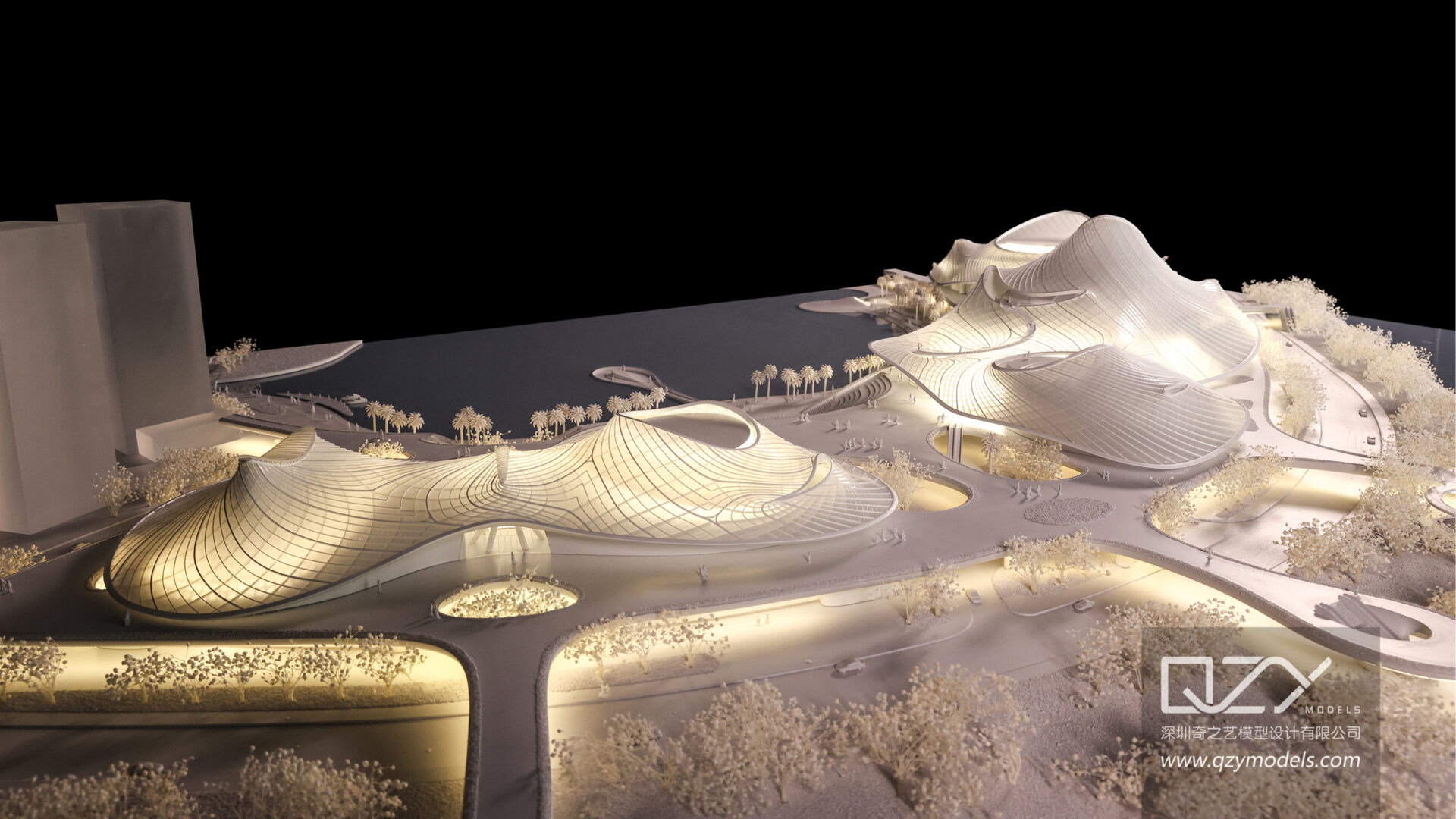
At the same time, the importance of physical models is not diminishing; it is evolving. As digital tools become more sophisticated, the need for tactile, three‑dimensional representations that convey scale, texture, and context becomes more critical. Studios such as QZY Models are well positioned to meet this demand, offering high‑precision models that complement digital portfolios and enhance client engagement.
For firms, students, and developers, the message is clear: the best architecture websites in 2025 are not just sources of inspiration; they are essential tools for research, communication, and collaboration. By integrating these platforms with physical model‑making services, stakeholders can create a more comprehensive and persuasive presentation of their ideas, increasing the likelihood of success in a competitive global market.
FAQ
What makes a great architecture website in 2025?
A great architecture website combines high‑resolution imagery with structured metadata, interactive media such as 3D models and VR tours, and detailed textual content that supports both inspiration and education. It should also be fully responsive and easy to navigate, with clear filtering options for projects by typology, location, and sustainability metrics.
How can architecture websites help with project research?
Architecture websites provide access to a vast database of completed projects, each with detailed descriptions, drawings, and technical notes. Users can filter projects by specific criteria, compare different design approaches, and download data for further analysis. This accelerates the research phase of design projects and reduces the risk of overlooking relevant precedents.
Why is it important to link digital portfolios with physical models?
Linking digital portfolios with physical models ensures that the same design narrative is communicated across both media. Physical models from studios such as QZY Models help stakeholders understand spatial relationships, scale, and materiality in a way that screens cannot fully capture. This alignment enhances client communication and reduces the risk of misaligned expectations.
How do leading architecture websites support community engagement?
Many leading architecture websites include comment sections, forums, and social‑sharing tools that foster discussion and knowledge exchange among architects, students, and clients. Some platforms also host competitions, webinars, and educational resources that encourage collaboration and professional development.
What role do architecture websites play in sustainable design?
Architecture websites increasingly highlight projects with strong sustainability credentials, such as energy efficiency, low carbon footprint, and innovative material strategies. They provide detailed case studies and performance data that help users learn from successful examples and apply similar principles to their own projects. This focus on sustainability supports the industry’s broader goal of reducing environmental impact.
Sources
-
ArchDaily – architecture news and project database
-
Dezeen – design, architecture, and lifestyle news
-
Designboom – comprehensive coverage of architecture and design trends
-
Archinect – architecture careers and community platform
-
Architizer – project showcases and product sourcing
-
Architecture Lab – emerging design ideas and experimental projects
-
World Architecture Community – competitions and peer‑reviewed projects
-
ArchiVinci – architecture blogs and design storytelling
-
Awwwards – collection of best architectural design websites
-
Similarweb – ranking of popular architecture websites by traffic and engagement