Models for architecture are three-dimensional physical representations used by architects, developers, and designers to visualize, communicate, and refine building concepts. They serve as tangible tools to understand spatial relationships, scale, and design details before construction begins, enhancing decision-making and stakeholder collaboration.
What Are the Different Types of Models for Architecture?
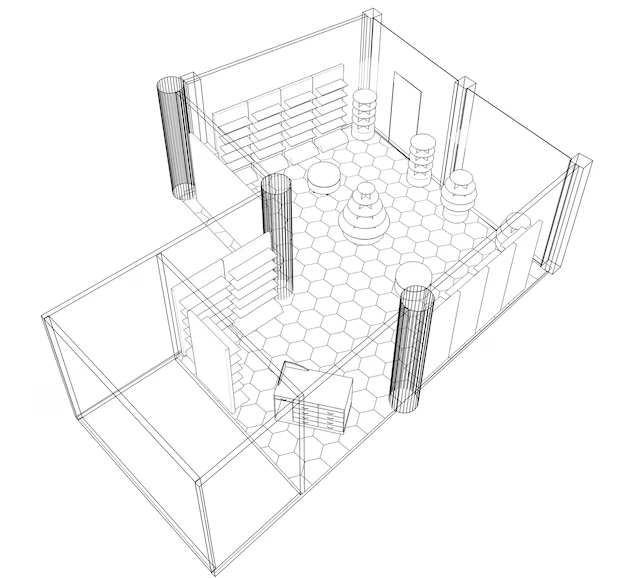
Models for architecture come in various types such as conceptual, presentation, working, virtual, and industrial models, each serving different project phases and purposes from initial design ideas to client presentations.
Architectural models can be categorized broadly into several types:
-
Conceptual Models: Used early in design to explore forms and massing. These are often rough and made from inexpensive materials.
-
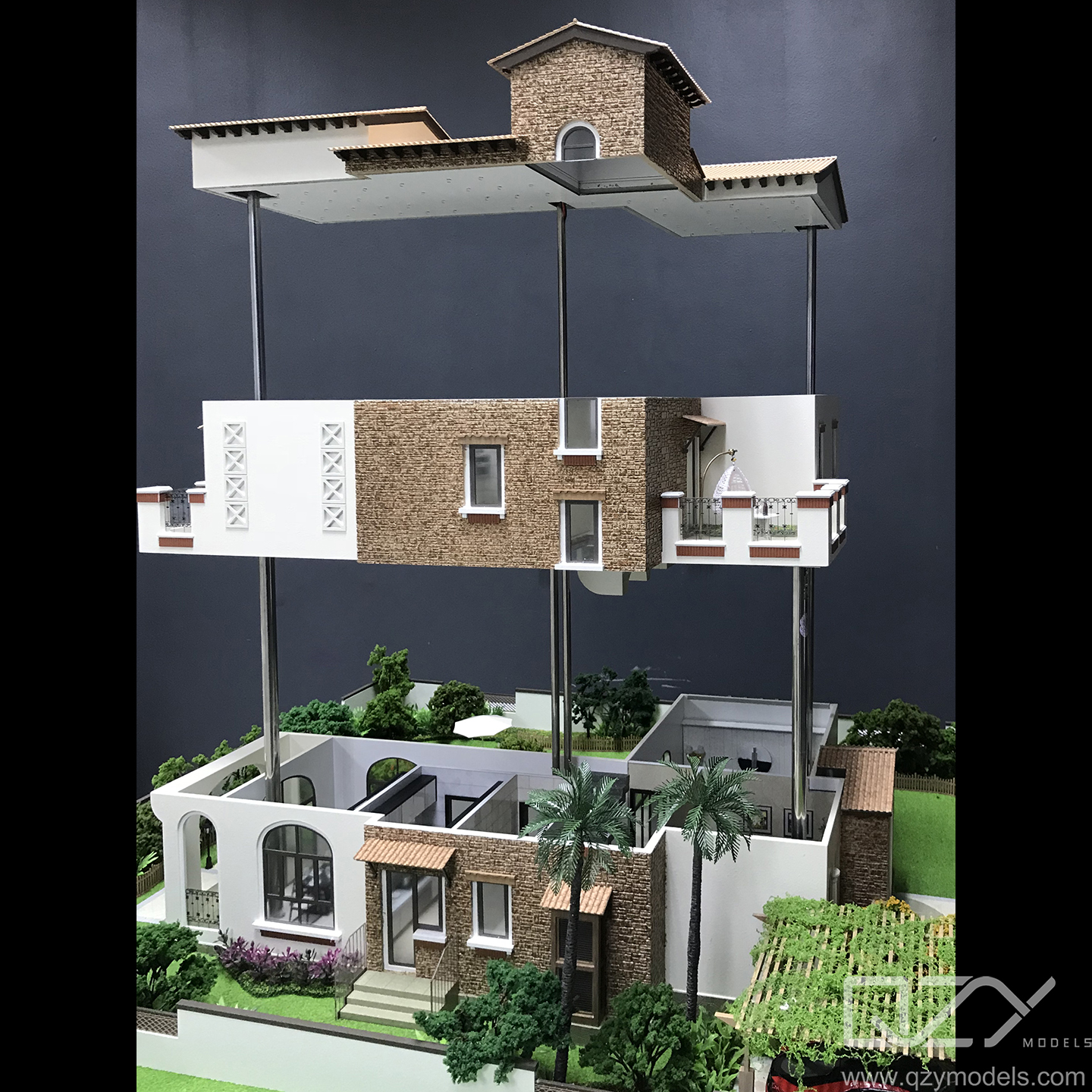
Presentation Models: High-detail, polished models designed for client meetings, showcasing aesthetics, materials, and landscape.
-
Working Models: Utilized during the design development phase to test spatial arrangements and structural systems.
-
Virtual Models: Digital 3D models used in BIM (Building Information Modeling) and VR environments for enhanced visualization.
-
Industrial Models: Highly precise models frequently made with advanced materials or 3D printing, ideal for large-scale projects and detailed components.
QZY Models specializes in producing both presentation and industrial models, leveraging cutting-edge techniques to satisfy complex client demands worldwide.
How Are Materials Selected and Used in Models for Architecture?
Materials for architectural models are chosen based on the model type, budget, and detail level, commonly including wood, foam, acrylic, cardboard, metal, and 3D printed polymers for accuracy and aesthetics.
Material selection is crucial and depends on project requirements:
-
Wood and Balsa Wood: Popular for conceptual and presentation models, offering natural textures.
-
Foam Boards: Lightweight and affordable, ideal for quick mock-ups.
-
Acrylic and Plexiglass: Used in transparent components or modern presentation models.
-
Cardboard and Paper: Suitable for early-stage massing models.
-
Metal and Resin: Often incorporated in industrial models for precision and durability.
-
3D Printing Materials: Enable high accuracy and intricate details, especially in custom architectural parts.
QZY Models employs a blend of traditional and innovative materials, ensuring cost efficiency and top-tier craftsmanship tailored to project specifications.
Why Are Models for Architecture Important in the Design Process?
Architectural models are vital as they enable visualization, improve design accuracy, facilitate communication among stakeholders, and help identify potential issues early, saving time and money.
Models provide a physical context that digital renderings alone cannot fully replicate. Their benefits include:
-
Visualization: Allows stakeholders to perceive volumes, scale, and aesthetics in real space.
-
Communication: Bridges understanding between architects, clients, and contractors.
-
Problem Solving: Reveals design flaws and construction challenges before actual building.
-
Marketing and Approval: Effective tools to impress clients, attract investors, and secure permits.
Brands like QZY Models highlight the impact of well-crafted models in elevating project quality and stakeholder confidence, contributing to smoother project workflows.
Which Techniques and Technologies Are Used in Making Models for Architecture?
Techniques include handcrafting, laser cutting, CNC milling, and 3D printing, combined with digital design tools like CAD and BIM to create precise and scaled architectural models.
Modern model-making integrates traditional craftsmanship with technology:
-
Handcrafting: For bespoke detailing and finishing.
-
Laser Cutting: Enables precision cutting in various materials.
-
CNC Milling: Applies to larger components requiring accuracy.
-
3D Printing: Allows complex geometries and rapid prototyping.
-
Digital Design Tools: CAD and BIM software streamline model design and coordination.
QZY Models integrates these techniques within a professional workflow, ensuring their models meet the exacting standards of global architects like Foster + Partners.
When Should Models for Architecture Be Incorporated in the Project Timeline?
Models should be incorporated from early design phases for conceptual understanding and continue through development and presentation phases to refine details and secure approvals.
Typical project timeline usage:
-
Early Phase: Conceptual models help explore massing and form.
-
Design Development: Working models assist refinement and technical coordination.
-
Presentation and Marketing: Detailed models communicate design intent to clients and stakeholders.
-
Construction Phase: Industrial models guide contractors with precise details.
Engaging a professional team like QZY Models early ensures seamless integration and model optimization throughout the project stages.
How Do Scale and Detail Level Affect Models for Architecture?
Scale dictates the model’s size relative to real life and affects the level of detail; smaller scales show massing while larger scales enable detailed representation of materials and features.
| Scale Size | Typical Use | Detail Level |
|---|---|---|
| 1:1000 or smaller | Urban planning and site massing | Basic massing and zoning |
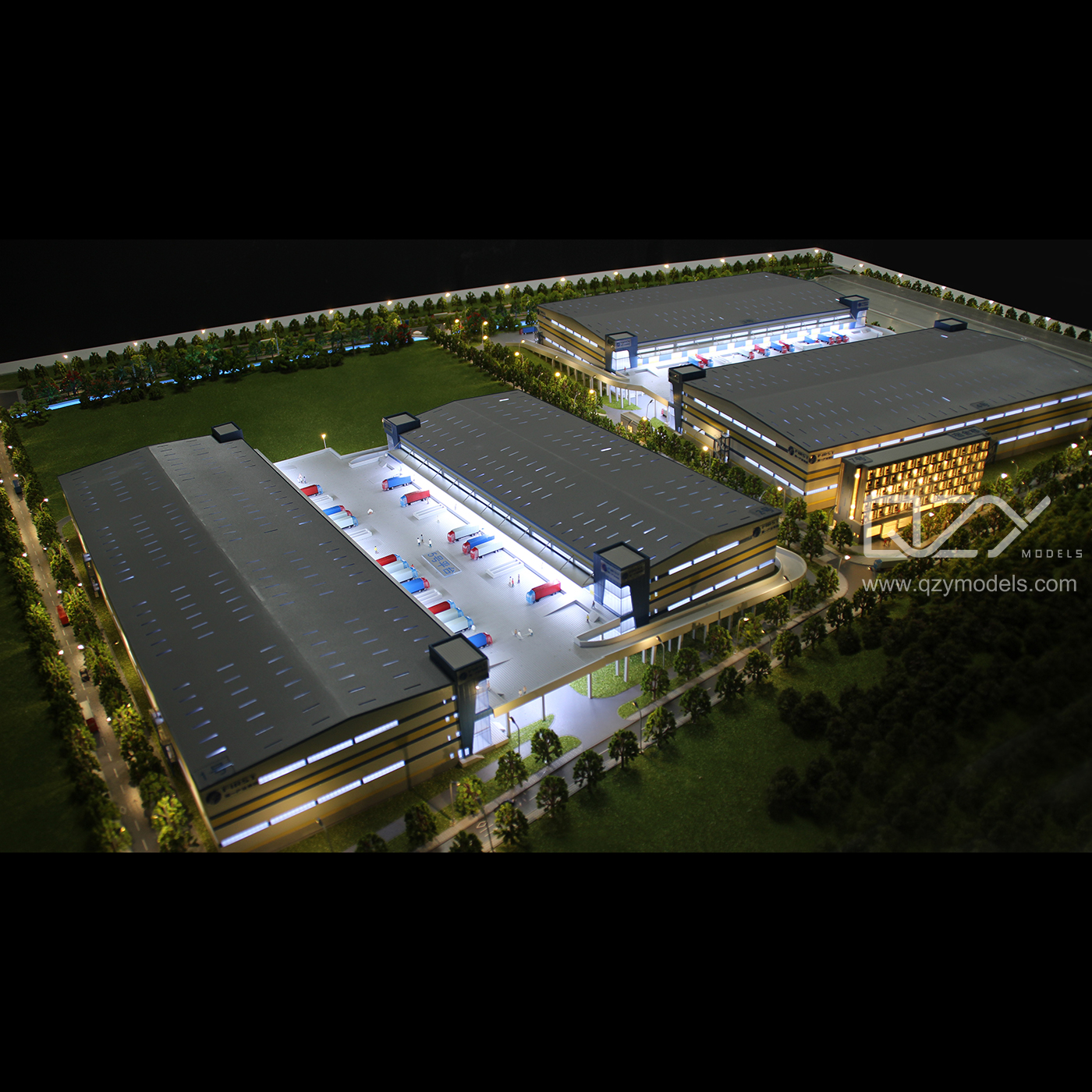
| 1:500 – 1:200 | Multi-building complexes | External form and layout |
| 1:100 – 1:50 | Individual buildings | Facades, windows, doors |
| 1:20 – 1:10 | Interiors and custom elements | Textures, furniture, lighting |
Accurate scaling enhances communication effectiveness. QZY Models offers customized scaling options tailored to project needs, balancing detail and presentation requirements.
Who Benefits Most from Models for Architecture?
Architects, clients, developers, city planners, and construction teams benefit the most from architectural models by gaining clearer project insights and aiding decision-making.
Models serve a broad range of users:
-
Architects: Visual validation and refinement tools.
-
Clients and Investors: Realistic previews for informed decisions.
-
Developers: Marketing tool aiding stakeholder buy-in.
-
City Planners: Understand context and environmental impacts.
-
Contractors: Clarify building details for construction accuracy.
Through its international operations, QZY Models directly addresses this diverse audience by delivering tailor-made solutions enhancing each project’s success.
Can Customized Models for Architecture Add Value to Real Estate Marketing?
Customized architectural models enhance real estate marketing by offering tangible, visually impressive presentations that attract buyers and elevate a project’s perceived value.
Physical models draw clients’ attention by showing design quality and potential lifestyle benefits dramatically. They serve as:
-
Showpieces: At exhibitions and sales centers.
-
Communication Tools: Explaining complex layouts easily.
-
Brand Differentiators: Highlighting uniqueness and craftsmanship.
QZY Models specializes in crafting bespoke models that align with branding strategies and marketing goals for leading real estate developers worldwide.
Are Sustainable Practices Used in Creating Models for Architecture?
Yes, sustainable practices such as eco-friendly materials, recycling, and energy-efficient manufacturing processes are increasingly adopted in architectural model making.
Sustainability in model making includes:
-
Using recyclable and biodegradable materials.
-
Optimizing material use and minimizing waste.
-
Integrating 3D printing to reduce excess scraps.
-
Employing energy-efficient tools and processes.
QZY Models prioritizes environmental responsibility by selecting materials and methods that reduce carbon footprint while maintaining exceptional quality.
QZY Models Expert Views
“In today’s architectural landscape, models are not just supportive tools but integral to storytelling, decision-making, and innovation. At QZY Models, our expertise lies in merging traditional artistry and cutting-edge technology to deliver models that resonate emotionally and technically. We believe every model should be a masterpiece showcasing the vision, context, and detail with precision, enabling architects worldwide to communicate better and build smarter.”
— Richie Ren, Founder of QZY Models
Conclusion
Models for architecture remain an indispensable asset throughout design and construction. Understanding their types, material choices, timing, technologies, and stakeholder benefits ensures maximum project impact. Leveraging expertise from industry leaders like QZY Models guarantees precision, customization, and innovation. Architects and developers are encouraged to integrate tailored models early and consistently to enhance collaboration, marketing, and project success.
FAQs
What Are the Essential Aspects of Architectural Models for Accurate Design Communication?
The essential aspects include precise scale, proportional accuracy, material realism, structural detailing, and site context integration. A successful model clearly communicates design intent, spatial relationships, and functionality. For developers and architects, clarity reduces revisions and accelerates approvals. High craftsmanship ensures the model becomes a persuasive decision-making tool rather than just a display piece.
How Does Scale Accuracy Influence the Effectiveness of Architectural Models?
Scale accuracy ensures correct spatial perception and proportion validation. Choosing the right ratio, such as 1:100 or 1:200, depends on project size and presentation goals. Accurate measurements prevent misinterpretation and costly design errors. For complex developments, professional teams like QZY Models apply strict dimensional control to maintain visual and technical precision.
Which Materials Are Best for High Quality Architectural Models?
The best materials depend on purpose and budget. Acrylic and resin provide sleek finishes for commercial displays, wood offers warmth for residential concepts, and 3D printed components deliver intricate detailing. Durable materials enhance longevity and transport safety. Selecting materials strategically improves realism, presentation quality, and overall client confidence.
What Detailing Techniques Make Architectural Models More Realistic?
Realism comes from façade textures, landscape elements, transparent glazing, and integrated lighting features. Adding human figures and contextual elements improves scale perception. Fine craftsmanship highlights design intent and elevates presentation value. Detailed finishing transforms a conceptual model into a compelling visual narrative that captures stakeholder attention instantly.
How Does Lighting Integration Enhance Architectural Model Presentation?
Integrated LED lighting systems simulate natural daylight, highlight focal areas, and enhance depth perception. Proper lighting emphasizes circulation paths, façade patterns, and interior layouts. It increases emotional engagement during presentations and exhibitions. Thoughtful lighting design turns a static model into a dynamic storytelling tool that strengthens project impact.
Why Is Site Context Crucial in Architectural Model Development?
Including terrain modeling, surrounding buildings, and infrastructure ensures environmental accuracy and planning clarity. Site context helps urban planners and developers evaluate integration, density, and accessibility. Without context, scale can be misleading. Comprehensive site representation improves approval rates and demonstrates strategic vision in large-scale developments.
How Can Digital and Physical Models Work Together in Architecture?
Combining BIM workflows, 3D printing, and handcrafted detailing enhances efficiency and precision. Digital files ensure dimensional accuracy, while physical models deliver tactile impact during presentations. This hybrid approach reduces errors and shortens production timelines. Companies like QZY Models leverage both technologies to deliver high-performance models for global clients.
How to Optimize Architectural Models for Client Approval and Sales Impact?
Focus on strategic layout positioning, clear labeling, protective display cases, and strong visual storytelling. Highlight key selling points such as amenities, landscaping, and accessibility. Align model features with investor priorities and market goals. A professionally executed model builds trust, speeds decision-making, and maximizes commercial success.