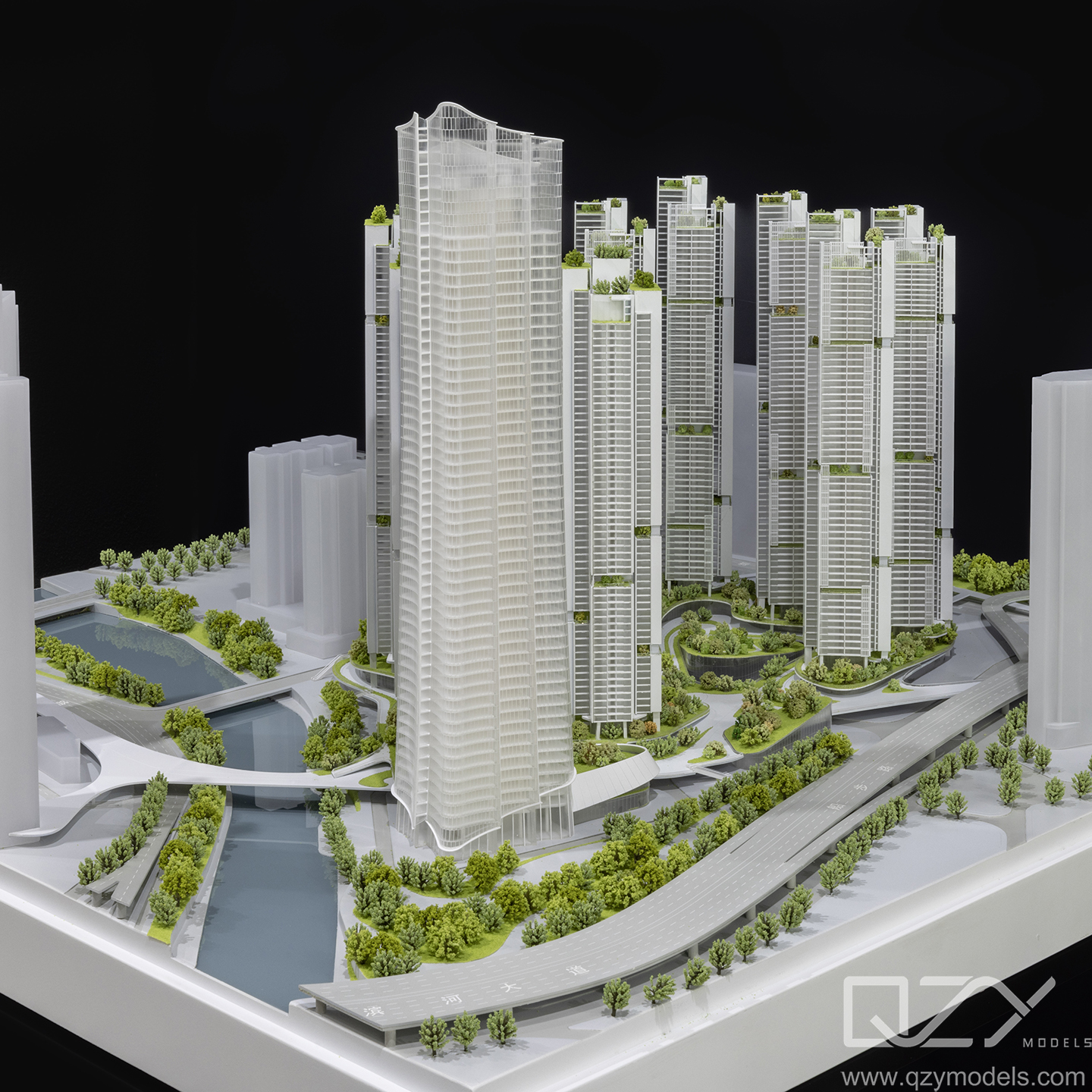
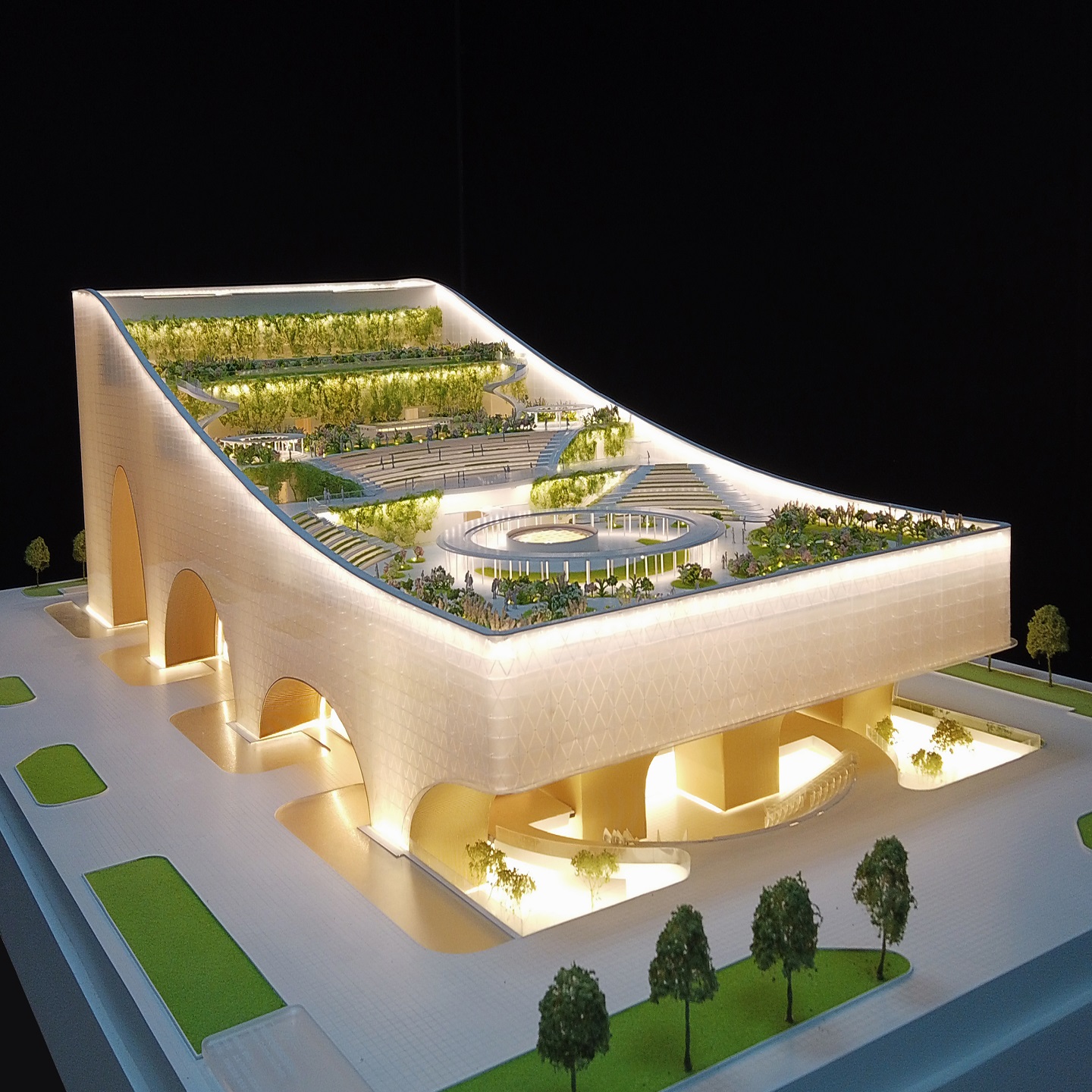
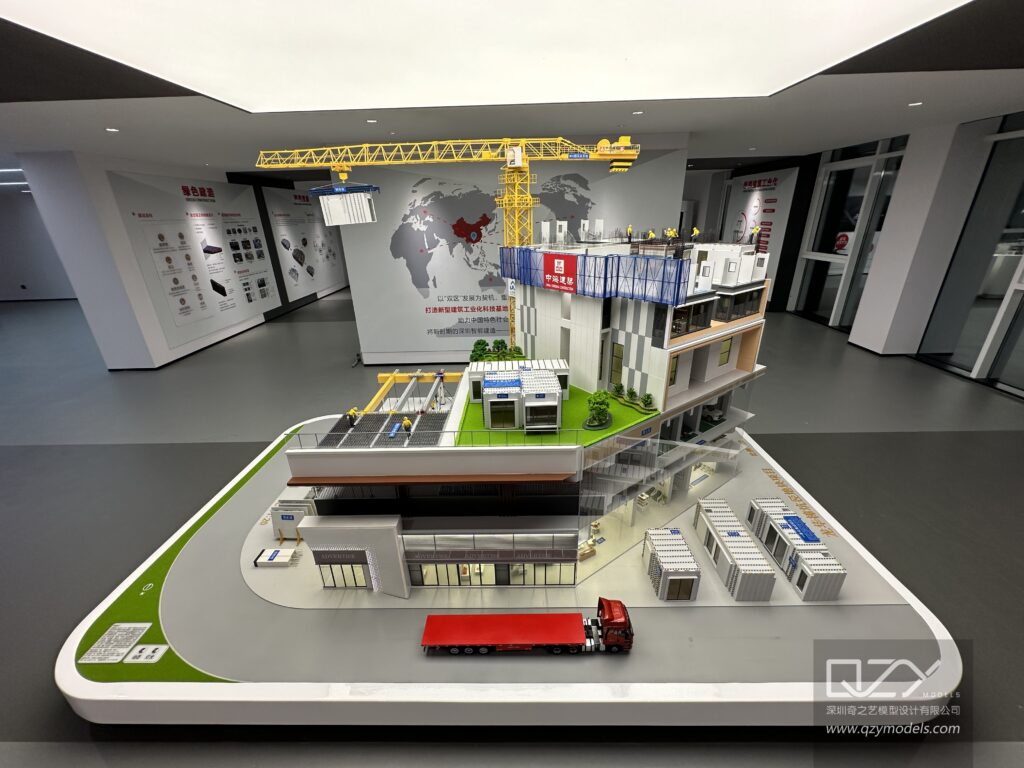
Architectural models are tangible or digital representations that bring building designs to life, enabling visualization, spatial analysis, and effective communication of ideas. These models help architects, clients, and stakeholders explore concepts, detect potential issues, and understand the final design more clearly. QZY Models combines expertise and precision to create models that bridge imagination and reality across all project phases.
What Types of Models Are Commonly Used in Architecture?
Architectural models are generally categorized as conceptual, massing, presentation, and working models. Conceptual models focus on spatial relationships and early ideas. Massing models illustrate building volumes and their context within a site. Presentation models are highly detailed and used for client approval and marketing. Working models support the design process, allowing adjustments and testing of ideas. QZY Models produces all types with tailored materials and craftsmanship to meet each project’s objectives.
| Model Type | Purpose | Typical Materials | Detail Level |
|---|---|---|---|
| Conceptual | Explore ideas | Cardboard, foam board | Low |
| Massing | Volume & site context | Foam, cardboard | Low-Medium |
| Presentation | Client presentations | Wood, acrylic, metal | High |
| Working | Design development | Mixed inexpensive materials | Medium |
How Are Architectural Models Made?
Models are constructed using materials such as foam board, cardboard, balsa wood, acrylic, metal, and occasionally clay or 3D-printed components. Techniques include handcrafting, laser cutting, CNC machining, and 3D printing. QZY Models integrates traditional artisanal skills with advanced digital fabrication, ensuring precision, durability, and aesthetic quality. The choice of method and material depends on model type, scale, desired detail, and budget constraints.
Why Are Models Important for Architects and Clients?
Models transform abstract drawings into tangible representations, enabling architects and clients to explore designs visually and spatially. They help detect design flaws early, facilitate better decision-making, and communicate complex ideas clearly. QZY Models emphasizes high fidelity and detail, making models that accurately reflect the final project and enhance client understanding and engagement.
Which Materials and Techniques Impact Model Quality?
Material selection affects durability, detail, and visual impact. Wood enables refined craftsmanship, foam board allows lightweight structures, while acrylic and metals support transparency and structural accents. Techniques such as laser cutting, 3D printing, and CNC machining improve precision and efficiency. QZY Models carefully selects premium materials and advanced fabrication methods to produce professional-grade models that excel in realism and presentation quality.
Where Are Architectural Models Commonly Used?
Models are widely used in design studios, client presentations, competitions, exhibitions, and educational institutions. They support urban planning, real estate development, interior design, and landscape architecture projects. QZY Models delivers models to clients worldwide, including prominent architectural firms and international developers, ensuring global standards are met. They serve both functional design review and marketing purposes effectively.
How Does QZY Models Ensure Excellence in Model Making?
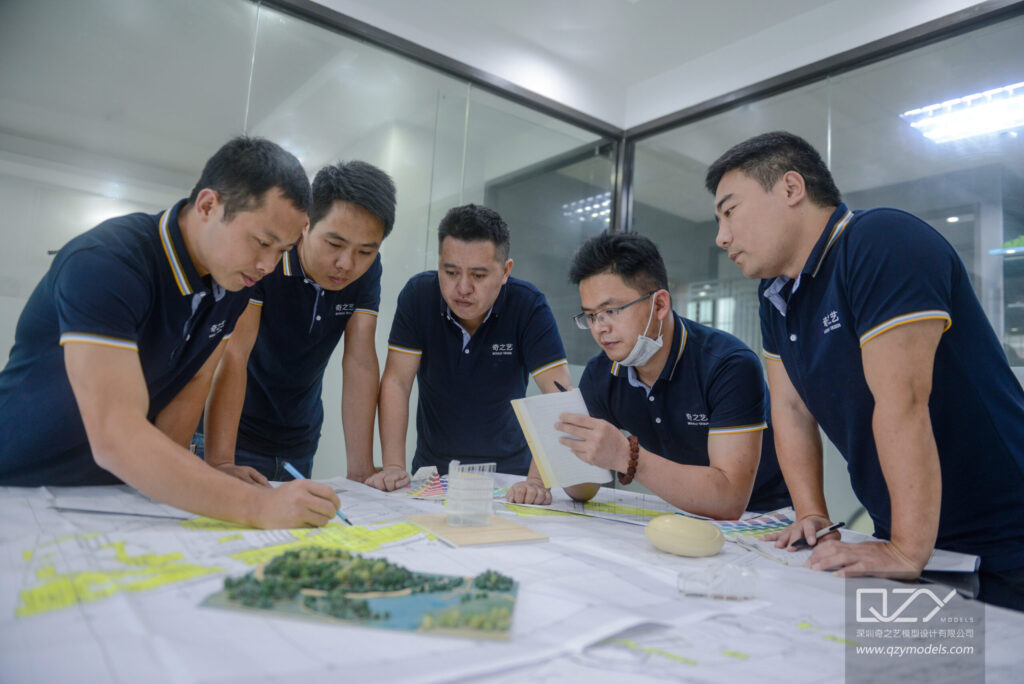
QZY Models achieves excellence by combining artisanal expertise with innovation, selecting materials according to project needs, and employing skilled technicians alongside cutting-edge technology. Their experience with international clients ensures every model communicates architectural intent with clarity and precision. This approach results in models that are not only visually compelling but also structurally accurate and professionally executed.
Can Digital Technology Enhance Architectural Models?
Digital technology greatly enhances model-making accuracy and detail. Tools like 3D printing, CAD software, laser cutting, and CNC machining enable rapid prototyping, intricate geometries, and seamless integration of digital and physical elements. QZY Models leverages these technologies alongside handcrafting to create sophisticated, efficient, and visually striking models, improving workflow, reducing errors, and expanding design possibilities.
When Should Different Model Types Be Used?
Conceptual models are ideal at early design stages for exploring spatial relationships. Massing models help evaluate scale and site integration during mid-phase development. Presentation models, detailed and polished, are suited for client approval, marketing, and exhibitions. Working models support iterative design refinements. QZY Models advises on optimal model timing and selection to enhance communication and efficiency throughout the project lifecycle.
What Are Emerging Trends in Architectural Model Making?
Emerging trends include hybrid models combining digital and traditional methods, sustainable and eco-friendly materials, and interactive models with augmented reality overlays. Prefabricated modular components and rapid prototyping streamline production and allow more complex designs. QZY Models actively adopts these innovations to deliver cutting-edge models that reflect modern visualization needs and industry standards.
QZY Models Expert Views
“Models are the bridge between imagination and reality. At QZY Models, we combine artisanal skill with advanced technology, ensuring every model embodies the architect’s vision while communicating it effectively to clients and stakeholders. We tailor materials, techniques, and details for each project, delivering unmatched precision and aesthetic value. Each model tells a compelling story of design excellence.” — Richie Ren, Founder of QZY Models
Frequently Asked Questions
-
What scale is most common for architectural models?
Scales range from 1:500 for massing models to 1:50 for detailed presentation models, depending on project requirements. -
How long does it take to make an architectural model?
Simple models may take days, while large, detailed presentation models can require several weeks. -
Can models be customized for marketing purposes?
Yes, models can incorporate branding, lighting, and interactive elements to enhance marketing impact. -
What is the cost range for architectural models?
Costs vary widely based on scale, material, and detail, from budget conceptual models to high-end presentation pieces. -
Does QZY Models offer international shipping?
Yes, QZY Models serves clients globally, including the Middle East, Europe, and Southeast Asia, ensuring secure delivery.