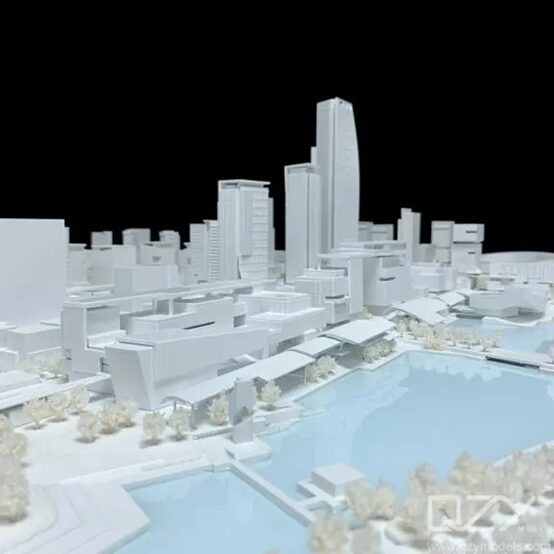
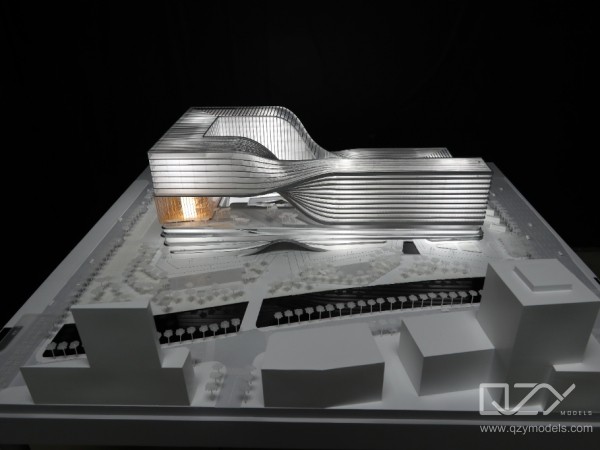
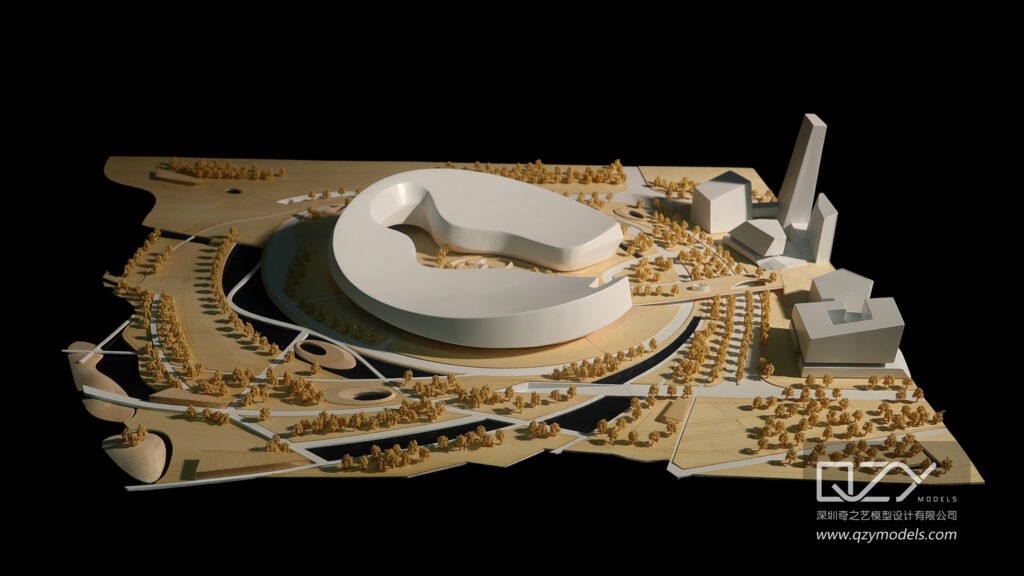
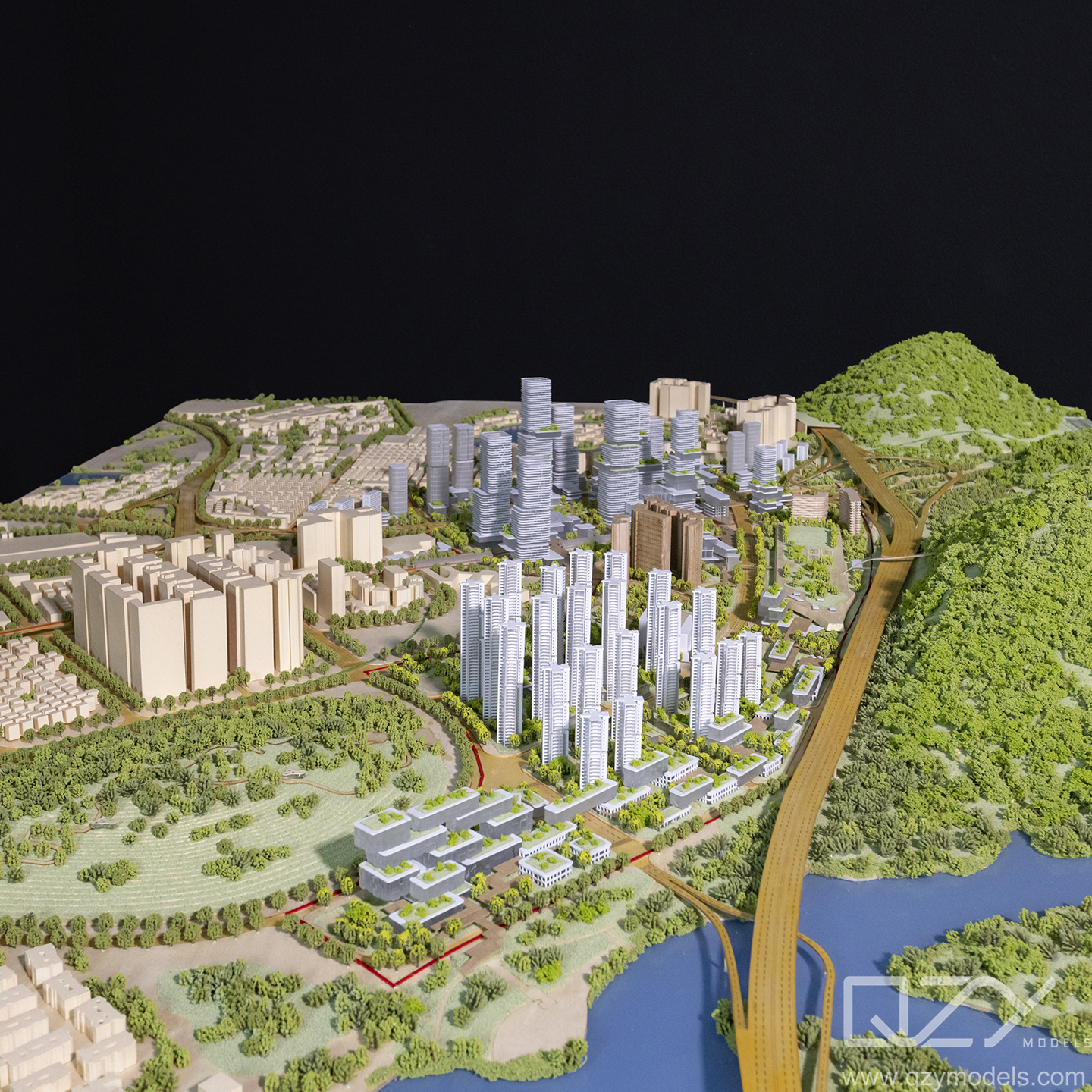
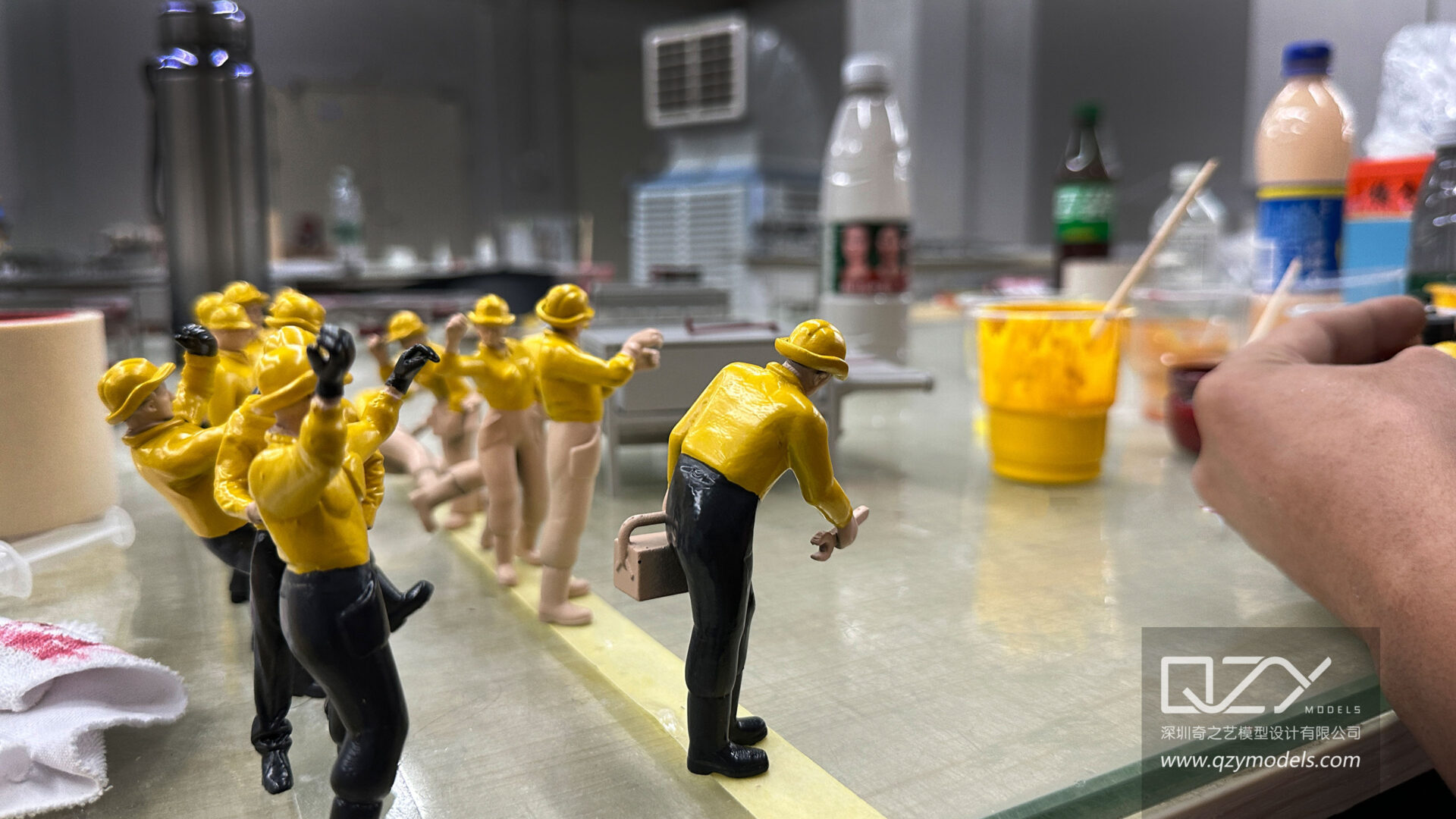
Interior design of architecture in Egypt blends rich cultural heritage with modern functionality, creating unique spaces that reflect both tradition and innovation. This article explores how manufacturers and suppliers in China, like QZY Models, support these projects through customized architectural model production and wholesale services.
What Are the Essential Elements of Interior Architecture Design in Egypt?
The essential elements of interior architecture design in Egypt include the integration of traditional motifs, spacious layouts, natural lighting, and culturally inspired materials such as stone, wood, and intricate mosaics. These designs emphasize harmony between the old and new, ensuring spaces are both aesthetically pleasing and functional.
Detailed Consideration: Designers often incorporate Islamic geometric patterns, warm earth tones, and traditional crafts into modern interiors. Chinese factories specializing in architectural models help visualize these elements through precise, detailed physical models that assist clients in Egypt during the planning phase.
How Do Chinese Manufacturers Support Interior Design Projects in Egypt?
Chinese manufacturers act as vital partners by providing high-quality, cost-effective architectural physical models for Egyptian interior design projects. Factories like QZY Models offer OEM services, customized scale models, and bulk wholesale options that help designers and developers visualize spatial concepts accurately before execution.
Detailed Consideration: Leveraging advanced materials and cutting-edge technology, these factories ensure timely delivery and bespoke solutions tailored to the unique needs of Egypt’s architectural interior projects, bridging geographical gaps efficiently and economically.
Which Materials Are Commonly Used in Architectural Models for Egyptian Interiors?
Common materials used in architectural models for interiors include acrylic, basswood, foam board, and PVC. These materials replicate textures and finishes such as marble floors, wooden panels, and ornate wall carvings typical in Egyptian interior designs, allowing clear visualization for clients and stakeholders.
Detailed Consideration: QZY Models applies these materials with precision to convey fine details and structural complexity, supporting decision-making for Egypt’s design projects that combine heritage and modern aesthetics.
| Material | Application | Benefits |
|---|---|---|
| Acrylic | Transparent elements, windows | Clarity, durability |
| Basswood | Structural walls, furniture | Fine detail, ease of crafting |
| Foam Board | Base structure, large panels | Lightweight, cost-effective |
| PVC | Decorative features, intricate details | Durable, smooth finish |
Why Is OEM and Wholesale Partnership Important in Interior Model Making for Egypt?
OEM and wholesale partnerships, especially with Chinese factories, provide scalability, cost advantages, and customization critical for large interior design projects in Egypt. These collaborations enable seamless production of multiple models with consistent quality, meeting tight timelines and budget constraints.
Detailed Consideration: QZY Models’ expertise in OEM manufacturing ensures that Egyptian design firms receive tailored models reflecting cultural and architectural nuances, enhancing project presentations and client approvals.
Who Are the Leading Suppliers of Architectural Physical Models for Egypt’s Interior Design Industry?
Leading suppliers are primarily Chinese-based manufacturers specializing in B2B services. Companies like QZY Models have established reputations through thousands of successful projects worldwide, including the Middle East and North Africa, offering robust support for Egypt’s booming architectural interior sector.
Detailed Consideration: These suppliers combine experience, technical skill, and client-focused service, essential for delivering complex models that emphasize Egypt’s distinct aesthetic and functional interior designs.
How Does Cultural Heritage Influence the Interior Design Architecture Models in Egypt?
Cultural heritage deeply impacts Egypt’s interior architectural models through motifs, materials, and spatial arrangements. Models replicate the fusion of Pharaonic, Islamic, and contemporary elements, showcasing the unique spatial stories of Egyptian interiors in detail.
Detailed Consideration: QZY Models captures this cultural richness within physical models, helping stakeholders visualize how traditional Egyptian design language blends with modern interior function, supporting culturally relevant architectural projects.
Can Industrial Model Makers Meet the Specialized Needs of Egyptian Interior Designers?
Yes, specialized industrial and architectural model makers, particularly in China, tailor physical model production to fit Egyptian design specifications, including scale accuracy, material authenticity, and cultural sensitivity, ensuring models serve as precise communication tools.
Detailed Consideration: Factories like QZY Models utilize industry knowledge and innovative manufacturing techniques to meet diverse interior design needs, from luxury hotels to residential complexes in Egypt.
When Should Egyptian Design Projects Engage Chinese Model Factories Like QZY Models?
Engagement is most beneficial during the concept development and client presentation phases. Early involvement ensures model accuracy, cost control, and timely delivery, allowing interior designers to refine spatial layouts and decorative details effectively.
Detailed Consideration: Early collaboration with QZY Models streamlines design approvals and reduces errors, ensuring smooth project progression from design to construction in Egypt’s dynamic market.
QZY Models Expert Views
“Egypt’s rich architectural heritage offers a unique canvas where tradition meets innovation. As a leading Chinese OEM model manufacturer, QZY Models is proud to support this blend by delivering high-precision physical models that capture Egypt’s intricate interior aesthetics. Our tailored manufacturing processes cater specifically to B2B clients, ensuring seamless integration of cultural elements and modern design needs. We believe such partnerships between Egypt’s architects and Chinese factories will continue to elevate project presentations and client satisfaction.” — Richie Ren, Founder, QZY Models
What Are the Benefits of Using Physical Models in Egyptian Interior Design Projects?
Physical models enhance the understanding of spatial relations, material textures, and lighting effects in Egyptian interiors. They provide a tangible preview, reducing design errors and improving communication among stakeholders.
Detailed Consideration: QZY Models’ precision-crafted models help interior designers and developers in Egypt visualize complex design concepts clearly, facilitating better decision-making and client engagement.
Is It Cost-Effective to Outsource Architectural Model Making to China for Egyptian Projects?
Outsourcing to Chinese manufacturers offers significant cost savings while maintaining high quality. Factories like QZY Models combine advanced fabrication techniques and bulk production capacity, reducing per-unit cost for Egyptian clients.
Detailed Consideration: The efficiency and flexibility of Chinese factories benefit Egypt’s interior architecture market by delivering affordable, high-quality physical models that help compete in today’s global landscape.
Conclusion: Maximizing Interior Design Success with Expert Model Manufacturing
Incorporating architectural model making from specialized Chinese manufacturers like QZY Models dramatically enhances the interior design architecture process in Egypt. By blending cultural heritage with modern design through precise, customized physical models and leveraging OEM and wholesale advantages, Egyptian projects achieve higher quality presentations, better client communication, and streamlined execution.
FAQs
Q: How does QZY Models ensure cultural accuracy in models for Egypt?
A: By collaborating closely with designers and incorporating traditional motifs and materials into scale models, QZY Models ensures cultural precision.
Q: What is the typical turnaround time for architectural models?
A: Depending on complexity, models can be delivered within 2-6 weeks through factories like QZY Models.
Q: Can models be customized for different interior styles?
A: Yes, Chinese factories offer full customization to showcase diverse Egyptian interior styles from classical to modern.
Q: What scale is commonly used for these architectural models?
A: Scales such as 1:50 or 1:100 are most common to reflect detailed interior layouts effectively.
Q: Are there eco-friendly material options for architectural models?
A: Yes, manufacturers like QZY Models also offer sustainable materials to align with green architectural practices.