A scale city model is a precise physical representation of an urban area, showing buildings, infrastructure, landscapes, and spatial relationships at a reduced ratio. It helps architects, developers, and planners visualize complex projects clearly, communicate ideas effectively, and support confident decision-making across design, planning, marketing, and public presentations worldwide.
What Are Scale City Models?
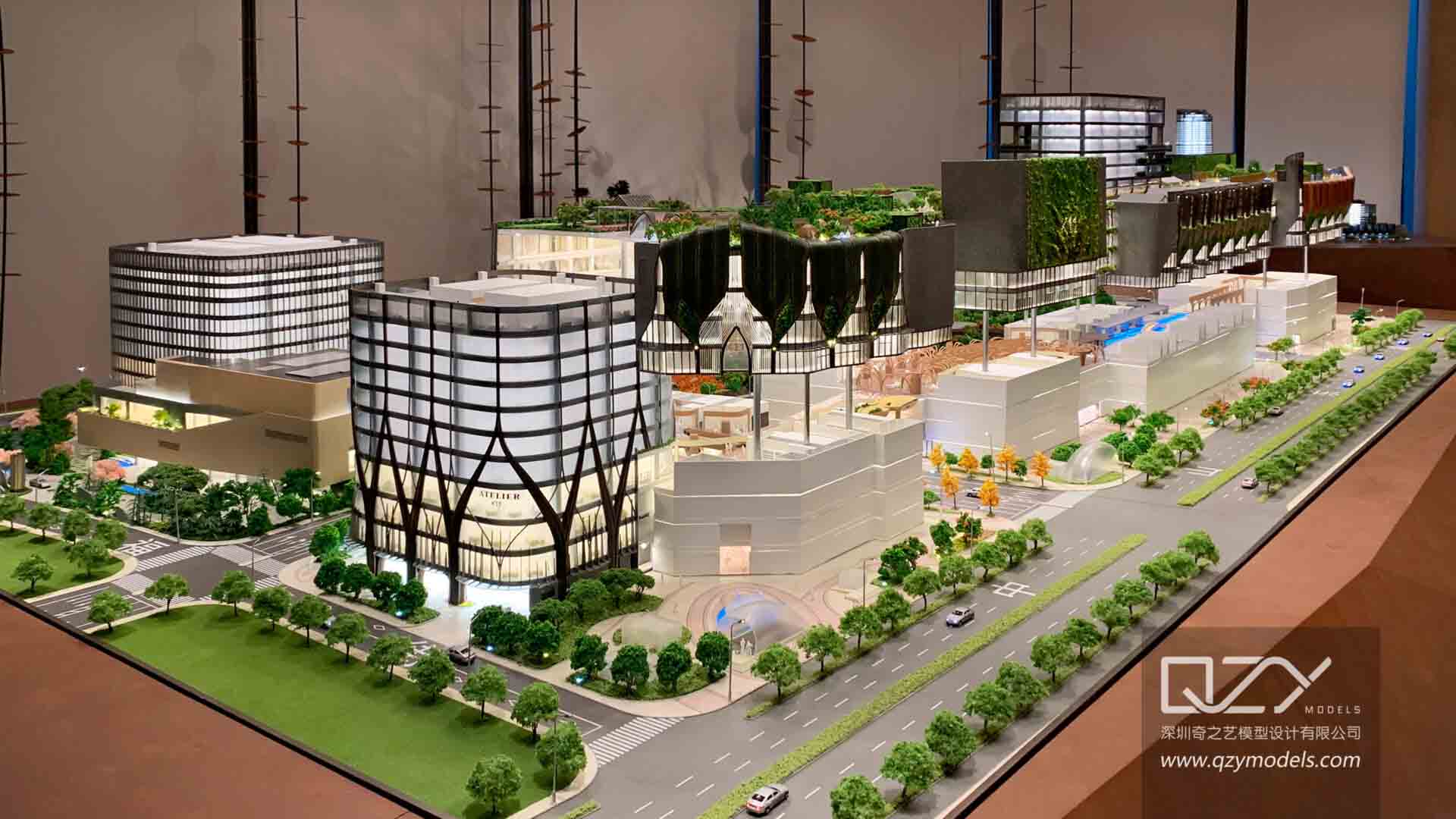
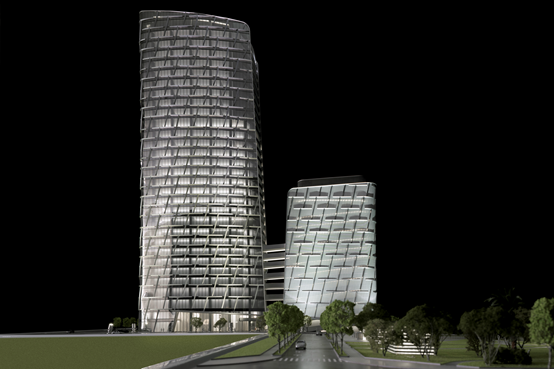
Scale city models are three-dimensional miniature representations of cities, districts, or urban developments built according to accurate proportions. They display buildings, roads, public spaces, and infrastructure to reflect how a real city functions as a whole. These models allow stakeholders to understand scale, density, circulation, and environmental context in a tangible way. QZY Models produces highly detailed city models that balance realism and clarity, making them valuable tools for architectural design reviews, government planning discussions, and real estate marketing.
| Core Element | Role in the Model | Typical Scale Range |
|---|---|---|
| Buildings | Show massing and architectural form | 1:200–1:1000 |
| Roads & Transit | Illustrate connectivity and flow | 1:500 |
| Landscape | Provide environmental context | Project-specific |
| Lighting | Enhance realism and focus | Integrated LED |
What Scales Are Used for City Models?
City models are commonly produced at scales such as 1:200, 1:500, and 1:1000, each serving different objectives. Larger scales highlight architectural detail and are ideal for districts or mixed-use developments. Smaller scales present an overall city vision and are suitable for master planning and exhibitions. QZY Models evaluates project goals, display space, and audience needs to recommend the most effective scale, often combining modular sections to maintain flexibility and clarity.
How Do You Build a Scale City Model?
The process begins with collecting drawings, GIS data, and 3D files to ensure dimensional accuracy. Digital modeling defines proportions before fabrication starts. Components are produced using laser cutting, CNC machining, and 3D printing, followed by careful hand assembly and finishing. QZY Models follows a structured workflow that includes prototyping, quality control, and final detailing to ensure consistency, durability, and visual impact for long-term display.
Why Use Scale City Models in Urban Planning?
Scale city models translate complex planning data into a form that is easy to understand for both professionals and non-technical audiences. They reveal spatial relationships, traffic patterns, building heights, and public space connections at a glance. Urban planners and government institutions rely on them to evaluate proposals, while developers use them to gain approvals and attract investment. QZY Models has supported projects across multiple continents by delivering models that improve communication and reduce decision-making risks.
What Materials Are Best for Scale City Models?
Material selection affects realism, durability, and transport safety. Acrylic is widely used for building forms due to its clean edges and strength. MDF provides a stable base for terrain, while 3D-printed parts capture fine architectural details. Lightweight foam materials help manage large footprints. QZY Models combines these materials strategically, ensuring models remain robust for exhibitions while maintaining high visual precision.
| Material | Main Advantage | Ideal Application |
|---|---|---|
| Acrylic | Clean finish and durability | Building facades |
| MDF | Structural stability | Base and terrain |
| 3D Printing | High-detail accuracy | Landmarks and icons |
| Foam | Lightweight coverage | Large urban areas |
How to Choose the Right Scale for Your City Model?
Choosing the right scale depends on project size, intended use, and audience expectations. City-wide master plans benefit from smaller scales, while sales and design reviews often require larger, more detailed representations. Display space and transport logistics must also be considered. QZY Models works closely with clients to align scale selection with communication goals, ensuring the model delivers clarity without unnecessary complexity.
What Are Innovative Features in Modern City Models?
Modern city models incorporate advanced features such as integrated LED lighting, removable modules, and interactive elements. These features allow phased developments to be updated easily and help viewers focus on key areas. QZY Models integrates smart lighting systems and modular construction techniques, enabling clients to adapt models as projects evolve and to create engaging presentations for exhibitions and investor meetings.
QZY Models Expert Views
“A well-crafted scale city model turns data into understanding. At QZY Models, we believe precision and storytelling must work together. Our team combines technical accuracy with thoughtful presentation, ensuring every model communicates intent clearly. From master plans to landmark developments, our goal is to help clients make confident decisions and present their vision with authority across global markets.”
Where Are Scale City Models Commonly Displayed?
Scale city models are displayed in developer showrooms, architecture exhibitions, government planning halls, museums, and international trade events. They are also used in educational institutions and design competitions. QZY Models delivers models for clients across the Middle East, Europe, and Asia, ensuring they are built for transport, repeated setup, and long-term professional use.
Conclusion
Scale city models remain one of the most effective tools for visualizing urban development. By choosing the right scale, materials, and features, stakeholders can communicate complex ideas with clarity and confidence. Working with experienced specialists like QZY Models ensures precision, durability, and impact. Define your objectives early, plan for future updates, and invest in quality to maximize the value of your city model.
FAQs
What is the most practical scale for a city model?
A 1:500 scale is widely used because it balances overall context with sufficient architectural detail.
How long does it take to produce a scale city model?
Production timelines typically range from several weeks to a few months, depending on size and complexity.
Can a city model be updated after completion?
Yes, modular construction allows sections to be modified or replaced as projects evolve.
Who typically commissions scale city models?
Architectural firms, real estate developers, government agencies, and exhibition organizers are the main clients.
Are scale city models suitable for international transport?
Professional models from QZY Models are designed with secure packaging and modular components for safe global delivery.