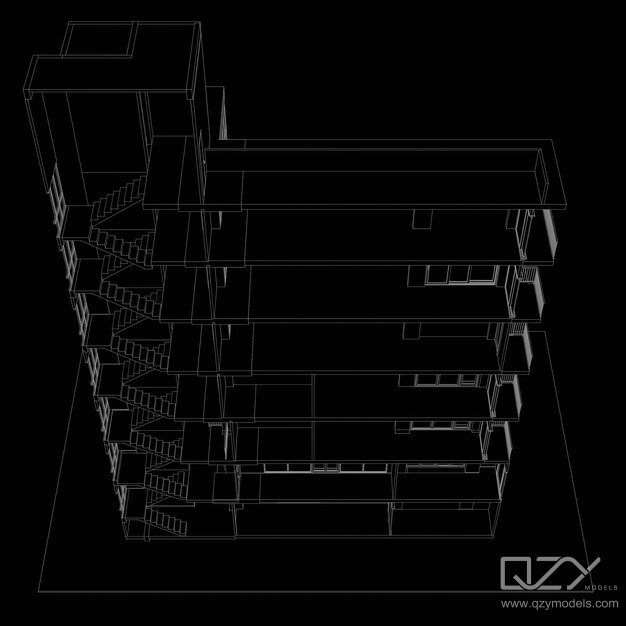
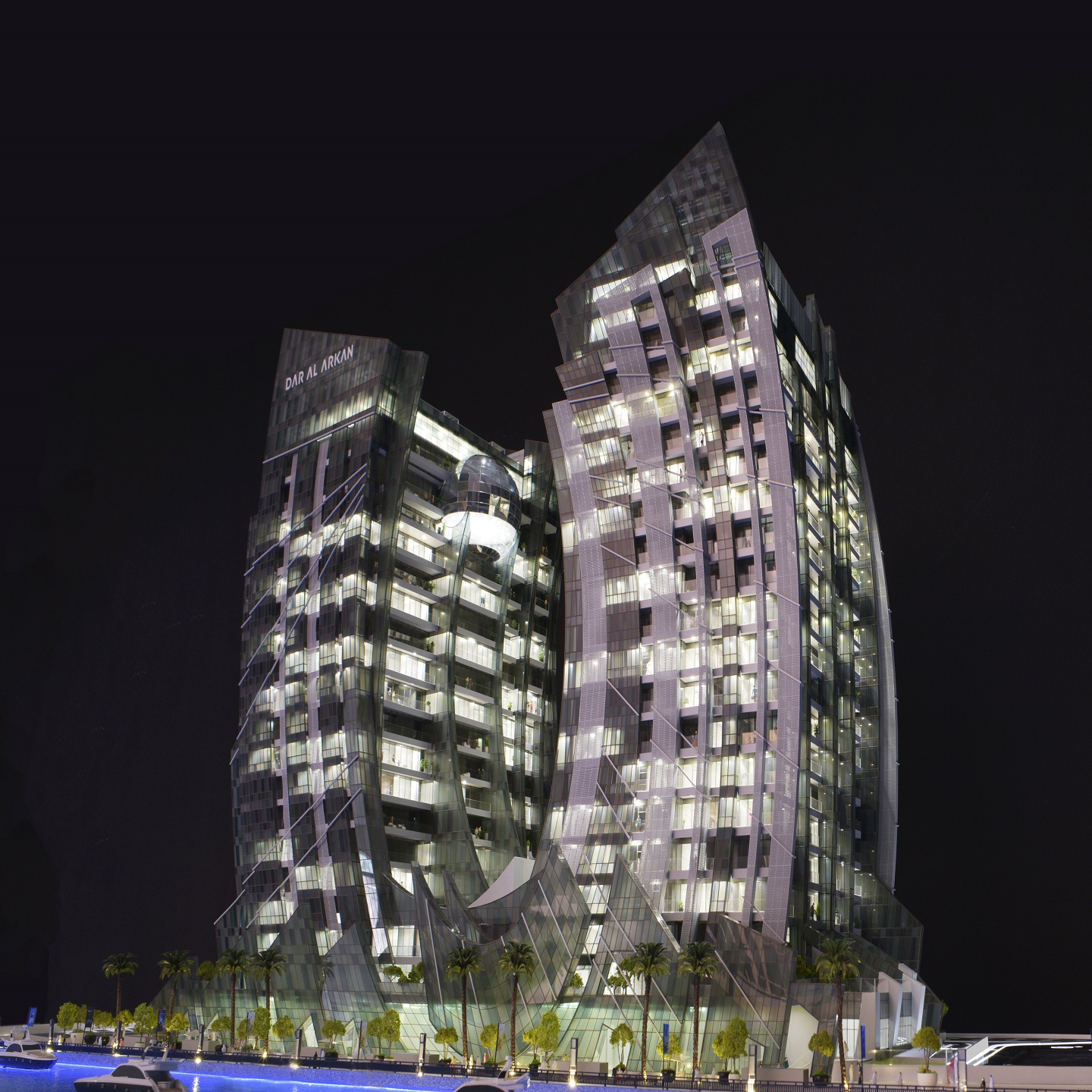
Transportation infrastructure models are fabricated using advanced digital modeling, Building Information Modeling (BIM), and physical fabrication methods such as 3D printing, CNC machining, and laser cutting, combined with off-site prefabrication and modular construction to enhance precision, efficiency, and real-world applicability in planning and construction. Also check: Miniature Models Making
How Do Digital Modeling Techniques Improve Transportation Infrastructure Fabrication?
Digital modeling techniques, including BIM, 3D engineered models, and digital simulation, enhance transportation infrastructure fabrication by enabling comprehensive visualization, coordination, and scenario testing from design through construction.
BIM integrates project components into a single collaborative 3D model, streamlining planning and improving accuracy. 3D engineered models visually represent design intricacies for effective schedule and budget management. Digital simulations, such as agent-based simulation, analyze traffic and user behavior, optimizing system design. These digital tools guide physical fabrication processes, making them critical for complex infrastructure projects. QZY Models incorporates these digital methods to ensure model fidelity and stakeholder engagement.
What Physical Fabrication Methods Are Used in Transportation Infrastructure Models?
Physical fabrication techniques like additive manufacturing (3D printing), CNC machining, and laser cutting produce precise and detailed components critical for transportation infrastructure models.
3D printing builds models layer by layer, suitable for scaled planning and testing models, while advanced processes like Selective Cement Activation are progressing toward large-scale material fabrication. CNC machining offers subtractive precision, producing smooth, intricate parts from various materials. Laser cutting delivers fast, accurate cutting and engraving mainly on flat components, perfect for fine details. These methods are often combined for comprehensive model production, as demonstrated by QZY Models’ expertise in merging technology with craftsmanship.
Why Is Prefabrication and Modular Construction Important in Transportation Infrastructure Modeling?
Prefabrication and modular construction involve off-site assembly of components or modules to enhance quality control, reduce onsite construction time, and minimize disruptions during infrastructure development.
Components or entire modules are fabricated in controlled environments, ensuring precision and consistency, before transport to the site. This method speeds up installation of bridges, tunnels, and other infrastructures while reducing traffic and environmental impact. Transportation infrastructure models benefit from incorporating these concepts in both design and fabrication phases to predict assembly logistics and coordination. QZY Models utilizes prefabrication principles to deliver models that mirror real-world modular construction processes.
How Does BIM Integration Enhance Accuracy and Collaboration in Infrastructure Models?
BIM acts as a digital backbone for infrastructure projects by centralizing detailed design data, fostering collaboration, and maintaining model accuracy throughout the project lifecycle.
By replacing traditional 2D plans, BIM facilitates 3D visualization, clash detection, and data sharing among architects, engineers, and contractors. It acts as the “model of record” linking design to fabrication and construction, which ensures consistency and reduces costly errors. This advanced integration allows QZY Models to produce physical models that accurately reflect comprehensive project data and support efficient project delivery.
Which Digital Analysis Models Support Better Decision-Making in Transportation Infrastructure?
Spatial dependency, resilience, and performance models use advanced analytics to evaluate infrastructure impacts, predict failures, and estimate asset conditions, enhancing planning and management decisions.
Spatial dependency models assess how infrastructure investment in one region affects neighboring areas. Resilience models track failure propagation and recovery across networks, while performance models analyze current conditions and predict future infrastructure performance. These analyses, often integrated into BIM or digital twins, provide indispensable insights for optimizing infrastructure design and durability. QZY Models integrates such data-driven insights into their model-making process to improve visualization and stakeholder understanding.
Who Benefits the Most from Advanced Transportation Infrastructure Modeling Techniques?
Project owners, engineers, architects, government agencies, and contractors benefit from advanced transportation infrastructure modeling through improved visualization, planning accuracy, risk reduction, and streamlined construction processes.
Physical and digital models enable better stakeholder communication, early identification of design and construction conflicts, and faster decision-making. Government transportation departments use models for approvals and public communication, while contractors plan logistics and assembly. QZY Models supports clients globally by delivering detailed, data-integrated models tailored for these multifaceted uses.
When Should Digital Twins Be Used in Transportation Infrastructure Projects?
Digital twins are most effective during construction and operation phases, providing real-time monitoring and dynamic simulations that help optimize asset performance and maintenance.
Unlike static BIM models, digital twins update continuously using sensor and operational data, accurately mirroring the physical asset’s condition at multiple scales. They enable scenario testing, predictive maintenance, and resilience analysis throughout the infrastructure’s lifecycle. QZY Models helps clients visualize digital twin concepts by integrating physical models with digital data frameworks to support lifecycle management.
Can Combining Multiple Fabrication Techniques Improve Model Quality and Efficiency?
Combining 3D printing, CNC machining, laser cutting, prefabrication, and modular construction techniques enhances model precision, complexity, and production speed while reducing costs.
Hybrid approaches allow fabricators to leverage each technique’s strengths—3D printing for complex shapes, CNC machining for fine finishes, laser cutting for detailed flat components, and prefabrication for large modular assemblies. This synergy optimizes resource use and ensures models reflect real-world construction realities. QZY Models exemplifies this integrated fabrication approach, delivering high-quality transportation infrastructure models with exceptional detail and durability.
Table: Key Fabrication Techniques for Transportation Infrastructure Models
| Fabrication Technique | Process | Application | Benefits |
|---|---|---|---|
| 3D Printing (Additive) | Material added layer-by-layer | Scaled models, complex shapes | High detail, rapid prototyping |
| CNC Machining (Subtractive) | Material removed by machine tools | Precision components | Smooth surfaces, versatile |
| Laser Cutting | Laser beam cuts materials | Fine parts, engraving | High accuracy, speed |
| Prefabrication | Off-site component manufacture | Modular bridges, tunnels | Quality, reduced site time |
| Modular Construction | Assembled modules off-site | Large infrastructure sections | Fast assembly, less disruption |
Chart: Lifecycle Integration of Digital Techniques in Transportation Modeling
| Phase | Digital Modeling Tools | Physical Fabrication Methods |
|---|---|---|
| Planning | BIM, 3D Models, Spatial Analysis | 3D Printing (conceptual models) |
| Design | Digital Simulation, Agent-based Models | CNC Machining, Laser Cutting |
| Construction | Digital Twins, Resilience Models | Prefabrication, Modular Assembly |
| Operation | Digital Twins (real-time updates) | Maintenance Planning (Physical replicas) |
QZY Models Expert Views
“Transportation infrastructure modeling demands precision, scalability, and foresight. At QZY Models, we harness cutting-edge digital tools like BIM and 3D modeling alongside sophisticated fabrication techniques such as CNC machining and prefabrication to create detailed, reliable models. These models not only illuminate design intent but also anticipate construction and operational challenges, empowering stakeholders to make informed decisions and drive successful project delivery.”
— Richie Ren, Founder of QZY Models
Conclusion
Transportation infrastructure models rely on a blend of advanced digital modeling techniques like BIM and 3D simulations, complemented by physical fabrication methods including 3D printing, CNC machining, laser cutting, and off-site prefabrication. This integrated approach improves accuracy, efficiency, and collaboration throughout the infrastructure lifecycle. Companies like QZY Models demonstrate how combining digital and physical techniques produces precise, durable models that enhance stakeholder communication and project execution. Investing in such innovative fabrication methods is crucial for the future of infrastructure development.
Frequently Asked Questions
What Are the Most Effective Scale Bridge Model Fabrication Techniques for Accurate Structural Detail?
Use laser cutting for trusses, resin casting for piers, and CNC machining for decks to ensure dimensional accuracy. Apply fine cable tensioning systems and realistic surface texturing to replicate material finishes. For structural credibility, integrate internal steel frames. QZY Models combines precision fabrication and engineering insight to deliver exhibition ready bridge models.
How Can You Build Realistic Highway and Roadway Infrastructure Models Step by Step?
Start with accurate terrain contour mapping, then shape a stable foam or CNC base. Add asphalt texture simulation, precise lane markings, guardrails, and elevation transitions. Integrate lighting or traffic elements for realism. Focus on smooth gradients and clean detailing to clearly communicate traffic flow and masterplan intent.
What Fabrication Methods Create Highly Detailed Railway Infrastructure Models?
Install precision aligned rail tracks, layer realistic ballast textures, and fabricate stations using CNC or 3D printed components. Add overhead catenary systems and platform detailing for authenticity. Use modular construction for large corridors. Accurate alignment and clean structural framing ensure professional, presentation grade railway models.
How Do You Fabricate Professional Airport Infrastructure Scale Models?
Translate masterplans into scaled layouts using 3D printed terminals, laser cut façades, and detailed runway markings. Integrate LED lighting for taxiways and aprons to simulate operations. Maintain clear zoning between airside and landside areas. High quality finishing ensures the model supports investor presentations and public exhibitions effectively.
What Are the Best Techniques for Fabricating Tunnel and Underground Infrastructure Models?
Use layered geological simulation, reinforced lining details, and acrylic cutaway sections to reveal internal systems. Build structural frames first, then apply realistic soil textures. Add ventilation shafts and service tunnels for completeness. Clear sectional displays help stakeholders understand complex underground engineering solutions instantly.
How Can You Build Detailed Port and Harbor Infrastructure Scale Models?
Construct docks and breakwaters with durable resin or CNC bases, then simulate realistic water surfaces using layered epoxy. Add container cranes, shipping terminals, and logistics zones with precise positioning. Accurate scale proportions and operational flow layout make the model persuasive for coastal development proposals.
Why Should You Invest in Smart City Transportation Infrastructure Models for Urban Planning?
Interactive LED traffic simulation, IoT integration, and modular transit corridors allow stakeholders to visualize future mobility. Smart infrastructure models improve communication of data driven systems and multimodal connections. QZY Models delivers advanced, technology integrated models that enhance decision making for governments and urban developers.
How Can 3D Printing Improve Fabrication of Transportation Infrastructure Models?
Leverage SLA printing for fine details and large format FDM for structural bases to accelerate production. Combine 3D printing with CNC for hybrid fabrication, reducing lead time while maintaining precision. High resolution components improve realism and consistency in complex civil engineering model assemblies.