A miniature stadium is a detailed scale model representing sports venues in a compact, precise form. It is widely used for architectural presentations, urban planning, marketing, and customized promotional displays. For manufacturers like QZY Models in China, these models offer manufacturers, suppliers, and builders an essential tool to visualize large-scale projects, accelerating decision-making and stakeholder engagement.
What Is a Miniature Stadium and How Is It Used in Industry?
A miniature stadium is a physical scale replica of an actual or conceptual sports stadium, designed to showcase architectural details, seating arrangements, and infrastructure. It is used extensively by architects, builders, and event organizers to assess design, plan logistics, and promote projects. In the B2B sector, a reliable China manufacturer or factory offering OEM services ensures high-quality customization and quick delivery for global clients.
Detailed usage includes:
-
Architectural and urban planning demonstrations
-
Marketing and investor presentations
-
Educational and museum exhibits
-
Promotional displays for sports teams or events
Choosing a top-tier supplier like QZY Models guarantees materials and craftsmanship that withstand professional scrutiny and international standards.
How Is a Miniature Stadium Manufactured by China Factories?
China manufacturers utilize advanced techniques such as 3D printing, laser cutting, CNC machining, and traditional craftsmanship to produce miniature stadiums. The process begins with client-provided blueprints or 3D digital models, followed by precision fabrication and component assembly. Factories focusing on OEM customization ensure flexibility in scale, material choices, and detailing.
The manufacturing stages are:
-
Design validation and digital modeling
-
Material selection—acrylic, wood, metal, or resin
-
Precision cutting and 3D printing of components
-
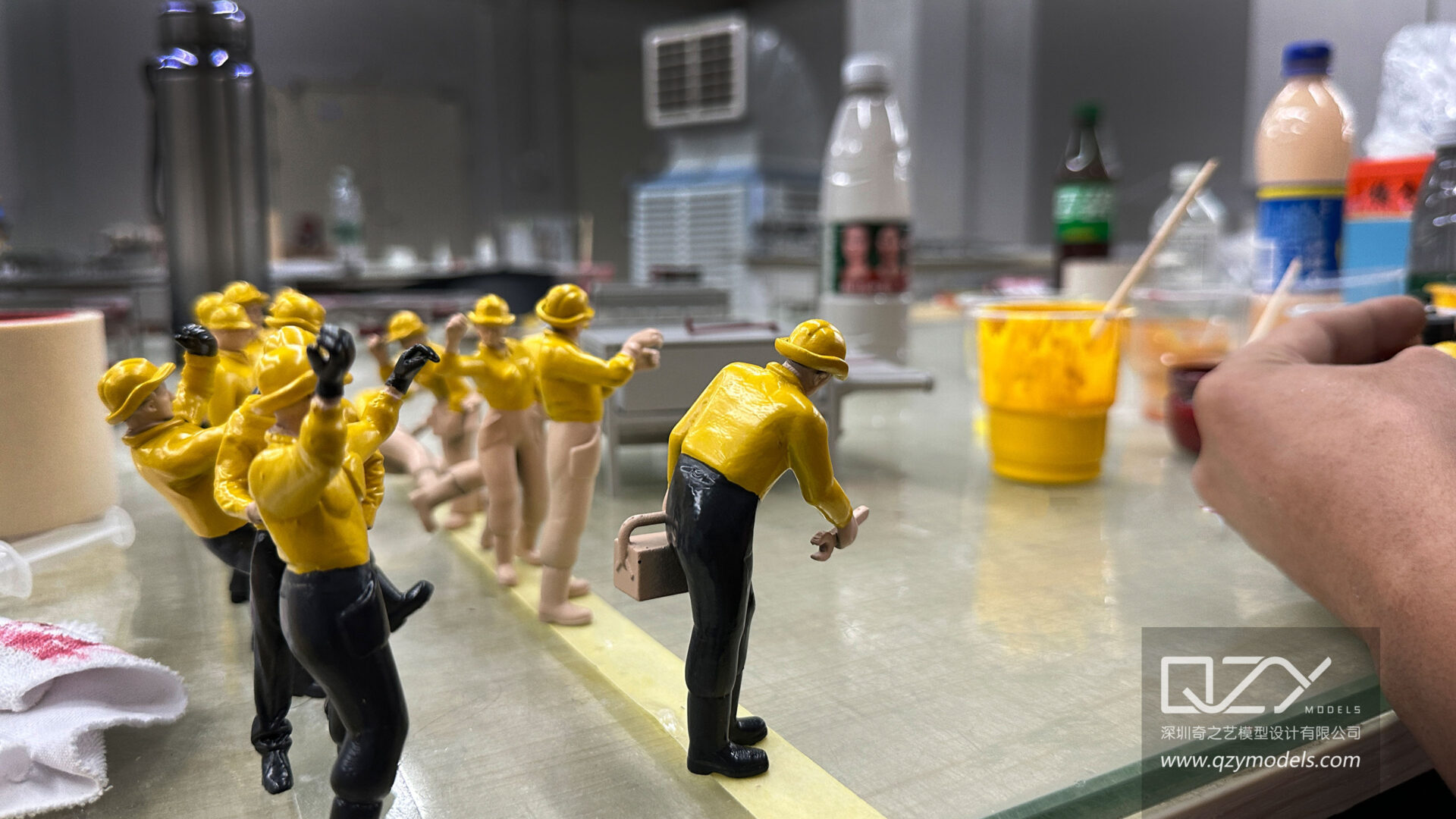
Hand assembly and finishing touches
-
Quality control before packaging and shipping
QZY Models specializes in this process, leveraging decades of expertise to deliver models meeting architecture firms and developers’ high standards worldwide.
Which Materials and Technologies Optimize Miniature Stadium Quality?
Miniature stadiums require durable, lightweight, and visually accurate materials. Common choices include acrylics for transparent parts, high-density foam, woodworking materials, and metals for structural elements. Technologies integrated by factories include 3D printing for complex shapes and laser engraving for fine textures.
Comparison Table: Common Materials and Their Attributes
| Material | Durability | Detail Resolution | Weight | Cost |
|---|---|---|---|---|
| Acrylic | High | High | Medium | Moderate |
| High-Density Foam | Medium | Medium | Low | Low |
| Wood | Medium | Medium | Medium | Low |
| Metal | Very High | High | High | High |
| Resin | High | Very High | Medium | Moderate |
QZY Models uses a combination of these materials tailored to each client’s model specifications, ensuring superior appearance and longevity for exhibitions and sales.
Why Should Businesses Choose Chinese Miniature Stadium Suppliers for OEM Projects?
Chinese manufacturers dominate the global miniature model industry due to cost efficiency, scalability, and advanced customization capabilities. Partnering with a China-based supplier like QZY Models guarantees OEM services that adapt to exact project requirements while maintaining competitive pricing and fast turnaround.
Key reasons to choose Chinese suppliers:
-
Access to skilled artisans and modern production lines
-
Competitive manufacturing costs and volume discounts
-
Strong customer support and project management experience
-
Ability to integrate new technologies and materials continuously
Many leading architects and developers globally prefer Chinese suppliers for their combination of quality and value.
How Does QZY Models Stand Out Among Other Miniature Stadium Makers?
QZY Models excels through its comprehensive project expertise, focus on quality, and global service reach. With over 20 years of experience and collaborations with elite firms like Foster + Partners, QZY delivers precision models that meet rigorous standards. Their Shenzhen-based factory adapts OEM production flexibly, filling orders for wholesale buyers, suppliers, and international partners alike.
Features distinguishing QZY Models:
-
Dedicated architectural and industrial modeling team
-
Flexible OEM/ODM services for customization
-
Advanced production technologies and quality assurance
-
Timely delivery and global logistics support
This combination of expertise and service makes QZY a preferred partner for miniature stadium manufacturing projects.
When Are Miniature Stadium Models Most Useful in the Project Lifecycle?
Miniature stadium models are invaluable from early concept stages through final sale and marketing events. Initially, they allow architects and planners to communicate designs clearly. As projects develop, models serve as negotiation tools with stakeholders. Finally, they become promotional assets during public unveilings or sponsorship campaigns.
Timeline uses include:
-
Early-stage design validation and visualization
-
Mid-project client and investor presentations
-
Final project promotion and merchandising
Factories like QZY Models work closely with clients to ensure model delivery aligns perfectly with these key phases, optimizing impact.
Where Can Businesses Source High-Quality Wholesale Miniature Stadium Models?
Businesses worldwide seeking wholesale miniature stadium models often turn to China for reliable manufacturing hubs. Shenzhen, in particular, features many factories specializing in scale modeling. Choosing suppliers offering OEM customization ensures models can be tailored for branding or functional requirements.
Considerations when sourcing:
-
Factory reputation and portfolio, such as QZY Models’
-
Compliance with international quality certifications
-
Capacity for bulk orders and timely delivery
-
Capability to provide after-sales support and maintenance
This strategic sourcing benefits wholesalers, event planners, and design firms aiming for top-tier models at competitive rates.
Does OEM Customization Affect Miniature Stadium Model Pricing?
Yes, OEM customization impacts final pricing based on model scale, material choices, detail level, and unique features required. China factories typically offer tiered pricing to accommodate budgets, optimizing costs through standardized processes while accommodating bespoke requests.
Pricing factors include:
-
Size and complexity of the stadium model
-
Choice of materials (acrylic, resin, metal, etc.)
-
Amount of handcrafted detail and engraving
-
Quantity ordered for wholesale discounts
QZY Models provides transparent, customized quotes ensuring clients get the best ROI without compromising quality or detail.
Has the Demand for Miniature Stadium Models Increased in Recent Years?
Demand has risen notably due to greater urban development projects, sport event hosting, and promotional needs globally. Increased interest in architectural visualization and event marketing drives growth, especially for reliable OEM factories in China that can scale production while maintaining quality.
Influencing factors:
-
Expansion of international sports infrastructure projects
-
Growing popularity of stadium-based events worldwide
-
Advances in manufacturing technology improving model realism
-
Appeal of detailed physical models in digital-heavy environments
QZY Models is positioned to capitalize on this trend with its expert team and manufacturing capacity.
QZY Models Expert Views
“Miniature stadium models are no longer just presentation tools; they are strategic assets that bring architectural visions to life, enabling immersive stakeholder understanding and accelerating project approvals. At QZY Models, our commitment to perfecting every tiny detail reflects our passion for quality and innovation. Our China-based manufacturing allows us to deliver customized models efficiently, empowering clients worldwide to showcase their projects with confidence and precision.” — Richie Ren, Founder
Conclusion
Miniature stadium models represent a vital intersection of architecture, marketing, and industrial craftsmanship. Choosing a professional China-based manufacturer like QZY Models ensures access to top-tier quality, OEM flexibility, and competitive pricing. Businesses can leverage these detailed models throughout project lifecycles—from concept visualization to final promotion—enhancing communication and stakeholder engagement effectively.
Frequently Asked Questions
Q1: What scale sizes are typical for miniature stadium models?
Common scales include 1:500, 1:300, and 1:150, depending on model purpose and detail required.
Q2: Can miniature stadium models be customized with branding?
Yes, OEM services allow full customization including colors, logos, and unique architectural features.
Q3: What is the lead time for manufacturing?
Lead times vary but typically range from 4 to 12 weeks depending on complexity and order size.
Q4: Are models durable enough for repeated handling and transport?
Factories like QZY Models ensure durability through material selection and protective finishes.
Q5: Can models include lighting or digital elements?
Many manufacturers integrate LED lighting and interactive digital components upon request.