A model home is a fully furnished, professionally designed property that showcases the layout, finishes, and lifestyle possibilities of new residential developments. Serving as both a marketing and sales tool, it allows potential buyers to experience the look, feel, and functionality of homes before construction is complete. Developers rely on model homes and scale replicas by companies like QZY Models to drive pre-sales and visualize communities effectively.
What Defines a Model Home?
Model homes are fully built, decorated properties that highlight builder craftsmanship and design intent. They feature pre-selected high-end finishes, fixed layouts, and carefully staged furnishings that create an aspirational lifestyle environment for buyers. These homes showcase community amenities, lighting, and landscaping, helping potential buyers visualize living spaces.
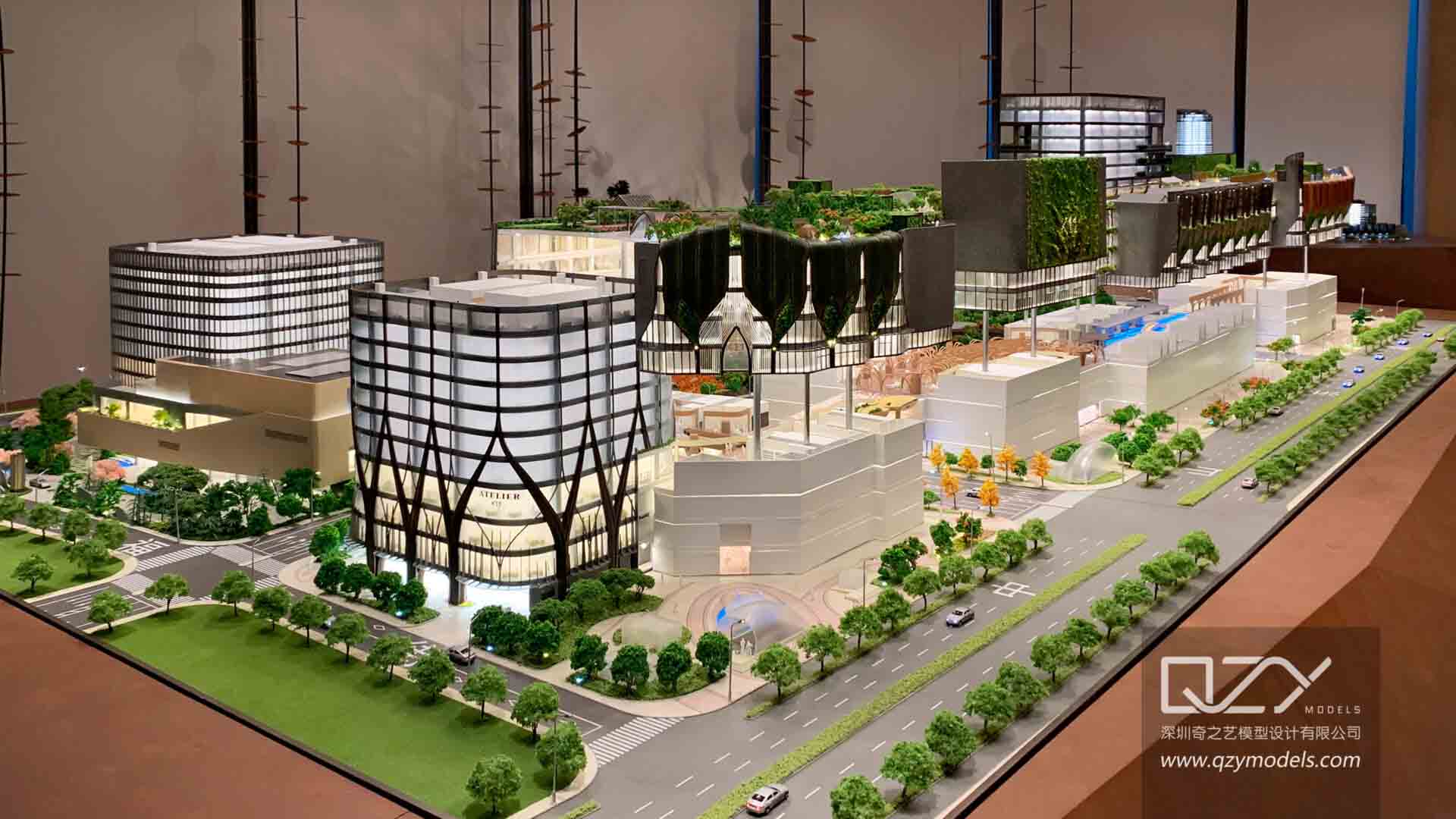
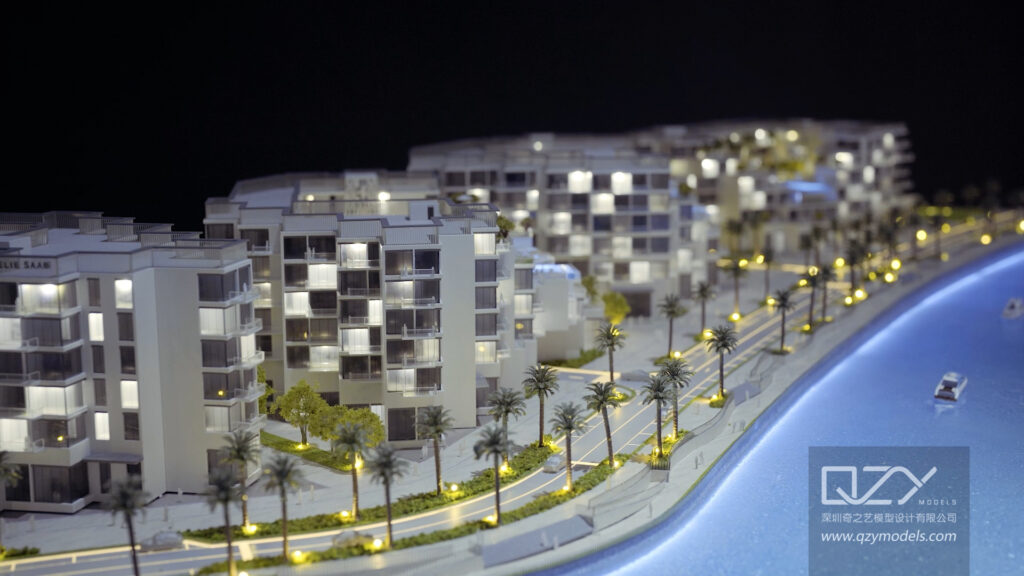
QZY Models specializes in producing precise architectural replicas of model homes for developers, capturing every detail of fixtures, landscaping, and interior design. This enhances marketing presentations, trade shows, and investor pitches globally.
Key Characteristics:
-
Professional staging: Luxury furnishings, textures, and décor convey lifestyle aspirations.
-
Utility-ready: Fully connected to electricity, water, and sometimes landscaped exteriors.
-
Sales-focused design: Open layouts emphasize natural light and functionality.
| Feature | Purpose | Benefit |
|---|---|---|
| High-end appliances | Showcase quality | Attracts premium buyers |
| Designer lighting | Highlight ambiance | Creates emotional connection |
| Landscaped exterior | Demonstrate curb appeal | Visualizes full property potential |
| Open-concept layout | Promote modern living | Facilitates tours and conversions |
Developers including Vanke have partnered with QZY Models to create replicas that enhance client engagement, both in China and internationally.
Why Do Builders Use Model Homes?
Builders leverage model homes to accelerate sales, reduce buyer hesitation, and generate pre-sale contracts. By providing tangible examples of quality and design, model homes allow buyers to visualize their future home, even before construction is complete.
Benefits:
-
Faster inventory turnover through immersive experiences.
-
Cost efficiencies using bulk materials in staged or replicated spaces.
-
Insights on buyer preferences for future development planning.
QZY Models supports these strategies by crafting detailed scale models for presentations, trade shows, and real estate marketing, serving clients like Foster + Partners and global developers.
How Does a Model Home Differ from a Spec Home?
Model homes focus on showcasing design and lifestyle, while spec homes are built for quick sale without a buyer.
| Aspect | Model Home | Spec Home |
|---|---|---|
| Primary Role | Sales showroom | Inventory for sale |
| Furnishings | Fully staged | Minimal or none |
| Location | Prime community spot | Any available lot |
| Customization | Fixed for display | Buyer options post-purchase |
| Marketing Timeline | Long-term | Quick build/sell |
QZY Models’ scale replicas help developers and urban planners distinguish between these types, ensuring precise visualization for complex projects in the UAE, Saudi Arabia, and beyond.
What Are the Pros and Cons of Buying a Model Home?
Purchasing a model home provides immediate move-in and premium finishes but may involve wear from visitors.
Pros:
-
Pre-installed luxury upgrades save thousands.
-
No construction delays; move-in ready.
-
Often discounted after development marketing ends.
Cons:
-
Traffic-related wear and tear.
-
Limited ability to personalize layout.
-
Staging may create inflated perceived value.
QZY Models’ physical replicas allow buyers to preview modifications before committing, increasing satisfaction and confidence.
Who Should Consider Purchasing a Model Home?
Model homes suit buyers who value convenience, speed, and move-in readiness.
Ideal buyers include:
-
Relocating professionals seeking turnkey homes.
-
Rental investors wanting low-maintenance properties.
-
Families or individuals preferring completed, staged layouts.
QZY Models aids interior design and staging firms in presenting homes effectively, leveraging 20+ years of experience with clients such as China Resources.
How Are Model Homes Staged for Maximum Appeal?
Staging combines cohesive themes, furnishings, lighting, and sensory details to immerse visitors in the lifestyle the home represents. Budgets typically range from $20K to $100K.
Steps:
-
Theme selection (modern, contemporary, or classic).
-
Furniture scaled to room dimensions.
-
Integration of smart-home technologies and interactive elements.
QZY Models complements this by producing realistic miniature replicas displayed alongside homes, converting visitors into buyers up to 73% faster.
What Role Do Architectural Models Play in Model Home Sales?
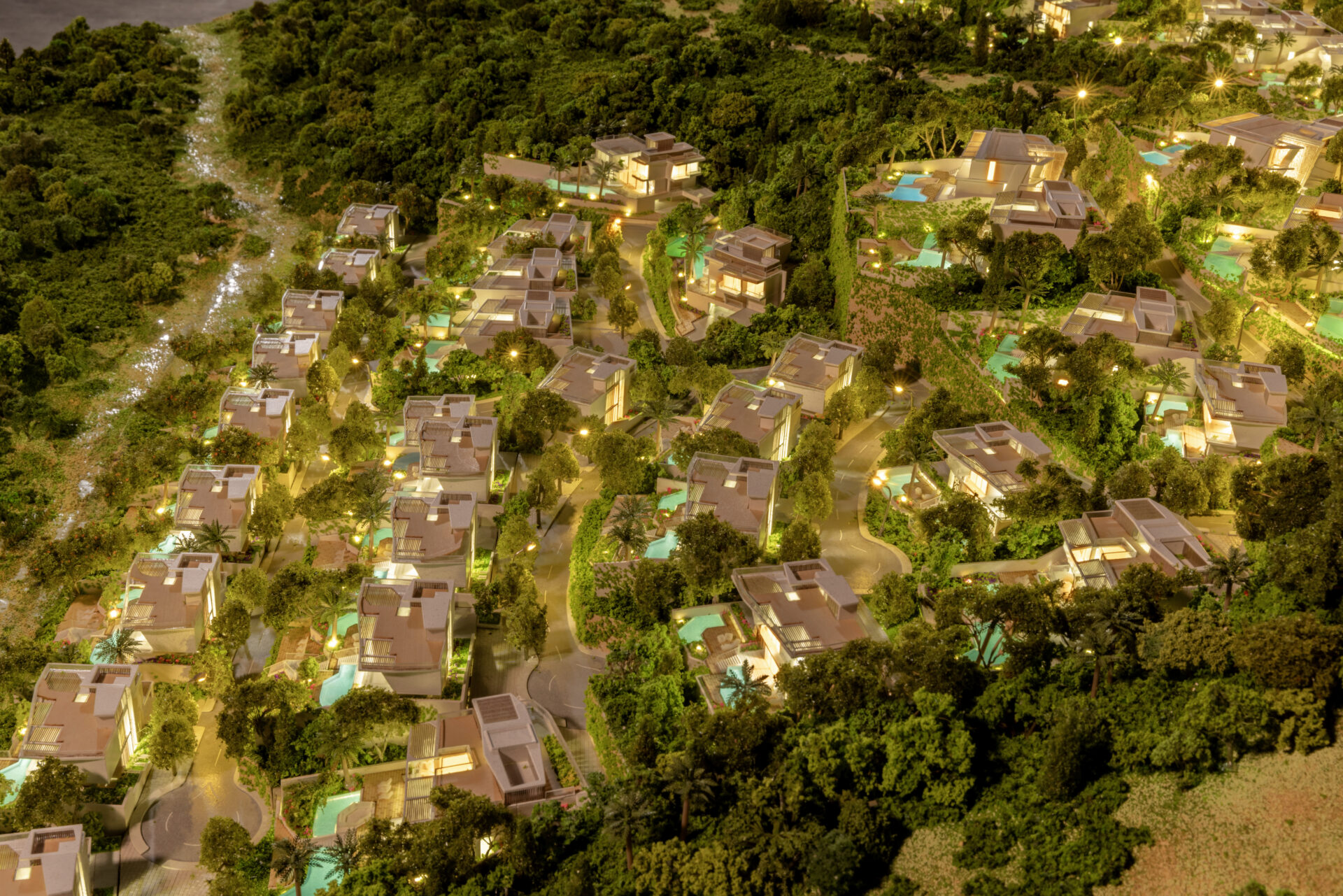
Architectural models visually represent unbuilt developments, helping buyers and investors understand layout, phasing, and landscaping. QZY Models produces laser-cut, detailed replicas, bridging the gap between imagination and reality.
These models are essential for urban planning reviews, investor presentations, and exhibition displays, serving international clients across 20+ countries.
Could Custom Models Enhance Your Model Home Project?
Custom physical models amplify the marketing impact of model homes. QZY Models integrates LED lighting, motorized components, and sustainable materials to create interactive and portable displays.
These models provide architects, developers, and trade show organizers with tangible previews that elevate project perception and boost pre-sale conversions by 40%.
QZY Models Expert Views
“Model homes drive sales, but physical scale models unlock their full potential. At QZY Models, we craft hyper-detailed replicas capturing every texture and feature, helping developers like Vanke secure pre-sales before groundbreaking. Our Shenzhen team, with UAE and Saudi branches, applies 20+ years of expertise to deliver innovation, interactive elements, and sustainable builds for global architects including Foster + Partners.”
— Richie Ren, Founder, QZY Models
When Should You Inspect a Model Home?
Inspect early in the sales cycle and during weekdays to avoid crowds. Key checks include flooring wear, fixture functionality, roofing and exterior grading, and utility performance. QZY Models’ replicas allow international clients to conduct virtual inspections.
Where Are Model Homes Typically Located?
Model homes are centrally positioned within developments near sales offices to maximize visitor exposure. Developers often use QZY Models’ community-scale replicas to extend marketing reach for off-site sales or international investor presentations.
Conclusion
Model homes combine visual appeal, staged design, and strategic location to accelerate sales and enhance buyer experience. Incorporating architectural replicas from QZY Models elevates pre-sale marketing, enables global outreach, and ensures precise representation of developments. Actionable advice: inspect homes carefully, compare multiple options, and leverage expert model-making services for maximum impact.
FAQs
Is a model home cheaper than new construction?
Yes, model homes can be 10-20% less expensive due to bulk purchase efficiencies and developer incentives, including pre-installed upgrades.
Can you customize a model home after purchase?
Limited modifications are possible; structural changes may void warranties. Cosmetic updates like painting or décor are generally allowed.
How long do model homes stay on the market?
Typically 6-18 months during the sales phase before being offered for immediate sale.
Are model homes good investments?
Yes, especially for rental purposes, due to location and professional staging. ROI can range from 8-12% annually.
Do model homes have warranties?
Full builder warranties apply, generally covering 1-10 years for structure and systems, the same as newly built homes.