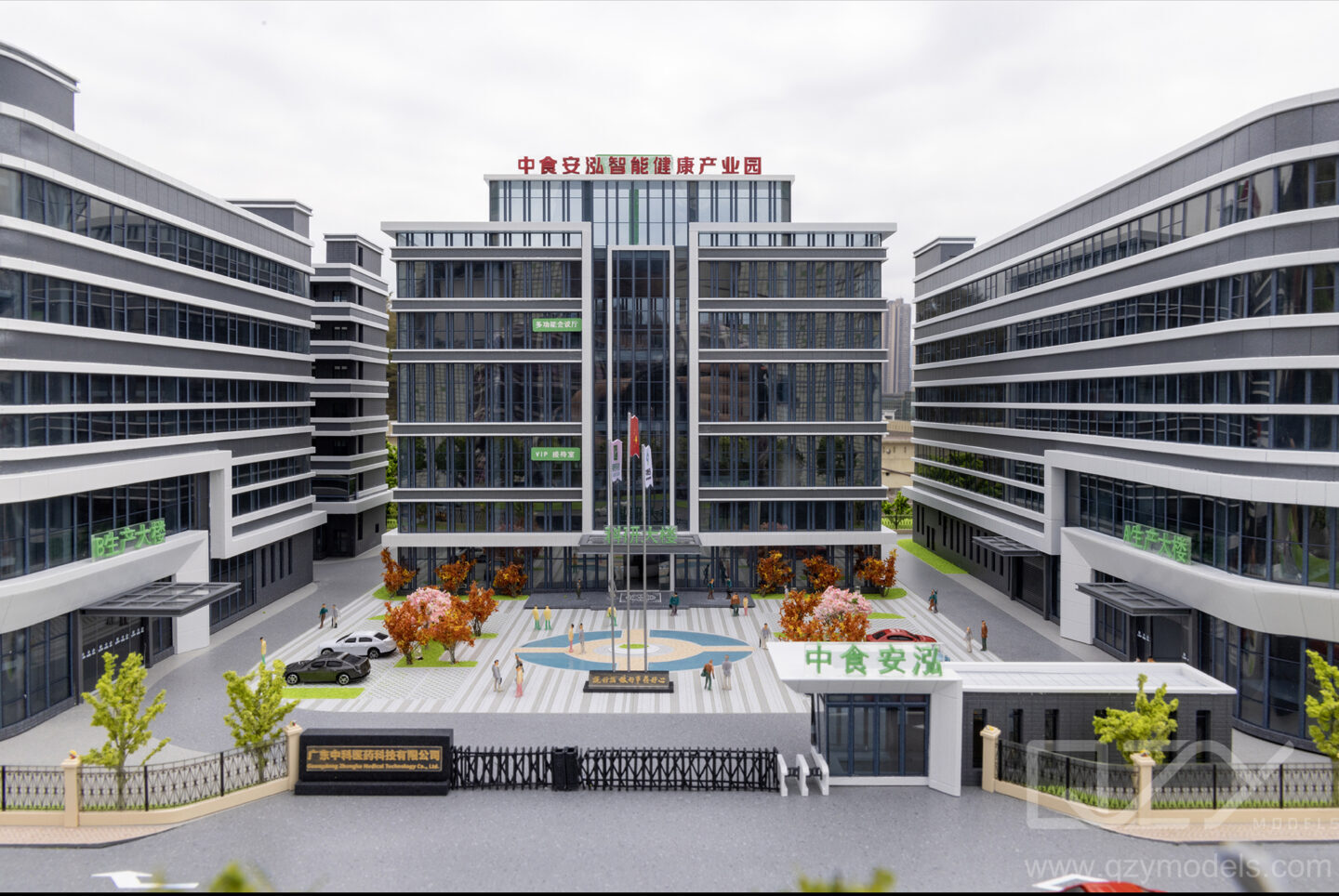
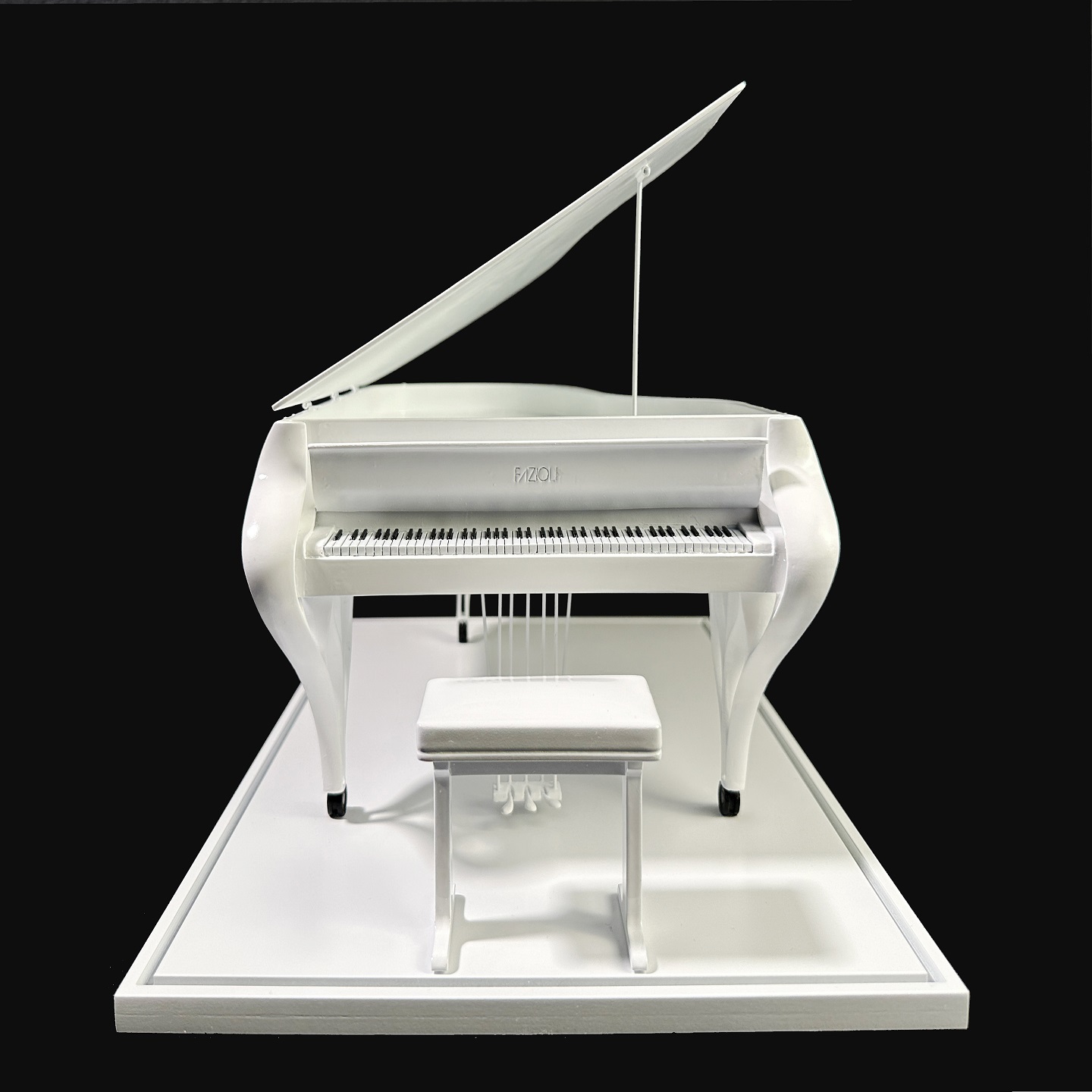
Miniature model making can be professional and affordable by using foam board, balsa wood, cardstock, acrylic paints, and PVA glue. These cost-effective materials under $50 deliver precision, versatility, and vibrant finishes suitable for beginners and experts alike. QZY Models recommends these essentials to create high-quality architectural and industrial models without overspending, ensuring every detail meets professional standards.
What Are Essential Budget Materials?
Essential budget materials for miniature projects include foam board, balsa wood, and cardstock, supported by acrylic paints and PVA glue. Foam board provides a lightweight, rigid base ideal for architectural layouts. Balsa wood allows easy cutting and shaping for internal frames, while cardstock handles detailed textures and structures. Acrylic paints offer vibrant finishes, and PVA glue ensures strong, reliable bonds. QZY Models incorporates these cost-effective choices for precise prototypes and client-ready models.
| Material | Cost (per sheet/pack) | Best Use | Durability |
|---|---|---|---|
| Foam Board | $2-5 | Walls, bases | High |
| Balsa Wood | $3-6 | Frames, details | Medium |
| Cardstock | $1-3 | Roofs, textures | Low-Medium |
| Acrylic Paints | $1-4/tube | Coloring | High |
Which Commercial Products Offer Best Value?
Top commercial products balance affordability and quality. Dollar Tree foam core is ideal for clean cuts in urban or architectural models. Hobby Lobby balsa sheets resist warping and maintain structural integrity. Amazon Basics acrylic paints deliver opaque, smooth finishes comparable to premium brands. These options allow hobbyists to maintain professional results without overspending. QZY Models frequently utilizes such commercially available materials to replicate industrial prototypes efficiently while controlling project costs.
How to Source Affordable Supplies?
Affordable materials are available from dollar stores, craft retailers, and online marketplaces. Dollar stores provide inexpensive foam and adhesives, while Amazon and Michaels offer variety, bulk options, and periodic discounts. Hunt promotions, use coupons, and track deals to keep project costs below $30. QZY Models sources globally but often selects these suppliers for prototype development due to convenience, cost efficiency, and fast delivery.
Why Choose Foam Board Over Plastic?
Foam board is lighter, easier to cut, and more cost-effective than plastic for miniature models. It allows smooth painting, accurate scoring, and folding without cracking, unlike brittle plastic. Hot glue reinforces joints efficiently, and foam’s lightweight nature reduces transportation risk. Its limitations include low heat resistance, which should be avoided near flames. QZY Models favors foam board for prototyping and high-fidelity architectural models due to speed, precision, and reduced material costs.
What Tools Pair with Budget Materials?
Core tools include a craft knife, cutting mat, tweezers, fine brushes, and sandpaper. These amplify the functionality of basic materials. Precision knives create sharp edges in balsa wood, tweezers handle small cardstock pieces, and fine brushes enable controlled paint layers. Investing around $15 for a starter kit ensures professional-quality finishes. QZY Models emphasizes well-maintained tools to achieve crisp edges and clean detail work consistently across all projects.
How Do Paints and Finishes Save Money?
Acrylic paints and sprays provide vibrant, durable finishes at a fraction of oil paint costs. Acrylics dry quickly, clean easily with water, and allow layering for depth. Spray primers unify surfaces and enhance paint adhesion. Dry-brushing techniques can simulate textures affordably. QZY Models leverages these cost-effective methods to achieve professional results for architectural and industrial miniatures without excessive spending.
Are There Eco-Friendly Budget Options?
Eco-conscious alternatives include recycled cardstock, FSC-certified balsa wood, and water-based glues. These materials reduce environmental impact while maintaining strength and versatility. Recycled foam and non-toxic adhesives offer safe handling and performance comparable to virgin materials. Exhibitions and educational projects benefit from eco-friendly sourcing, aligning with modern sustainability standards.
| Eco Option | Source | Cost Savings | Benefit |
|---|---|---|---|
| Recycled Cardstock | Office supply recyclers | 20-30% | Reduces landfill |
| FSC Balsa | Specialty craft sites | None | Sustainable wood |
| PVA Glue | Craft stores | Low | Non-toxic fumes |
QZY Models Expert Views
“Affordable materials make miniature model making accessible without compromising quality. At QZY Models, we combine foam board, balsa wood, and precision techniques to create architectural masterpieces for clients like Foster + Partners and Vanke. Founder Richie Ren stresses selecting materials that are lightweight, cuttable, and capable of holding intricate details. Our 20+ years of international experience prove that careful sourcing and professional tool use can deliver premium results without high costs.”
When Should You Upgrade Materials?
Upgrade when your projects demand higher durability, intricate details, or final exhibition-ready quality. Foam and cardstock suffice for prototypes, but resin, acrylic, or premium wood may be needed for final models. Signs for upgrading include frequent material failure, weak paint adhesion, or required high-precision surfaces. QZY Models applies upgraded materials selectively to meet client expectations and display standards.
How to Maintain Budget Builds Long-Term?
Store completed miniatures in dry, dust-free boxes and seal surfaces with acrylic coatings. Reinforce joints periodically and avoid prolonged sunlight exposure. Gentle cleaning preserves textures, colors, and structural integrity. Proper maintenance ensures budget-friendly models can endure displays, storage, or transport while maintaining professional appearance, consistent with QZY Models’ standards for longevity and quality.
In conclusion, mastering miniature model making on a budget requires strategic material selection, efficient sourcing, and proper maintenance. Foam board, balsa wood, and cardstock provide a professional foundation, while acrylics and PVA glue ensure strong finishes. Following QZY Models’ insights allows hobbyists and professionals to produce detailed, long-lasting models affordably.
FAQs
Can beginners use these budget materials?
Yes, their forgiving nature makes them ideal for novices, helping build confidence quickly.
Where is the best place to buy in bulk?
Amazon, Walmart, and Michaels offer discounts and bulk options for cost-efficient sourcing.
Do these materials suit industrial models?
Absolutely. Foam can replicate concrete textures, and balsa supports frame structures effectively.
How can I paint foam board smoothly?
Prime the surface, use fine brushes, and apply thin, even layers to avoid bubbling.
Is PVA glue strong enough for multi-story models?
Yes, for most builds. Reinforce heavy components with pins if needed for stability.