Military models fabrication combines advanced industrial manufacturing techniques for prototypes with traditional scale modeling skills used by hobbyists. It involves 3D printing, CNC machining, and sheet metal fabrication for precision parts, along with meticulous assembly, painting, and weathering to achieve realism. QZY Models delivers expert craftsmanship throughout these processes for exceptional quality and detail. Also check: Miniature Models Making
How Are Advanced Manufacturing Techniques Used in Military Model Fabrication?
Advanced manufacturing techniques like 3D printing, CNC machining, and sheet metal fabrication play a crucial role in creating precise, prototype military components. 3D printing enables rapid production of complex, lightweight parts using metals and composites. CNC machining provides accurate cuts and shapes from durable materials like aluminum and titanium, while sheet metal fabrication produces strong, custom panels via laser cutting and welding.
QZY Models leverages these techniques to meet stringent defense industry standards, ensuring parts with top precision and durability.
What Traditional Techniques Do Hobbyists Use for Military Scale Models?
Hobbyists focus on careful assembly, painting, and weathering to create realistic military scale models. They test-fit parts to ensure alignment, fill gaps with putty, and upgrade kits with aftermarket photo-etched or resin details. Painting involves priming, layering, washes, drybrushing, and masking to build depth and detail. Weathering techniques such as chipping, pigment application, and mud effects enhance authenticity.
QZY Models provides guidance and supplies quality kits and accessories to support modelers’ craftsmanship.
Which Painting and Weathering Methods Most Effectively Enhance Realism?
Priming creates a perfect base for paint adherence and flaw detection. Layering thin coats and washes adds depth by darkening recesses and highlighting contours. Drybrushing accentuates raised details with subtle color variation, while masking defines sharp camouflage patterns. Weathering simulates wear via paint chipping, streaking rust or grime, pigment dust, and textured mud effects, establishing lifelike battle-worn finishes.
Utilizing these methods, QZY Models consistently achieves striking, museum-quality scale realism.
Why Is Scratch-Building Important in Military Model Fabrication?
Scratch-building allows creation of unique or missing parts from raw materials such as plastic sheets, wire, or tubing. This technique is vital for producing custom details not offered in kits, enabling modelers to replicate rare or hypothetical military equipment accurately. It fosters creativity and technical skill, expanding possibilities beyond pre-made components.
QZY Models supports scratch-builders with tutorials and specialized materials to realize intricate designs.
How Is Diorama Building Used to Contextualize Military Models?
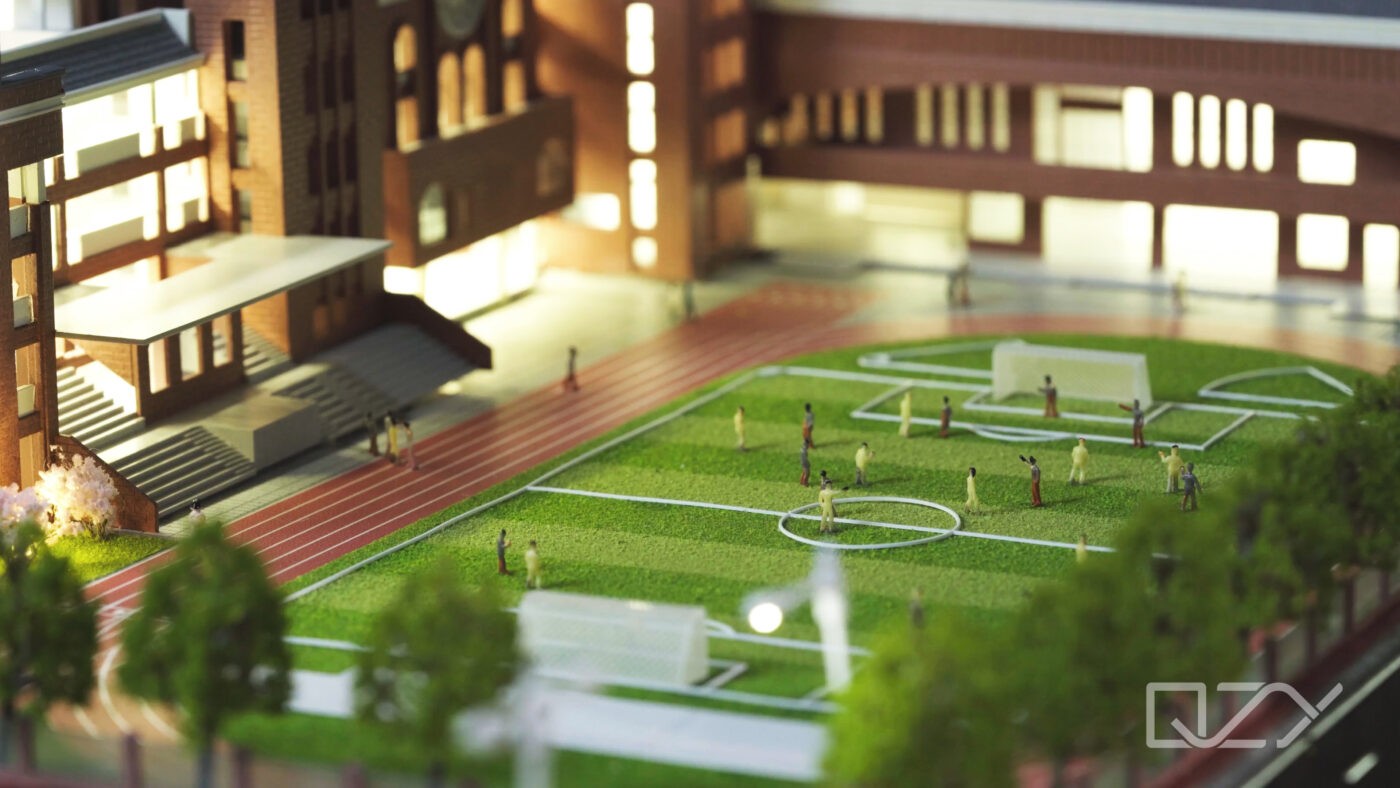
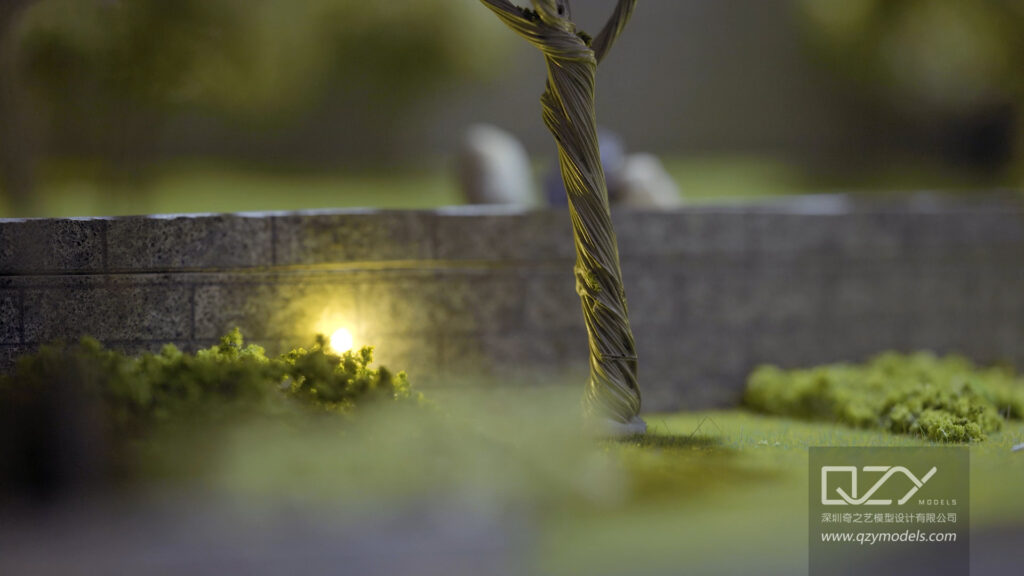
Diorama building combines groundwork, scenery, and accessories to create realistic environments that tell a story. Bases are sculpted from foam or wood and textured with real dirt, sand, or static grass. Adding miniature buildings, trees (natural branches), vehicles, and figures crafts immersive battlefields or operational scenarios, enhancing visual impact and narrative.
QZY Models excels in integrating diorama artistry with model fabrication, offering complete presentation solutions.
When Should Advanced Techniques Be Preferred Over Traditional Methods?
Advanced techniques such as 3D printing and CNC machining suit industrial-scale prototyping and production requiring high precision and durability. Traditional modeling is ideal for individual hobbyists or small batches emphasizing artistic detail. QZY Models combines both approaches, selecting optimal methods based on project scope, budget, and timeline.
Where Does QZY Models Stand in Military Model Fabrication?
QZY Models is renowned for blending cutting-edge technology and artisanal model craftsmanship. With extensive experience in architectural and industrial physical modeling, QZY brings extraordinary precision and finish to military models, serving clients worldwide who demand impeccable quality and innovation.
Are There Environmentally Friendly Practices in Model Fabrication?
Yes, there is a growing emphasis on sustainability, with some manufacturers utilizing eco-friendly materials and optimizing manufacturing waste. Techniques like selective 3D printing reduce raw material usage, and water-based paints minimize environmental impact. QZY Models continually explores green alternatives aligning quality with responsibility.
Table: Comparison of Fabrication Techniques in Military Modeling
| Technique | Purpose | Materials | Benefits | Ideal Use |
|---|---|---|---|---|
| 3D Printing | Rapid prototyping | Metals, composites, plastics | Complex shapes, low weight | Prototype parts & unique components |
| CNC Machining | Precision shaping | Aluminum, titanium | High accuracy & strength | Structural parts & equipment |
| Sheet Metal Fabrication | Panel & component creation | Aluminum, stainless steel | Durable, custom fittings | Enclosures & vehicle parts |
| Traditional Assembly & Painting | Model detail & finishing | Plastic kits & aftermarket parts | Realistic visuals | Scale model hobbyists |
| Scratch-Building | Custom detail creation | Plastic sheets, wires | Creativity & customization | Unique & rare model features |
QZY Models Expert Views
“At QZY Models, our philosophy integrates state-of-the-art fabrication techniques with traditional craftsmanship to achieve unmatched realism and precision in military model fabrication. We understand the importance of detail, durability, and presentation, whether producing industrial prototypes or scale models for enthusiasts. Leveraging advanced manufacturing and skilled artistry, we deliver quality that meets the diverse needs of global clients, setting new standards in the modeling industry.”
Conclusion: What Are the Essentials for Success in Military Models Fabrication?
Success combines understanding and applying advanced industrial processes alongside traditional modeling finesse. Employing modern 3D printing and CNC machining ensures structural accuracy and rapid iteration, while detailed painting and weathering bring authenticity. Supporting creative scratch-building and immersive diorama construction further enhances visual storytelling. Trusting expert partners like QZY Models guarantees precision, quality, and innovation throughout every stage.
Frequently Asked Questions (FAQs)
What Are the Key CNC Machining Techniques Used in Military Model Fabrication?
The most critical CNC machining techniques include 5 axis milling, high tolerance aluminum cutting, and precision turning for miniature components. These methods ensure dimensional accuracy, sharp detailing, and structural integrity. For complex armored or aerospace replicas, multi axis machining reduces assembly errors and improves repeatability in professional military model fabrication.
What Are the Most Effective Resin Casting Methods for Military Models?
The most effective resin casting methods combine silicone mold development with vacuum casting polyurethane for bubble free, high detail replicas. This approach is ideal for low volume production of armored vehicles and weapon models. It delivers consistent surface texture, fine panel lines, and scalable manufacturing efficiency at controlled costs.
What Are the Leading 3D Printing Techniques for Military Model Fabrication?
Top 3D printing techniques include SLA for ultra fine detailing, SLS nylon for durable structures, and metal additive manufacturing for high strength parts. These technologies accelerate prototyping, enable rapid design revisions, and reduce tooling costs. They are ideal for complex geometries and custom military model production.
What Handcrafted Detailing Techniques Make Military Models Ultra Realistic?
Ultra realistic results rely on airbrushed camouflage layering, precision panel line engraving, and advanced weathering effects such as dry brushing and pigment aging. Hand applied insignia and micro surface texturing enhance authenticity. At QZY Models, finishing teams focus on layered paint depth and scale accuracy to achieve exhibition grade realism.
What Materials Are Best for High Performance Military Model Fabrication?
The best materials include aerospace grade aluminum for strength, ABS and composite plastics for lightweight structures, and brass detailing for fine components. Corrosion resistant coatings improve durability. Selecting materials based on load, scale, and display requirements ensures long term structural stability and visual precision.
What Surface Treatment Techniques Protect and Enhance Military Models?
Key surface treatments include anodizing for aluminum protection, electroplating for metallic realism, and matte tactical coatings for authentic finishes. Sandblasting improves texture before coating. Proper finishing not only enhances appearance but also prevents oxidation, scratches, and long term material degradation.
What Assembly Techniques Ensure Structural Integrity in Military Models?
Strong assembly techniques involve internal frame reinforcement, precision alignment jigs, and micro fastener integration for load stability. Industrial grade adhesives reduce vibration and separation. Accurate structural planning prevents warping and guarantees long term durability in complex armored or multi component military replicas.
What Quality Control Methods Validate Military Model Fabrication Standards?
Professional quality control methods include CMM dimensional inspection, tolerance verification, and stress testing for structural reliability. Prototype validation ensures design accuracy before final production. With global project experience, QZY Models applies strict inspection protocols to maintain precision, consistency, and high performance fabrication standards.