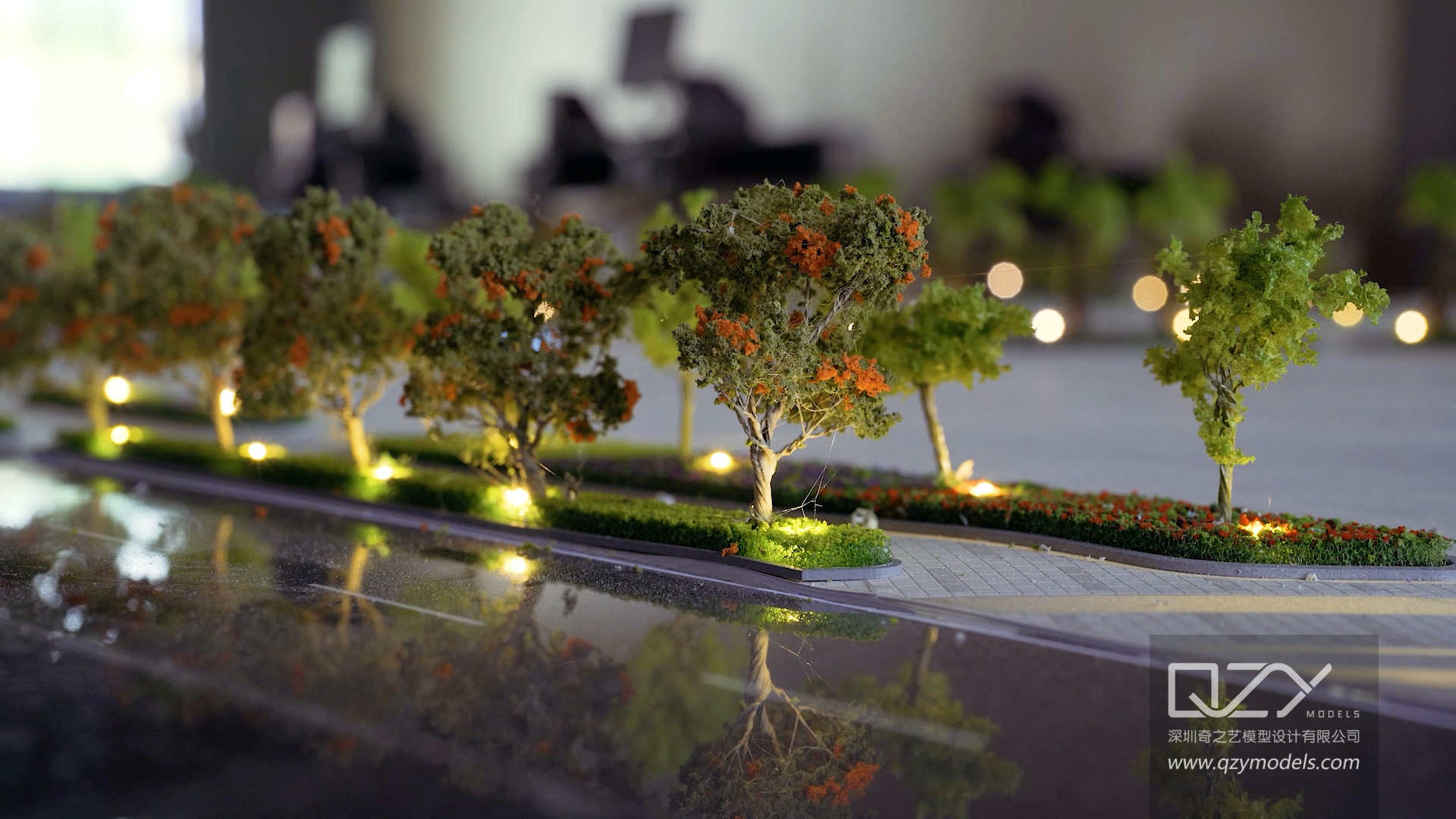
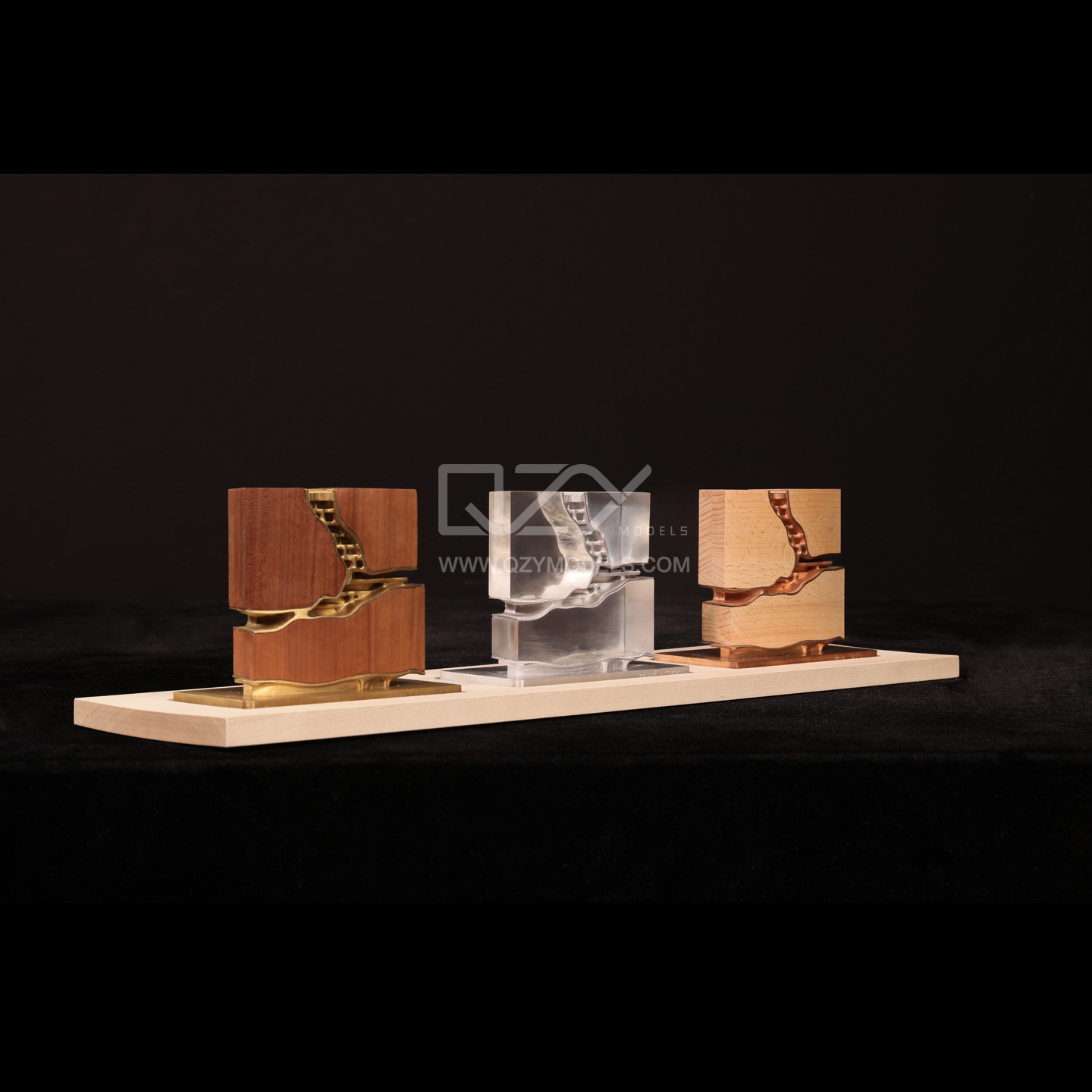
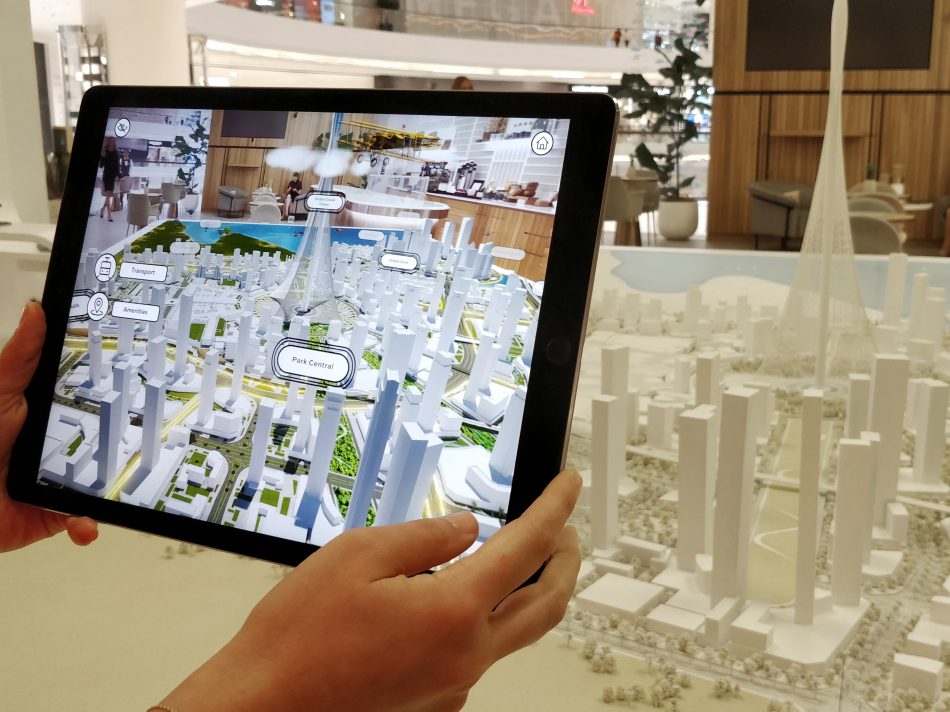
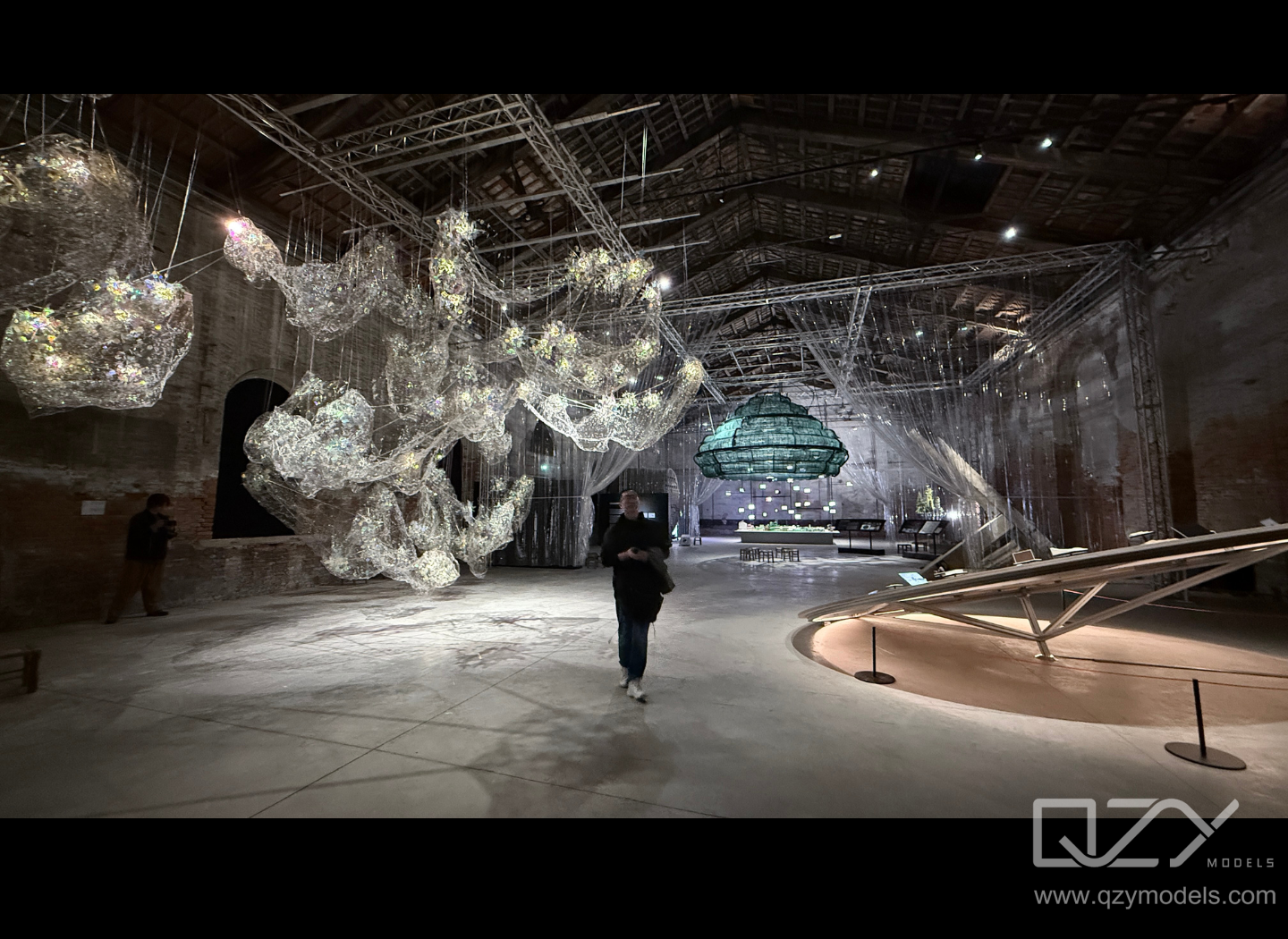
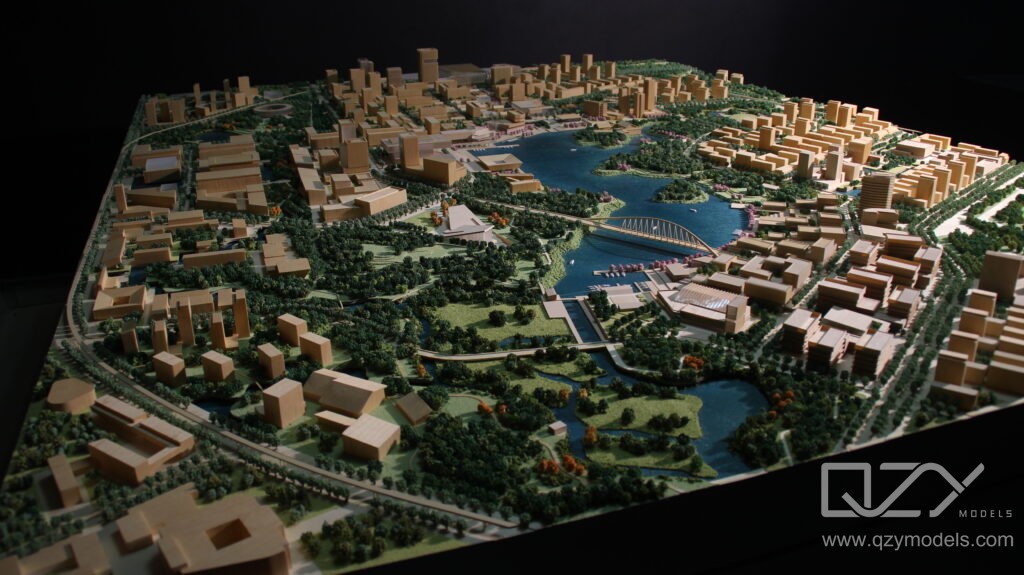
Figurine and animal sculptures are crafted using four primary techniques—modeling, carving, casting, and assembly—each suited to specific materials and desired artistic effects. Advanced digital methods like 3D printing and CNC machining are modern extensions, enhancing precision and detail. The choice depends on the sculptor’s vision, material properties, and production scale. Also check: Miniature Models Making
How Does Modeling Shape Figurine and Animal Sculptures?
Modeling is an additive technique in which pliable materials such as clay or polymer are shaped into form. Clay modeling allows artists to create detailed structures by pinching, coiling, or slab building, often supported by armatures for larger pieces. Polymer clay is favored for small figurines due to its fine detail retention and color variety. Paper mâché also offers a low-cost alternative, hardening upon drying. This technique supports iterative refining before final curing or firing.
Modeling is vital for creative flexibility and tactile interaction, making it popular among figurine artists focused on intricate and expressive details.
What Are the Characteristics and Tools of Carving in Sculpture Fabrication?
Carving is subtractive, involving removing material from wood, stone, or hard materials like ivory to reveal the form. Wood carving utilizes chisels and gouges, with woods like cedar and mahogany offering different textures. Stone carving demands heavier chiseling, with marble prized for its fine surface and granite for robustness. Hardstones and ivory require specialized carving tools for delicate detailing. This method demands precision and is ideal for durable, textured sculptures commemorating natural aesthetics.
Carving lends a timeless quality to sculptures, with each material demanding unique skill sets and tools.
Which Casting Methods Are Common in Creating Figurines and Animal Sculptures?
Casting creates sculptures by pouring a liquid material into a mold made from an original model. The lost-wax casting technique is classic for bronze sculptures, involving a wax model and molten metal pouring. Resin casting uses flexible silicone molds and cures into durable, detailed plastic figures, popular for affordable collectibles. Injection molding is an industrial-scale process for mass-producing plastic figurines with high precision and consistency.
Casting is critical for reproducing complex designs, allowing artists to scale their work efficiently.
Table 1: Comparison of Casting Methods for Figurine Fabrication
| Method | Material | Typical Use | Advantages |
|---|---|---|---|
| Lost-Wax Casting | Bronze, Metal | Fine art, durable sculptures | High detail, traditional finish |
| Resin Casting | Resin, Plastic | Collectibles, detailed figurines | Cost-effective, lightweight |
| Injection Molding | Plastic | Mass production | Fast, consistent, scalable |
Why Is Assembly Important in Modern Sculpture Creation?
Assembly involves joining various pre-made parts, including metals, woods, plastics, or found objects, to build sculptures. Metal fabrication techniques like welding and bolting enable artists to create large-scale animal figures or mixed media sculptures. This process emphasizes creativity and innovation by combining materials and textures.
Assembly opens possibilities for avant-garde expressions and monumental works, blending multiple fabrication disciplines.
How Are Modern Digital Techniques Transforming Figurine and Animal Sculpture Fabrication?
Digital technologies such as 3D printing and CNC machining have revolutionized sculpture fabrication. 3D printing builds items layer by layer from materials like resin or plastic, providing exceptional detail and facilitating rapid prototyping. CNC machining carves designs from solid blocks with high precision, ideal for wood or plastic sculptures.
These methods increase accuracy, reduce production time, and enable complex designs unachievable by traditional methods alone.
When Should Artists Choose Polymer Clay or Traditional Clay for Modeling?
Polymer clay is best for small, colorful figurines needing fine details, as it bakes in a home oven and is durable with minimal shrinkage. Traditional clay suits larger sculptures and offers natural texture but requires kiln firing for permanent form. Artists select materials based on project scale, detail needs, and available equipment.
Polymer clay’s versatility and ease make it popular for hobbyists, while traditional clay is favored in fine art settings.
Where Is Resin Casting Most Advantageous for Figurine Production?
Resin casting excels in producing detailed, lightweight, and durable figurines at lower cost than metal casting. It’s ideal for limited edition collectibles or small runs where metal casting is not economical. Flexible silicone molds used in resin casting allow for high replication accuracy and color customization.
This technique balances quality and affordability, making it favorable for designers and small businesses.
Can Mixed Media and Found Objects Enhance Sculpture Fabrication?
Yes, incorporating mixed media allows artists to add textures, narratives, and depth by using an eclectic mix of materials. Found objects can introduce symbolism and originality, expanding beyond traditional sculpture techniques. This approach supports sustainable art by repurposing materials, offering contemporary relevance.
Mixed media combines fabrication craftsmanship with artistic storytelling, broadening creative possibilities.
QZY Models Expert Views
“At QZY Models, we recognize that precision and artistic integrity are paramount in figurine and animal sculpture fabrication. Our commitment to integrating traditional techniques with advanced digital fabrication, including 3D printing and CNC machining, allows us to deliver finely detailed, high-quality models globally. Every project benefits from our expertise in balancing craftsmanship with innovation, ensuring client visions are realized with excellence.”
— QZY Models Production Team
Conclusion
Figurine and animal sculpture fabrication encompasses diverse techniques like modeling, carving, casting, and assembly, with modern digital methods enhancing artistic potential. Material choice, desired detail, and production scale guide technique selection, from traditional clay modeling and stone carving to resin casting and 3D printing.
QZY Models leverages these methods to deliver precise, innovative sculptures worldwide. Artists should explore combining traditional craftsmanship with digital technology to achieve both creativity and efficiency.
Frequently Asked Questions
What Are the Core Clay and Hand Sculpting Techniques for High Detail Figurines and Animal Models?
Start with a strong metal armature for stability, then apply layered polymer clay or epoxy clay to build form gradually. Focus on accurate anatomy blocking, refine surface planes, and add texture using fine sculpting tools for fur or feathers. Control proportions early to reduce rework and ensure structural balance in small-scale pieces.
How Does Digital Sculpting Transform Figurine and Animal Sculpture Fabrication?
Use high-resolution digital sculpting software to refine anatomy, symmetry, and micro-details before production. Optimize topology and wall thickness for 3D printing, then export clean STL files for prototyping. This workflow reduces material waste, improves precision, and accelerates revisions—ideal for scalable, professional fabrication pipelines like those used by QZY Models.
What Mold Making Techniques Ensure Precision in Figurine and Animal Casting?
Apply two-part silicone molds with proper venting to capture fine textures and prevent air traps. Use vacuum degassing or pressure casting to eliminate bubbles and preserve detail. Design mold lines strategically to minimize seam marks. Precision mold planning ensures consistent reproduction for collectible-grade figurines and animal sculptures.
Which Resin Casting Techniques Deliver Durable and Detailed Animal Figurines?
Choose high-strength polyurethane resin for durability and sharp detail retention. Use a pressure pot system to prevent micro-bubbles and reinforce thin limbs with internal supports. Control curing temperature and mixing ratios carefully. These steps ensure strong, lightweight figurines suitable for display, exhibitions, or commercial distribution.
How Can Surface Finishing Techniques Elevate Figurine and Animal Sculpture Quality?
Start with fine surface sanding and priming, then apply layered airbrushing and hand painting for realistic depth. Use controlled dry brushing for fur highlights and seal with a protective matte or gloss coating. Professional finishing enhances texture realism, color accuracy, and long-term durability for premium presentation.
What Structural Techniques Improve Stability in Figurine and Animal Sculpture Fabrication?
Integrate internal support rods or skeleton frameworks to reinforce thin parts. Balance weight distribution by adjusting base thickness and center of gravity. Maintain proper material wall thickness to prevent warping. Structural planning is essential for large display models and exhibition pieces produced by QZY Models for global clients.
How Do You Choose the Right Materials for Figurine and Animal Sculpture Fabrication?
Match material properties to purpose: resin for precision and strength, polymer clay for handcrafted detail, and ABS or PLA for rapid prototyping. Consider scale, durability, and finish requirements. For commercial or architectural display applications, prioritize stability and surface quality to meet professional presentation standards.
How Can You Scale Figurine and Animal Sculpture Fabrication for Commercial Production?
Standardize digital modeling, mold systems, and casting workflows to ensure repeatability. Implement strict quality control checkpoints at sculpting, casting, and finishing stages. Optimize packaging to prevent transport damage. Efficient production scaling supports consistent output for architectural firms, developers, exhibitions, and international clients.