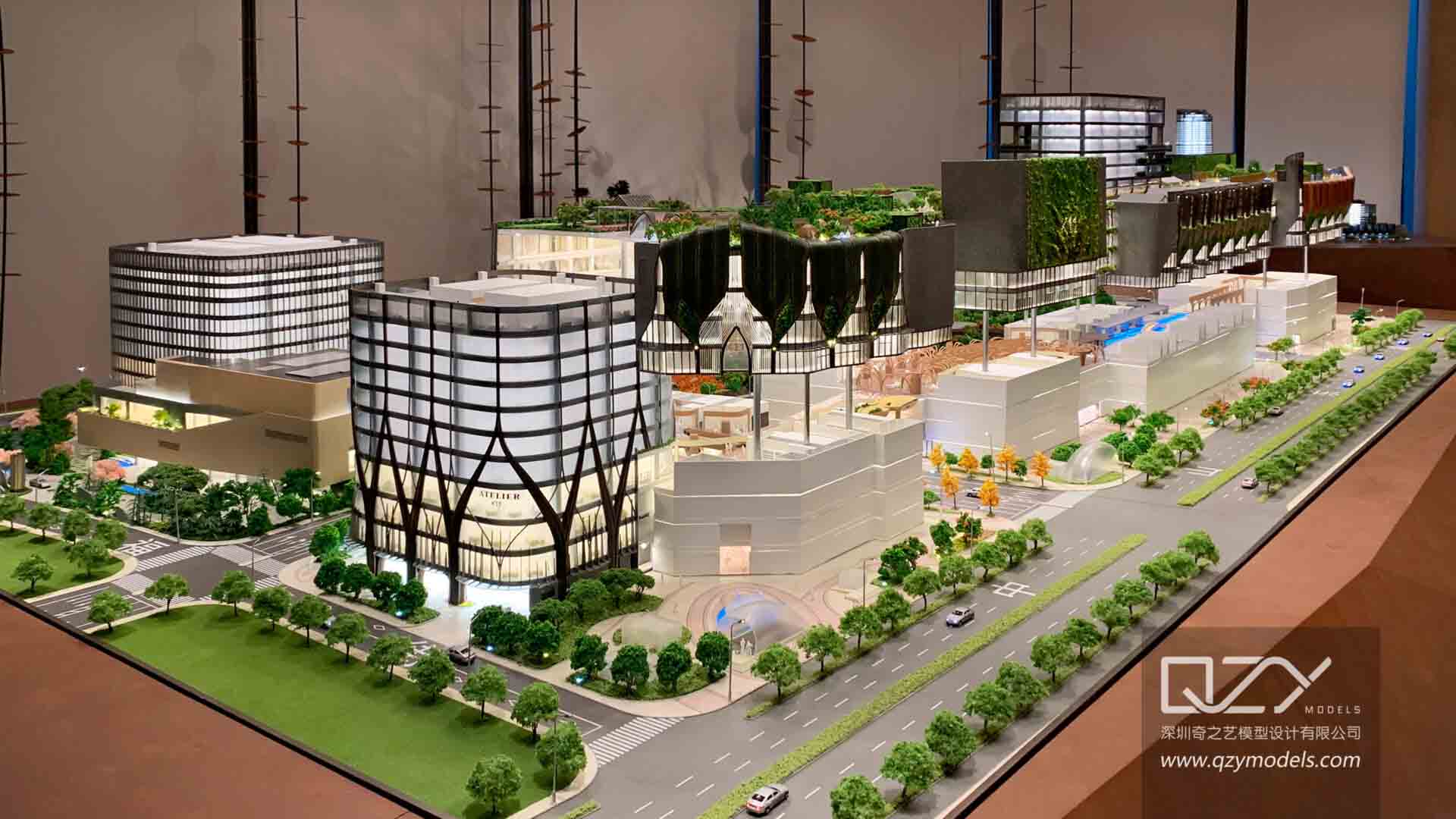
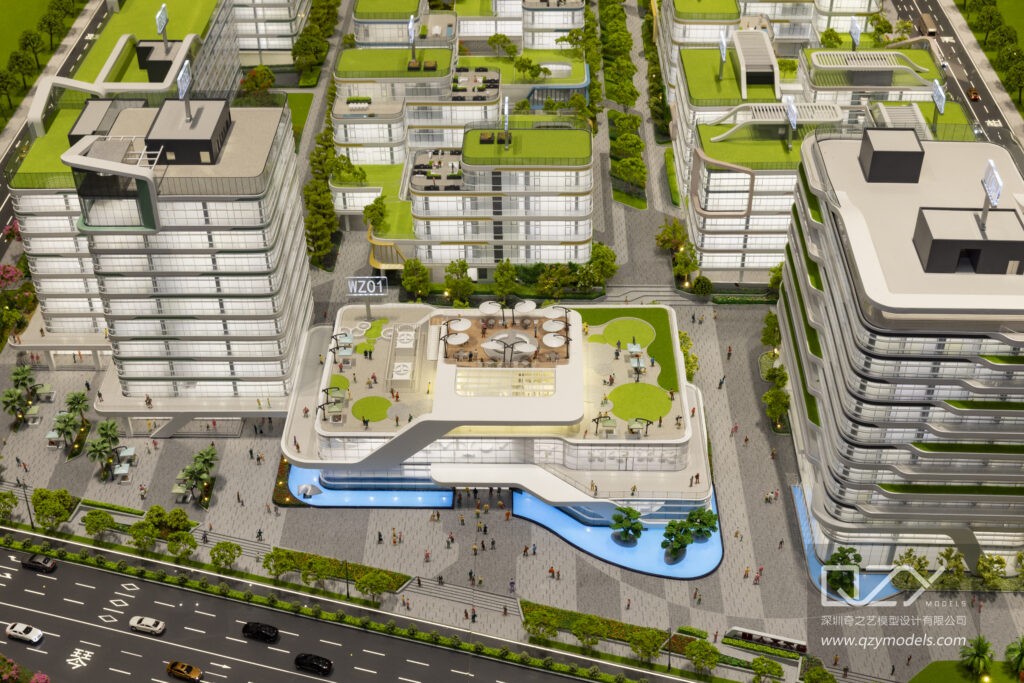
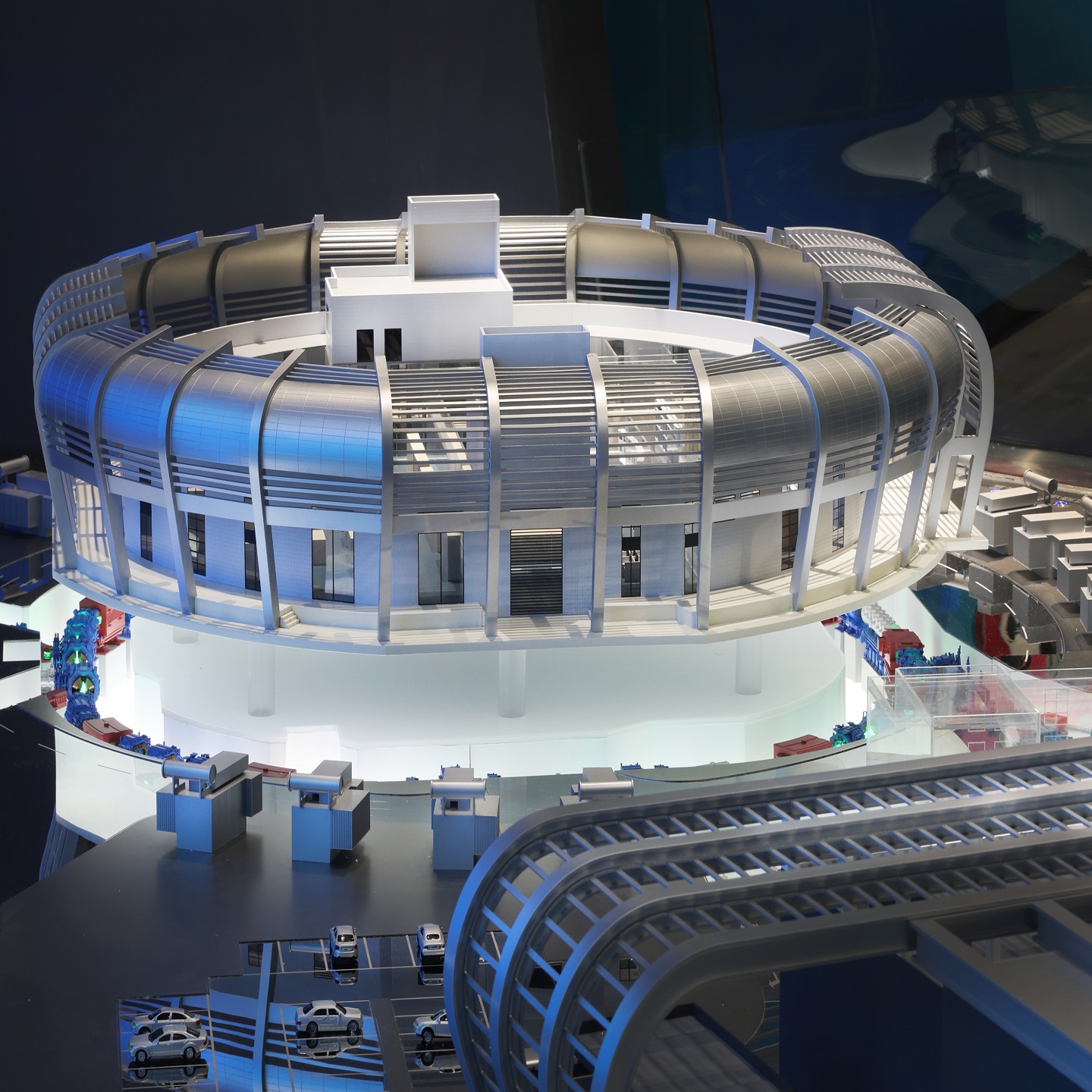
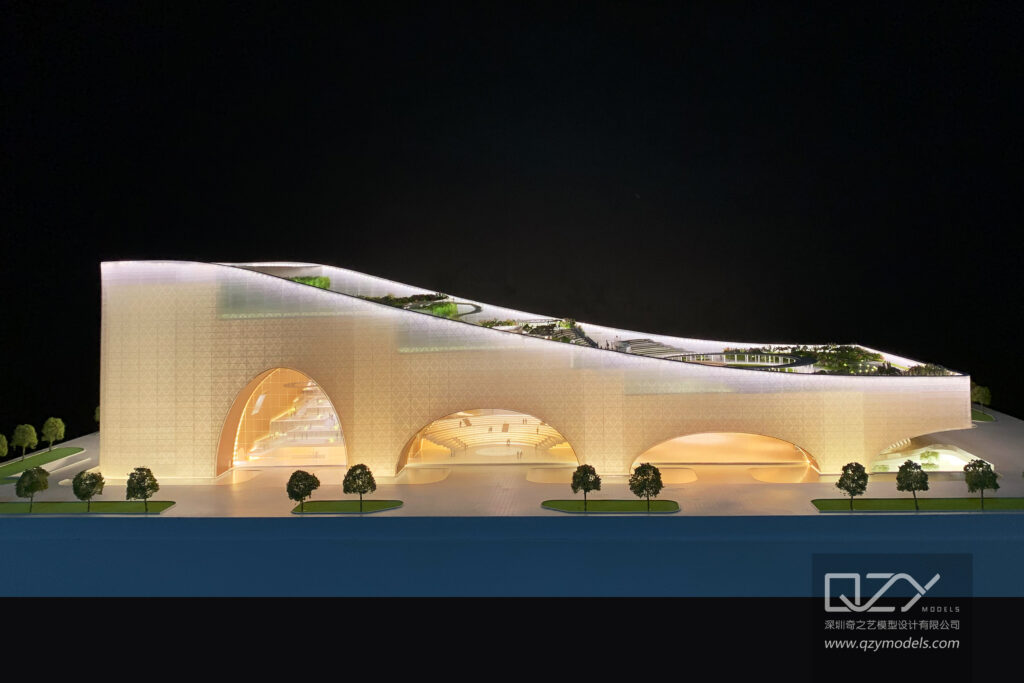
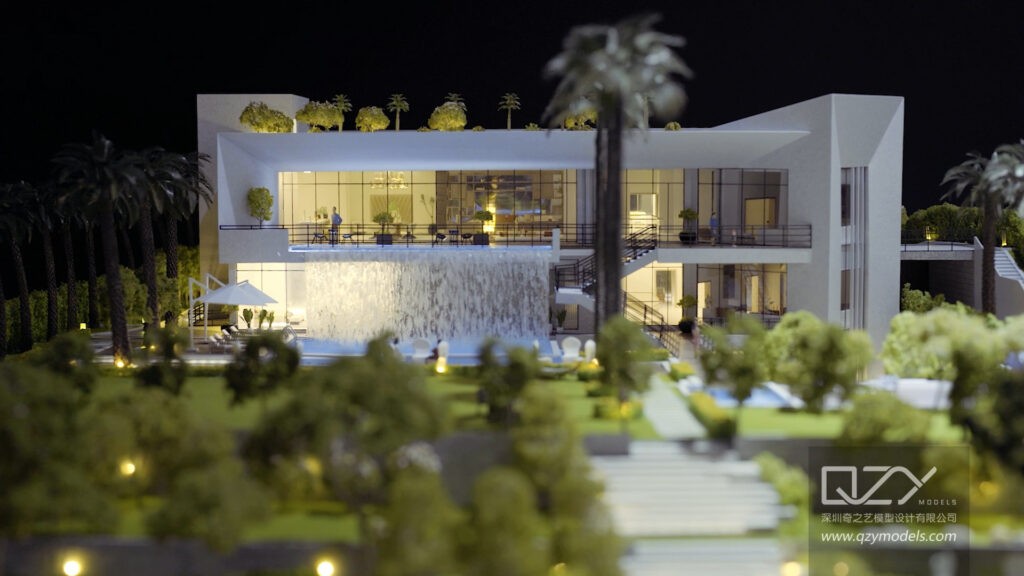
Model architecture in Australia uses materials like acrylic, wood, foam board, PVC, and metal to create precise and detailed scale models. These materials are chosen for their durability, ease of cutting, smooth finish, and ability to accurately represent architectural elements. Especially in large projects, combining various materials enhances the model’s realism and structural integrity.
How Do Australian Standards Influence Model Architecture Materials?
Australian standards, including certifications aligned with the National Construction Code (NCC), ensure that model materials conform to safety, sustainability, and performance requirements. Materials must be non-toxic, fire-resistant where applicable, and eco-friendly. Compliance with these standards guarantees reliability in models used for architectural presentations or industrial purposes.
Which Materials Are Best for Custom Architectural Model Manufacturing from China?
China-based manufacturers like QZY Models often utilize premium acrylic, basswood, high-density polyurethane foam, and precision metals. These materials offer excellent machinability for detailed work and durability. QZY Models combines advanced technology and craftsmanship to deliver bespoke architectural models aligned with client specifications globally, including Australia.
Why Should Australian Clients Choose OEM and Wholesale Factories like QZY Models in China?
OEM and wholesale factories in China, such as QZY Models, provide cost-effective, high-quality production with short lead times and customizability. Clients in Australia benefit from scalable manufacturing, professional quality control, and innovation in materials and techniques, ensuring models meet complex architectural requirements and presentations at competitive prices.
How Does the Choice of Material Affect the Accuracy and Durability of Architectural Models?
The choice of material directly impacts a model’s precision and longevity. Acrylic offers clarity for glass elements, wood provides authentic texture, foam is ideal for bulk and shaping, and metals add structural support. Durable materials withstand transport and display, ensuring models remain intact and visually striking over time.
What Are the Emerging Trends in Model Architecture Materials?
Innovative model-making incorporates sustainable and recyclable materials, photopolymer resins for 3D printing, and smart materials for interactive models. QZY Models invests in R&D to integrate these trends, improving environmental responsibility while enhancing detail and functionality in architectural and industrial models.
| Material | Characteristics | Ideal Use |
|---|---|---|
| Acrylic | Transparent, smooth, durable | Windows, facades, lighting effects |
| Basswood | Lightweight, natural texture | Structural elements, framing |
| Foam Board | Easy to cut, lightweight | Massing models, quick prototypes |
| Metal (Aluminum, Brass) | Strong, fine detail possible | Supports, railings, intricate detailing |
| Photopolymer Resin | High resolution, 3D printable | Complex, detailed components |
Where Can Australian Architects and Developers Source High-Quality Model Architecture Materials?
Architects and developers in Australia collaborate with trusted Chinese factories like QZY Models to obtain premium materials combined with skilled craftsmanship. By sourcing directly from experienced OEM suppliers, clients access wholesale pricing, customization, and innovations tailored to their project needs and Australian regulatory requirements.
When Is It Best to Involve Model Manufacturing Specialists Like QZY Models in the Project Timeline?
Early involvement of model manufacturers ensures proper material selection, design feasibility, and timely delivery. QZY Models supports clients from concept through production, reducing revision cycles and aligning scale models with project milestones for presentations and approvals.
Are There Cost-Effective Solutions for Large-Scale Model Architecture Manufacturing?
Yes, factories like QZY Models offer modular designs and mixed-material approaches that optimize cost without compromising quality. Bulk material procurement, efficient production techniques, and scalable options help Australian clients manage budgets while securing detailed, high-impact models.
QZY Models Expert Views
“At QZY Models, we understand the critical role materials play in architectural and industrial models. Our expert team combines traditional craftsmanship with cutting-edge technology, utilizing premium materials that meet Australian standards. We pride ourselves on delivering accurate, durable, and visually compelling models that support our clients’ architectural vision and industrial innovation worldwide. OEM partnerships allow us to tailor solutions that meet diverse project specifications and budget requirements.” — Richie Ren, Founder, QZY Models
Conclusion: Key Takeaways and Actionable Advice
Selecting appropriate model architecture materials is essential for achieving precise, durable, and impactful models in Australia. Factories like QZY Models offer high-quality OEM manufacturing combining acrylic, wood, foam, and metal to fulfill diverse project needs. Australian clients benefit from early engagement, compliance with local standards, and leveraging innovative materials to enhance presentations and product development.
FAQs
Q1: What materials are commonly used in architectural models?
Acrylic, basswood, foam board, PVC, and metals are standard choices due to their versatility and finish quality.
Q2: How does compliance with Australian standards affect material choice?
Materials must meet safety, environmental, and performance criteria aligned with the NCC and local regulations.
Q3: Why choose Chinese OEM factories like QZY Models?
They offer competitive pricing, customization, advanced craftsmanship, and adherence to global standards.
Q4: Can sustainable materials be used in model making?
Yes, recycled and eco-friendly materials are increasingly incorporated alongside traditional options.
Q5: When should model manufacturers be involved in the project?
Early involvement is recommended to optimize design, material selection, and production scheduling.