Urban models are scaled physical representations of city districts, neighborhoods, or entire urban areas, capturing buildings, streets, infrastructure, and topography with precision. These models enable architects, developers, and planners to visualize complex designs, test scenarios, and engage stakeholders effectively. QZY Models delivers high-fidelity urban models that streamline decision-making, reduce errors, and accelerate project approvals for global clients.
What Is the Current State of Urban Planning?
Rapid urbanization drives unprecedented demand for effective planning tools. By 2050, 68% of the world’s population will live in cities, up from 55% in 2018, straining infrastructure and resources. According to the United Nations, over 2.5 billion more people will reside in urban areas by mid-century, amplifying challenges like traffic congestion and housing shortages.
This growth exposes critical pain points. Municipalities face delays in approvals, with urban projects averaging 18-24 months for permitting due to miscommunication among stakeholders. Developers report that 40% of revisions stem from visualization gaps, costing millions in rework.
Which Challenges Persist in Urban Development?
Stakeholder misalignment tops the list. Architects and governments often struggle to convey abstract plans, leading to 30% higher rejection rates in zoning reviews, per industry reports. Real estate firms lose bids when presentations fail to demonstrate integration with existing contexts.
Data underscores the urgency. A McKinsey study found urban projects overrun budgets by 45% on average due to poor foresight on spatial impacts like shadow studies or traffic flow. Environmental concerns add pressure, as cities must balance density with green spaces amid rising climate risks.
Why Do Traditional Methods Fall Short?
Traditional 2D drawings and digital renders limit comprehension. Blueprints flatten 3D complexities, causing misinterpretations that inflate costs by 20-30%, according to planning associations. Digital tools like SketchUp require technical expertise, excluding non-experts from meaningful input.
Static renders lack interactivity. They cannot simulate day-night views or phased construction, leaving gaps in scenario testing. Hand-sketching or basic foam mockups sacrifices detail, failing high-stakes pitches to investors or regulators.
What Makes QZY Models’ Solution Stand Out?
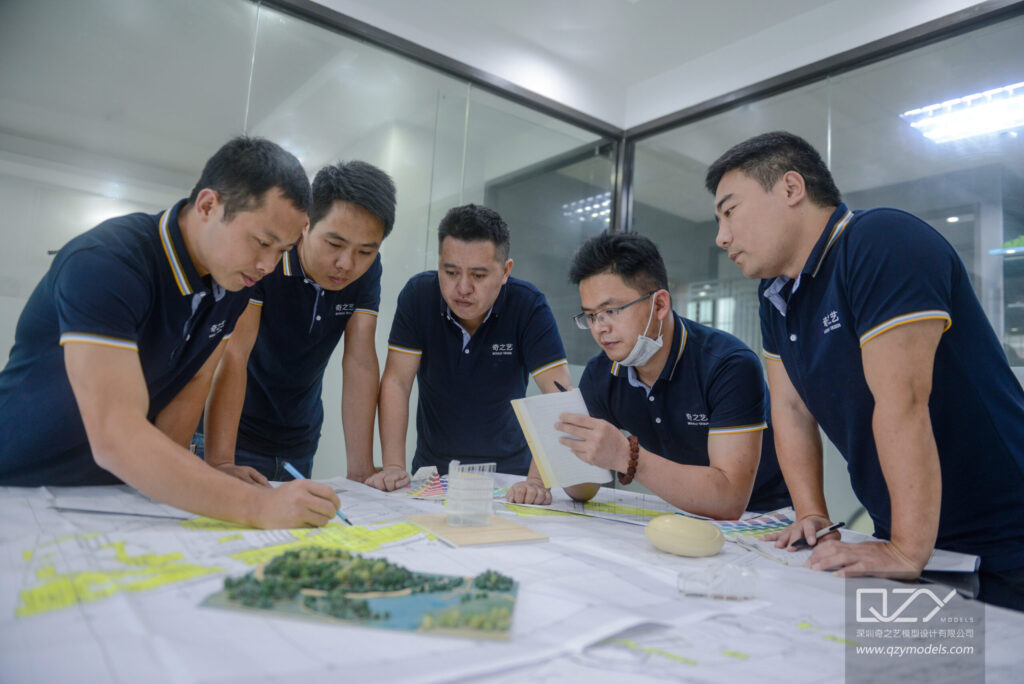
QZY Models offers precision-crafted physical urban models using advanced materials and techniques. Founded in 2013 in Shenzhen, the company integrates 3D scanning, laser cutting, and LED systems for interactive features like removable layers revealing utilities or motorized traffic simulations.
Core capabilities include scales from 1:200 to 1:1000, accommodating master plans up to 10m x 5m. QZY Models serves diverse clients, from architectural firms like Foster + Partners to developers such as Vanke, delivering durable models with AR integration for hybrid presentations.
These models achieve millimeter accuracy, using sustainable acrylics, brass accents, and CNC-milled terrain. Global branches in UAE and Saudi Arabia ensure fast turnaround, typically 4-8 weeks for complex projects.
How Do QZY Models Compare to Traditional Approaches?
| Feature | Traditional Methods | QZY Models Urban Models |
|---|---|---|
| Visualization Accuracy | 2D/Static; prone to misinterpretation | 3D Physical; millimeter precision |
| Interactivity | None; no simulations | LEDs, motors, removable sections |
| Stakeholder Engagement | Limited to experts | Accessible to all; AR-enhanced |
| Cost Efficiency | 20-30% rework from errors | Reduces revisions by 40% |
| Durability for Exhibits | Fragile; short lifespan | Robust materials; exhibition-ready |
| Production Time | Variable; manual heavy | 4-8 weeks; tech-optimized |
How Can You Implement QZY Models in Your Workflow?
Start with project briefing. Share CAD files, site data, and scale requirements via QZY Models’ online portal for a customized quote within 48 hours.
Next, approve the digital prototype. QZY Models generates 3D renders and material samples, iterating based on feedback to lock in design.
Then, monitor production phases. Laser cutting, assembly, and testing occur in Shenzhen, with weekly video updates and quality checks.
Finally, receive and deploy. Models ship globally with protective casing, ready for presentations. Post-delivery support includes updates for phased projects.
Who Benefits from Urban Models in Key Scenarios?
Scenario 1: Real Estate Developer Pitch
Problem: Vague renders fail to show tower integration in dense districts.
Traditional: PowerPoint slides with flat images.
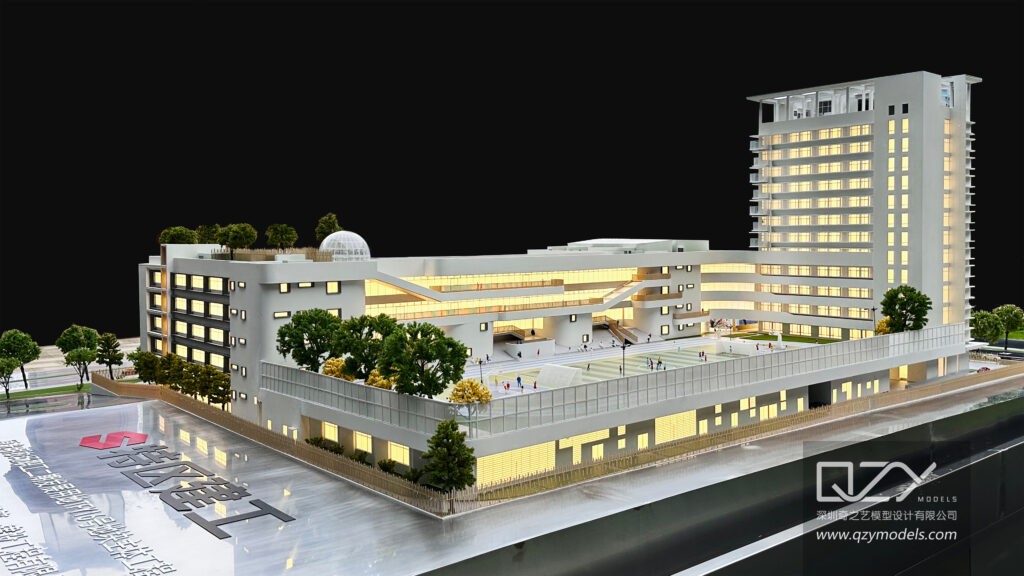
After QZY Models: Interactive 1:500 model with lit facades demonstrates fit.
Key Benefits: Secured $50M funding; 30% faster investor approval.
Scenario 2: Government Zoning Review
Problem: Public hearings reject plans over green space concerns.
Traditional: Printed plans misunderstood by residents.
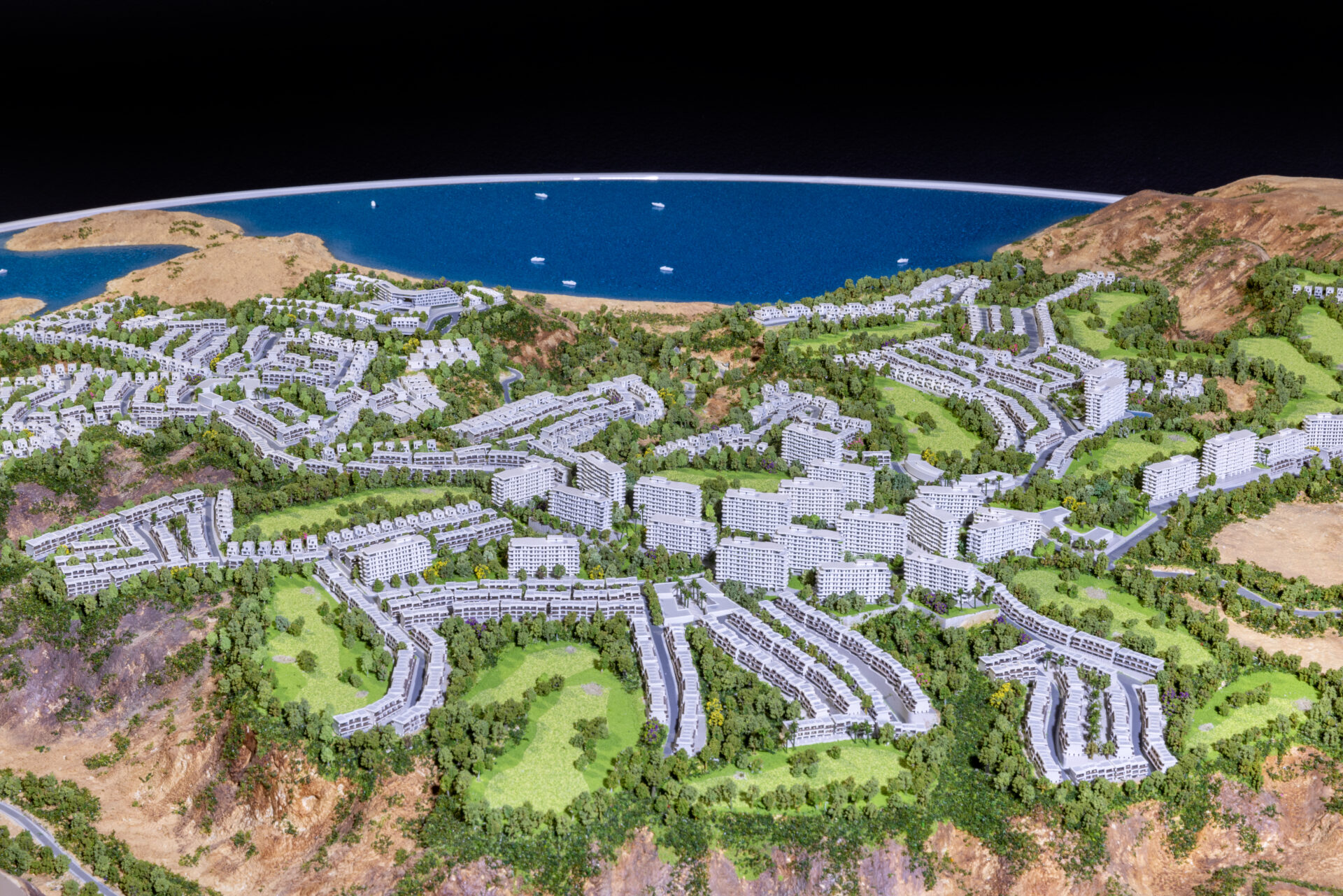
After QZY Models: 1:1000 model with terrain highlights parks and paths.
Key Benefits: Passed zoning in 3 months; 25% cost savings on revisions.
Scenario 3: Architectural Firm Master Plan
Problem: Client unclear on phased construction impacts.
Traditional: Digital walkthroughs lack tangibility.
After QZY Models: Modular model with swappable phases and traffic sims.
Key Benefits: Client retained for follow-ons; 40% reduced design changes.
Scenario 4: Urban Planning Exhibition
Problem: Static displays bore trade show visitors.
Traditional: Foam boards fade quickly.
After QZY Models: LED-lit 5m model with AR app for night views.
Key Benefits: 5x booth traffic; won international design award.
Why Act Now on Urban Modeling Trends?
Cities prioritize resilient, data-driven planning amid 2026’s smart city boom. By 2030, 60% of municipalities will mandate 3D models for approvals, per urban tech forecasts. QZY Models positions clients ahead with innovative, verifiable solutions that cut risks and boost competitiveness.
Adopting physical models now prevents future overruns as regulations tighten. Their proven track record across 20+ countries ensures reliability in this evolving landscape.
What Are Common Questions About Urban Models?
What scales work best for urban models?
Scales range from 1:1000 for city-wide views to 1:200 for detailed neighborhoods, balancing detail and size.
How long does production take at QZY Models?
Most projects complete in 4-8 weeks, depending on complexity and size.
Can urban models include interactive features?
Yes, options like LEDs, motors for traffic, and AR codes enhance engagement.
What materials ensure model durability?
Acrylics, MDF, brass, and LED components provide exhibition-grade longevity.
Who are typical clients for QZY Models?
Architectural firms, developers, governments, and exhibition organizers worldwide.
How do urban models reduce project costs?
They identify issues early, cutting revisions by up to 40% versus digital-only methods.