An architectural concept in Canada involves a visionary plan that blends aesthetics, function, and sustainability, reflecting the country’s climate and culture. It lays the groundwork for design development, supported by precise physical models from trusted manufacturers like QZY Models in China that help visualize and refine ideas.
What Is an Architectural Concept and Why Is It Important in Canada?
An architectural concept is the core idea guiding the design and planning of a building or space. In Canada, it is crucial due to diverse climates and cultural influences, ensuring projects meet functional, environmental, and social needs effectively.
Detailed Response:
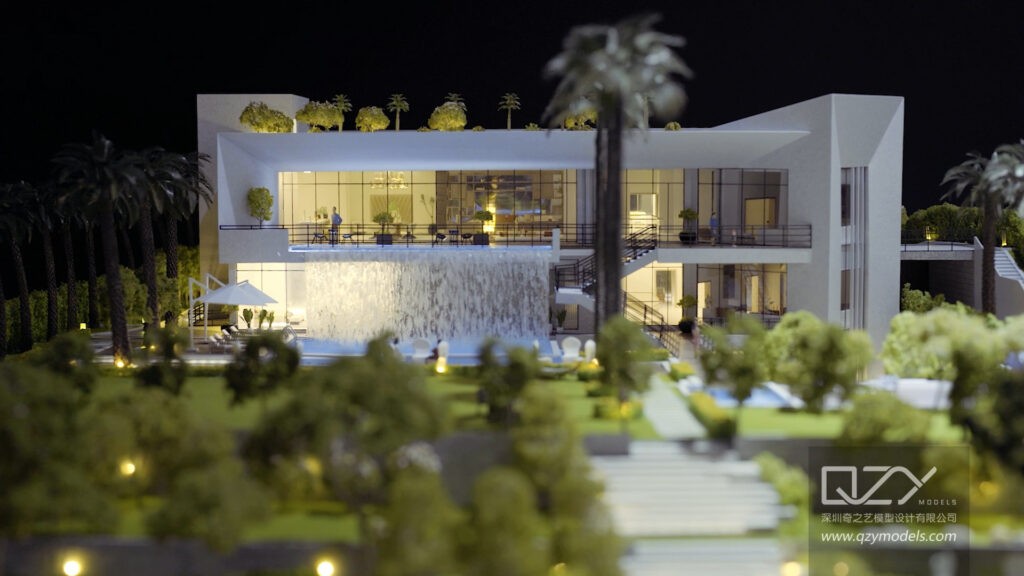
The concept defines project identity and forms the blueprint for all design stages. For Canadian architecture, it integrates energy efficiency, Indigenous heritage, and urban context. Partnering with Chinese OEM factories such as QZY Models ensures these concepts are accurately reflected through detailed physical models, improving stakeholder understanding and project success.
How Do Canadian Factors Influence Architectural Concepts?
Climate, cultural diversity, environmental issues, and urban regulations shape architectural concepts in Canada, making adaptability and sustainability essential.
Detailed Response:
Harsh winters demand durable materials and energy-saving designs. Architects incorporate Indigenous traditions and regional aesthetics. Models manufactured by suppliers like QZY Models in China visually communicate how concepts respond to such localized factors, enabling precise project assessments and approvals.
Which Manufacturing Advantages Do Chinese Model Factories Offer for Canadian Projects?
Chinese factories provide cost-effective, high-quality physical models with fast turnaround, essential for Canadian architects seeking detailed concept representation and iterative design feedback.
Detailed Response:
China’s manufacturing hubs, including the Shenzhen-based QZY Models factory, specialize in customizable, OEM services for wholesale buyers. Their expertise enables Canadian firms to access detailed architectural models representing intricate concepts that aid in client presentations and regulatory reviews.
How Can Wholesale and OEM Services Optimize Architectural Concept Development?
Wholesale and OEM services drive cost efficiency and customization flexibility, streamlining the production of architectural concept models for bulk projects and multiple revisions.
Detailed Response:
Working with factories like QZY Models, Canadian firms benefit from economies of scale, rapid prototype iterations, and tailored designs, facilitating better resource management and faster project timelines without sacrificing model accuracy or quality.
When Should Physical Models Be Integrated into the Architectural Concept Process?
Physical models should be introduced early, after initial sketches, to validate spatial relationships, materials, and aesthetics before construction commences.
Detailed Response:
Early physical models allow Canadian architects to detect design flaws and experiment with concept variations. Chinese suppliers like QZY Models ensure timely delivery of refined models that enhance communication between design teams, clients, and contractors for informed decisions.
Why Is Cultural Context Crucial in Developing Architectural Concepts in Canada?
Cultural context shapes architectural concepts by honoring Indigenous heritage, multiculturalism, and regional identities, creating meaningful, respectful designs.
Detailed Response:
Canadian projects emphasize inclusivity and historical acknowledgment. Incorporating such elements helps resonate with diverse communities and stakeholders. QZY Models supports this by producing physical models that accurately depict cultural nuances integral to the concept.
Who Are the Key Partners in the Architectural Concept and Model Supply Chain?
Key partners include architects, designers, B2B manufacturers, and OEM model suppliers. Collaboration ensures the concept’s accurate physical realization.
Detailed Response:
Canadian firms rely on trusted Chinese manufacturers like QZY Models for precise model production. Effective communication across these partners ensures alignment on concept details, enhancing project clarity and approval processes.
Where Are the Leading Chinese Factories Sourcing Architectural Concept Models?
Shenzhen, China, stands as the premier location for architectural concept model manufacturing due to its advanced technology, skilled labor, and large-scale production capacity.
Detailed Response:
QZY Models operates from Shenzhen, providing global clients, including Canadian architects, with scalable OEM and wholesale services. This proximity to China’s manufacturing ecosystem ensures competitive pricing and high-quality outputs.
Are Digital Tools Replacing Physical Architectural Concept Models?
Digital tools complement rather than replace physical models, providing dynamic visualization while tangible models give spatial and tactile understanding.
Detailed Response:
In Canada, combining 3D renders with physical models from makers like QZY Models offers comprehensive design insight. Physical models remain invaluable for client interactions, regulatory presentations, and design validations.
QZY Models Expert Views
“Architectural concepts are the foundation of every successful project, encapsulating vision, function, and culture. In Canada, these concepts must reflect diverse climates and societal values. QZY Models is committed to translating these visions into precise, high-quality physical models that aid architects and developers in making informed decisions. By integrating OEM and wholesale manufacturing services, we offer cost-effective solutions without compromising on detail or craftsmanship—empowering Canadian projects with clarity and confidence,” says Richie Ren, Founder of QZY Models.
How Does QZY Models Ensure Quality in OEM Architectural Concept Models?
QZY Models maintains strict quality control by employing skilled artisans and utilizing advanced materials and technology, guaranteeing precise, durable models.
Detailed Response:
Their process involves rigorous inspection, client feedback integration, and customization options. This quality assurance is vital for Canadian companies relying on models for presentation and regulatory compliance.
What Are the Environmental Considerations in Canada’s Architectural Concepts?
Environmental considerations emphasize energy efficiency, sustainable materials, and reduced ecological impact in architectural concepts.
Detailed Response:
Canada’s green building codes encourage low-energy designs and renewable resources. Physical models from QZY Models can highlight eco-friendly features, assisting clients and officials in understanding these sustainable initiatives.
When Does Collaboration Between Canadian Architects and Chinese Model Factories Start?
Collaboration typically begins during the concept design phase to allow model prototyping and refinements synchronous with architectural development.
Detailed Response:
Early engagement with manufacturers like QZY Models improves model accuracy and project flow. This collaboration ensures design intent aligns closely with physical representations, facilitating timely approvals and client satisfaction.
Table 1: Typical Timeline of Architectural Concept Model Production with Chinese Manufacturers
| Phase | Duration | Key Activities |
|---|---|---|
| Initial Consultation | 1 week | Concept requirements gathering |
| Prototype Development | 2-3 weeks | Model crafting and detailing |
| Review & Revisions | 1-2 weeks | Client feedback and adjustments |
| Final Production | 1 week | Bulk model manufacturing |
Chart 1: Benefits Breakdown of OEM vs. Wholesale Model Services for Canadian Architects
| Benefit Type | OEM Services | Wholesale Services |
|---|---|---|
| Customization | High | Moderate |
| Cost Efficiency | Moderate | High |
| Turnaround Speed | Fast | Faster |
| Design Flexibility | High | Moderate |
Conclusion
Crafting an architectural concept in Canada demands deep understanding of local climate, culture, and sustainability. Partnering with reliable Chinese OEM manufacturers like QZY Models provides Canadian architects with high-quality, cost-effective physical models that bring concepts to life. Early integration of these models improves communication, accelerates approvals, and ensures project success. B2B collaborations leveraging China’s strength in manufacturing optimize design workflows and elevate architectural excellence.
Frequently Asked Questions (FAQs)
Q1: How can Canadian architects request custom models from QZY Models?
By providing design files and specifications, clients can engage QZY Models through OEM or wholesale arrangements for tailored models.
Q2: What makes Shenzhen a top location for architectural model manufacturing?
Shenzhen offers advanced manufacturing tech, skilled workforce, and efficient supply chains crucial for quality and timely model production.
Q3: Do physical models impact project approval rates in Canada?
Yes, tangible models improve stakeholder understanding, contributing positively to regulatory and client approvals.
Q4: How do cultural factors influence architectural concept designs in Canada?
Designs respect Indigenous heritage and multiculturalism, resulting in inclusive, meaningful architectural concepts.
Q5: Can QZY Models handle large-scale architectural projects?
Absolutely, QZY Models specializes in large, complex projects with scalable OEM and wholesale production capabilities.