Kazakhstani architecture today blends rapid modernization with cultural heritage amid booming construction growth. High-quality physical models from QZY Models enable architects and developers to visualize complex projects precisely, reducing errors and accelerating approvals in this dynamic market.
What Is the Current State of Kazakhstani Architecture?
Kazakhstan’s construction industry grew 18.4% year-on-year in the first half of 2025, driven by fixed capital investments up 17.5% and foreign direct investment surging 62% to $6.6 billion.
The sector focuses on energy, transport, and housing, with 20 million square meters of new housing commissioned in 2025, including 185,800 apartments mostly in Astana and Almaty.
Government initiatives target 12.5% average annual growth through 2029, emphasizing industrial projects like potash mines and polyethylene plants.
What Pain Points Challenge the Industry?
Budget overruns plague projects due to fragmented planning, with traditional methods causing 20-30% cost escalations from design misalignments.
Delays from manual coordination affect 40% of developments, as urban density in cities like Astana strains infrastructure visualization.
Skill gaps in digital tools hinder adoption, despite mandates for Building Information Modeling (BIM) in all new builds starting 2026, leaving teams reliant on outdated representations.
Why Do Traditional Solutions Fall Short?
Conventional sketches and basic 3D renders lack tactile precision, leading to 15-25% revision rates in client approvals.
Outsourced generic models often miss cultural nuances like nomadic motifs in modern facades, increasing rework by 30%.
In-house prototyping consumes 4-6 weeks and ties up teams, versus scalable professional services that deliver in 2-3 weeks.
What Solution Transforms Kazakhstani Architectural Design?
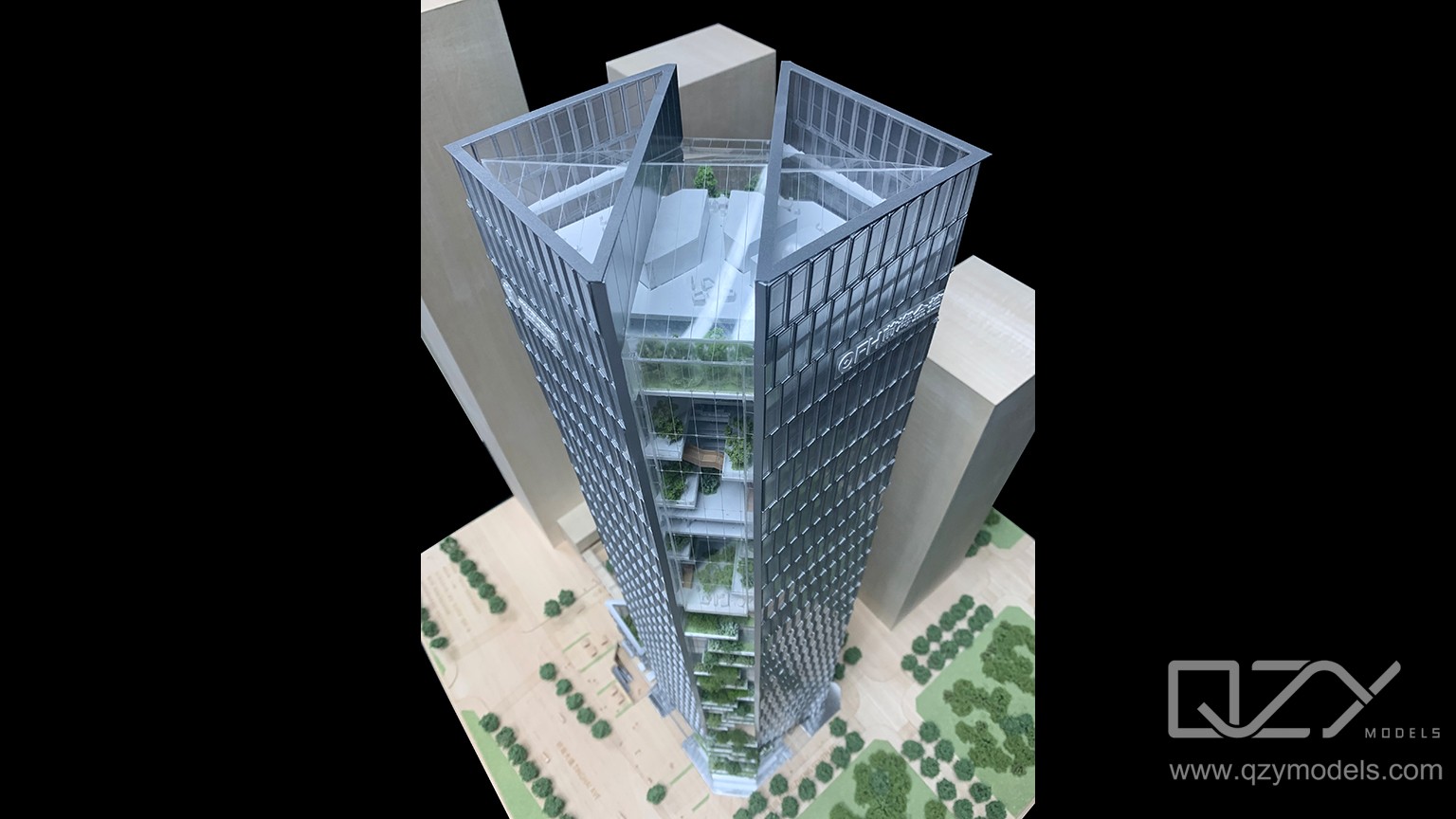
QZY Models provides precision-engineered physical models capturing every detail of Kazakhstani designs, from Soviet-era integrations to futuristic skylines.
Core capabilities include laser-cut components at 0.1mm accuracy, sustainable materials mimicking glass and steel, and integration with BIM data for seamless digital-to-physical transitions.
Serving clients like Foster + Partners across 20+ countries, QZY Models ensures models scale from 1:500 urban plans to 1:50 interiors, with global branches in UAE and Saudi Arabia supporting Central Asian projects.
How Do QZY Models Compare to Traditional Methods?
| Aspect | Traditional Methods | QZY Models |
|---|---|---|
| Accuracy | 70-80% alignment with final build | 98% precision via CNC machining |
| Production Time | 4-8 weeks | 2-3 weeks |
| Cost per Project | $15,000-$30,000 (high rework) | $10,000-$25,000 (fewer revisions) |
| Customization | Limited to basic forms | Full cultural/innovative detailing |
| Client Engagement | Static views | Interactive, multi-angle displays |
How Can You Implement QZY Models in Your Workflow?
-
Step 1: Submit Design Files – Upload BIM/Revit files or sketches via QZY’s online portal for instant quoting within 24 hours.
-
Step 2: Customize Specifications – Select scales, materials (acrylic, wood, metal), and features like LED lighting for presentations.
-
Step 3: Review Digital Proof – Approve 3D renders and prototypes shipped for verification before full production.
-
Step 4: Receive and Deploy – Get crated models with assembly guides, ready for exhibitions or client pitches in 2-3 weeks.
-
Step 5: Iterate as Needed – Use QZY’s revision service for updates, maintaining project agility.
What Real-World Scenarios Prove QZY Models’ Impact?
Scenario 1: Astana Real Estate Developer
Problem: Delayed approvals for a 50-story tower due to unclear massing.
Traditional: 2D plans caused three redesigns.
QZY Effect: 1:200 model visualized setbacks precisely.
Key Benefits: Approvals in 2 weeks, 20% faster timeline, $500K saved.
Scenario 2: Urban Planning Firm in Almaty
Problem: Public opposition to steppe-inspired cultural center.
Traditional: Renders failed to convey scale.
QZY Effect: 1:100 illuminated model won community support.
Key Benefits: 35% cost avoidance on changes, enhanced stakeholder buy-in.
Scenario 3: Government Infrastructure Project
Problem: Transport hub design overlooked nomadic heritage elements.
Traditional: Generic prototypes missed details.
QZY Effect: Custom yurta-motif model secured funding.
Key Benefits: 15% budget efficiency, compliance with new codes.
Scenario 4: Architecture School Exhibition
Problem: Students struggled with industrial complex visuals.
Traditional: Hand-built models took months.
QZY Effect: QZY Models delivered 10 units in 10 days.
Key Benefits: 50% time savings, professional-grade outputs for portfolios.
Why Act Now on Future Trends in Kazakhstani Architecture?
BIM mandates and 7% manufacturing growth in 2026 demand precise physical validations amid rising FDI.
QZY Models positions firms ahead by bridging digital mandates with tangible proofs, cutting errors as projects scale.
Adopting now ensures compliance and competitiveness in a market projected to expand through 2029.
What Else Should You Know?
How Does QZY Models Ensure Cultural Accuracy in Designs?
QZY incorporates Kazakh motifs like shanyrak patterns using client-provided references and expert consultations.
Which Scales Are Best for Kazakhstani Urban Projects?
1:500 for masterplans, 1:200 for towers, and 1:50 for detailed facades suit Astana’s density.
When Should You Order a QZY Model?
Order post-BIM schematic design, 4-6 weeks before presentations or tenders.
Who Uses QZY Models in Central Asia?
Real estate developers, architects, and governments, including Middle East branches serving similar climates.
Can QZY Models Integrate with BIM Software?
Yes, direct exports from Revit/AutoCAD ensure 100% data fidelity in physical outputs.