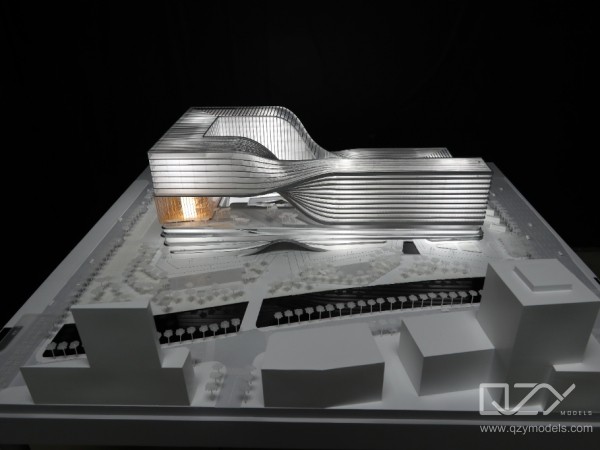
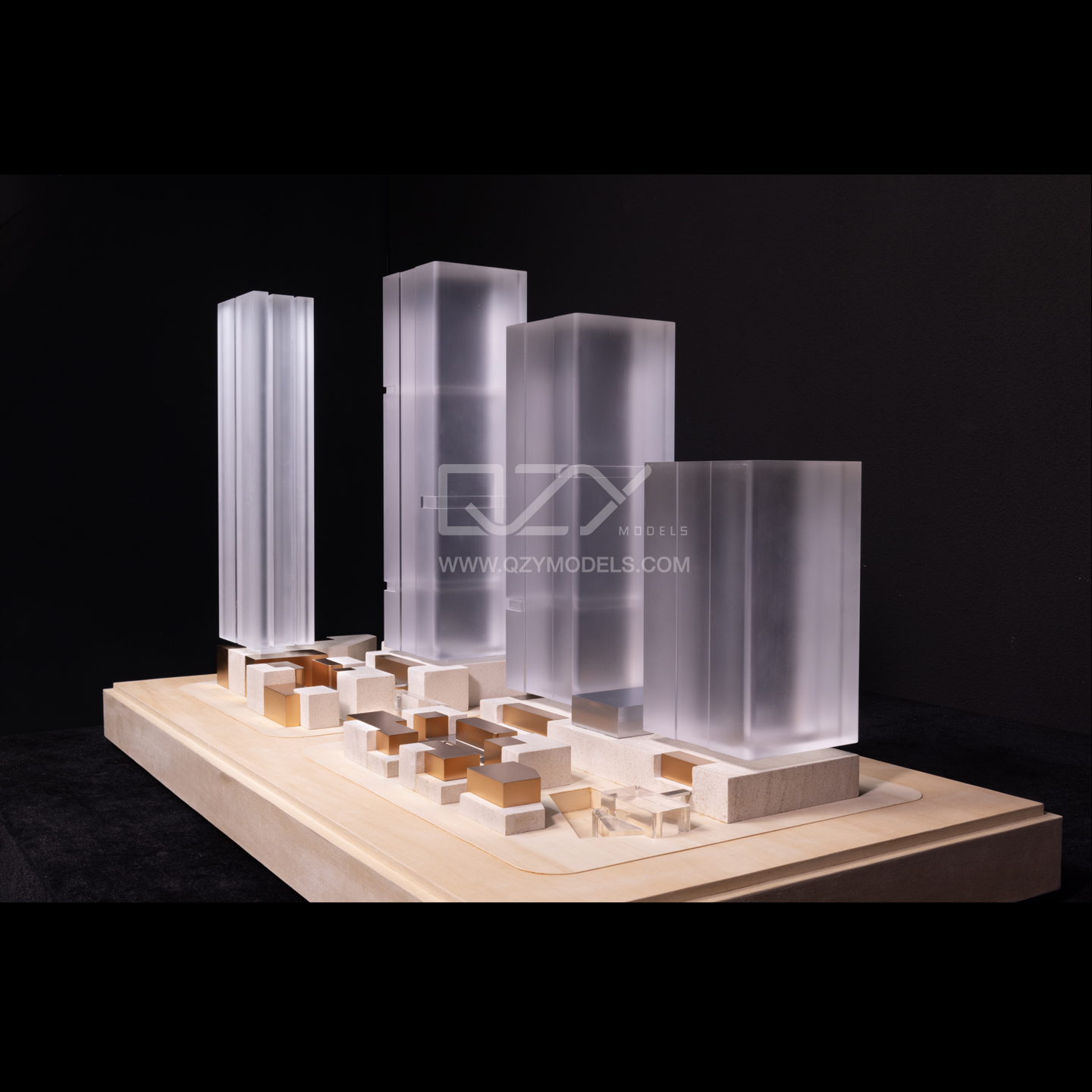
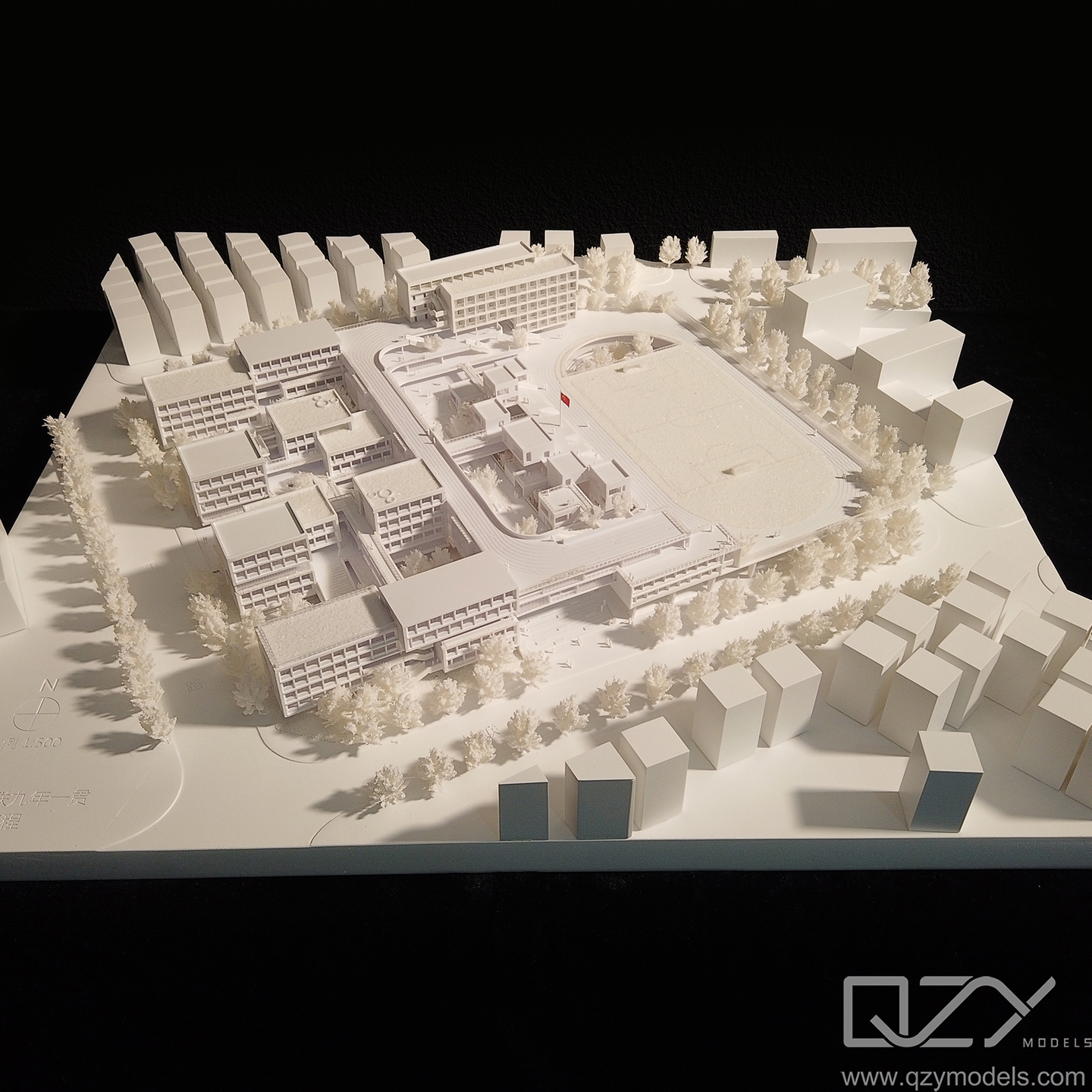
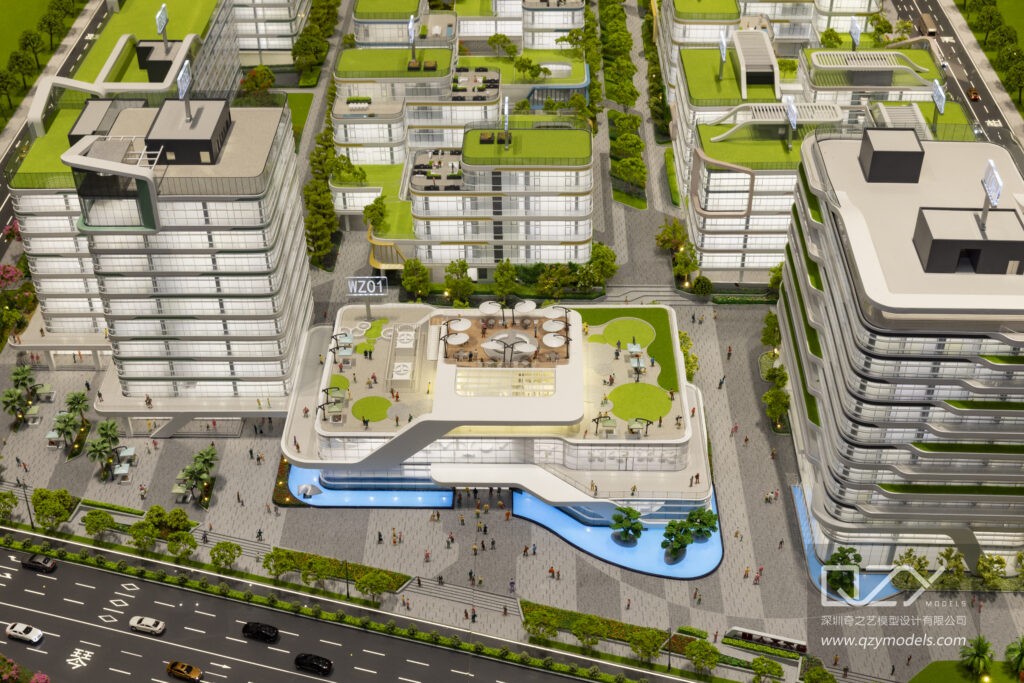
Saudi architecture showcases geometric motifs, arabesques, and regional variations such as Najdi mud-brick towers and Hijazi coral-stone buildings. These designs reflect Islamic heritage, desert climates, and local materials. Over centuries, architectural patterns evolved from Nabatean rock-cut tombs to contemporary projects blending tradition with innovation, offering a rich cultural narrative that QZY Models meticulously reproduces in precise physical models.
What Are Key Historical Patterns?
Saudi architecture’s historical patterns center on geometric forms, arabesques, and Quranic calligraphy, creating hypnotic symmetry without figurative imagery. Geometric stars, interlocking polygons, and repeating motifs adorn mosques, palaces, and residences. Arabesques flow through walls and ceilings, intertwining with Kufic inscriptions. Najdi regions favor rectangular fort-like buildings, while Hijaz combines coral stone with colorful carved wood. Courtyards, wind towers, and latticed screens optimize ventilation and light.
QZY Models specializes in translating these intricate elements into scale models for global architectural clients.
| Pattern Type | Description | Regions |
|---|---|---|
| Geometric Stars | Interlocking polygons, 8–12 points | Najd, Hijaz |
| Arabesques | Flowing vine motifs | Mosques, Palaces |
| Calligraphy Bands | Quranic inscriptions in Kufic script | Gateways, Minarets |
| Lattice Screens | Mashrabiyas for shade and privacy | Hijaz, Eastern |
These elements preserve Saudi heritage and inspire modern applications.
How Did Regional Variations Emerge?
Regional variations developed from climate, materials, and cultural practices. Najd features compact mud-brick compounds with high parapets and decorative rawkh beams for thermal insulation. Hijaz cities like Jeddah and Mecca use coral stone and colorful woodwork influenced by Ottoman and Indian trade. Asir towers reach seven stories, incorporating geometric plasterwork. Eastern Province arish huts employ woven palm fronds suited for nomadic lifestyles.
QZY Models captures these subtleties in architectural models for developers such as Vanke, preserving traditional techniques in contemporary urban planning.
What Influences Shaped Saudi Designs?
Islamic aniconism, desert climates, trade networks, and foreign influences guided Saudi architecture. Non-figurative patterns emerged from Quranic traditions. Thick mud-brick walls, domed roofs, iwans, and wind towers provide passive cooling. Ottoman, Indian, and European styles entered through trade and pilgrimage routes. Bedouin mobility inspired modular forms.
Modern megaprojects under Vision 2030, such as NEOM, reinterpret these patterns parametrically. QZY Models integrates these historical and environmental influences in precision industrial models, serving architects and developers worldwide.
Why Do Geometric Motifs Dominate?
Geometric motifs reflect Islamic theological principles forbidding human imagery and symbolize divine order. Stars, hexagons, and octagons tessellate infinitely, creating balance and unity. Practical advantages include shading, ventilation, and structural integrity for domes and mashrabiyas.
From Madain Saleh’s Nabatean carvings to Riyadh’s contemporary murals, geometric motifs unify regional aesthetics. QZY Models excels in crafting 3D-printed facades that faithfully reproduce these patterns for planning and visualization.
| Motif | Symbolic Meaning | Modern Use |
|---|---|---|
| 8-Point Star | Divine light | Skyscraper cladding |
| Hexagon | Unity, nature | Pavilion designs |
| Octagon | Regeneration | Domes |
Which Ancient Structures Exemplify Patterns?
Key examples include Madain Saleh’s Nabatean tombs, Masmak Fortress, and Qasr Al-Farid, showcasing rock-cut facades, mud-brick towers, and arabesque domes. Hijazi structures like Quba Mosque and Diriyah’s Salwa Palace display intricate hypostyle halls and rawkh beams.
QZY Models recreates these sites in precise scale models for exhibitions, education, and urban planning, bridging history and modern architectural practice.
When Did Modern Patterns Evolve?
Modern Saudi architectural patterns developed post-1932 unification and the 1970s oil boom. Grid-based urban layouts in Khobar emerged alongside high-rise buildings. Islamic Revival in the 1980s merged heritage motifs with contemporary materials. Vision 2030 megaprojects, such as NEOM and Qiddiya, integrate parametric patterns inspired by traditional geometry. QZY Models supports these projects with hybrid models combining historic aesthetics and modern design.
Where Can Patterns Inspire Today?
Saudi patterns inspire urban revitalizations, resort architecture, and festival pavilions in Riyadh, AlUla, and the Red Sea Project. Courtyards, mashrabiyas, and geometric forms are reinterpreted for sustainable and visually striking spaces. QZY Models delivers physical models for architects, design schools, and developers, ensuring authenticity and precision.
QZY Models Expert Views
“Saudi architecture’s patterns—from geometric stars to mashrabiyas—encode centuries of cultural wisdom. At QZY Models, founded in 2013 by Richie Ren, we craft physical models that capture these details for global clients including Foster + Partners and Vanke. Our teams in Shenzhen, UAE, and Saudi Arabia employ 3D printing and laser cutting to reproduce heritage architecture with unmatched precision, supporting educational, commercial, and industrial projects. These models allow architects and developers to visualize traditional motifs in modern urban planning, connecting cultural heritage to contemporary megaprojects.”
Know More About Saudi Arabia :
What Defines Najdi Architecture?
How Does Hejazi Architecture Shape Saudi Cities?
What Makes Asir Architecture Unique?
How Are Traditional Saudi Houses Designed?
What Defines Saudi Architecture Patterns?
Key Takeaways
Saudi architectural patterns intertwine faith, climate, and artistry. Regional variations offer inspiration for modern design. Commissioning QZY Models ensures authentic scale models for planning, exhibitions, and education. Leveraging heritage in contemporary projects enhances sustainability, identity, and cultural continuity.
FAQs
What materials define traditional Saudi patterns?
Mud-brick, coral stone, palm fronds, and gypsum plaster provide structural integrity and thermal efficiency. QZY Models reproduces these materials accurately in scale models.
How do patterns adapt to climate?
Thick walls, small windows, courtyards, and lattice screens regulate temperature and ventilation, effectively reducing energy usage.
Are geometric motifs still used in modern projects?
Yes, contemporary projects like NEOM and Riyadh Metro employ traditional motifs digitally and in physical models crafted by QZY Models.
Which region features the tallest patterned structures?
Asir’s qasabah towers, reaching seven stories, display vibrant geometric designs for visibility and defense.
Can QZY Models handle large Saudi projects?
Absolutely. With branches in Saudi Arabia and the UAE, QZY Models delivers heritage-rich architectural models for developers, urban planners, and educators worldwide.