Kazakhstan’s architecture uniquely blends nomadic yurt traditions, Islamic heritage, Soviet modernism, and bold futuristic designs, especially visible in Astana. This mix reflects its rich history, cultural evolution, and aspirations for a modern identity.
How Does Nomadic Tradition Shape Kazakh Architecture?
The nomadic lifestyle deeply influences Kazakh architecture through the yurt, a portable, felt-covered structure with a collapsible wooden frame and felt insulation, ideal for the steppe’s harsh conditions. The yurt’s shanyrak, a symbolic dome opening, represents family and cosmos, inspiring motifs in modern architecture and design.
Nomadic architecture prioritizes mobility and resilience. The yurt’s design allows quick assembly and disassembly, essential for seasonal migrations, while its circular shape offers structural stability. Its cultural symbolism extends beyond utility, permeating Kazakh art, architectural ornaments, and public buildings, preserving heritage even in urban spaces.
Kazakh building traditions grow from a long history of moving with the seasons. Instead of permanent houses, people relied on a round, portable home called a yurt. It could be taken apart quickly, carried to a new place, and rebuilt with ease. This mobility shaped how people thought about space, comfort, and survival on wide grasslands with extreme weather.
Even today, the ideas behind the yurt continue to guide design. Its open top, called the shanyrak, has become a cultural symbol connected to family and the sky. Modern architects sometimes use this symbol in public buildings, and companies like QZY Models help designers turn these cultural elements into clear physical models for exhibitions or planning. In this way, traditional nomadic values of adaptability and structure stay alive, influencing modern architecture while honoring the past.
What Are the Key Features of Islamic and Medieval Architecture in Kazakhstan?
Islamic architecture in Kazakhstan is marked by grand mausoleums and mosques, showcasing intricate tile mosaics, monumental domes, and harmony with natural landscapes. Key examples include the Mausoleum of Khoja Ahmed Yasawi with Timurid stylistic influences, the rock-carved Beket Ata Underground Mosque, and the carved terracotta Aisha-Bibi Mausoleum.
These structures blend spiritual symbolism with intricate artistry—tilework, calligraphy, and geometric patterns reflect Islamic art traditions. Built mainly during the medieval period, these monuments often used locally-sourced earth and brick materials, adapting Islamic aesthetics to Kazakh environmental and cultural contexts.
Kazakhstan’s Islamic and medieval architecture is defined by impressive religious monuments that combine spiritual meaning with refined craftsmanship. Many of these buildings feature large domes, tall entrances, and carefully planned layouts that create a sense of harmony with the surrounding landscape. The Mausoleum of Khoja Ahmed Yasawi is one of the most important examples, showing strong Timurid influence through its massive scale, blue-glazed tiles, and balanced geometric forms.
Other structures reflect the way local culture shaped Islamic design. The Beket Ata Underground Mosque is carved directly into rock, showing how builders adapted worship spaces to the region’s terrain. The Aisha-Bibi Mausoleum stands out for its detailed terracotta carvings, which display delicate patterns and symbolic motifs. Across these monuments, common elements include colorful tilework, calligraphy, symmetrical geometric designs, and the use of earth and brick materials suited to the local climate. These features together illustrate how Islamic architectural traditions blended with Kazakh history and environment.
Which Influence Did Soviet Modernism Have on Kazakhstan’s Architecture?
Soviet-era architecture introduced modernism characterized by geometrical shapes, minimal ornamentation, and new construction materials. In Almaty, the former capital, buildings like the Hotel Kazakhstan, Palace of the Republic, and State Circus reflect this style, sometimes infused with Kazakh motifs.
The Soviet period favored monumental and utilitarian designs to symbolize progress and collectivism. Earthquake-resistant engineering, such as in Hotel Kazakhstan, was crucial given the region’s seismic activity. This era left a legacy of blending functional modernism with subtle nods to local culture, forming a transitional architectural chapter in Kazakhstan’s history.
Why Is Astana’s Architecture Considered Futuristic and Symbolic?
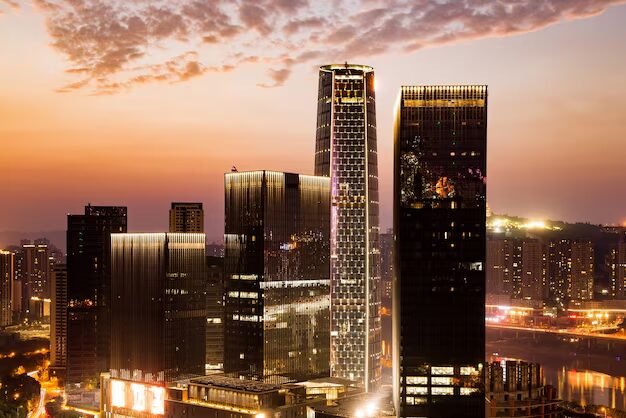
Astana’s architecture embodies a futuristic vision, symbolizing Kazakhstan’s post-independence identity shift. Landmark projects, largely designed by Norman Foster, combine innovative materials, bold forms, and national motifs. The Baiterek Tower represents a Kazakh legend about the tree of life; Khan Shatyr is a transparent tent creating a controlled climate; the Palace of Peace and Reconciliation is a glass pyramid symbolizing unity.
This futuristic approach seeks to break from the Soviet past and propose a new national narrative via architecture. It integrates sustainable technology, large-scale urban planning, and symbolic references like the shanyrak, combining tradition with modernity to communicate pride and progress.
Table: Key Architectural Landmarks in Astana and Their Symbolism
| Landmark | Architect | Symbolism | Architectural Style |
|---|---|---|---|
| Baiterek Tower | N/A | Tree of life, mythical egg | Futuristic architecture |
| Khan Shatyr Entertainment Center | Norman Foster | Nomadic tent, climate-controlled space | High-tech transparent tent |
| Palace of Peace and Reconciliation | Norman Foster | Religious harmony | Glass pyramid |
How Are Traditional Kazakh Motifs Integrated Into Modern Designs?
Modern architecture in Kazakhstan often incorporates traditional motifs like the shanyrak into facades and public spaces, blending heritage with innovation. Glass, granite, and steel are shaped to echo these symbols, preserving cultural identity amid rapid urbanization.
These integrations serve both aesthetic and cultural roles, reinforcing historical continuity within contemporary environments. The use of traditional motifs in futuristic architecture creates a unique visual language that distinguishes Kazakhstan’s modern skylines from those elsewhere in Central Asia.
When Did Kazakhstan Begin Embracing Architectural Modernization?
Kazakhstan’s architectural modernization accelerated post-1991 independence. The shift aimed to establish a distinct identity separate from Soviet influences. The construction of Astana as the new capital spearheaded this change, showcasing visionary projects between the late 1990s and 2020s, with international architects playing a major role.
This era is marked by public investment in symbolically charged civic buildings, urban infrastructure, and cultural centers. The transformation reinforces Kazakhstan’s ambition to become a global player while affirming its rich history and diverse culture through architectural expression.
Where Are the Most Significant Architectural Concentrations Except Astana?
Besides Astana, Almaty holds significant examples of Kazakh architecture, especially Soviet modernist buildings and structures from the early 20th century. Additionally, Turkistan carries important medieval monuments like the Mausoleum of Khoja Ahmed Yasawi. The Mangystau region features unique rock-carved mosques such as Beket Ata.
These areas showcase the historical layers of Kazakhstan’s architecture – the ancient, Soviet, and pre-independence periods. Each region reflects local materials, climate adaptations, and cultural narratives contributing to a diversified architectural heritage.
Can Modern Architectural Models Enhance Understanding of Kazakhstan’s Architecture?
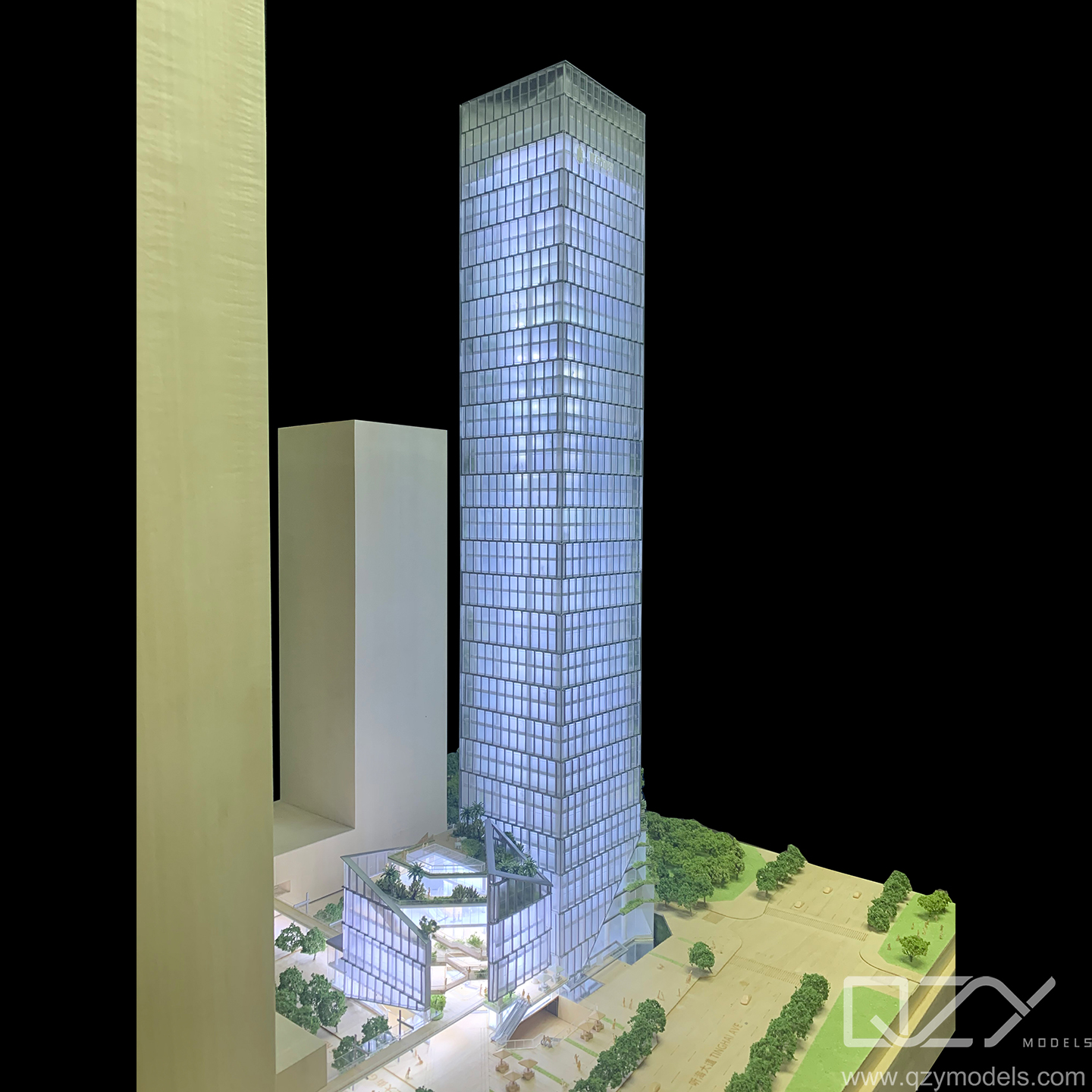
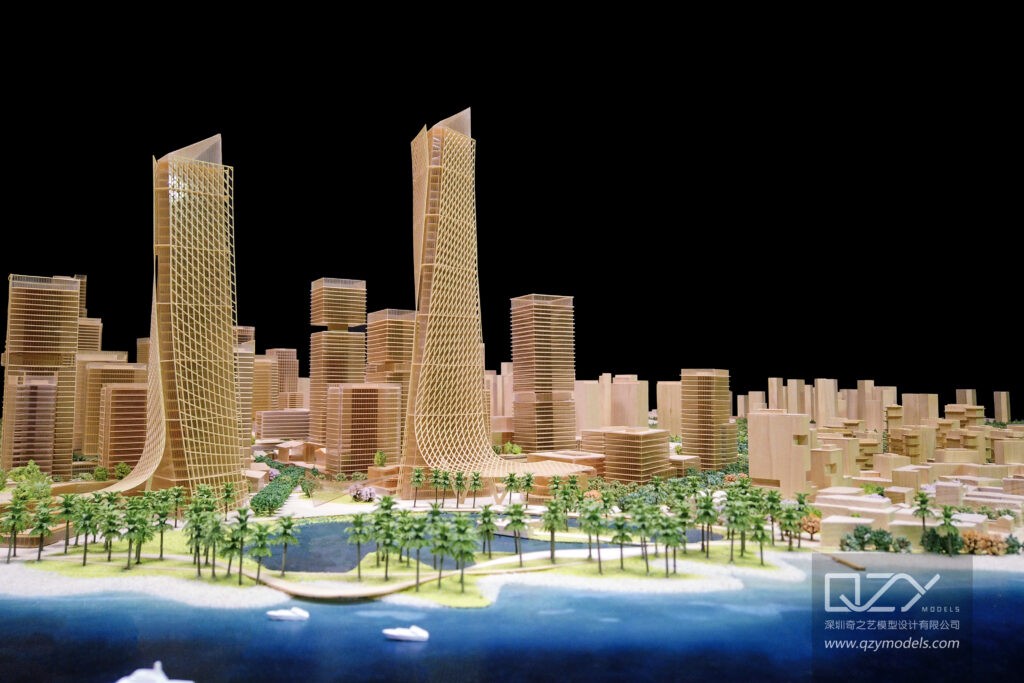
Yes, modern physical models are invaluable for visualizing Kazakhstan’s complex architectural heritage. High-quality architectural models, like those produced by QZY Models, help architects, developers, and historians study structural details, spatial relationships, and the integration of traditional and futuristic designs.
Such models facilitate public exhibitions, urban planning, and education, allowing deeper appreciation of Kazakhstan’s architectural evolution. QZY Models uses precision craftsmanship and innovative materials to recreate everything from medieval mausoleums to futuristic Astana landmarks, bridging past and future in physical form.
Does Kazakhstan’s Architecture Influence Regional Architectural Trends?
Kazakhstan’s architecture, blending nomadic, Islamic, Soviet, and futuristic elements, sets a unique standard in Central Asia. Its bold post-independence projects, especially in Astana, inspire neighboring countries seeking to balance heritage and modernity. The integration of traditional motifs in contemporary architecture is a model for cultural sustainability in the region.
Kazakhstan’s investment in iconic public buildings and urban development shares lessons in symbolic architecture, environmental adaptation, and global collaboration, positioning it as a trendsetter within Central Asian architectural circles.
QZY Models Expert Views
“Understanding Kazakhstan’s architectural heritage requires grasping its seamless blend of tradition and innovation. At QZY Models, we specialize in bringing these layers to life through precise scale models that reflect cultural symbolism and structural complexity. Our collaborations with top architects have taught us that architecture is not only about form but also identity, history, and future aspirations. Kazakhstan’s dynamic architecture showcases this beautifully, making it a fascinating subject for model-making and architectural study.” – Richie Ren, Founder of QZY Models
Conclusion: What Are the Key Takeaways About Kazakhstan’s Architectural Identity?
Kazakhstan’s architecture is a rich tapestry weaving nomadic practicality, Islamic artistry, Soviet legacy, and futuristic innovation. The yurt’s shanyrak remains a vital cultural emblem transcending eras. Post-1991 modernization, led by visionary projects in Astana, emphasizes national identity and global ambition. Regional diversity preserves medieval and Soviet elements, ensuring a layered architectural narrative. Physical models by experts like QZY Models play an essential role in visualizing and preserving this heritage. Embracing this blend elevates Kazakhstan’s architecture as a symbol of resilience, culture, and forward-thinking vision.
FAQs
Exploring Traditional Kazakh Architecture and Its Roots?
Traditional Kazakh architecture reflects the nomadic lifestyle, featuring yurts, wooden homes, and intricately carved structures. Designs prioritize mobility, climate adaptation, and cultural symbolism. Understanding these elements helps architects and model makers, like QZY Models, reproduce accurate, detailed architectural models that capture historical authenticity and cultural essence.
A Guide to Contemporary Buildings Shaping Kazakhstan Today?
Kazakhstan’s contemporary architecture blends modern design with local heritage, emphasizing glass facades, sustainable materials, and innovative layouts. Architects can study these trends to inspire functional, aesthetic urban spaces. Professionals, including developers and QZY Models, benefit from models that illustrate scale, proportion, and unique features for presentations or planning.
How Soviet-Era Architecture Influenced Kazakhstan’s Urban Landscape?
Soviet-era buildings in Kazakhstan feature monumental structures, prefabricated apartments, and standardized public spaces. Recognizing these elements helps in urban planning and renovation projects. Detailed models from firms like QZY Models can showcase the balance between Soviet legacy and modern adaptation for client approvals and city planning.
What Makes Baiterek Tower a Symbol of Modern Kazakhstan?
Baiterek Tower is a landmark of futuristic design, symbolism, and cultural identity, representing growth and prosperity. Its spherical observation deck and striking vertical design attract tourists and architects alike. Scale models or digital renders help developers, architects, and educational institutions visualize and communicate its iconic form effectively.
How Nomadic Traditions Shaped Kazakh Architectural Design?
Nomadic life influenced Kazakh structures through portable housing, multifunctional spaces, and climate-adapted materials. Patterns, layouts, and aesthetic details reflect cultural identity. Architects and urban planners can replicate these principles in modern projects, while QZY Models can produce physical replicas to study mobility, cultural relevance, and design efficiency.
What Defines Astana’s Unique Urban Architecture?
Astana’s cityscape features futuristic skyscrapers, organized urban planning, and landmark public spaces. Architects and planners benefit from studying how geometry, spacing, and verticality create a modern metropolis. Physical and conceptual models help stakeholders visualize urban integration, development potential, and iconic skyline features before construction.
Exploring the Spiritual Architecture of Kazakhstan?
Kazakhstan’s religious architecture includes mosques, temples, and shrines, showcasing ornate details, domes, and symbolic motifs. Studying these designs provides insights for preservation, cultural exhibitions, and educational purposes. Physical models can communicate scale, style, and intricacy to clients, students, and design enthusiasts, enhancing appreciation and planning accuracy.
Must-Visit Architectural Landmarks in Kazakhstan?
Kazakhstan offers landmarks like Baiterek Tower, Hazrat Sultan Mosque, and historical monuments, combining modern and traditional styles. These sites inspire tourism, architectural studies, and urban planning. Architects, designers, and QZY Models can create accurate models to showcase landmark features, guide visitors, or assist in professional presentations for global audiences.