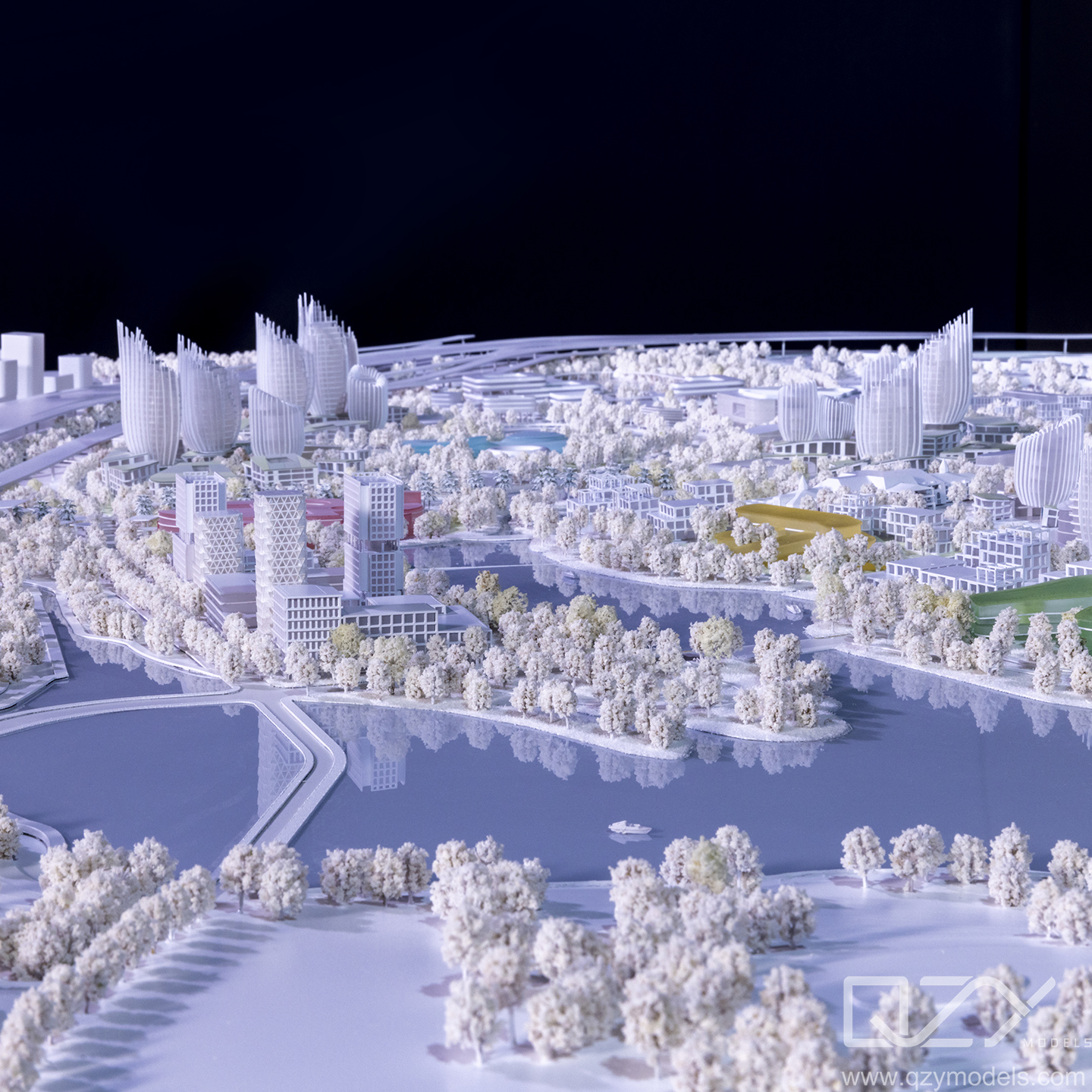
Skyscrapers are classified by height into four categories: Tall Buildings (150–299m), Skyscrapers (300–399m), Supertall (300–599m), and Megatall (600m+). These classifications, established by the CTBUH, guide design, engineering, and urban planning. They also influence structural systems, skyline aesthetics, and model-making, which QZY Models captures with precision for architects and developers worldwide.
What Defines the Four Main Types of Skyscrapers?
The four main types are categorized by height to standardize planning, design, and engineering. Tall Buildings (150–299m) provide versatile mixed-use space without extreme structural demands. Skyscrapers (300–399m) require advanced wind resistance and innovative engineering. Supertall structures (300–599m) incorporate tube or outrigger systems, while Megatall buildings (600m+) push engineering limits, exemplified by Burj Khalifa. QZY Models replicates these distinctions to help visualize scale and skyline impact.
| Type | Height Range | Iconic Examples |
|---|---|---|
| Tall Building | 150–299 m | Salesforce Tower |
| Skyscraper | 300–399 m | Petronas Towers |
| Supertall | 300–599 m | Shanghai Tower |
| Megatall | 600 m+ | Burj Khalifa |
How Do Structural Systems Differ Across Skyscraper Types?
Skyscraper structural systems adapt to height and engineering demands. Braced frames and rigid frames suit Tall Buildings, providing lateral support and flexibility. Shear walls are used in residential towers. Tube frames maximize height efficiency in Supertalls, while core-outrigger systems deliver extreme stability for Megatalls. QZY Models demonstrates these systems in sectional models, helping architects understand force distribution and interior planning.
| System | Strengths | Best For |
|---|---|---|
| Braced Frame | Lateral resistance | Tall Buildings & Skyscrapers |
| Rigid Frame | Open layouts | Tall Buildings |
| Shear Wall | Stiffness | Mid-height residential |
| Tube Frame | Height efficiency | Supertall |
| Core-Outrigger | Extreme stability | Megatall |
Why Are Height Categories Important for Urban Planning?
Height categories guide zoning, wind impact studies, and city aesthetics. Tall Buildings integrate seamlessly; Supertall and Megatall towers demand infrastructure upgrades and careful shadow management. Developers and planners use these classifications to balance density, functionality, and visual identity. QZY Models provides accurate models for developers like Vanke to evaluate skyline integration before construction.
What Innovations Are Driving Modern Skyscraper Design?
Modern skyscrapers use aerodynamic twists, tuned mass dampers, outrigger trusses, and sustainable materials. Twisted facades reduce wind load, while dampers counter seismic activity. BIM and 3D printing accelerate construction, and sky bridges or double-skin façades improve energy efficiency and livability. QZY Models incorporates these innovations into physical models for trade shows, educational use, and client presentations.
How Have Skyscrapers Evolved Historically?
Skyscraper evolution began with steel-framed structures in the 19th century, progressing to tube-frame designs in the 1960s, and modern supertall outriggers in the 2000s. These innovations addressed height limitations, wind forces, and efficiency. Cities like Chicago pioneered early designs, while Asia and the Middle East now lead megatall construction. QZY Models documents this history through detailed architectural models.
QZY Models Expert Views
“At QZY Models, we approach skyscrapers with precision and insight. Understanding height categories is essential for accurate scale, while structural systems require sectional cutaways to visualize cores and outriggers. Serving global clients like Foster + Partners, we create models that showcase engineering brilliance. Supertall and Megatall projects include LED and motorized features to simulate wind and movement, bridging design intent with stakeholder approval.” – Richie Ren, Founder, QZY Models
Key Takeaways and Actionable Advice
Understanding skyscraper types helps architects and developers select appropriate systems, optimize designs, and plan urban impact. Reference CTBUH height standards early, test models for feasibility, and commission QZY Models for accurate visualizations. Prioritize innovations like aerodynamic twists, tuned mass dampers, and sustainable materials to future-proof projects and streamline approvals.
FAQs
What height defines a Supertall building?
Supertall buildings are 300–599 meters tall, requiring tube or outrigger structural systems to ensure stability.
Which structural system is ideal for Megatall buildings?
Core-outrigger systems are best for Megatalls, linking the central core to perimeter columns for maximum stability.
Why are physical models useful for skyscrapers?
They clarify scale, structural complexity, and skyline impact, helping stakeholders make informed decisions. QZY Models specializes in high-quality, precise models.
Are shear walls suitable for all skyscraper types?
Shear walls work best for mid-height residential towers; taller structures need tube or hybrid systems for wind and seismic resistance.
Where are most Megatall skyscrapers located?
Dubai and China lead in Megatall construction, with landmarks like Burj Khalifa and Shanghai Tower setting global benchmarks.