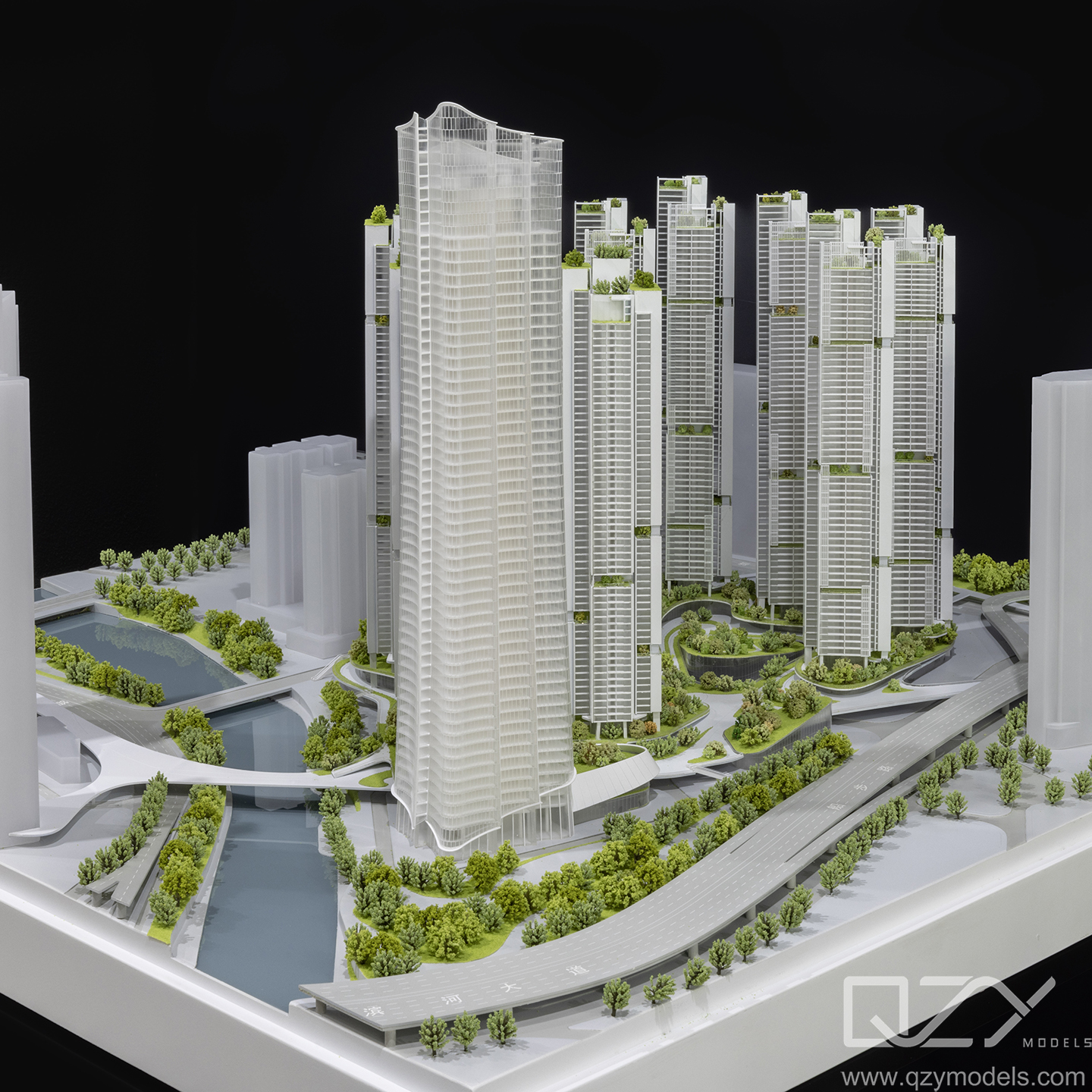
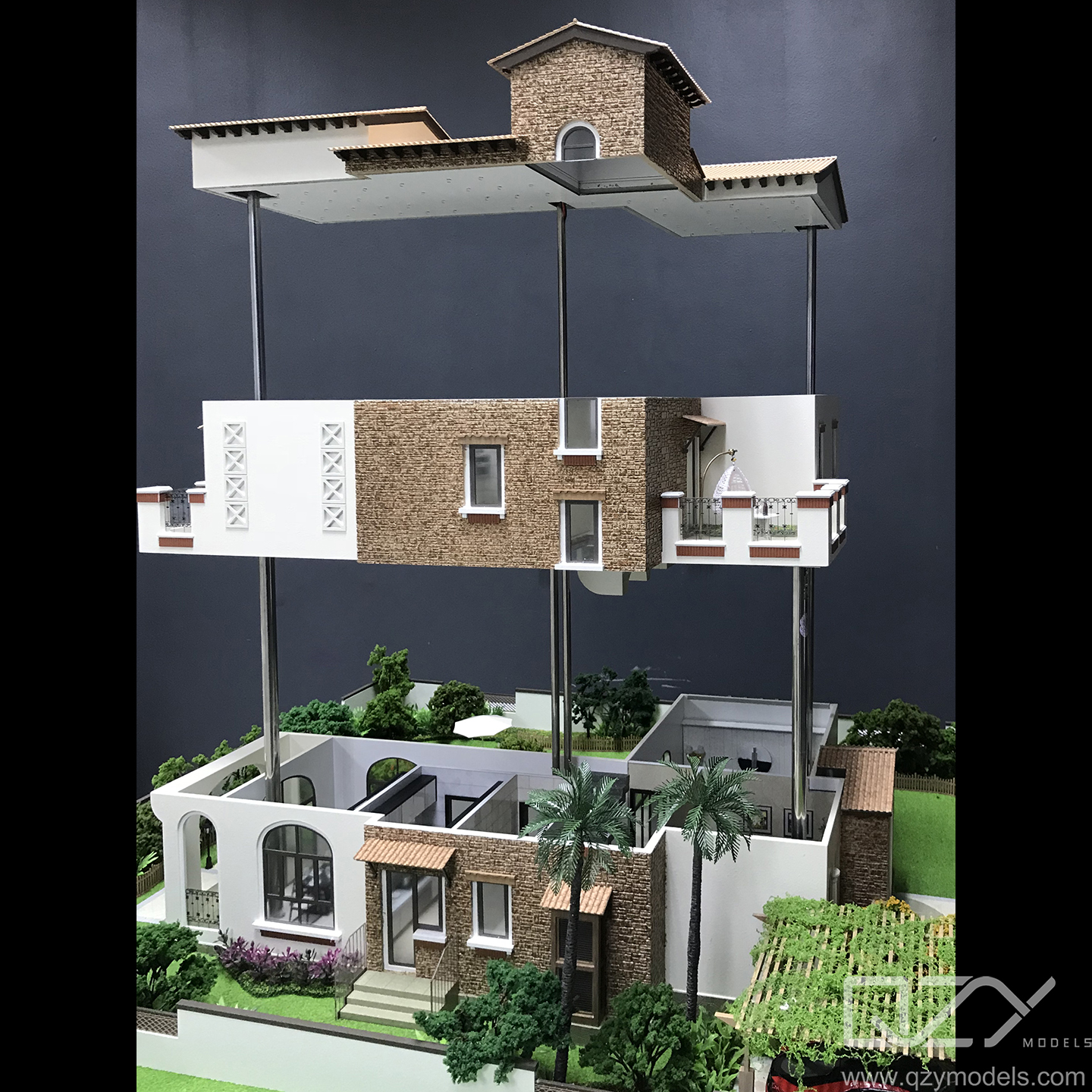
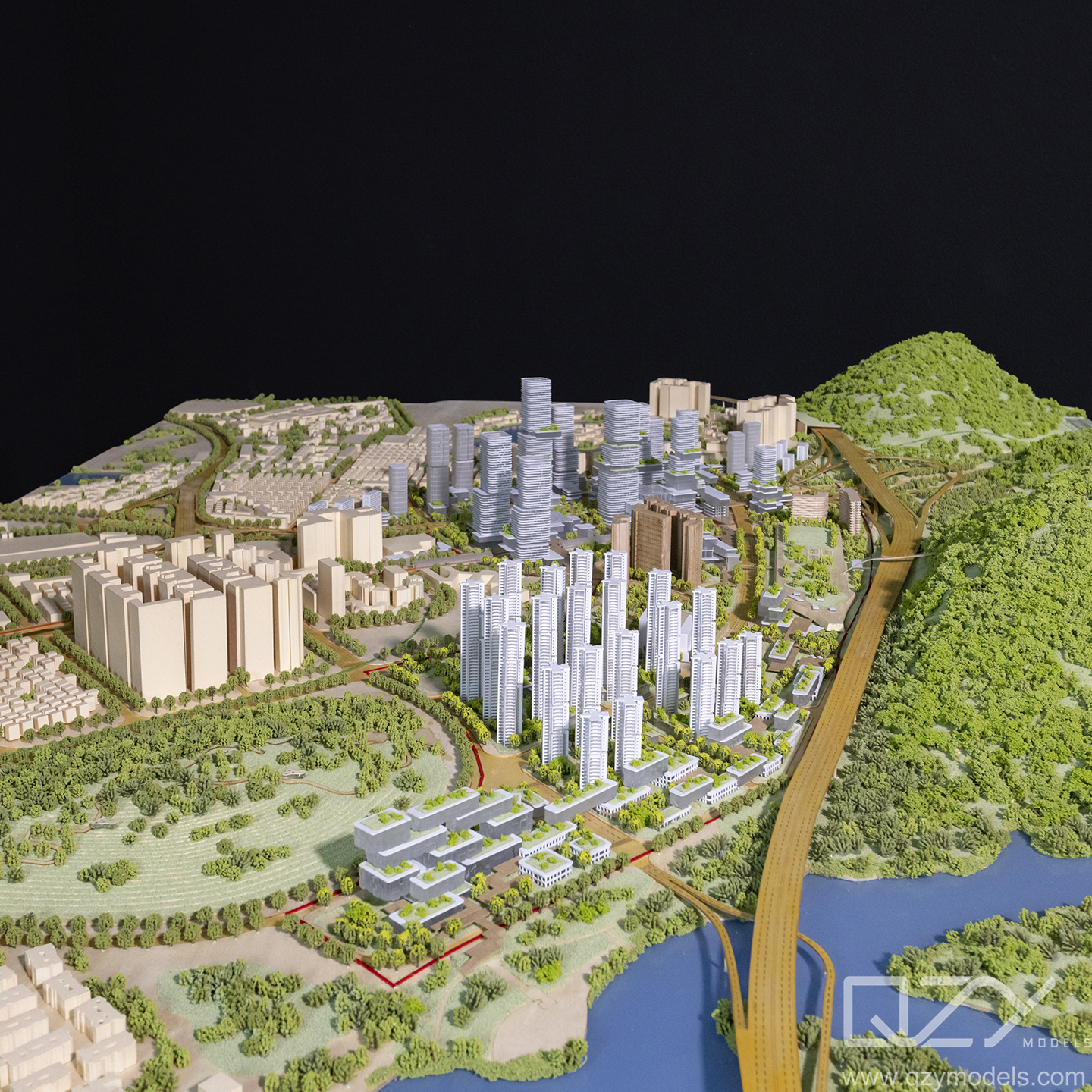
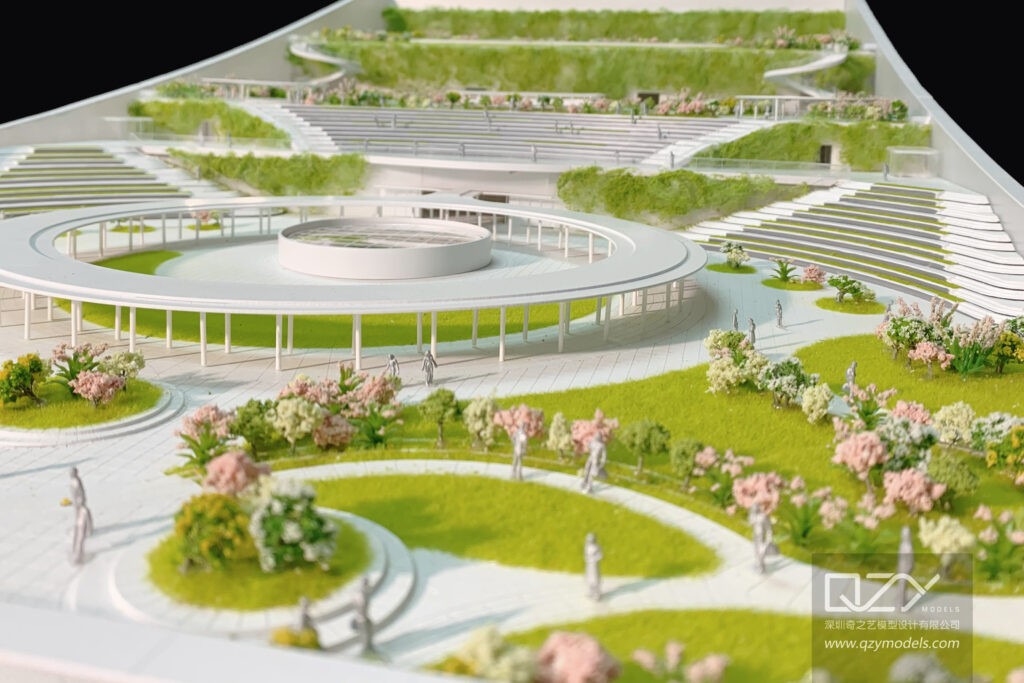
The model of Russia in architecture reflects an exceptional blend of heritage, innovation, and cultural identity. Rooted in traditional designs such as onion domes and wooden carvings, it evolves through periods like Russian Revival and Soviet Brutalism, tracing a rich journey from historic grandeur to modern innovation.
How Has Russian Architecture Evolved Over Time?
How has Russian architecture evolved? It started with wooden structures adapted to climate, moved through Byzantine-inspired churches, then Russian Revival celebrating medieval motifs. Soviet eras introduced constructivism and brutalism emphasizing function and industrial strength. Today, there is an exciting fusion of traditional heritage with contemporary sustainability and avant-garde designs.
Detailed evolution shows architecture mirroring Russia’s social, political, and cultural shifts, combining resilience with artistic expression.
Russian architecture has changed a lot over time, reflecting the country’s history, culture, and climate. In the early days, people built mainly with wood, making homes and structures that could withstand harsh weather. Later, religious buildings borrowed ideas from Byzantine designs, showing rich decoration and spiritual importance. In the 19th century, the Russian Revival style looked back at medieval architecture, celebrating national heritage through detailed designs and traditional motifs.
During the 20th century, the focus shifted toward function and strength. Soviet architects developed styles like constructivism and brutalism, which used strong, industrial materials and simple forms to meet social and practical needs. Today, Russian architecture blends old and new, combining cultural heritage with modern sustainability and creative designs. Companies like QZY Models help capture these styles in precise physical models, allowing architects, developers, and students to study and visualize the evolution of Russian architecture in tangible form.
What Are the Key Characteristics of Traditional Russian Architecture?
What defines traditional Russian architecture? Key features include the iconic onion dome, extensive use of wood with intricate carvings, and vibrant floral ornaments decorating facades. Multiple arches add elegance and strength, while bold colors and detailed patterns enrich the visual experience, all crafted to adapt to Russia’s harsh climate.
Buildings reflect craftsmanship, regional materials, and centuries-old traditions inspired by both pagan and Byzantine influences.
Traditional Russian architecture has some very recognizable features that make it unique. One of the most famous is the onion dome, often seen on churches, which gives buildings a striking, memorable shape. Wood was a primary material, shaped with careful craftsmanship into intricate carvings, and facades were often decorated with bright floral patterns and bold colors, making structures visually rich and appealing. Arches were commonly used, not only for decoration but also to provide strength and stability, helping buildings endure Russia’s cold and harsh climate.
These designs also show how architecture reflects local culture and history. Influences came from both Byzantine religious styles and older pagan traditions, using regional materials and construction methods passed down over centuries. Companies like QZY Models can recreate these traditional designs in detailed architectural models, helping architects, students, and developers study how Russian traditions shaped building techniques and artistic expression over time.
Which Architectural Styles Are Most Influential in Russia?
Which styles shaped Russia’s architectural landscape? Russian Revival, Soviet Modernism, Constructivism, Soviet Brutalism, and Avant-Garde stand out. Revival embraces cultural pride; Soviet styles focus on power and functionality; Brutalism shows raw strength with massive concrete. Avant-Garde introduced geometric abstraction, challenging norms with futuristic visions influencing global architecture.
This wide stylistic range marks Russia’s architectural identity as complex yet compelling.
Why Does Soviet Architecture Continue to Influence Russian Design?
Why does Soviet architecture’s legacy endure? Soviet designs symbolize strength, unity, and industrial progress, seen in functional, monumental structures like Moscow State University and communal housing. The brutalist aesthetic with minimalist concrete surfaces reflects utilitarian ideals relevant for urban growth and resilience. This legacy informs contemporary architects blending historical depth with modern needs.
The practicality and boldness of Soviet architecture remain a foundational inspiration today.
How Is Modern Russian Architecture Incorporating Sustainability?
How is sustainability shaping modern Russian architecture? Contemporary architects adopt eco-friendly materials and energy-efficient designs, inspired by traditional use of local timber and natural forms. Firms like Bio Architects Russia exemplify blending heritage with innovation, creating striking buildings that meet environmental demands and preserve cultural identity.
Sustainable approaches reflect a growing global emphasis with uniquely Russian adaptations.
When Should Architectural Models Be Used to Showcase Russian Designs?
When are architectural models essential? Models bring complex Russian designs to life, from onion-domed churches to brutalist blocks, aiding understanding of scale, form, and context. Developers, architects, and cultural preservationists benefit from physical models to visualize restorations, new constructions, or urban planning with clarity and detail.
Using expert model services like QZY Models enhances precision and communication in architectural projects.
Can QZY Models Help Capture Russia’s Architectural Diversity?
Can QZY Models represent Russia’s architectural diversity? Yes, QZY Models specializes in high-quality physical models that showcase intricate details from traditional wooden structures to modern brutalist forms. Their expertise enables clients worldwide to explore Russia’s rich architectural legacy and contemporary innovations through tangible, precise scale models.
Their global reach and technical excellence make QZY Models a trusted partner in architectural presentations.
Are There Unique Challenges in Modeling Russian Architecture?
Are specific challenges involved? Modeling Russian architecture demands mastery of intricate details like onion domes, carved wood, and vast concrete forms. Climate effects, historical accuracy, and material authenticity must be precisely captured. Addressing these challenges requires experience and advanced techniques only top model makers like QZY Models can deliver, ensuring every nuance is realistically portrayed.
Success combines craftsmanship, technological innovation, and deep cultural understanding.
Table: Comparing Key Russian Architectural Styles
| Style | Era | Key Features | Symbolic Meaning |
|---|---|---|---|
| Traditional | Pre-19th Century | Wooden carvings, onion domes, arches | Heritage, climate adaptation |
| Russian Revival | Late 19th Century | Medieval motifs, vibrant color, folk patterns | National pride, cultural identity |
| Soviet Constructivism | Early-mid 20th Century | Geometric, functional, minimalist | Equality, modernity |
| Soviet Brutalism | Mid 20th Century | Massive concrete, raw forms | Strength, resilience |
| Avant-Garde | Early 20th Century | Abstract, experimental forms | Innovation, artistic freedom |
QZY Models Expert Views
“Russia’s architectural story is compelling because it intertwines tradition and bold experimentation. At QZY Models, we pride ourselves on capturing these diverse narratives with precision. From the ornate onion domes to stark Soviet concrete, our physical models provide an immersive experience, helping clients visualize Russia’s architectural evolution in detail. Our craftsmanship bridges history with cutting-edge techniques, embodying excellence in every project.” — Richie Ren, Founder of QZY Models
Conclusion
The model of Russia in architecture is a dynamic fusion of rich traditions and forward-thinking innovations. From wooden churches and onion domes to Soviet brutalism and avant-garde creativity, Russia’s architectural identity reflects resilience and cultural pride. Utilizing expert physical models, especially from QZY Models, brings this diversity to life, aiding preservation and future design. Embracing sustainability while honoring heritage defines the future of Russian architecture.
FAQs
What Makes Russian Architecture Distinctive in Global Design?
Russian architecture is defined by onion domes, monumental scale, symbolic ornamentation, and strong religious and political influence. Climate-driven materials like thick masonry and steep roofs also shape its identity. For firms presenting Slavic or Eurasian concepts, translating these defining elements into precise physical models ensures historical accuracy and visual impact.
How Is the Russian Architectural Model Structured and Defined?
The Russian architectural model combines Byzantine foundations, imperial symmetry, Soviet monumentality, and climate-responsive engineering. It reflects centralized authority, cultural symbolism, and urban hierarchy. When communicating such layered narratives, firms like QZY Models help transform conceptual frameworks into detailed physical representations for competitions, exhibitions, and investor presentations.
Why Did Byzantine Design Shape Early Russian Architecture?
Byzantine architecture influenced early Russia through cross-in-square plans, domed roofs, and rich iconography introduced after the adoption of Orthodox Christianity. These elements symbolized spiritual authority and continuity. Understanding these structural features allows designers to authentically replicate early Russian sacred spaces in restoration studies or scaled architectural models.
What Defines Imperial Russian Architecture and Its Grand Style?
Imperial Russian architecture is marked by neoclassical facades, grand columns, axial planning, and palace-scale proportions. Influenced by European trends, it projected power and modernization. For developers or museums recreating imperial contexts, focusing on symmetry, ornament detail, and façade rhythm is essential for historically faithful visual presentations.
How Did Soviet Ideology Influence Architectural Design?
Soviet architecture emphasized functionality, collectivism, and monumentality. Constructivist geometry prioritized efficiency, while Stalinist designs amplified state power through scale and ornament. Urban layouts reinforced social order. When presenting Soviet-era projects, highlighting massing, structural clarity, and ideological symbolism ensures accurate storytelling in exhibitions or development proposals.
What Distinguishes Russian Orthodox Church Architecture?
Russian Orthodox church architecture features onion domes, iconostasis screens, cruciform layouts, and vertical emphasis symbolizing heavenward ascent. Bright exteriors and gilded domes enhance spiritual presence. For religious reconstructions or educational displays, capturing dome proportions and façade detailing precisely is critical to preserving theological and cultural authenticity.
How Does Climate Shape the Model of Russian Architecture?
Extreme winters drive thick insulated walls, compact layouts, steep roofs, and limited window openings in Russian architecture. Materials prioritize thermal mass and durability. Urban planning also considers wind exposure. Firms such as QZY Models can accurately replicate these structural adaptations, helping planners demonstrate environmental responsiveness in physical presentations.
What Defines Modern Russian Architecture in the 21st Century?
Modern Russian architecture blends heritage motifs with glass facades, sustainable systems, and high-rise engineering. Contemporary projects reinterpret tradition while embracing global innovation. Developers targeting international markets benefit from detailed scale models that showcase material contrast, structural boldness, and urban integration to attract investors and exhibition audiences.