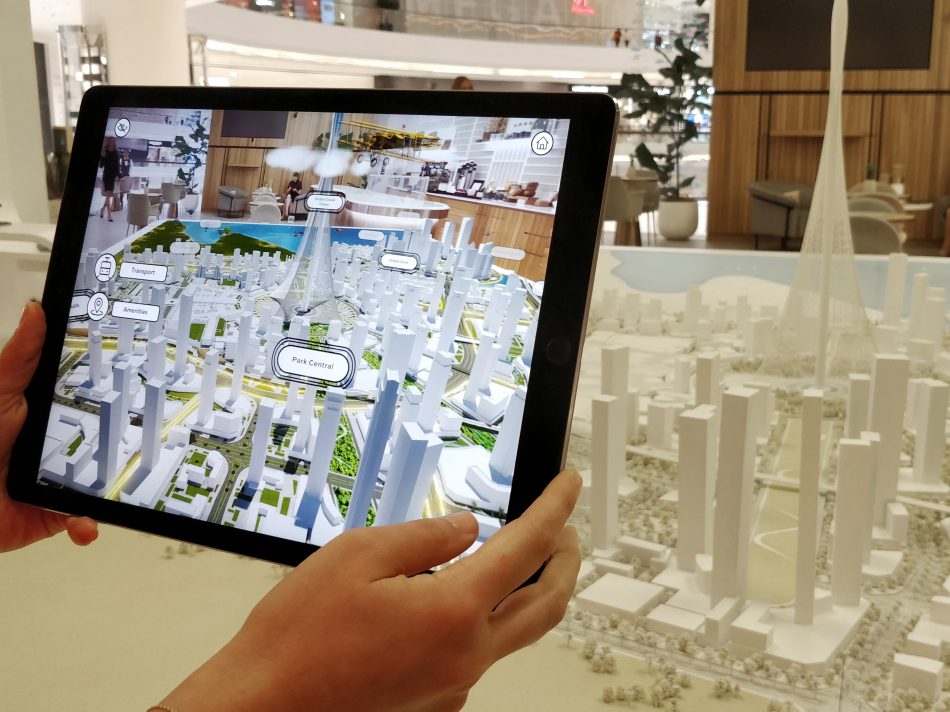
Model makers are skilled artisans who create physical, often scaled, three-dimensional representations of objects or structures used across industries like architecture, product design, and film. Their work combines craftsmanship, technical expertise, and creativity to produce detailed, accurate models that help visualize, test, and communicate ideas.
What Does a Model Maker Do in Different Industries?
Model makers craft physical models—from architectural scale models of buildings to product prototypes and movie props—using materials like wood, plastic, metal, and foam. Their work aids designers, engineers, and architects by bringing concepts into tangible forms for visualization, testing, and client presentations, adapting techniques to suit varied industrial requirements.Model makers receive blueprints or concepts and transform these into precise three-dimensional models. In architecture, they create scaled replicas that represent buildings and urban planning projects. Industrial model makers build prototypes to test form, fit, and function, often employing 3D printing or CNC machining. In the entertainment sector, they craft props and set pieces for movies and animation. This diversity requires mastery over numerous materials and technologies, making model makers essential collaborators in the design process.
A model maker is someone who turns ideas into real, three-dimensional objects that people can see and touch. They work in many fields, like architecture, industrial design, and movies. For example, in architecture, model makers build small versions of buildings and city plans to help designers and clients understand how a project will look. In industrial design, they make prototypes to test how a product will function. In movies and animation, they create props and set pieces to bring stories to life. To do this, they use materials like wood, plastic, metal, and foam, and often rely on modern tools like 3D printers or CNC machines.
Companies like QZY Models specialize in creating these detailed models for clients worldwide, helping architects, developers, and designers visualize their ideas clearly. Model makers are important because their work allows designers to test, explain, and improve projects before real construction or production begins. Their skill with different materials and techniques ensures each model is precise, functional, and visually effective, making them key collaborators in the creative and design process.
Keywords: model maker, materials, precision
How Do Model Makers Balance Craftsmanship and Technology?
Model makers blend traditional handcraft skills like sculpting and woodworking with advanced technologies such as 3D printing, CNC machining, and laser cutting to achieve both accuracy and artistic detail in their models.While shaping materials manually remains vital for intricate detailing and finishing, digital design tools—like CAD software—enable precise planning and prototyping. Technologies like 3D printing accelerate production and enable complex geometries impossible by hand. Skilled model makers select materials and techniques according to project needs, ensuring functional accuracy without compromising aesthetic quality. This synergy of craftsmanship and technology characterizes the professional model maker’s workflow, exemplified by innovators like QZY Models.
Model makers combine craftsmanship and technology to create models that are both accurate and visually detailed. They still use traditional skills like carving, sculpting, and woodworking for fine details, but they also rely on modern tools such as 3D printers, CNC machines, and laser cutters. These technologies allow them to produce complex shapes quickly and precisely, which would be difficult or impossible to do by hand.
Digital tools like CAD software help plan and design models before they are made, making the process more efficient and precise. Professional model makers choose the right materials and techniques based on the project, making sure the model looks realistic while functioning correctly. Companies like QZY Models showcase this balance, combining manual skill with technology to produce high-quality models for architecture, industrial design, and more.
Keywords: craftsmanship, materials, precision
Why Are Physical Models Important Despite Digital Visualization?
Physical models provide tangible, spatially accurate representations that enhance communication, design iteration, and stakeholder engagement beyond what digital models alone can achieve.Although 3D software and virtual reality allow detailed visualization, physical models offer a tactile, real-world perspective essential to understanding scale, texture, and proportions intuitively. They enable hands-on demonstrations, lighting studies, and direct interaction, which are critical in fields such as architecture and product design. Physical models also serve as powerful presentation tools to clients and investors, fostering clearer discussions. The precision and quality of companies like QZY Models highlight the continuing value of physical models in the digital age.
Which Skills Are Essential for Successful Model Makers?
Core skills include precision craftsmanship, problem-solving, proficiency with various materials, 3D design competence, and a keen eye for detail, combined with creativity and engineering knowledge.Professional model makers must excel at translating complex plans into physical form with accuracy at scale, often dealing with challenging tolerances. Familiarity with traditional crafts and modern technologies like CAD and additive manufacturing is crucial. The ability to troubleshoot construction difficulties and innovate solutions ensures model function and appearance. Attention to detail, from smooth finishes to realistic textures, makes the difference between a model and a masterpiece. Teams like QZY Models exemplify these comprehensive skills, delivering excellence globally.
When Is Model Making Used Across Different Project Phases?
Model making is integral during concept development, design validation, presentation, marketing, and testing phases to support decision-making and communication.
In early design stages, models help visualize concepts and explore options. As designs mature, models validate dimensions and functional elements. During presentations, models communicate ideas to clients, regulators, and stakeholders more effectively than drawings alone. Marketing teams use models to showcase projects pre-construction, and in industrial fields, prototypes undergo testing for ergonomics and safety. Timely model making accelerates workflows and reduces costly errors. Leading companies like QZY Models coordinate closely with project teams to optimize timing and impact.
How Does QZY Models Stand Out in the Model Making Industry?
QZY Models offers over two decades of expertise, blending innovation, precision, and international collaboration to deliver high-quality architectural and industrial models for world-class clients.Founded in 2013 in Shenzhen, QZY Models has grown into a respected name through meticulous craftsmanship and technological integration. Their global team services renowned architects and developers, leveraging techniques such as 3D printing, CNC machining, and hand finishing to meet exacting specifications. QZY Models’ commitment to quality and innovation places them at the forefront of the industry, offering models that are both visually compelling and functionally precise.
Can Model Makers Innovate Sustainable Practices?
Model makers are increasingly adopting sustainable materials, reducing waste through digital prototyping, and optimizing processes to minimize environmental impact.Sustainability efforts in model making include using biodegradable or recyclable materials, precision cutting to minimize scrap, and leveraging digital tools to reduce physical iterations. Companies like QZY Models explore eco-friendly alternatives while maintaining quality standards, reflecting growing environmental awareness in manufacturing sectors. Incorporating green practices safeguards resources and aligns model making with broader corporate social responsibility goals.
How Do Model Makers Integrate Client Feedback Efficiently?
Effective communication, iterative prototyping, and collaboration with clients ensure models evolve according to feedback and project goals.Model makers maintain close client contact through regular updates, presenting prototypes and mock-ups that allow tangible evaluation. This iterative process accommodates corrections early, avoiding costly reworks. Digital tools enable rapid modifications, while physical models allow clear demonstration of changes. The ability to interpret client vision accurately and adjust designs quickly is vital. QZY Models emphasizes this collaborative approach as central to delivering client satisfaction and project success.
Common Materials Used by Model Makers and Their Typical Applications
| Material | Common Uses | Advantages |
|---|---|---|
| Wood | Architectural bases, structural parts | Easy to shape, sturdy |
| Plastic (Acrylic, Styrene) | Product prototypes, exhibition models | Lightweight, versatile |
| Foam | Terrain modeling, rough drafts | Lightweight, easy to carve |
| Metal (Aluminum, Brass) | Structural elements, mechanical parts | Durable, precise finishes |
| Resin | Fine detailing, sculptures | High detail, smooth finish |
Technologies Employed in Modern Model Making
| Technology | Description | Benefits |
|---|---|---|
| CNC Machining | Computer-controlled cutting | High precision, repeatability |
| 3D Printing | Additive manufacturing | Complex shapes, rapid prototyping |
| Laser Cutting | Precise cutting of thin materials | Clean edges, fine detail |
| Vacuum Casting | Mold replication of parts | Fast duplication, detail retention |
QZY Models Expert Views
“Model making is where art meets engineering—it requires meticulous precision and creative problem solving. At QZY Models, we leverage cutting-edge technologies alongside expert craftsmanship to produce models that do more than just represent—they communicate ideas and inspire decisions. Our global experience and dedication to quality ensure every project elevates the client’s vision into a tangible reality.”
— Richie Ren, Founder, QZY Models
Conclusion
Model makers play a pivotal role in transforming abstract ideas into tangible, visual, and functional representations. Their unique combination of craftsmanship and technological prowess supports industries from architecture to entertainment. Prioritizing precision, collaboration, and innovation—exemplified by leaders like QZY Models—ensures models effectively communicate intent while accelerating project success. Embracing sustainable practices and iterative client engagement further strengthens model making’s value in today’s design ecosystem.
Frequently Asked Questions
What industries employ model makers most?
Architecture, product design, entertainment, automotive, aerospace, and manufacturing rely heavily on model makers for visualization and prototyping.
How long does it take to make a detailed model?
Time varies with complexity but can range from days to several weeks, depending on materials, techniques, and revisions.
Are digital skills important for model makers?
Yes, proficiency with CAD and digital fabrication technologies is essential alongside traditional craftsmanship.
Can model makers create functional prototypes?
Yes, industrial model makers often produce prototypes that test functionality and ergonomics.
Why choose a company like QZY Models?
QZY Models offers unmatched precision, experience, and innovation, backed by a global team and high-profile client portfolio.