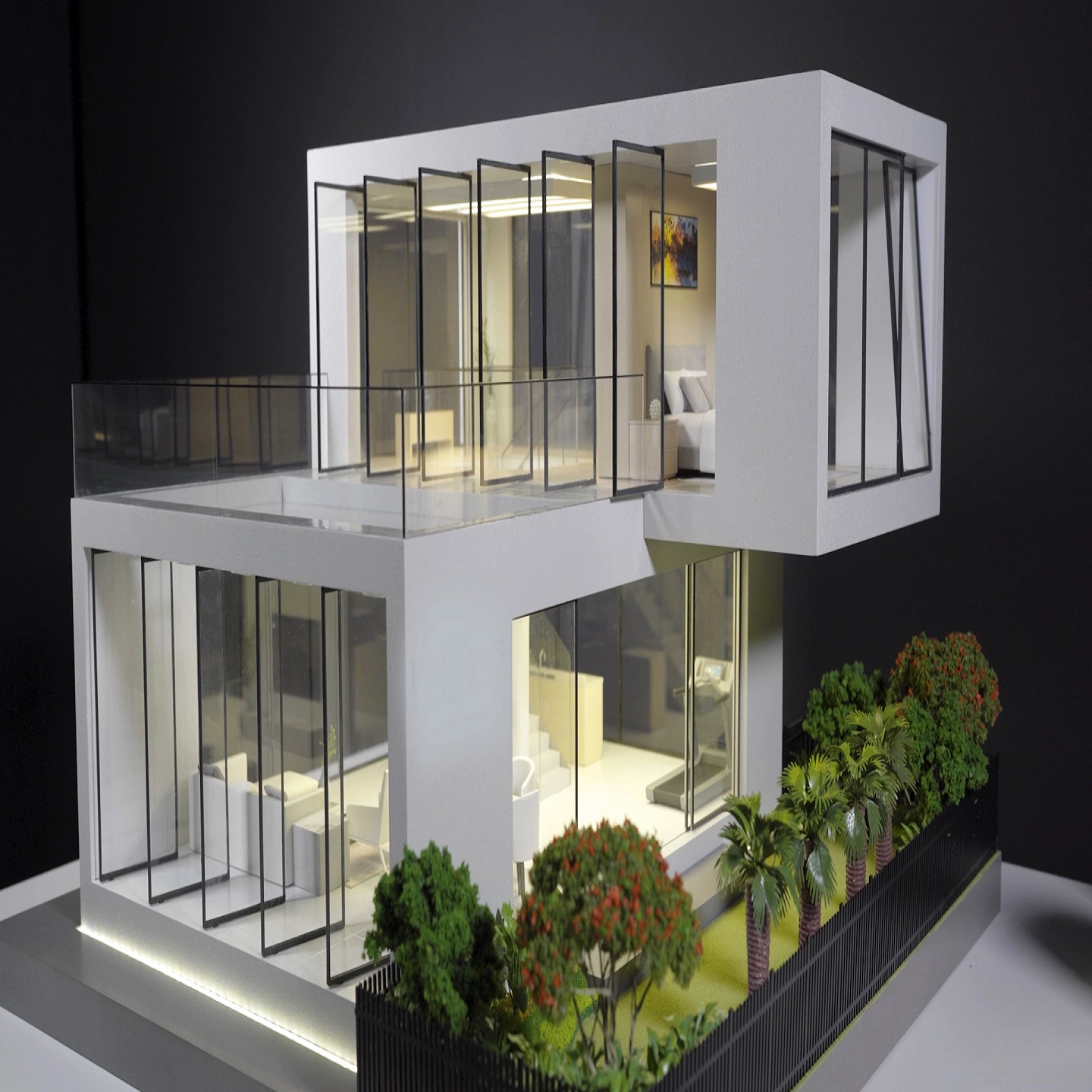
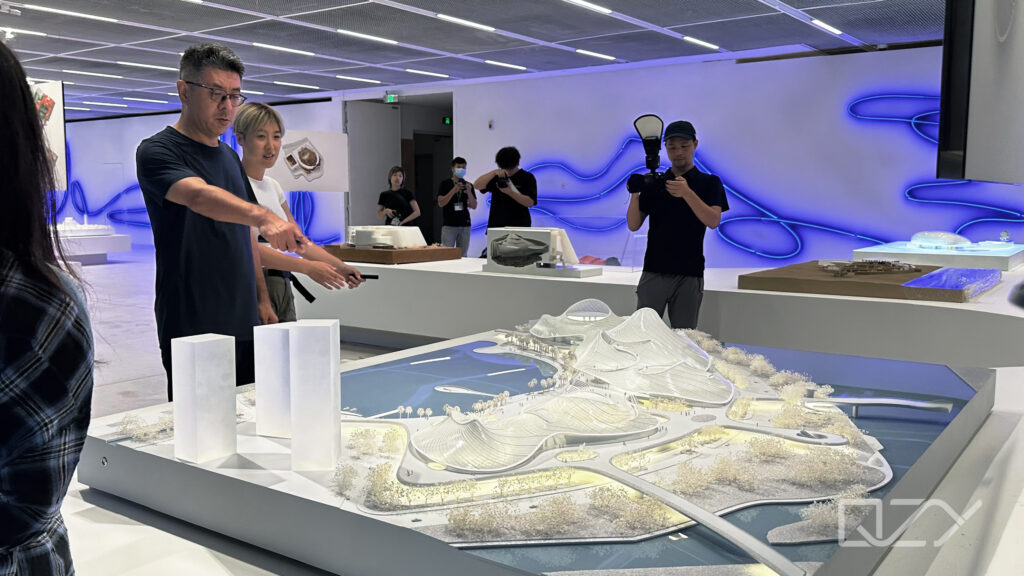
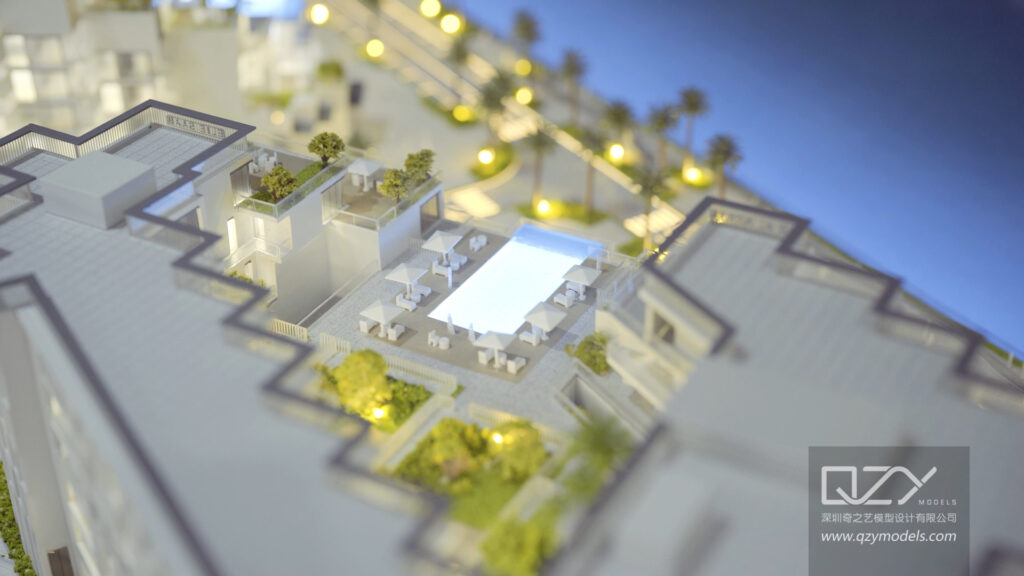
A model maker is responsible for creating precise, three-dimensional physical representations of designs or concepts using various materials and techniques. By transforming blueprints or digital plans into detailed prototypes, they help visualize, test, and communicate ideas in fields such as architecture, industrial design, and media.
What Is the Role of a Model Maker?
A model maker crafts accurate physical models that represent designs, products, or structures. Starting with technical drawings or digital designs, they choose appropriate materials like wood, plastic, metal, or resin, and use sophisticated tools including 3D printers and CNC machines. Their role demands technical skill and attention to detail to ensure precision in both scale and appearance.
Model makers are essential across various industries including architecture, product design, film, and medical education. They create models used for presentations, functional testing, marketing, or educational purposes, helping stakeholders make informed decisions based on tangible, visualized concepts.
How Do Model Makers Collaborate with Other Professionals?
Model makers collaborate with architects, engineers, designers, and project managers to ensure their models align with the intended design vision. They interpret blueprints and adjust the model based on feedback throughout the process. Effective communication ensures that the model’s scale, functionality, and aesthetic details meet both design intent and technical requirements.
Collaboration often includes problem-solving to address design challenges or material limitations. Model makers adapt to meet deadlines and project goals, while also presenting finished models to clients or stakeholders to highlight key features.
What Materials and Techniques Are Used by Model Makers?
Model makers utilize a wide variety of materials including foam, wood, plastics, acrylics, resins, and metals, along with advanced 3D-printed components. Traditional techniques like sculpting, woodworking, casting, and mold-making, as well as modern methods like CNC machining and additive manufacturing (3D printing), are commonly employed.
The choice of materials and techniques depends on the model’s purpose—whether for architectural representation, product prototyping, or visual effects. Technological advancements allow for more precise and complex models, enhancing their realism and functionality.
Why Are Model Makers Important in Architecture and Industrial Design?
Model makers play a vital role in transforming abstract concepts into tangible models, aiding architects and industrial designers in visualizing spatial relationships, product ergonomics, and aesthetic details. In architecture, physical models assist in presentations, urban planning, and public exhibitions, making complex designs more accessible.
In industrial design, models are crucial for prototype testing, functional assessments, and refining designs before mass production. Model makers help identify design flaws early, reducing risks and facilitating collaborative improvements.
| Industry | Typical Model Purpose | Materials Used | Techniques Employed |
|---|---|---|---|
| Architecture | Scale models for presentations, planning | Foam, wood, acrylic, resin | Sculpting, CNC, 3D printing |
| Industrial Design | Prototypes for usability and function tests | Plastic, metal, 3D-printed | CNC machining, casting |
| Film & TV | Miniature sets, props | Foam, resin, fiberglass | Mold-making, painting |
| Medical | Anatomical models for education | Plastic, silicone, 3D-print | Sculpting, molding |
How Does Technology Influence Model Making?
Technology has greatly influenced the field of model making with tools like CAD (Computer-Aided Design), CAM (Computer-Aided Manufacturing), CNC machines, and 3D printers. These advancements allow for the creation of highly accurate and complex models faster and more efficiently than traditional methods.
Digital tools enable designers to directly transfer virtual blueprints to machines, ensuring precise dimensions and repeatability. Technology also expands the possibilities for material choices and details, resulting in more realistic and functional models.
Who Uses Model Makers’ Services?
Model makers are essential to a broad range of clients, including architectural firms, real estate developers, urban planners, interior designers, industrial design companies, film studios, educational institutions, and private collectors. These clients rely on model makers to create high-quality models that help communicate design vision, test concepts, or educate audiences.
QZY Models, for instance, serves a global clientele, including prestigious architectural firms like Foster + Partners and major developers like Vanke, delivering models with exceptional craftsmanship and precision to meet diverse project needs.
Where Do Model Makers Typically Work?
Model makers typically work in specialized workshops, design studios, manufacturing facilities, or within architecture and design firms. Some companies, like QZY Models, which operates internationally with branches in Shenzhen, UAE, Saudi Arabia, and Egypt, cater to clients across multiple continents.
Modern model-making studios combine traditional craftsmanship with cutting-edge technology to ensure quality and efficiency, supporting a range of industries and project types.
What Challenges Do Model Makers Face?
Model makers face challenges such as material limitations, tight deadlines, design changes, and maintaining high levels of detail accuracy. They must be adaptable and resourceful, finding solutions to scaling issues or material fragility.
Balancing craftsmanship with production timelines requires careful planning, efficient workflows, and ongoing communication with project teams to ensure client expectations are met without compromising quality.
What Value Does QZY Models Bring as a Model Making Specialist?
QZY Models combines over 20 years of expertise with advanced technology to deliver architectural and industrial models of superior quality. Their global presence and experience working with top-tier clients like Foster + Partners demonstrate their commitment to precision, innovation, and customer satisfaction.
By blending skilled craftsmanship with state-of-the-art production methods, QZY Models ensures every model is a unique communication tool that enhances presentations and decision-making for their clients.
QZY Models Expert Views
“At QZY Models, we believe every model is a bridge between imagination and reality. Our team merges advanced technologies with traditional craftsmanship to create models that not only represent designs accurately but also inspire confidence and clarity for our clients worldwide. Our passion lies in transforming complex concepts into detailed, functional prototypes that accelerate decision-making and project success.” — Richie Ren, Founder, QZY Models
What Skills Are Essential for a Model Maker?
Essential skills for a model maker include precision craftsmanship, familiarity with various materials and tools, strong spatial awareness, and technical proficiency in CAD and CAM software. Creativity and problem-solving abilities are crucial for adapting designs and overcoming construction challenges.
Effective communication is also important for collaborating with design teams, interpreting technical documents, and presenting models clearly to clients.
How Can One Become a Professional Model Maker?
Becoming a model maker typically involves formal training in industrial design, woodworking, or a related field, along with hands-on experience. Many start as apprentices or technicians, learning both traditional and digital model-making techniques.
Building a portfolio that demonstrates precise craftsmanship, proficiency in 3D printing, and versatility with materials is essential for securing roles in architectural firms, industrial companies, or specialized model-making studios like QZY Models.
FAQ
Complete Guide to the Role of a Model Maker in Modern Industries?
A model maker transforms concepts into accurate physical prototypes for architecture, products, and exhibitions. They interpret drawings, select materials, build scaled models, and refine details for presentation or testing. This role requires technical precision, creativity, and strong collaboration with designers and engineers to ensure visual and functional accuracy.
Essential Skills and Qualifications Every Model Maker Needs?
A professional model maker needs technical drawing interpretation, handcraft skills, and knowledge of 3D modeling software. Attention to detail, problem-solving ability, and material expertise are essential. Formal training in design, engineering, or fabrication is helpful, along with a strong portfolio demonstrating practical experience and high-quality model construction.
Tools and Equipment Used by Professional Model Makers?
Common tools include precision hand tools, laser cutters, CNC machines, and 3D printers. Model makers also use adhesives, specialty plastics, wood, acrylics, and metals. Digital fabrication tools improve accuracy, while traditional tools ensure fine detailing. Choosing the right equipment depends on project scale, complexity, and required finish quality.
Where Do Model Makers Work and Why Do They Matter?
Model makers work in architecture firms, real estate development, industrial design studios, film production, and exhibitions. They create visual and functional prototypes that support design validation, marketing, and presentations. Physical models improve communication, reduce design risks, and help stakeholders clearly understand projects before construction or manufacturing begins.
Model Maker Salary Trends and Career Growth Opportunities?
Salary levels vary by experience, specialization, and industry. Entry-level roles focus on assistant fabrication, while senior model makers manage complex projects. Career growth can lead to lead model maker, workshop manager, or independent specialist. Demand remains strong in architecture, product development, and international design markets.
How to Become a Professional Model Maker Step by Step?
Start with education in design, architecture, engineering, or fabrication. Build practical skills through workshops, internships, or apprenticeships. Develop proficiency in digital tools like CAD and 3D modeling software. Create a professional portfolio showcasing precision, creativity, and completed projects. Continuous learning and hands-on experience are critical for success.
What Is the Step by Step Model Making Process?
The process begins with reviewing design drawings, followed by planning scale and materials. Next comes fabrication using cutting, shaping, and assembling techniques. After construction, models undergo detailing, finishing, and quality inspection. Effective communication with designers ensures accuracy, functionality, and alignment with project goals.
What Are the Different Types of Model Making Explained Clearly?
Common types include architectural models, industrial prototypes, presentation models, and scale replicas. Architectural models visualize buildings and urban plans. Industrial prototypes test product concepts. Presentation models support marketing and exhibitions. Each type serves a specific purpose in design development, communication, and stakeholder approval processes.