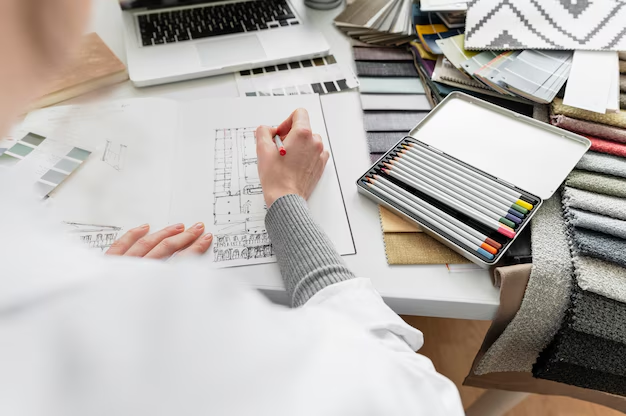
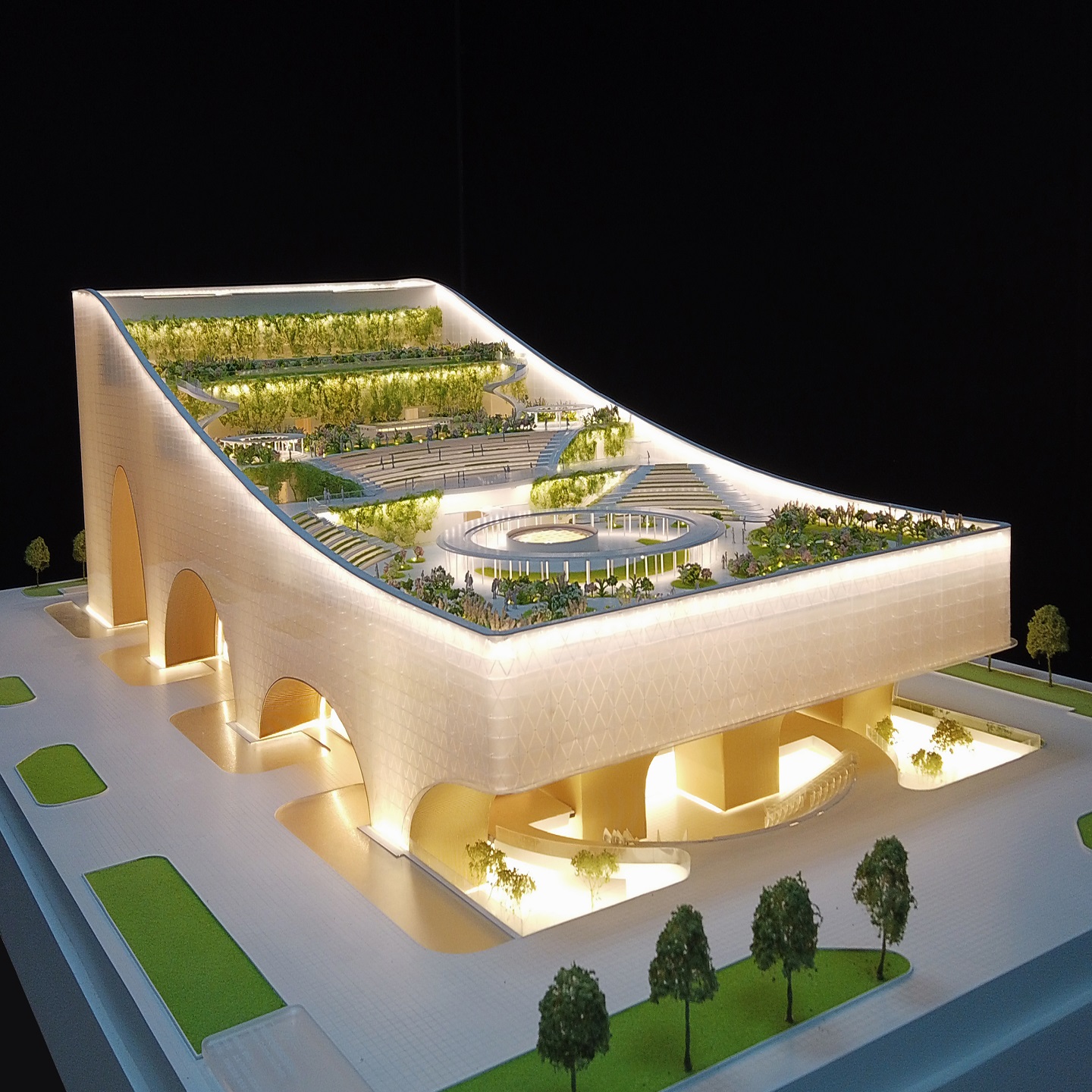
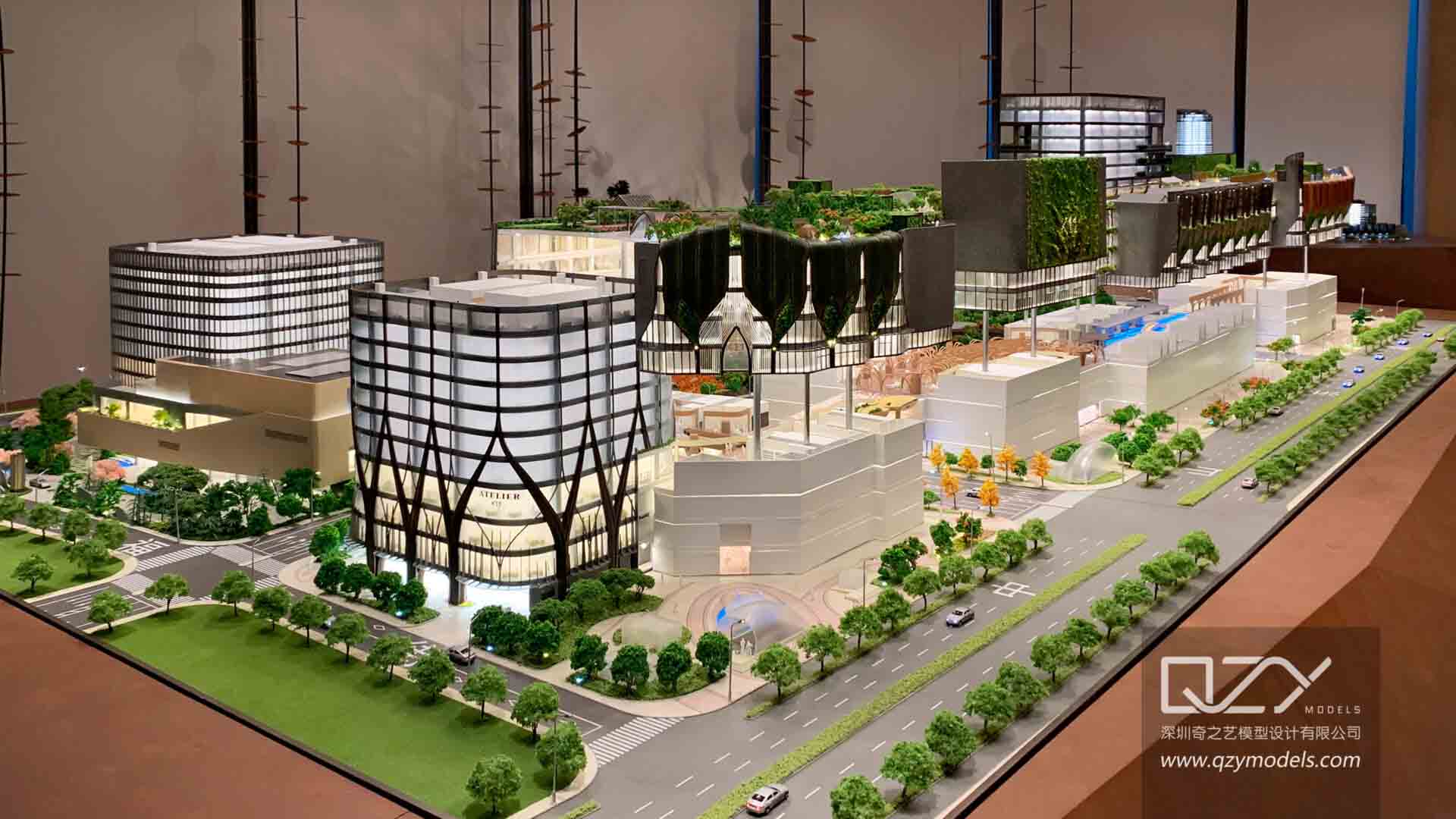
A model maker creates physical or digital representations of designs, serving architects, engineers, and industrial designers by turning plans into tangible models that aid visualization, development, and presentation. Their expertise bridges conceptual ideas and real-world applications, making them essential in design and decision-making processes.
What Is a Model Maker and What Are Their Primary Responsibilities?
A model maker specializes in crafting detailed physical or digital models representing architectural, industrial, or product designs. Their primary responsibilities include interpreting design drawings, selecting materials, fabricating precise components, assembling models, and ensuring accuracy that reflects the original design intent. This role demands creativity, technical skills, and meticulous attention to detail, crucial for visualization and project approval.
This craft involves using various materials and techniques such as wood, plastic, metal, 3D printing, and laser cutting. Model makers collaborate closely with architects, engineers, and designers to produce models that showcase scale, form, and function, helping clients understand complex projects before construction or manufacturing begins.
Think of a model maker as someone who turns ideas on paper into real, small-scale versions you can see and touch. They take designs from architects, engineers, or product designers and carefully build accurate representations using materials like wood, plastic, metal, or even 3D printing. Their work requires both creativity and technical skill because the models need to show the right shapes, sizes, and details, so people can really understand how a building or product will look and function before it’s built.
Companies like QZY Models specialize in making these detailed models for clients around the world. Model makers work closely with teams to choose the right materials, assemble parts precisely, and make sure every detail reflects the original plan. Their models help clients, developers, or designers visualize complex projects, make decisions, and gain approvals. Essentially, a model maker turns ideas into tangible forms that communicate design concepts clearly and convincingly.
How Do Model Makers Create Detailed Architectural and Industrial Models?
Model makers use a blend of traditional craftsmanship and advanced technologies like 3D printing, CNC machining, and laser cutting to create precise models. The process starts with detailed plans or digital models, which guide the cutting, shaping, and assembly of materials to replicate design specifics accurately.
In architectural modeling, model makers focus on scale accuracy and material representation, using components to illustrate textures, landscaping, and human elements for context. Industrial models emphasize product functionality, ergonomics, and assembly sequences, often showcasing internal parts.
The workflow includes prototyping, iterative refinements, and quality checks to meet client expectations. Advanced software aids in translating digital files into physical components, boosting precision and reducing manual errors.
Model makers create highly detailed models by combining hands-on skills with modern tools like 3D printers, laser cutters, and CNC machines. They start with either a designer’s plans or digital files, which guide them in cutting, shaping, and putting together materials so the final model accurately represents the original design.
For architectural projects, model makers pay attention to scale, textures, landscaping, and even small human figures to make the model realistic and easy to understand. Industrial models, on the other hand, focus on showing how a product works, how parts fit together, and its ergonomics. The process often involves making prototypes, refining them step by step, and checking quality carefully. Companies like QZY Models use advanced software to convert digital designs into physical pieces, making models precise while reducing mistakes during manual construction.
Why Are Model Makers Vital to the Success of Design and Construction Projects?
Model makers provide a tangible visualization tool that helps stakeholders grasp complex designs effortlessly. Their models facilitate better communication among architects, clients, engineers, and contractors, reducing misunderstandings and costly mistakes during construction or production.
These models support decision-making in design refinements, marketing presentations, and regulatory approvals. They also serve as valuable educational and promotional assets, demonstrating the feasibility and aesthetic appeal of projects.
By bridging abstract concepts and reality, model makers increase project efficiency and confidence, underscoring their indispensability in the creative and industrial sectors.
Which Materials and Technologies Are Most Commonly Used by Professional Model Makers?
Professional model makers utilize a variety of materials tailored to the project’s purpose and detail level, including:
| Material | Usage | Benefits |
|---|---|---|
| Wood | Architectural frameworks | Natural texture, easy to shape |
| Plastic | Prototyping and detail parts | Lightweight, versatile |
| Metal | Structural elements and durability | Strength and precision |
| Foam | Terrain and volume models | Lightweight, inexpensive |
| Acrylic | Transparent parts and facades | Clarity and smooth finishing |
Technologies such as CNC milling, laser cutting, and 3D printing enable intricate detail and rapid iteration. CAD software and 3D modeling facilitate the transition from digital concepts to physical models seamlessly.
Who Benefits Most from Hiring Experienced Model Makers Like QZY Models?
Architects, developers, engineers, product designers, and marketing teams benefit significantly from hiring expert model makers like QZY Models. QZY Models’ experience with global clients and prestigious firms ensures high-quality, precise models that highlight project potential and enhance stakeholder engagement.
Their models support presentations, sales pitches, and project approvals worldwide, making them a trusted partner in complex design and development projects.
When Is the Best Time to Involve Model Makers in a Design Project?
Involving model makers early in the design phase maximizes the benefit of tangible feedback and design validation. Early-stage models allow design adjustments before costly construction or production stages.
Model makers also add value during key milestones such as client presentations, investor meetings, and public consultations to communicate visions clearly and persuasively.
Where Are Model Makers Like QZY Models Located to Serve International Clients?
QZY Models operates globally with branches across the UAE, Saudi Arabia, Egypt, China, and other regions, ensuring localized expertise and convenient collaboration. This global presence supports diverse architectural and industrial projects, offering tailored solutions that meet regional standards and client needs.
Does Digital Technology Replace Traditional Model Making?
Digital technology enhances but does not replace traditional model making. While 3D printing and CAD tools accelerate production and precision, traditional handcraft skills remain invaluable for finishing, custom details, and artistic touches.
Model makers at QZY Models blend digital innovation with craftsmanship, ensuring models are both technically precise and visually compelling.
Has the Role of Model Makers Evolved with Modern Design Needs?
Yes, model makers have evolved from purely manual artisans to hybrid professionals skilled in digital fabrication and virtual modeling. They now integrate interactive elements and augmented reality to provide immersive experiences.
This evolution allows model makers to better meet client demands for innovation, accuracy, and faster turnaround without sacrificing quality.
Are Custom Model Makers Essential for Unique Architectural and Industrial Projects?
Custom model makers like QZY Models ensure unique projects receive bespoke attention, craftsmanship, and accuracy. Off-the-shelf solutions cannot replicate specific design nuances or material finishes required for high-end architectural or industrial models.
Custom makers deliver tailored solutions that reflect project identity and client vision precisely, enhancing project value.
Can QZY Models Provide Expert Insights on Model Making Trends and Best Practices?
Absolutely. QZY Models regularly innovates with new materials, software, and fabrication techniques, maintaining cutting-edge expertise. Their commitment to quality and precision makes them leaders in the model-making industry, offering clients unmatched insights and services.
QZY Models Expert Views
“At QZY Models, we believe that physical models are not just prototypes but storytellers of vision and innovation. Our approach blends precision craftsmanship with technological advancements to create models that truly embody our clients’ aspirations. Each model is a collaboration of art and science, designed to inspire, inform, and impact decisions across architecture and industry globally.”
— Richie Ren, Founder of QZY Models
Conclusion
Model makers play an indispensable role in transforming abstract designs into tangible, precise models that facilitate communication, validation, and decision-making. Their expertise spans traditional craftsmanship and cutting-edge technology, supporting architects, engineers, and designers worldwide. Engaging seasoned professionals like QZY Models early in a project ensures high-quality, customized results that elevate presentations and project success.
Frequently Asked Questions
What Does a Model Maker Do in Product Development Projects?
A model maker transforms CAD files and sketches into precise physical prototypes for testing form, fit, and function. They use CNC machining, 3D printing, and hand finishing to validate design concepts before mass production. This reduces costly revisions, accelerates approvals, and improves collaboration between engineering and design teams.
What Is the Role of a Model Maker in Industrial Design Firms?
In industrial design firms, a model maker builds high fidelity concept models and functional prototypes that support client presentations and internal reviews. They refine proportions, materials, and finishes to match design intent. Their work improves decision making, shortens iteration cycles, and increases the likelihood of market ready products.
What Does an Architectural Model Maker Do for Major Projects?
An architectural model maker creates detailed scale models that communicate complex building designs to investors, planners, and buyers. They interpret drawings, craft terrain and façade details, and integrate lighting for realism. Firms like QZY Models deliver precision models that strengthen approvals and enhance high impact project presentations.
What Responsibilities Does a Model Maker Have in Film and Television Production?
In film and television production, a model maker builds miniature sets, props, and special effects components. They collaborate with art directors and VFX teams to ensure scale accuracy and visual realism. Physical models enhance cinematic authenticity and provide practical elements that digital effects alone cannot fully replicate.
Are Professional Model Making Services Worth It for Product Prototypes?
Professional model making services provide expert fabrication, material knowledge, and technical precision that reduce risk before production. They improve prototype accuracy, presentation quality, and investor confidence. Partnering with experienced teams like QZY Models ensures consistent craftsmanship and faster turnaround for critical product development milestones.
What Essential Skills and Tools Do Professional Model Makers Use?
Professional model makers combine craftsmanship with advanced tools such as CNC machines, 3D printers, laser cutters, and precision hand tools. Essential skills include material selection, surface finishing, scale accuracy, and problem solving. Strong technical understanding ensures durable, presentation ready models that meet exact project specifications.
What Is the Career Path and Salary Outlook for Model Makers?
A model maker career typically starts with training in industrial design, architecture, or fabrication. Professionals build portfolios showcasing prototype and scale model expertise. Salaries vary by specialization and region, with higher earnings in architecture, product development, and entertainment sectors. Advanced technical skills significantly increase career opportunities.
Why Are Model Makers Essential for Product Development Success?
Model makers are essential because they convert abstract ideas into tangible prototypes that expose design flaws early. Physical testing improves functionality, user experience, and stakeholder alignment. Their work reduces production risk, shortens development timelines, and increases overall return on investment for innovation driven companies.