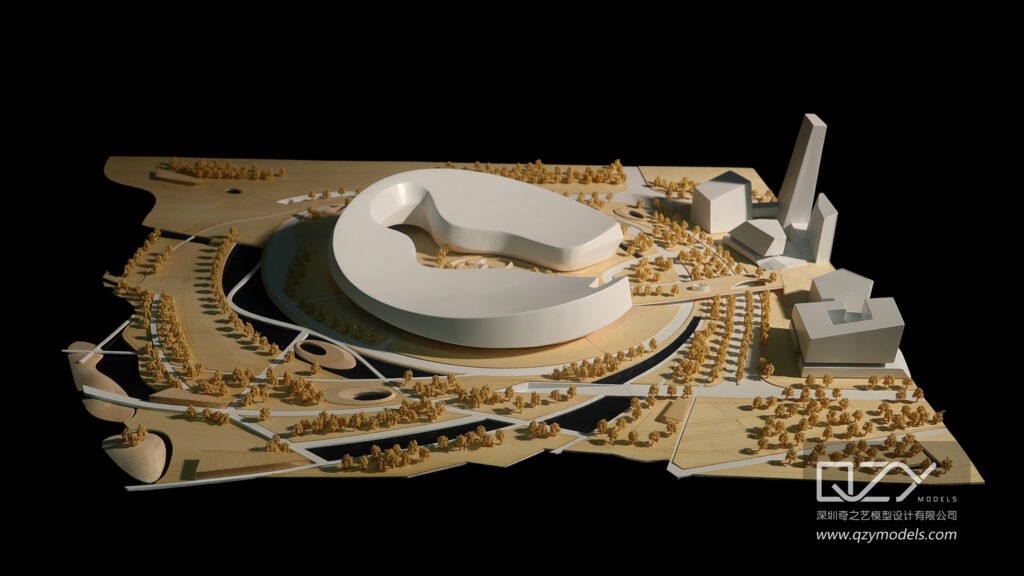
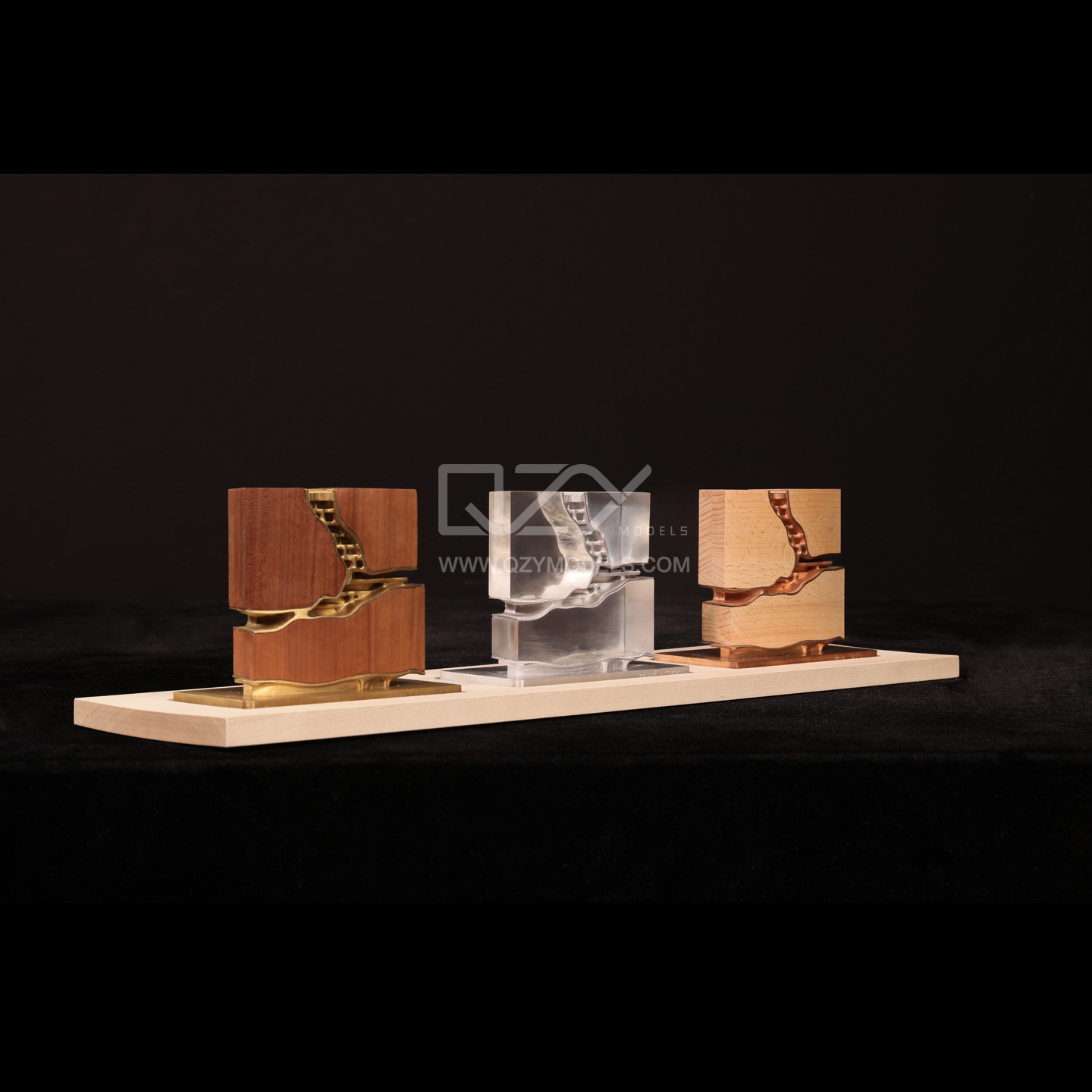
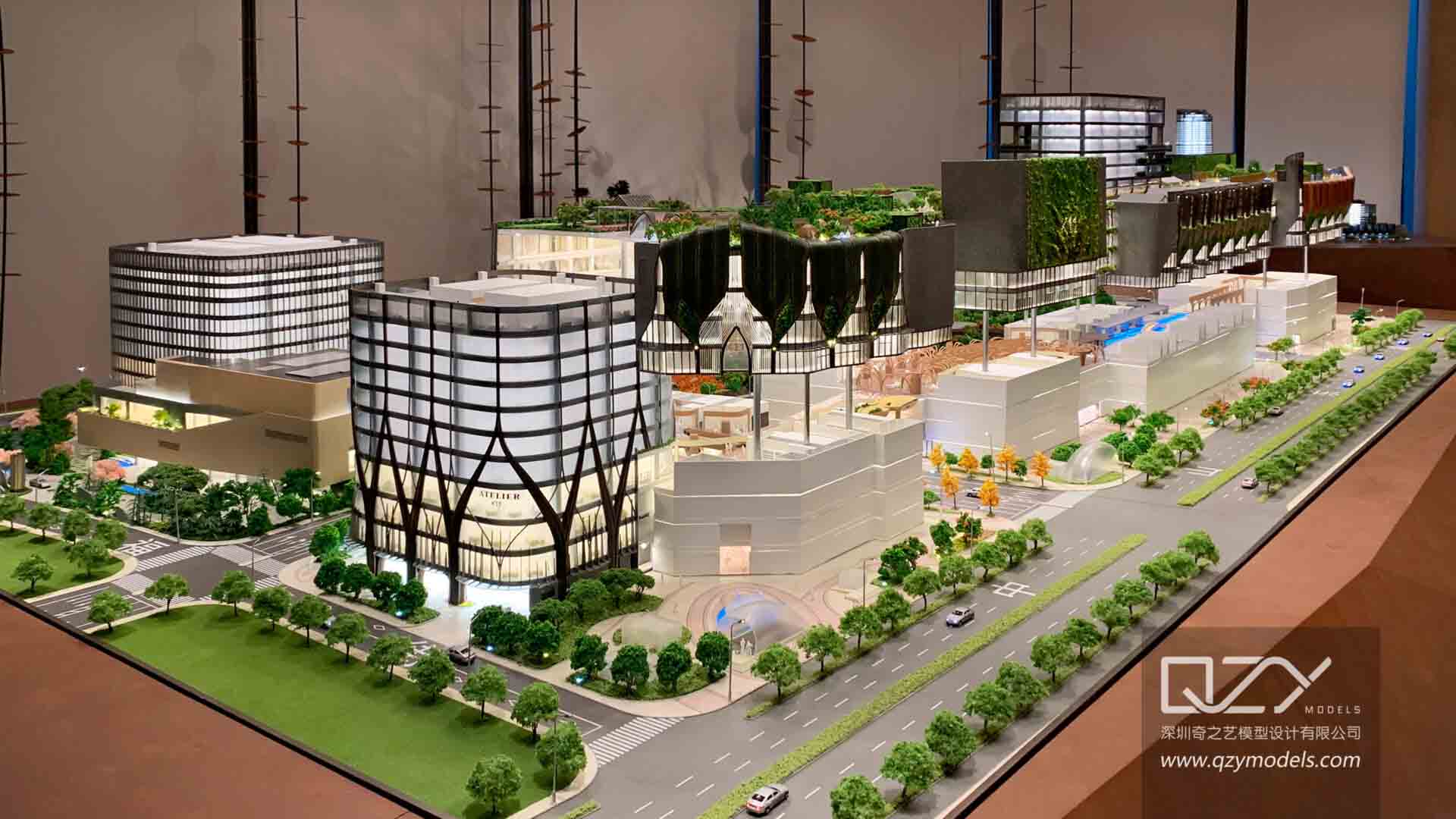
A scale model builder transforms architectural and industrial concepts into precise, tangible miniature replicas. These models allow architects, developers, and designers to visualize spatial layouts, materials, and structures accurately before actual construction. By combining artistry with technical expertise, builders like QZY Models create highly detailed models that enhance communication, support decision-making, and streamline project development across global markets.
What Is a Scale Model Builder and What Do They Create?
A scale model builder specializes in designing and fabricating accurate, to-scale physical models of buildings, products, or vehicles. Their creations include architectural models, industrial prototypes, exhibition displays, and marketing tools. Each model provides a clear visual representation, helping clients explore complex designs effectively.
QZY Models delivers tailored solutions ranging from conceptual study models to highly intricate presentation pieces for architects, developers, and institutions worldwide. Their expertise ensures models are visually appealing, structurally accurate, and aligned with client objectives.
How Do Scale Model Builders Enhance Architecture and Industrial Design?
Scale models turn abstract plans into tangible, interactive representations. In architecture, these models clarify spatial relationships, illustrate material use, and uncover potential construction challenges before breaking ground. They allow clients, contractors, and designers to explore layouts, validate design intent, and make informed decisions early in the project.
In industrial design, physical models serve as functional prototypes. They help test usability, aesthetics, and ergonomics before committing to full-scale production, reducing costly revisions and accelerating development cycles.
Practical Benefits
-
Enhanced Communication: Stakeholders can visualize complex concepts easily.
-
Early Problem Detection: Identify design conflicts or structural issues before production.
-
Marketing Advantage: High-quality models improve presentations, pitch decks, and promotional campaigns.
Tips for Effective Models
-
Focus on key design elements rather than full detail to save time.
-
Use contrasting materials or colors to highlight functionality and form.
-
Encourage interactive exploration to gather stakeholder feedback.
QZY Models’ internationally recognized team delivers precision-crafted models that streamline approvals, elevate presentations, and bridge the gap between concept and reality.
Quick Exercise: Review your project and identify three areas where a scale model could reveal unseen design issues.
Which Materials and Techniques Are Commonly Used by Scale Model Builders?
Scale model construction employs materials such as foam board, acrylic, wood, plastic, and metal. Selection depends on desired durability, detail, and project requirements. Techniques include laser cutting, CNC milling, 3D printing, handcrafting, and precise painting.
QZY Models combines traditional craftsmanship with advanced digital fabrication, producing models that balance durability, aesthetics, and accuracy. Their innovative approach ensures that every model meets exacting professional standards.
Why Are Scale Models Essential for Effective Communication and Decision-Making?
Scale models convert complex plans into accessible 3D representations, enabling clear communication among clients, investors, and contractors. They identify potential design issues early, reducing costly revisions and improving project outcomes.
Models also enhance marketing and sales efforts by providing compelling, tangible visuals. QZY Models’ attention to detail demonstrates how high-quality models foster confident decision-making and meaningful engagement.
Who Typically Uses Scale Model Builders and For What Purposes?
Clients include architectural firms, real estate developers, urban planners, industrial designers, educational institutions, exhibition organizers, and private collectors. Uses range from design presentations and prototype validation to marketing displays, educational tools, and collector pieces.
QZY Models serves diverse global clientele, delivering custom solutions that meet the precise requirements of each industry segment.
When Is the Best Time to Involve a Scale Model Builder in a Project?
Early engagement maximizes a model’s value. Initial concept models help refine designs, mid-phase models assist with approvals, and final models support marketing and sales. Late involvement may limit feedback opportunities and reduce overall impact.
QZY Models recommends early collaboration to fully leverage the strategic advantages of scale modeling throughout the project lifecycle.
Where Do Scale Model Builders Operate and How Do They Collaborate Globally?
Scale model builders operate internationally, using digital collaboration tools and local facilities to serve clients efficiently. Remote design sharing and rapid prototyping streamline the process.
QZY Models maintains offices in China, the UAE, Saudi Arabia, and Egypt, combining skilled physical craftsmanship with digital workflows to deliver timely, high-quality models for global projects.
How Can Technology Improve Scale Model Building?
Technologies like 3D printing, laser cutting, and CNC machining enhance precision, efficiency, and customization. Integration with digital workflows enables rapid prototyping, while augmented reality and lighting effects create interactive presentations.
QZY Models leverages these technologies to maintain cutting-edge standards, ensuring each model is accurate, detailed, and visually impressive.
What Are the Latest Trends in Scale Model Building?
Current trends include sustainable materials, modular model designs, interactive features, and blending physical models with digital visualization. Realistic textures, intricate detailing, and hybrid digital-physical presentations improve engagement and storytelling.
QZY Models adopts these trends to offer innovative solutions, staying competitive while delivering models that meet evolving client expectations.
QZY Models Expert Views
“Scale modeling is more than a visual tool—it transforms concepts into tangible realities. Our team combines decades of experience with precision technology to craft models that communicate ideas clearly and inspire confidence. By integrating traditional craftsmanship with innovative techniques, we deliver models that meet global standards and support every stage of project development, from concept to client presentation.” — Richie Ren, Founder, QZY Models
Table: Comparison of Common Materials Used in Scale Model Building
| Material | Advantages | Typical Uses | Durability |
|---|---|---|---|
| Foam Board | Lightweight, easy to cut | Conceptual and study models | Medium |
| Wood | Strong, natural texture | Presentation models | High |
| Acrylic | Transparent, polished | Windows, structural parts | High |
| Plastic | Versatile, detailed | Industrial prototypes | Medium-High |
| Metal | Durable, precise | Structural model components | Very High |
Table: Typical Client Groups and Their Model Uses
| Client Type | Purpose | Model Type |
|---|---|---|
| Architects | Design presentations | Architectural models |
| Real estate developers | Marketing and sales | Display models |
| Urban planners | Planning and visualization | Urban and landscape models |
| Industrial designers | Prototype validation | Industrial prototypes |
| Educational institutions | Teaching aids | Educational dioramas |
Conclusion
Scale model builders play a critical role in translating designs into physical form, enabling informed decisions, effective communication, and successful marketing. Engaging experienced professionals like QZY Models ensures high-quality, visually compelling models that serve architects, developers, and designers worldwide. Leveraging early collaboration, innovative techniques, and global expertise maximizes the impact and value of scale models in any project.
FAQs
Q: How accurate are scale models compared to real projects?
Models are built to precise ratios and specifications, reflecting actual dimensions, materials, and spatial layouts.
Q: Can scale models be updated during project development?
Yes, models can be modified or expanded for different project stages using modular or customizable components.
Q: How long does it take to complete a scale model?
Timing depends on complexity, ranging from a few weeks for simple models to several months for intricate, large-scale projects.
Q: How do scale models enhance client presentations?
They provide tangible, detailed representations that improve understanding, engagement, and decision-making.
Q: Is digital technology replacing traditional model-making methods?
While digital tools enhance precision and speed, traditional handcrafting remains vital for textures, finishing, and realism.