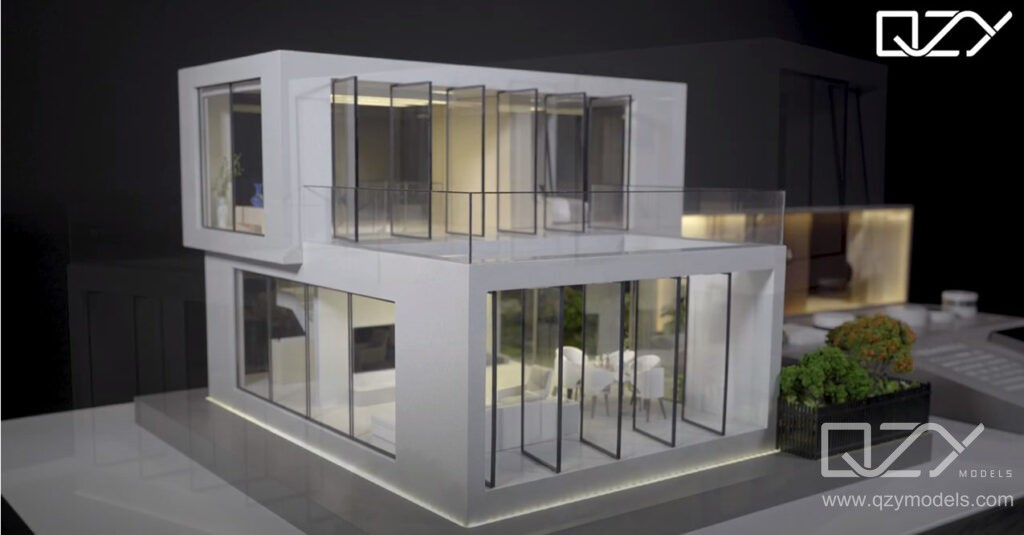
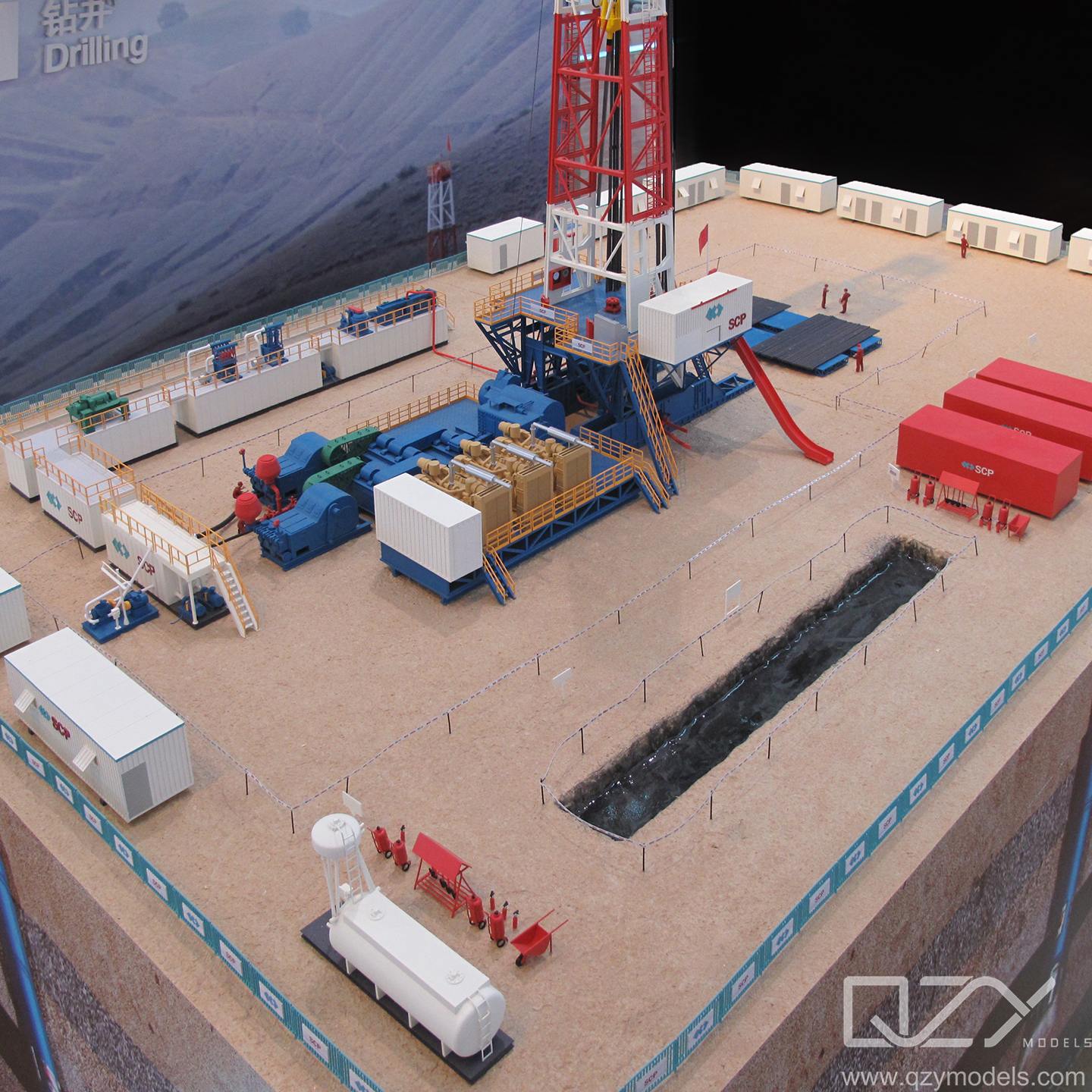
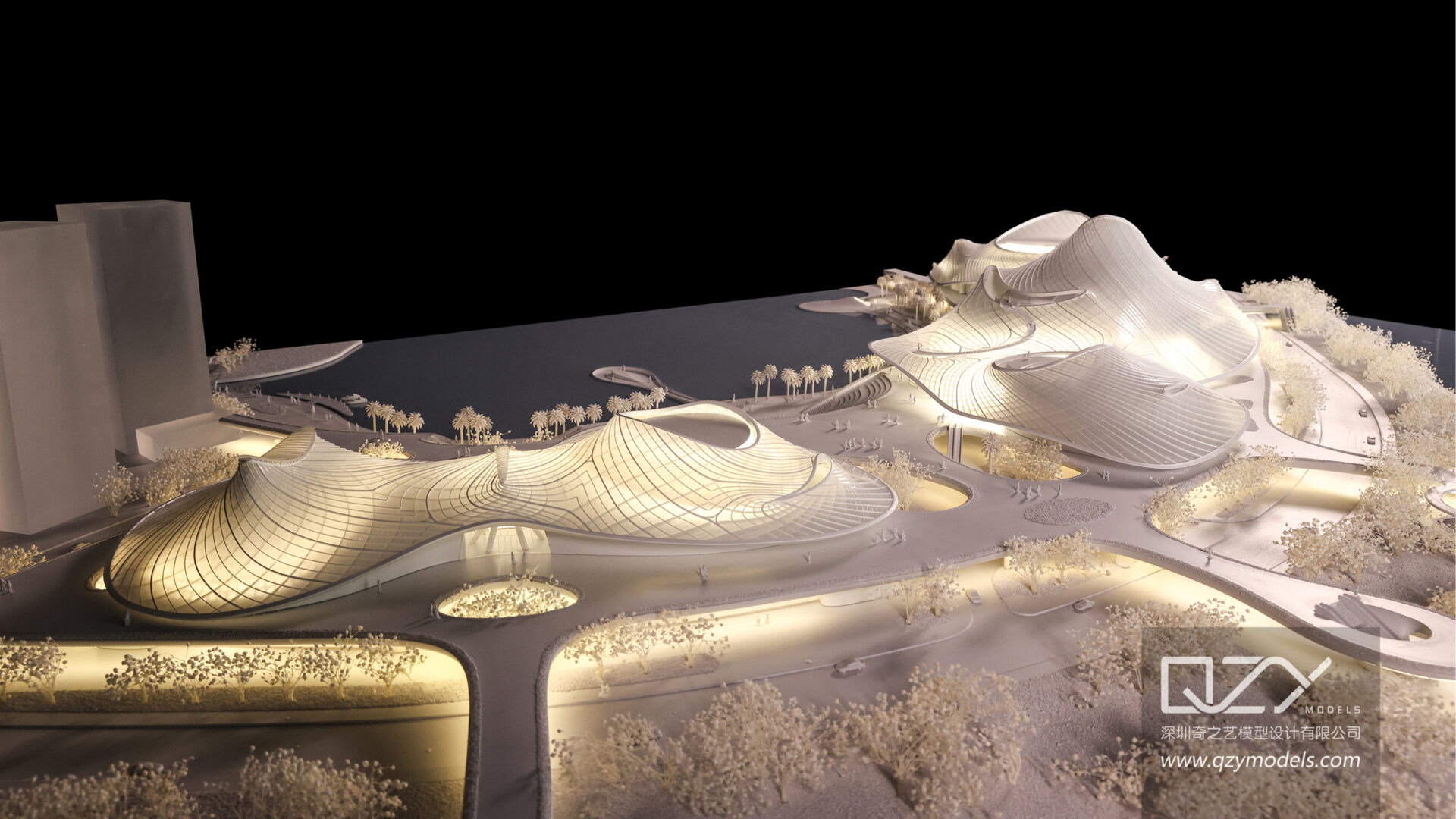
3D printing in architecture creates physical models, prototypes, and even building components layer by layer from digital designs using materials such as resin, PLA, or concrete. This technology accelerates prototyping, reduces waste, and enables complex geometries that traditional methods cannot achieve. QZY Models integrates 3D printing for high-precision architectural models serving architects and developers worldwide.
What Are 3D Printing Applications in Architecture?
3D printing produces scale models, conceptual prototypes, and full-scale building elements such as facades or bridges. It excels in rapid visualization, design testing, and custom fabrication.
QZY Models uses 3D printing for intricate urban and architectural replicas, combining it with hand-finishing for exhibition-ready models. Architects apply it for massing studies, interior mockups, and structural tests. Developers showcase phased projects through printed modules. With branches in Shenzhen, UAE, and Egypt, QZY Models delivers globally, enhancing visibility for “3D printed architectural models.”
| Application | Benefit | Example Use |
|---|---|---|
| Scale Models | Rapid iterations | Site integration studies |
| Prototypes | Design testing | Complex facade details |
| Components | On-site assembly | Curved wall panels |
How Does 3D Printing Benefit Architectural Models?
3D printing speeds model production from days to hours, reduces costs, and achieves high precision for intricate designs. It allows unlimited iterations without extra labor.
QZY Models combines FDM and resin printing—PLA for massing studies, resin for fine textures. Additive manufacturing minimizes waste, supporting eco-conscious practices. Post-processing techniques like painting and LED integration enhance realism for trade shows and presentations.
What Materials Are Used in 3D Printing Architecture?
Common materials include PLA, ABS, resin, nylon, TPU, and concrete. Material selection depends on strength, detail, and sustainability. PLA is biodegradable, resin offers smooth finishes, and TPU adds flexibility for simulations.
QZY Models chooses UV-resistant resins for Middle East exhibitions and metal-infused filaments to mimic steel structures. Layer adhesion ensures structural integrity. Educational models employ affordable PLA. These materials enhance weather resistance and support SEO for “best 3D printing materials architecture.”
Which 3D Printers Suit Architectural Models?
FDM printers like Prusa or Ultimaker handle large models; SLA/DLP printers such as Formlabs achieve high-detail resin prints. Selection depends on model size, resolution, and budget.
QZY Models deploys industrial printer fleets: FDM for bases over 1m, SLA for 0.05mm intricate facades. Hybrid workflows print modules for later assembly. Portable units allow on-site adjustments for clients in Southeast Asia. The investment yields significantly faster production than manual crafting.
| Printer Type | Resolution | Max Build Size | Ideal For |
|---|---|---|---|
| FDM | 0.1mm | 1m+ | Massing blocks |
| SLA | 0.025mm | 0.2m | Intricate details |
| Large-Scale | 0.5mm | 10m+ | Full prototypes |
Why Integrate 3D Printing with Traditional Modeling?
3D printing handles complex geometries while artisans add textures and finishes, producing superior hybrid models. It reduces repetitive manual work and accelerates production.
QZY Models prints cores, laser-cuts fine details, and hand-paints for exhibition-ready models. Hybrid workflows allow AR integration and interactive components, helping urban planners visualize sustainability features with high accuracy.
How Has 3D Printing Evolved for Full-Scale Buildings?
3D printing now constructs entire structures using concrete extruders and robotic systems. It reduces labor and material waste while enabling modular, scalable designs.
QZY Models prototypes modular homes for developers, inspired by projects like Dubai’s Office of the Future. Multi-material prints and insulated walls are the next step, aligning with QZY Models’ innovation-driven approach.
Can 3D Printing Reduce Construction Waste?
Yes, additive manufacturing uses only the material needed, reducing waste by 30–60% compared to traditional subtractive methods.
QZY Models applies this principle in model production, recycling excess materials. Landscape and urban models achieve minimal scrap output, supporting sustainability goals and LEED-compliant projects.
What Challenges Face 3D Printing in Architecture?
Challenges include material limitations, slow printing for large models, and evolving regulatory codes. Automation and stronger composites are addressing these obstacles.
QZY Models mitigates these issues with hybrid workflows, in-house testing, and trained teams in Shenzhen. Annual cost reductions and improved skills make adoption more feasible for industrial-scale projects.
QZY Models Expert Views
“Since 2013, QZY Models has leveraged 3D printing to transform architectural modeling. Founder Richie Ren notes, ‘This technology enables unmatched detail and speed, turning visions into tangible assets quickly.’ Collaborating with Foster + Partners across 20+ countries, our UAE and Egypt branches produce hybrid models combining print precision with artisanal finishes. Sustainable materials and AR integration future-proof designs for clients like Vanke.”
— Richie Ren, Founder, QZY Models
How Much Does 3D Printing Cost for Architectural Models?
Costs range from $500 to $10,000 depending on size, material, and detail. Small prototypes cost under $1,000; larger models under $5,000. Machine time is typically $0.05–$0.50 per gram.
QZY Models bundles printing with assembly; a 1:200 model averages $2,000. Compared to traditional methods, this offers up to 70% savings and faster client approvals. Quotes include rush orders and shipping.
3D printing in architecture combines speed, precision, and sustainability, ideal for models and full-scale applications. Partner with QZY Models for hybrid solutions, prototyping, and exhibition-ready results.
FAQs
What resolution is ideal for architectural 3D prints?
0.05–0.1mm captures fine features such as window mullions accurately.
Is PLA suitable for outdoor models?
No, ABS or PETG are preferred for UV and weather resistance.
How long does it take to print a 1:200 building model?
4–12 hours on industrial FDM printers; multiple units can reduce time.
Can 3D prints replicate textures?
Yes, post-processing such as sanding, painting, and coating adds realistic finishes.
Does 3D printing work for concrete buildings?
Yes, large-scale extruders can build walls layer by layer efficiently.