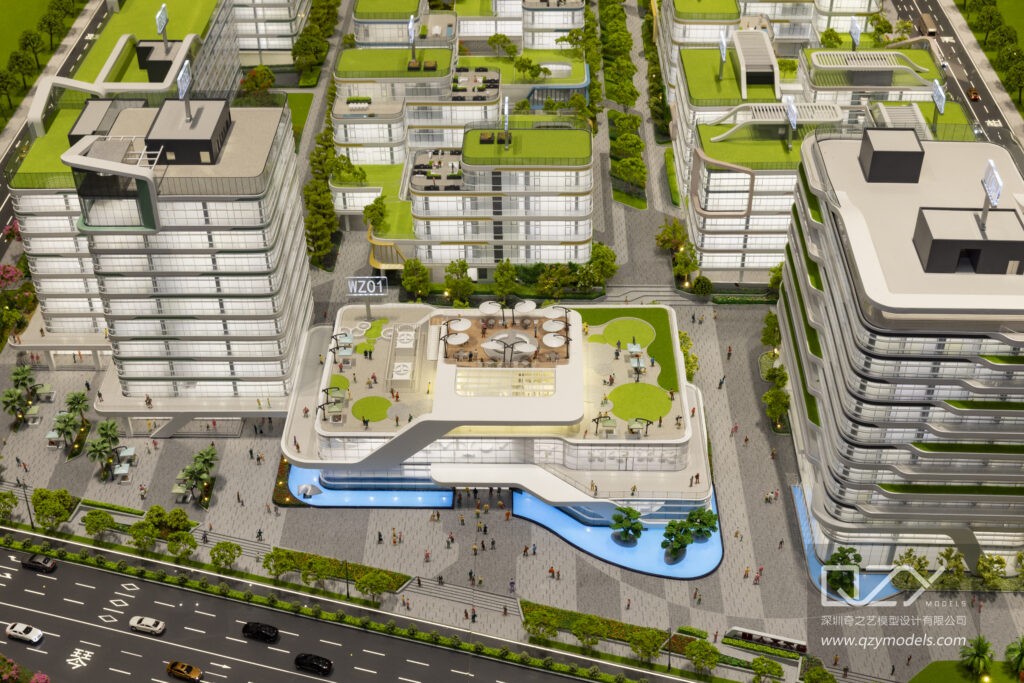
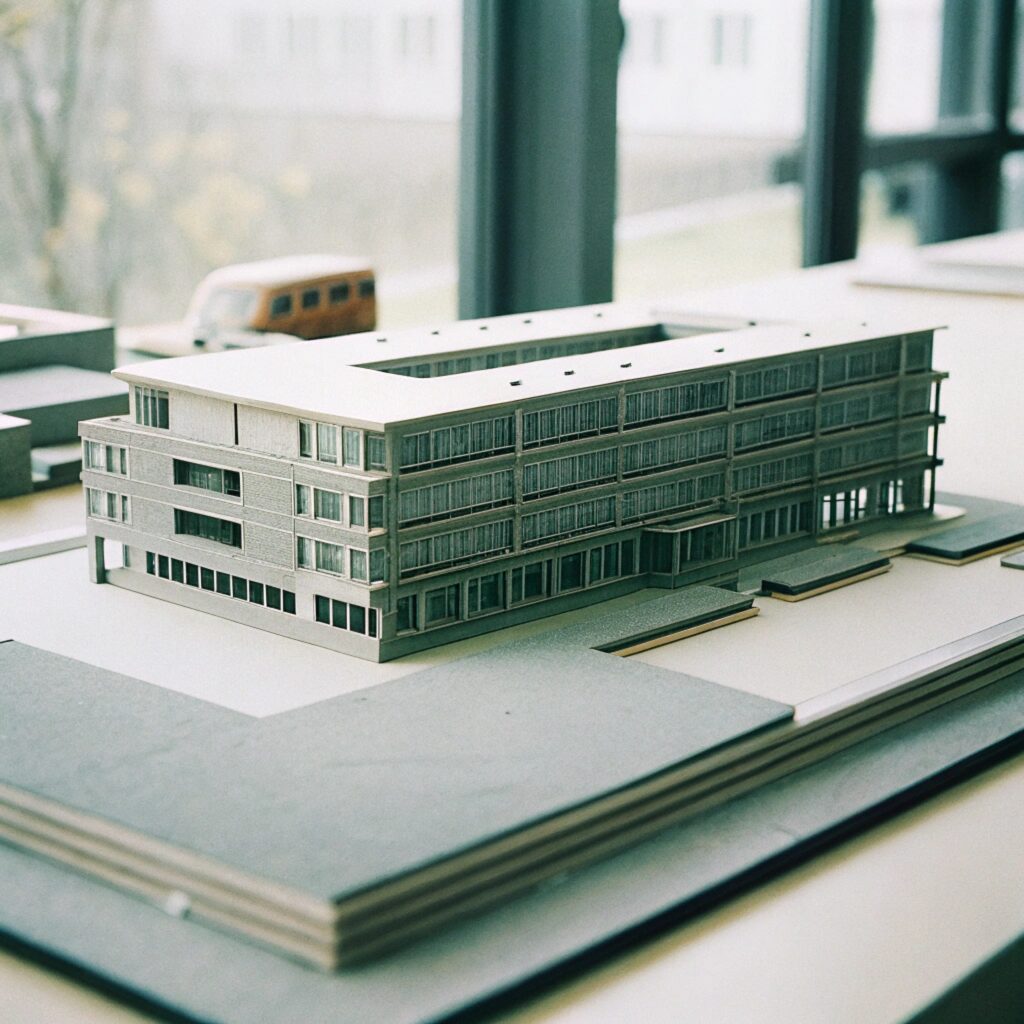
A city scale model is a detailed, three-dimensional physical representation of an urban area, showing buildings, infrastructure, landscapes, and topography at reduced scales like 1:500 or 1:1000. These models help urban planners, architects, and governments visualize development, test designs, and engage stakeholders. QZY Models delivers precision city scale models with high realism for global projects.
What Are City Scale Models Used For?
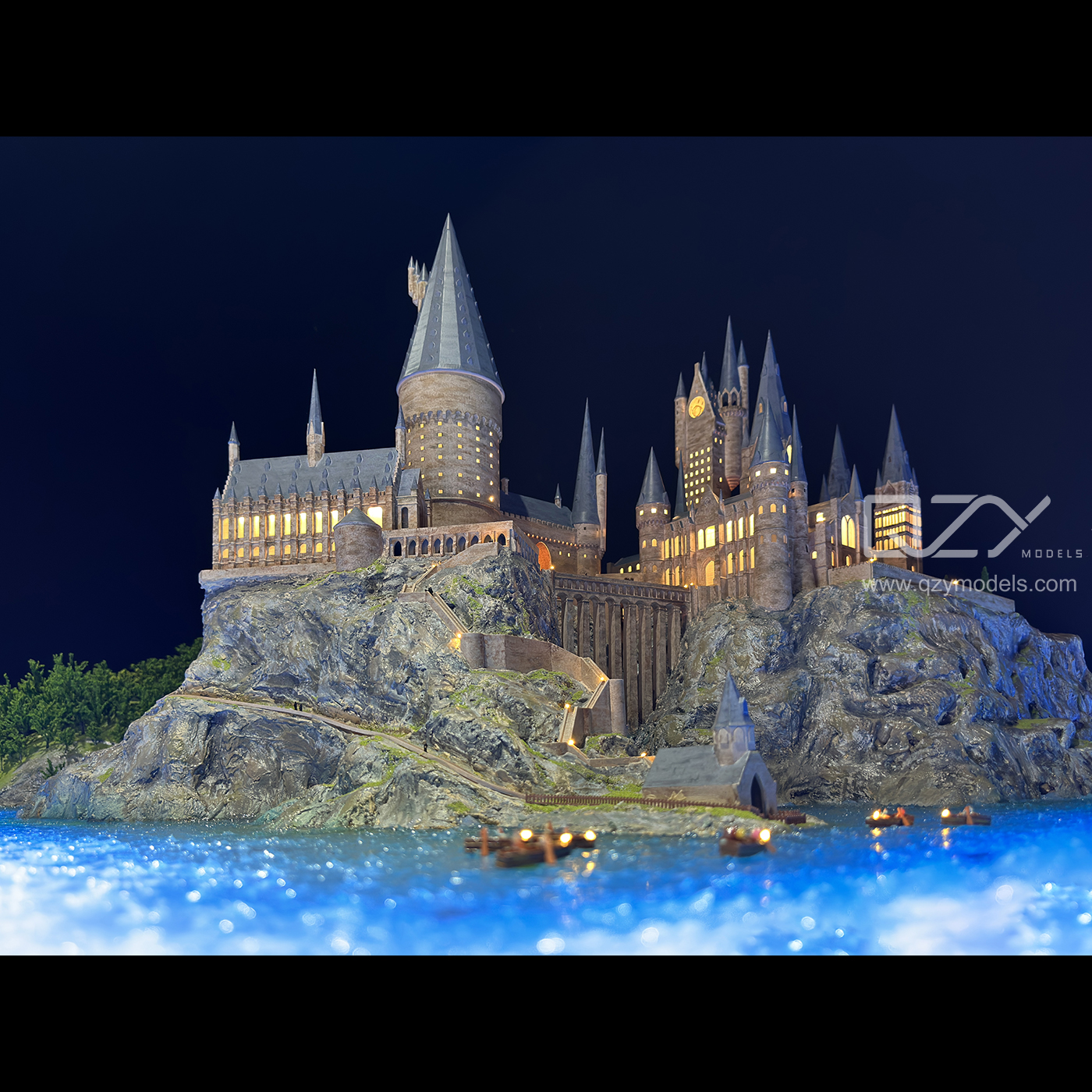
City scale models allow visualization of entire urban areas, helping planners, developers, and governments make informed decisions. They facilitate presentations, public consultations, and real estate marketing. QZY Models integrates LED lighting, modular terrain, and interactive elements, providing immersive experiences for exhibitions, masterplans, and stakeholder engagement. Physical models reveal spatial relationships, traffic flow, and sunlight effects more intuitively than digital renderings.
| Scale | Coverage Area | Detail Level | Ideal Use |
|---|---|---|---|
| 1:5000 | Entire city | Low | Master planning |
| 1:1000 | Districts | Medium | Public consultations |
| 1:500 | Neighborhoods | High | Developer presentations |
Why Are City Scale Models Important?
City scale models improve understanding of urban layouts and reduce redesign costs by 20–30%. They bridge the gap between conceptual plans and real-world impact, allowing hands-on interaction with terrain, building massing, and environmental factors. QZY Models designs modular models for easy updates and long-term planning. Governments, developers, and educational institutions rely on them to assess sustainability, shadow analysis, and community engagement.
How Do You Choose the Right Scale for City Models?
Choose scale based on project size, detail requirements, and display constraints. Use larger scales (1:200–1:500) for detailed districts and facades, and smaller scales (1:1000–1:5000) for city overviews. Budget, transportation, and modular expansion also influence scale choice. QZY Models offers hybrid solutions with removable sections, lighting, and terrain features, ensuring both visual impact and functional flexibility.
What Materials Are Best for City Scale Models?
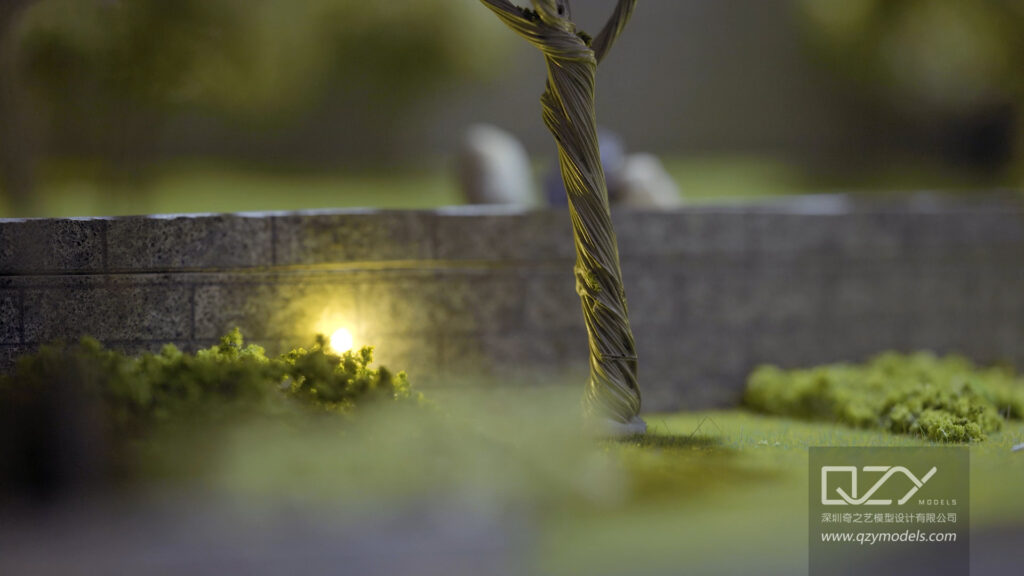
Durable and realistic materials include acrylic, foam board, wood, metals, and 3D-printed resins. QZY Models combines laser-cut acrylic for buildings, sculpted foam for terrain, and metal reinforcements for stability. Acrylic provides transparency for glass facades, wood adds texture for parks, and sustainable plastics ensure eco-friendliness. UV-resistant coatings maintain longevity, and finishes mimic concrete, vegetation, and water features for a lifelike appearance.
How Are City Scale Models Built?
Building city models involves site analysis, CAD design, prototyping, fabrication, and assembly. QZY Models employs precision laser cutting, CNC machining, 3D printing, and hand-finishing. Details like vehicles, trees, and pedestrians are added manually. Interactivity is incorporated with LEDs, motors, and AR overlays. Quality checks ensure scale accuracy (±0.5mm), and packaging guarantees safe global delivery.
| Build Phase | Duration | Key Tools |
|---|---|---|
| Design | 2–4 weeks | CAD, Rhino |
| Fabrication | 3–6 weeks | Laser cutter, 3D printer |
| Assembly | 1–4 weeks | Hand tools, adhesives |
What Trends Are Shaping City Scale Models?
Current trends include interactive AR integration, modular designs, and sustainable materials. Digital twins link physical models to VR environments, while miniaturization suits compact exhibitions. Eco-friendly foams, low-energy lighting, and hybrid physical-digital systems are increasingly standard. QZY Models adapts city models for international clients, including Middle East mega-projects, providing culturally relevant designs and global applicability.
QZY Models Expert Views
“City scale models now function as interactive platforms, simulating urban dynamics such as population growth, traffic, and climate impacts. At QZY Models, our team combines 20+ years of expertise with sustainable fabrication and advanced 3D printing to create models for clients like Foster + Partners. These models enable planners to test real-world scenarios and communicate design intent effectively. With branches in UAE and Saudi Arabia, we deliver globally, ensuring precision and immersive experiences for every project.”
— Richie Ren, Founder, QZY Models
How Much Do City Scale Models Cost?
Prices range from $10,000 to $500,000+, depending on size, scale, and features. A 2x2m 1:1000 district model starts at $20K, while mega-city models can exceed $200K. Cost breakdown: design 25%, materials 35%, labor 30%, technology 10%. QZY Models provides transparent quotes, volume discounts, and cost optimization for complex or recurring projects.
Where Are City Scale Models Displayed?
City models appear in planning offices, museums, exhibitions, trade shows, and real estate sales centers. QZY Models designs portable and weatherproof models for flexibility. They support stakeholder consultations, public engagement, and promotional events, ensuring visibility and accessibility in various settings.
Conclusion
City scale models provide tangible urban insights that improve planning, design communication, and stakeholder alignment. Key takeaways: select appropriate scales, use high-quality materials, incorporate interactivity, and partner with experts like QZY Models. Actionable advice: engage QZY Models early to customize models, optimize visual impact, and enhance project approvals and community engagement.
FAQs
What scale is best for city models?
1:1000–1:5000 balances detail and overview. QZY Models customizes scale per project needs.
How long does construction take?
6–16 weeks typically. Advanced tech and modular design can accelerate timelines.
Are city models interactive?
Yes, QZY Models integrates LEDs, motors, and AR for dynamic, engaging experiences.
Can models simulate environmental conditions?
Absolutely. Terrain, lighting, and modular elements allow analyses like flood or shadow studies.
How durable are QZY Models’ city scale models?
Built to last 10+ years using UV-resistant materials and reinforced construction.