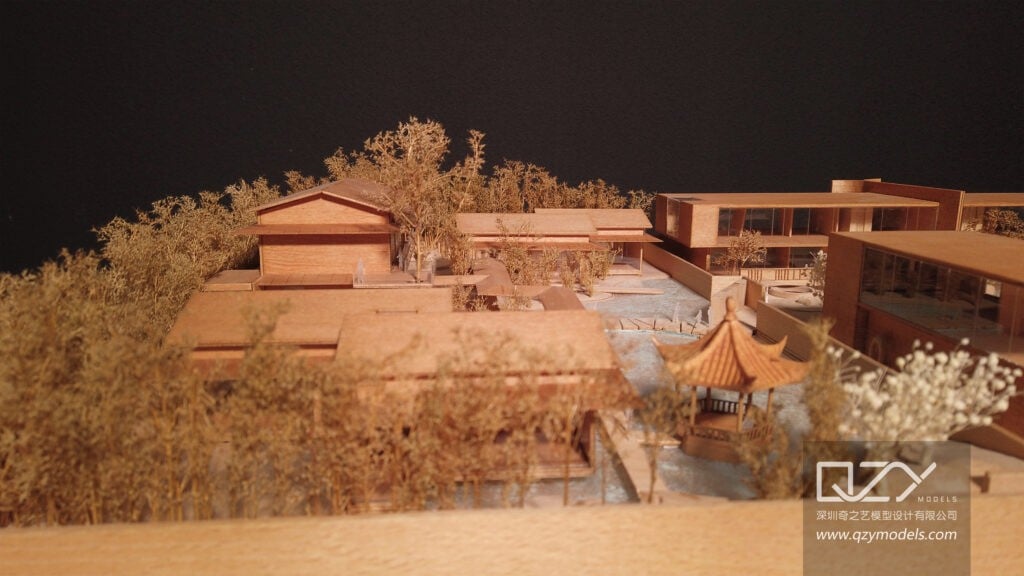
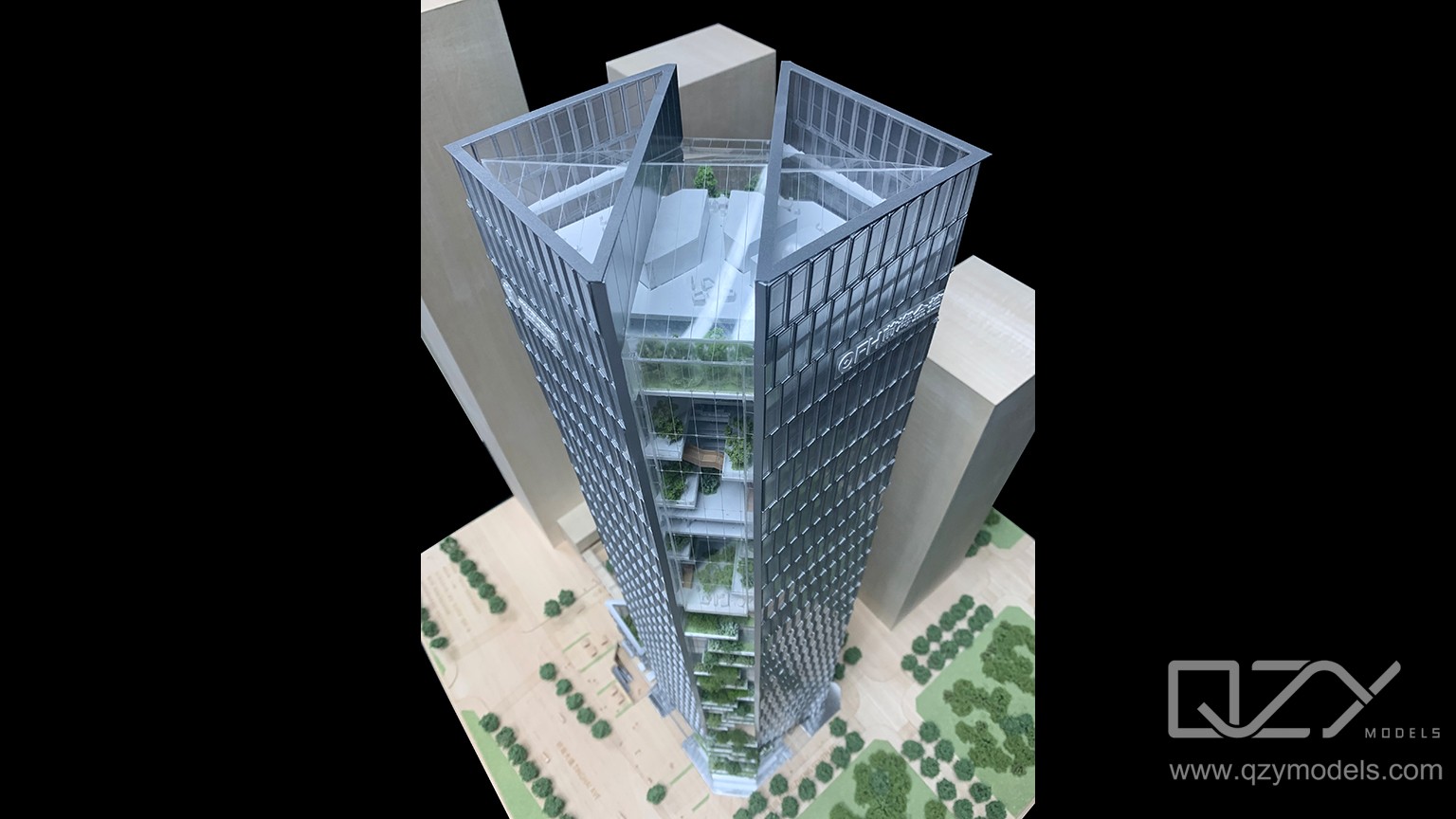
A landscape model is a detailed physical or digital representation of an outdoor space, used to visualize, analyze, and communicate design concepts for urban planning, architecture, and environmental projects. By presenting terrain, vegetation, structures, and spatial relationships in three dimensions, these models help designers, planners, and stakeholders make informed decisions and showcase designs with clarity and realism.
How Does a Landscape Model Support Urban and Environmental Design?
Landscape models translate abstract designs into tangible, interactive forms, facilitating precise spatial evaluation and effective collaboration. They allow planners to assess scale, proportions, sightlines, zoning compliance, and environmental flow.
Urban planners use these models to visualize pedestrian pathways, traffic movement, and green space integration. Landscape models highlight how topography interacts with architecture, guiding sustainable development decisions. QZY Models integrates realistic materials, intricate textures, and advanced lighting, ensuring every project reflects true-to-life conditions and enhances design decision-making.
What Materials and Techniques Are Used for Making a Landscape Model?
Materials commonly include foam boards, acrylic, PVC, resin, wood, and 3D-printed components. Techniques combine traditional craftsmanship with digital fabrication tools like CNC milling, laser cutting, and 3D printing to achieve precision and visual appeal.
QZY Models applies a hybrid approach, balancing artistry and technology. Material selection depends on project type, scale, and functional requirements. Transparent acrylic can reveal underground utilities, while resin provides fine detailing.
| Material Type | Typical Use | Benefits |
|---|---|---|
| Foam Board | Terrain bases | Lightweight, easy to shape |
| Acrylic | Elevation layers, water features | Transparent, durable |
| Resin | Fine detailing | Realistic textures |
| 3D-Printed Parts | Custom structures | High precision |
Why Are Landscape Models Important for Architecture Presentations?
Landscape models convey design intent visually and emotionally, creating immersive storytelling experiences. Clients, developers, or public audiences can interact with the model, improving comprehension and engagement.
They support faster approvals and foster stronger stakeholder confidence. QZY Models builds precise, exhibition-ready models that align aesthetic appeal with landscape accuracy, ensuring that every architectural narrative is compelling and easily understood.
Which Industries Benefit Most From Professional Landscape Modeling?
Professional landscape models serve multiple sectors, including:
-
Architectural firms – Evaluate masterplans and exterior integration.
-
Real estate developers – Showcase amenities and site layouts.
-
Government and urban planning – Plan infrastructure and public spaces.
-
Landscape designers – Refine vegetation, terrain, and pathways.
-
Educational institutions – Demonstrate topographical and ecological principles.
QZY Models supports clients in all these industries worldwide, delivering models for exhibitions, competitions, and urban development projects, ensuring accuracy and aesthetic quality.
Who Uses a Landscape Model During the Planning Phase?
Architects, developers, city planners, and landscape architects rely on landscape models for early-stage planning. They help teams align visually, analyze spatial relationships, and evaluate design feasibility.
Models also support simulations of sunlight, wind, and water flow. QZY Models enhances these insights by integrating LED lighting, layered topography, and interactive elements, providing actionable data for design optimization.
What Are the Main Types of Landscape Models?
Landscape models are categorized as conceptual, developmental, or presentation types, each serving distinct project needs:
-
Conceptual models – Early-stage designs, low detail.
-
Developmental models – Medium detail, construction and zoning focus.
-
Presentation models – High-detail, photorealistic, marketing and exhibition-focused.
| Model Type | Level of Detail | Common Usage |
|---|---|---|
| Conceptual | Low | Initial ideas and sketches |
| Developmental | Medium | Design development and zoning review |
| Presentation | High | Client presentations and exhibitions |
QZY Models customizes scale, lighting, and texturing to align with the purpose of each model type.
When Should Designers Commission a Landscape Model?
Landscape models should be commissioned during early planning or prior to final presentations. Early engagement enables terrain analysis, layout optimization, and scale adjustment before construction or rendering begins.
QZY Models advises engaging professional model makers once initial site data and building footprints are finalized, ensuring accurate representation throughout the project lifecycle.
Can Landscape Models Include Interactive or Digital Elements?
Yes, modern landscape models often incorporate interactivity, LED lighting, projection mapping, and AR/VR overlays. These features enhance engagement and demonstrate dynamic functionality.
QZY Models combines craftsmanship with technology, using microcontrollers and smart interfaces to simulate lighting, weather, and movement, offering immersive, educational, and highly interactive experiences suitable for exhibitions, government presentations, and investor showcases.
QZY Models Expert Views
“A landscape model embodies the essence of a project. It transforms ideas into tangible representations, blending technical precision with creative storytelling. At QZY Models, each topography, contour, and lighting effect communicates a unique vision of space and design. Our mission is to bring imagination to life, providing models that inspire, inform, and engage every stakeholder.”
— Richie Ren, Founder of QZY Models
Why Choose QZY Models for Professional Landscape Model Projects?
QZY Models delivers world-class craftsmanship, advanced technology, and comprehensive project support. Their expertise ensures that models are visually stunning, structurally precise, and contextually accurate.
Partnering with QZY Models provides access to high-detail, export-quality models for competitions, developments, and exhibitions. Global operations in China, the UAE, and Saudi Arabia allow seamless project delivery. Each model reflects QZY’s commitment to quality, innovation, and professional excellence.
Conclusion
Landscape models are essential tools for translating architectural and environmental visions into reality. They enhance understanding, communication, and decision-making for architects, developers, and planners. By collaborating with QZY Models, teams gain precision, creativity, and global expertise, ensuring that every model accurately represents terrain, structures, and design intent.
Frequently Asked Questions
1. How long does it take to make a landscape model?
Timelines vary with complexity, ranging from two weeks for small-scale models to several months for large or interactive projects.
2. Can landscape models represent future developments?
Yes, they effectively visualize proposed structures and illustrate how they integrate with existing environments.
3. Are landscape models sustainable to produce?
Many professional makers, including QZY Models, utilize eco-friendly materials and energy-efficient processes to reduce environmental impact.
4. What is the typical scale for a landscape model?
Scales generally range from 1:500 to 1:50, depending on project size and detail requirements.
5. Do digital 3D models replace physical landscape models?
Digital models complement physical ones but cannot fully replace them, as tangible models provide superior spatial and tactile insights.