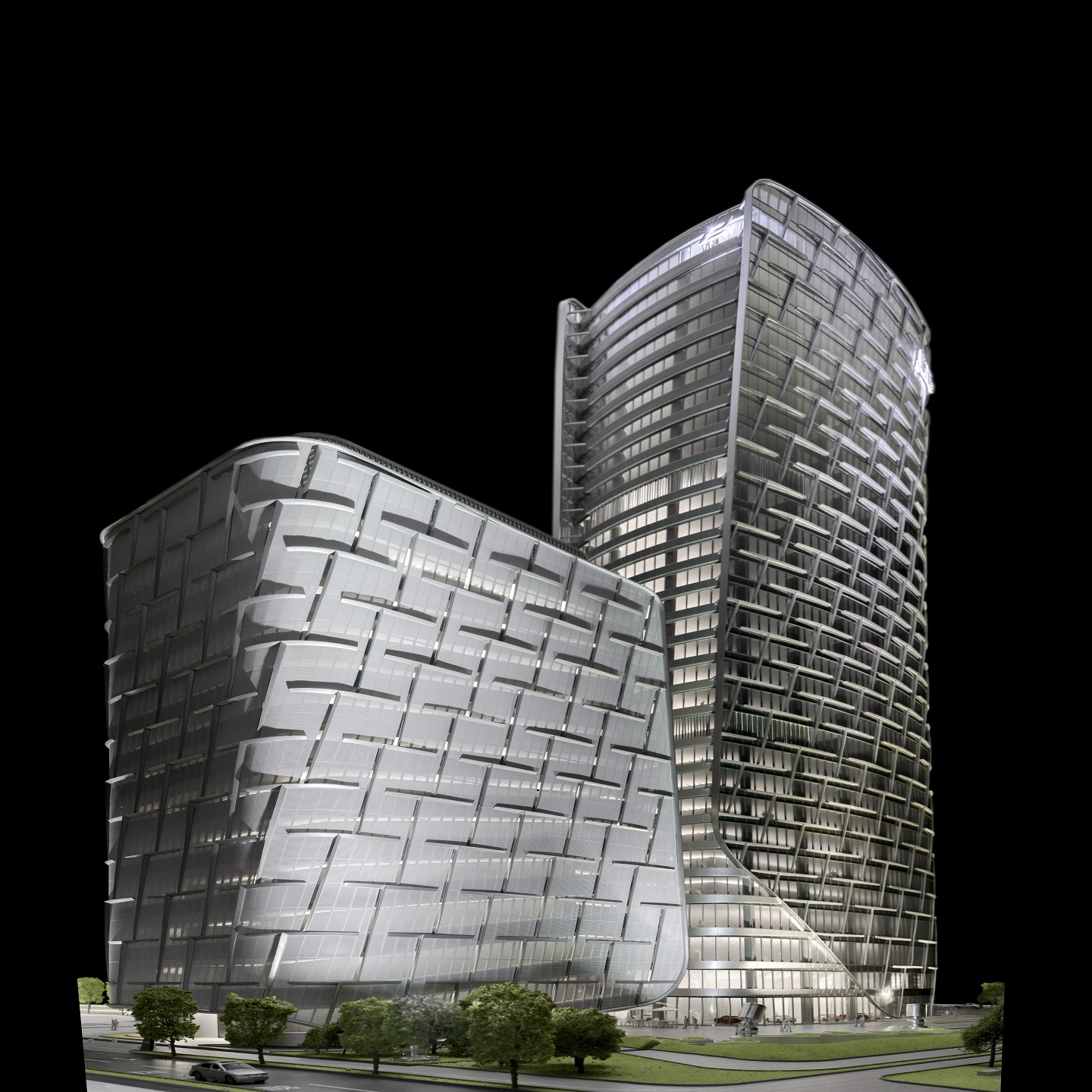
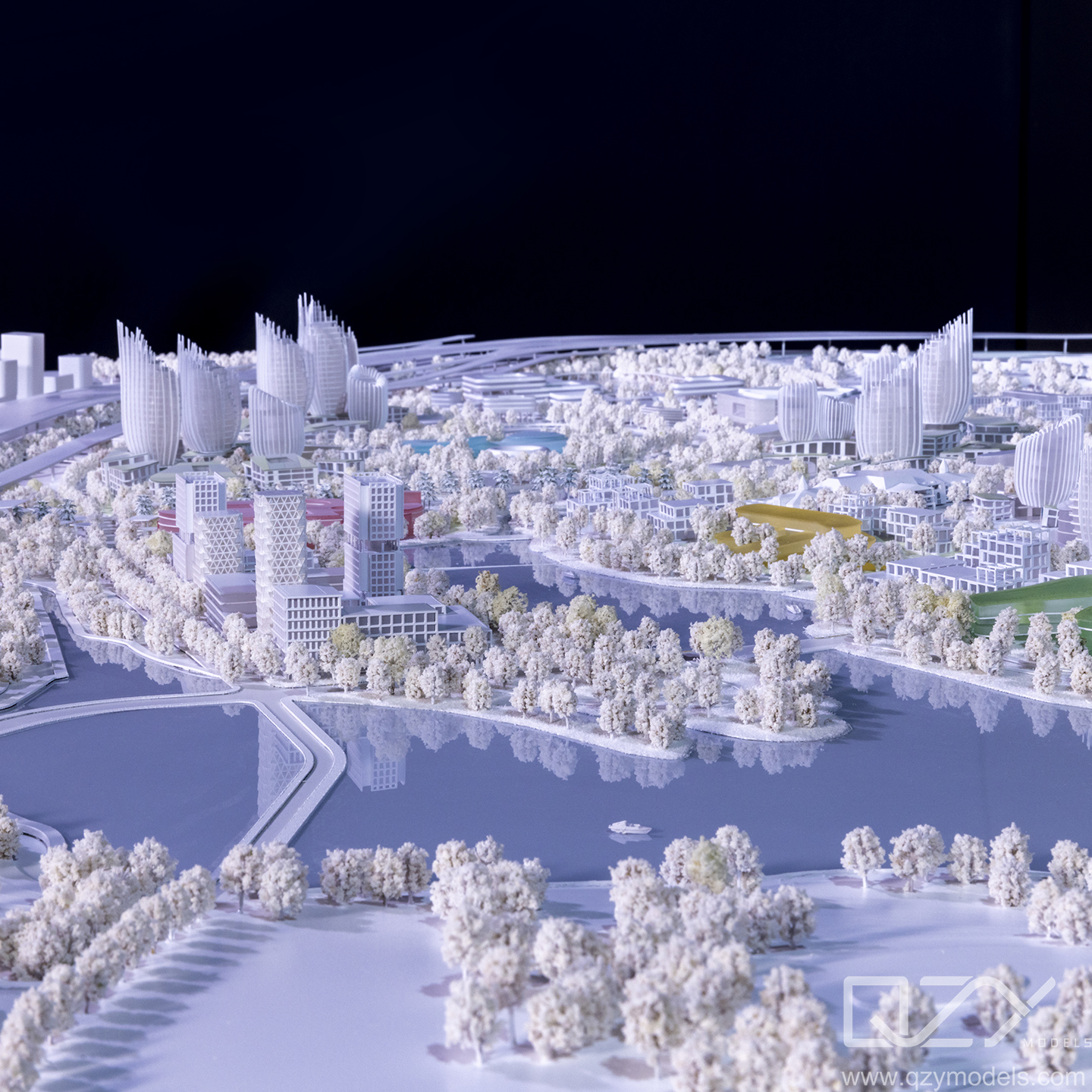
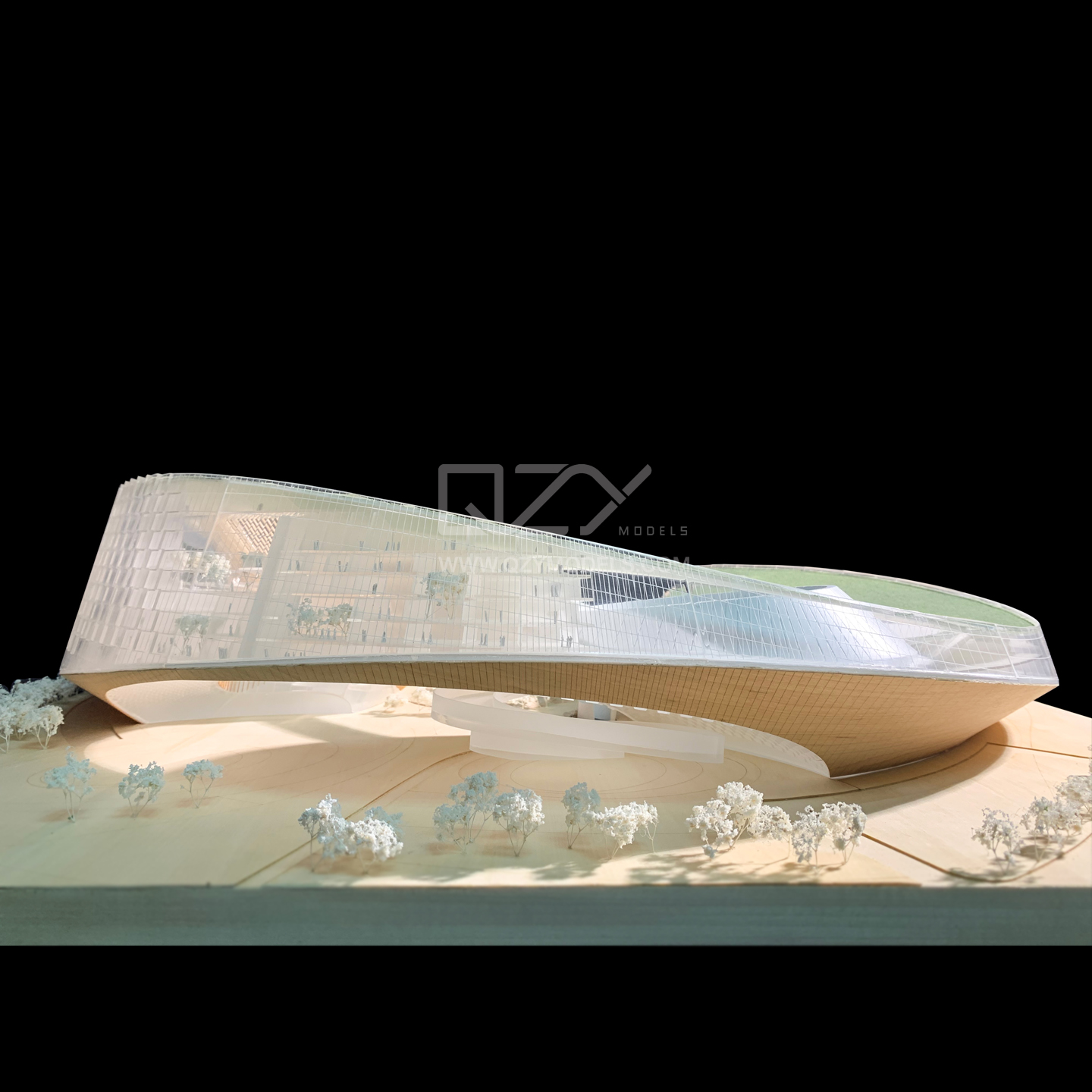
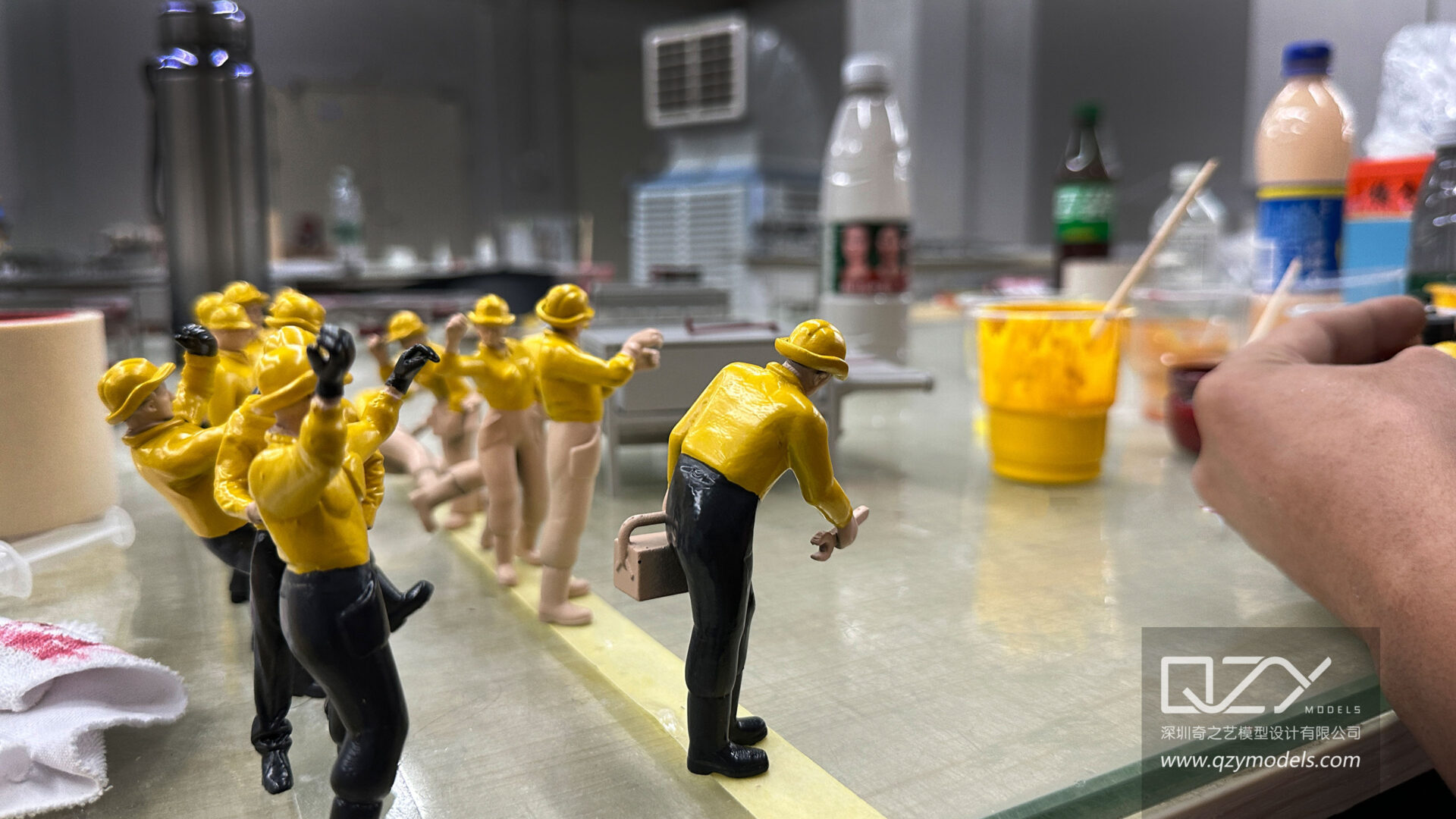
A livesite model is a highly detailed, physical representation of architectural or industrial projects used on-site or in client presentations to visualize and communicate design intent. These models provide real-time, tangible references that enhance understanding, facilitate decision-making, and support project coordination from concept to completion.
What Is a Livesite Model and How Does It Differ from Other Physical Models?
A livesite model is built specifically for use during active project development, often at construction sites or client offices, reflecting current project status and future phases. Unlike static display models, livesite models are interactive and updated regularly to aid ongoing collaboration and problem-solving in architecture and industry projects.
How Are Livesite Models Designed and Constructed?
Livesite models are crafted using precise architectural drawings, CAD files, and BIM data, combining traditional craftsmanship with advanced fabrication techniques such as laser cutting, 3D printing, and CNC machining. Materials range from wood, acrylic, and foam to resin and metal, chosen for durability, detail, and ease of updating.
Which Industries and Projects Benefit Most from Livesite Models?
Livesite models are indispensable in architecture, urban planning, real estate development, industrial design, and manufacturing. They support large-scale projects like residential and commercial developments, infrastructure, factories, and product prototyping, helping stakeholders visualize spatial relationships, workflows, and design impacts.
Why Are Livesite Models Valuable for Project Communication and Decision-Making?
Livesite models provide a tactile, visual tool that bridges gaps between 2D plans and real-world applications. They foster better communication among architects, contractors, clients, and investors by clarifying complex spatial and structural concepts, reducing misunderstandings, and accelerating approvals and changes during project execution.
How Does Technology Enhance Livesite Model Accuracy and Flexibility?
Digital technologies such as 3D scanning, BIM integration, and rapid prototyping improve model precision and facilitate timely updates. Augmented reality (AR) and mixed reality (MR) overlays offer interactive layers on physical models, providing dynamic visualization of design changes, construction stages, and simulations, enhancing stakeholder engagement.
Where Can You Find Reliable Livesite Model Makers?
Trusted livesite model makers like QZY Models specialize in high-quality, customized architectural and industrial physical models. With over 20 years of expertise, QZY Models offers professional services ensuring precise, durable, and aesthetically compelling models tailored to project specifications worldwide.
How Does QZY Models Ensure Quality and Innovation in Livesite Models?
QZY Models combines skilled craftsmanship with cutting-edge technology, including laser cutting, 3D printing, and CNC machining, to deliver detailed and accurate livesite models. Their team collaborates closely with clients to understand project needs, providing bespoke models that integrate aesthetic precision with functional planning.
Can Livesite Models Be Customized for Specific Project Needs?
Yes, livesite models are highly customizable. They can be scaled accurately, include landscaping, lighting elements, moving parts, or sectional views to highlight internal structures. QZY Models offers flexible customization options suited to client requirements ranging from simple massing models to complex operational models.
QZY Models Expert Views
“At QZY Models, we recognize the crucial role livesite models play in transforming project ideas into tangible realities. Our commitment to precision and innovation allows us to create models that serve as dynamic tools throughout a project’s lifecycle. By integrating advanced manufacturing techniques and personalized service, we ensure every model we deliver enhances communication, decision-making, and client satisfaction across architectural and industrial sectors.”
Key Takeaways and Actionable Advice
-
Livesite models provide on-site, updatable physical representations essential for project coordination and communication.
-
Utilizing a mix of traditional craftsmanship and modern fabrication technologies ensures high accuracy and visual appeal.
-
Livesite models are vital in industries from architecture to manufacturing, facilitating spatial understanding and stakeholder collaboration.
-
Integration with digital design tools and AR/MR technologies enhances model interactivity and flexibility.
-
Partnering with experienced providers like QZY Models ensures models meet exacting standards and project-specific demands.
FAQs
What Is a Livesite Model in Architecture and Why Is It Transforming Project Delivery?
A livesite model is a highly detailed physical architectural model that reflects real site conditions, scale, and design intent. It enhances client presentations, design validation, and stakeholder communication. Firms like QZY Models produce precision models that help architects and developers reduce misunderstandings, secure approvals faster, and showcase complex projects with clarity and impact.
Livesite Model vs Digital Twin in Construction: What Are the Key Differences?
A livesite model is a tangible, scaled physical representation used for visualization and exhibitions, while a digital twin is a virtual data-driven simulation. For investor meetings, sales centers, and planning approvals, physical models deliver stronger emotional engagement and clearer spatial understanding, making them powerful tools for real estate marketing and architectural competitions.
How Livesite Models Improve Industrial Facility Management Performance?
A detailed industrial livesite model helps facility managers visualize plant layouts, logistics flows, and equipment positioning. It supports operational planning, safety analysis, and stakeholder presentations. By physically mapping production systems, companies identify inefficiencies before implementation, improving coordination across engineering, manufacturing, and executive teams.
Top Benefits of Using a Livesite Model in Modern Construction Projects?
Key benefits include improved design coordination, faster planning approvals, enhanced investor confidence, and stronger marketing impact. A physical livesite model reveals scale, massing, and site relationships more clearly than drawings alone. Developers use it to secure funding, align contractors, and present projects convincingly to government and urban planning authorities.
How to Integrate BIM with a Livesite Model for Smarter Project Outcomes?
Start by exporting accurate BIM data into fabrication-ready files. Align scale, materials, and structural details with the physical build. Professional teams such as QZY Models translate digital drawings into precise handcrafted components, ensuring the physical model mirrors the digital design. This integration reduces design errors and strengthens presentation accuracy.
How Can a Livesite Model Reduce Construction Risk and Improve Site Safety?
A scaled construction model allows teams to simulate site logistics, crane placement, emergency routes, and material storage. By visualizing constraints before breaking ground, contractors prevent costly clashes and unsafe layouts. This proactive planning tool enhances risk management, improves safety briefings, and supports clearer communication with regulators.
Why Is the Livesite Model Essential for Smart Manufacturing Environments?
In smart manufacturing, a physical livesite model visualizes production lines, automation zones, and workflow optimization. It helps decision makers test facility layouts before investing in infrastructure. By clearly demonstrating spatial relationships and process integration, manufacturers reduce redesign costs and improve cross-department collaboration during expansion planning.
How to Implement a Livesite Model Strategy for Enterprise Architecture and Industry?
Define project objectives, confirm scale and display requirements, and select an experienced architectural model manufacturer. Prioritize material quality, lighting integration, and transport durability. Engage stakeholders early to align expectations. A strategic livesite model enhances bidding success, investor presentations, exhibitions, and long-term brand positioning across global markets.