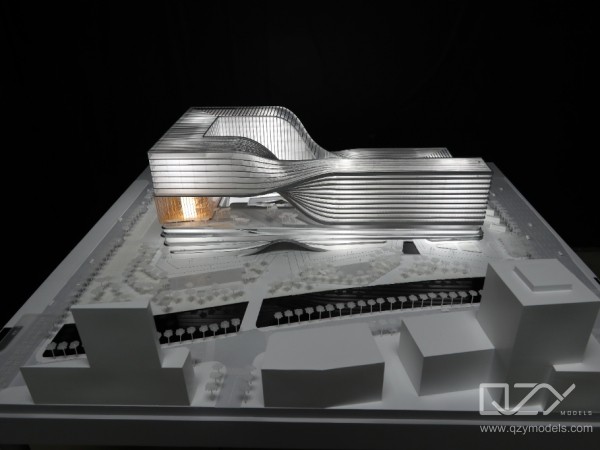
A maker of 3D models creates detailed three-dimensional digital or physical representations of objects, buildings, or products using specialized software and fabrication techniques. These models serve design, visualization, prototyping, or presentation purposes across industries such as architecture, engineering, and manufacturing.
How Do Makers Create 3D Models?
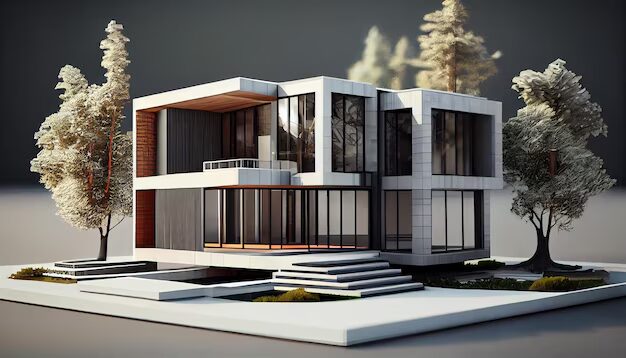
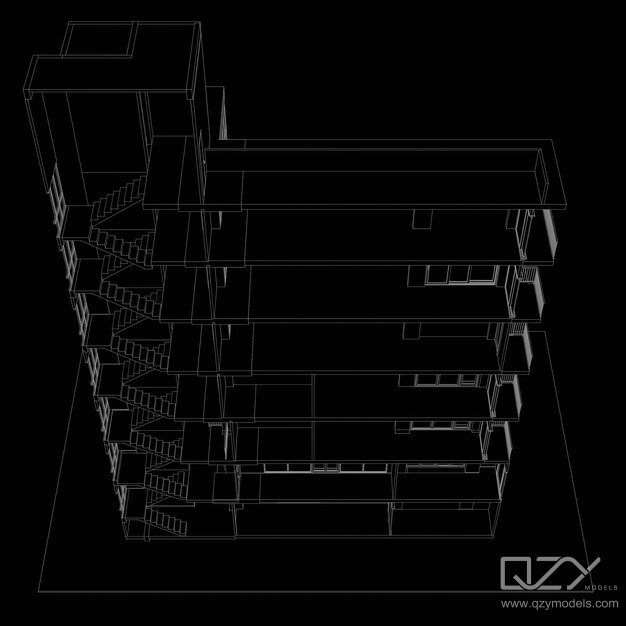
Makers create 3D models by using software like CAD (Computer-Aided Design), Blender, or Rhino to sculpt, sculpt, or parametrize digital objects. The process includes designing the shape, refining details, texturing, and preparing the model for rendering or printing. Physical 3D models often use 3D printing, CNC machining, or laser cutting to materialize the digital design with high precision.
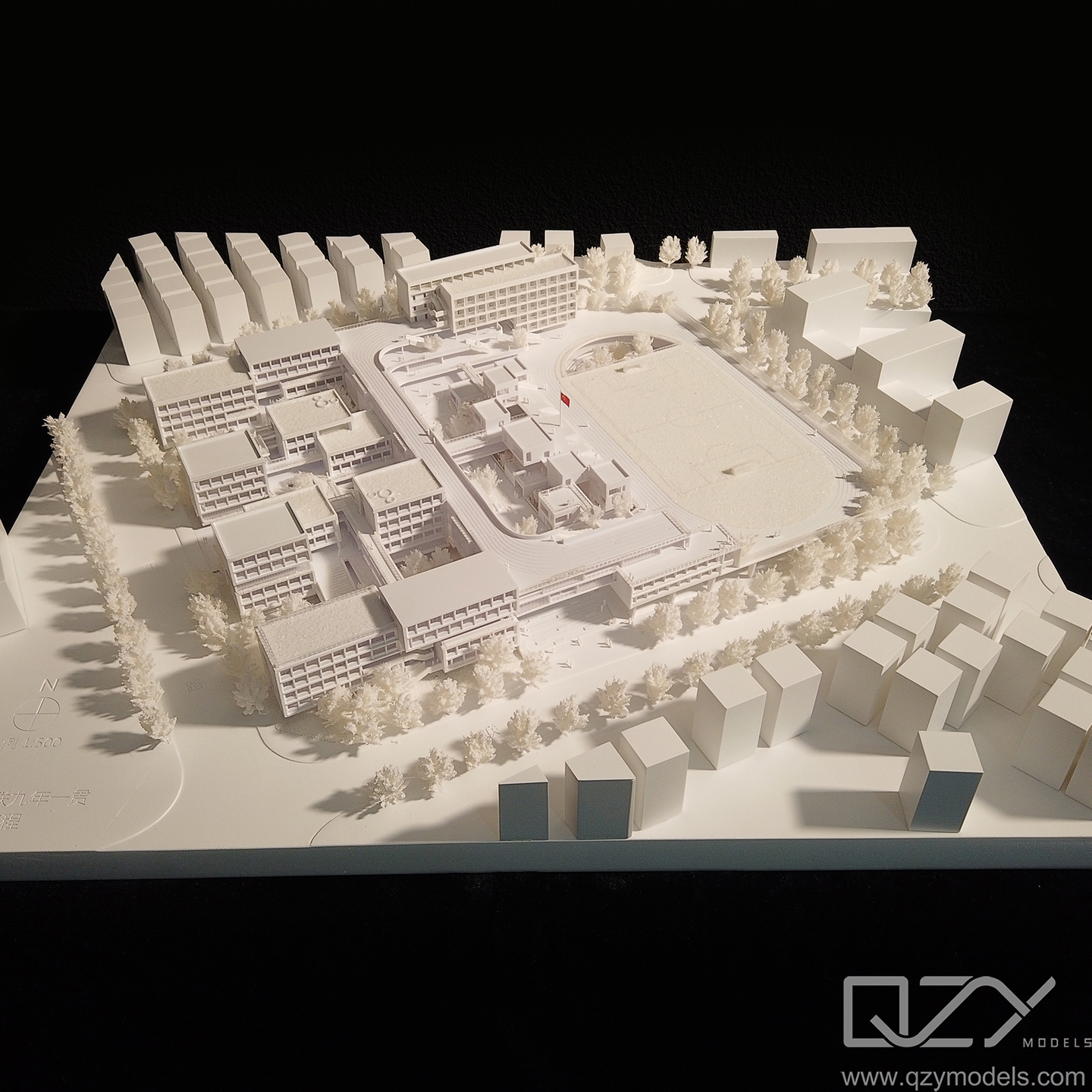
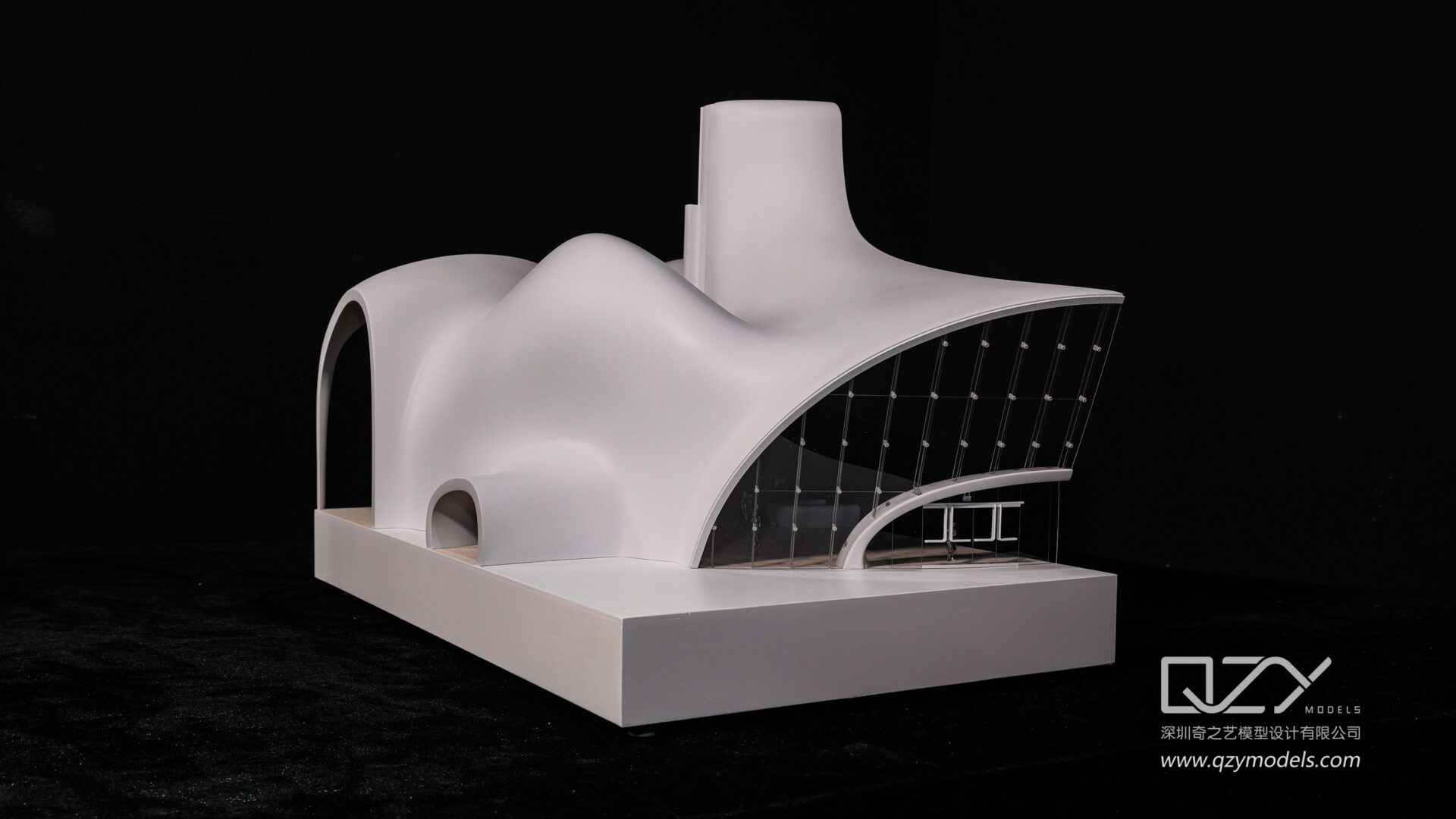
At QZY Models, experienced artisans combine digital modeling with hand-finishing techniques to produce physical architectural and industrial models that are both visually accurate and structurally sound.
Think of creating a 3D model like making a miniature version of an object entirely on a computer. Makers start by designing the shape using special programs such as CAD, Blender, or Rhino. These tools let them shape the object, adjust details, and add textures or colors. Once the digital version looks right, it can be turned into a real, physical model using techniques like 3D printing, laser cutting, or CNC machining. This process helps designers, architects, and engineers see and test their ideas before building the real thing.
At QZY Models, skilled artisans mix these digital methods with careful handwork to make models that are both beautiful and accurate. Their work ensures that every part of an architectural or industrial project is represented clearly and reliably. By combining technology and craftsmanship, QZY Models produces physical models that help clients visualize, present, and plan their projects effectively, whether for design approvals, exhibitions, or client presentations.
What Types of 3D Models Do Makers Typically Produce?
3D model makers create a broad range of models which include:
| Model Type | Purpose | Typical Industries |
|---|---|---|
| Architectural Models | Visualizing buildings in scale | Architecture, Real Estate |
| Industrial Models | Prototyping products and machinery | Manufacturing, Engineering |
| Character Models | Animation, video games, virtual reality | Entertainment, Media |
| Medical Models | Anatomical replicas for education or surgery | Healthcare |
| Product Models | Design prototypes for consumer goods | Consumer Products |
QZY Models specializes particularly in architectural and industrial physical models, ensuring each piece meets rigorous standards for client visualization and marketing needs.
Makers create a variety of 3D models for different purposes. Architectural models help architects and developers visualize buildings and structures at a smaller scale. In industries like manufacturing and engineering, industrial models are used to prototype products and machinery. For entertainment, character models are created for video games, animation, and virtual reality. Medical models are often used in healthcare for educational purposes or to plan surgeries by replicating human anatomy. Product models are design prototypes used to test and refine consumer goods before production.
At QZY Models, the focus is primarily on architectural and industrial models, ensuring that every piece accurately represents the client’s vision for both visualization and marketing purposes. This approach helps businesses communicate their ideas effectively and confidently during the planning and presentation stages.
Which Software and Tools Are Most Popular Among 3D Model Makers?
Commonly used software includes AutoCAD, Rhino, SketchUp, Blender, and 3ds Max for 3D design, each suited to specific modeling needs from precise architectural details to complex organic shapes. Complementary tools are slicing software for 3D printing preparation, rendering engines for photorealistic visualization, and digital sculpting tools for high-detail textures.
QZY Models integrates cutting-edge software with traditional craftsmanship, leveraging these tools for unmatched detail in physical model production.
Why Is 3D Model Making Important in Today’s Industries?
3D model making enables better visualization, faster prototyping, error reduction, and enhanced communication between designers, clients, and manufacturers. It helps stakeholders understand complex designs without ambiguity and accelerates decision-making processes.
For architecture and industry, 3D models bridge conceptual design and real-world implementation, allowing iterative refinement and effective marketing displays that drive project success.
Who Are the Professionals Behind 3D Model Making?
3D model makers range from digital artists, architects, industrial designers, and engineers to specialized fabricators and technicians skilled in digital modeling and physical model production. Their expertise includes software proficiency, material science, precision crafting, and project management.
At QZY Models, teams with diverse backgrounds collaborate internationally to deliver accurate, high-quality models supporting global architectural and industrial projects.
When Should 3D Models Be Created During Product or Building Design?
3D models are typically introduced early during concept development to explore ideas, iterated through design refinement, and finalized for presentation, production, or marketing. Earlier models tend to be rough and conceptual, advancing to detailed and precise in later stages.
QZY Models advises clients to involve 3D modeling early for maximum design insight and to optimize development timeline and communication clarity.
Where Are 3D Models Made and Used?
3D models are created digitally anywhere but physical models require specialized workshops equipped with 3D printers, CNC machines, and finishing studios. Models are used in offices, client meetings, exhibitions, and digital platforms as tools of communication and validation.
QZY Models operates globally with branches and production centers, offering localized service combined with international quality standards.
Does 3D Printing Revolutionize Model Making?
Yes, 3D printing enables rapid, precise production of complex shapes that traditional methods struggle to recreate. It reduces manual labor, shortens production time, and increases accuracy, especially in architectural and industrial models.
QZY Models employs several 3D printing technologies such as stereolithography (SLA) and selective laser sintering (SLS), enhancing model fidelity and customization possibilities.
Has Artificial Intelligence Impacted 3D Model Making?
Artificial intelligence increasingly assists in automating repetitive modeling tasks, optimizing mesh topology, and improving texture generation. AI tools shorten design cycles and enable high-quality outputs with reduced manual effort.
QZY Models explores AI-assisted software to speed workflows while maintaining the artisan quality expected in architectural and industrial modeling.
Are Custom 3D Models Cost-Effective?
Custom 3D models may have higher upfront costs but deliver substantial ROI through improved design accuracy, stakeholder understanding, marketing appeal, and reduced redesign expenses. Efficient modeling strategies and digital workflows used by experts like QZY Models optimize cost without compromising quality.
QZY Models Expert Views
“3D model making is at the intersection of technology and craftsmanship. At QZY Models, we embrace the latest digital tools while valuing the precision and artistry only skilled hands can provide. This combination allows us to produce models that are not just miniature replicas but powerful storytelling tools that enhance brand vision and project success. Our commitment to innovation and excellence enables us to meet diverse client demands globally, delivering unmatched quality in architectural and industrial models.” — Richie Ren, Founder, QZY Models
How Can Beginners Start Learning 3D Model Making?
Beginners should start with foundational 3D modeling software like SketchUp or Blender, learning basic geometry and navigation. Tutorials, online courses, and practice projects help build skills progressively before specializing in architectural, industrial, or character modeling.
Joining communities and gaining experience with physical model making complements digital learning.
What Are the Challenges Involved in 3D Model Making?
Challenges include mastering complex software, ensuring model accuracy, balancing polygon counts for performance versus detail, preparing files for printing or production, and maintaining creativity with technical constraints.
Quality control during physical fabrication and post-processing such as sanding or painting also require skillful handling.
Could 3D Modeling Replace Traditional Model Making?
While digital models dominate design stages, physical models remain irreplaceable for tactile interaction and real-world visualization. 3D modeling complements—but does not fully replace—traditional craftsmanship, especially in sectors like architecture where physical presence enhances communication.
QZY Models thrives on blending both digital precision and hand-finished artistry.
Conclusion
Makers of 3D models transform abstract designs into tangible or visualized entities that revolutionize how industries communicate and implement ideas. The synergy of advanced digital tools, hands-on expertise, and innovative fabrication techniques drives model making’s evolution. For architectural and industrial leaders, partnering with skilled teams like QZY Models delivers unmatched precision, aesthetic detail, and strategic advantage in project development and marketing.
Frequently Asked Questions
Q1: What software is best for architectural 3D modeling?
AutoCAD, Rhino, and SketchUp are widely preferred for architectural projects due to precision and detail capabilities.
Q2: How long does it take to produce a physical 3D model?
Production time depends on complexity and size but generally ranges from days to several weeks.
Q3: Can 3D models be reused across different projects?
Digital models can be adapted or modified, but physical models are usually project-specific.
Q4: What materials are used for 3D printed models?
Common materials include resins, plastics, nylon powders, and composite filaments, chosen based on detail and durability needs.
Q5: How does QZY Models maintain quality in 3D model making?
QZY Models combines digital precision with expert hand-finishing, employing strict quality control and advanced technologies to ensure excellence.